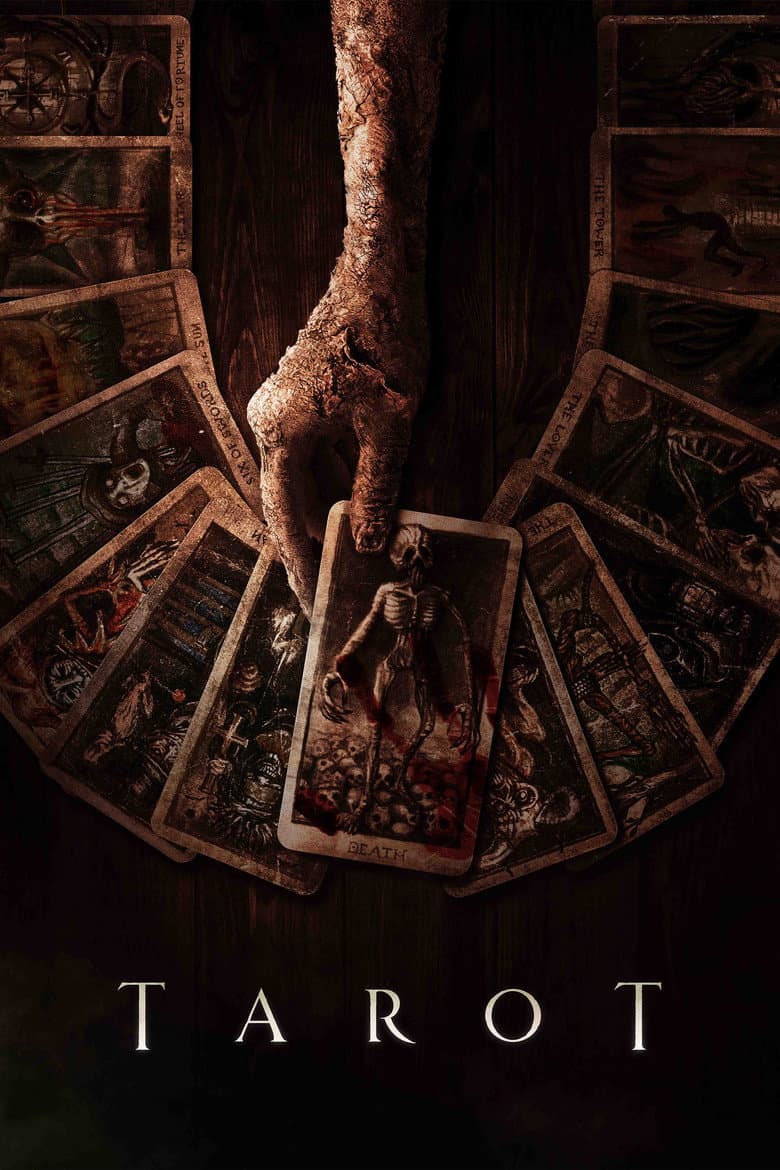
Haley is a college student who reads tarot cards for her friends during a birthday trip to a rented house in the Catskills. She uses an old deck from a locked room, even though the deck feels dangerous. The cards then bring monsters to life, and the friends die in ways that match their readings. Haley, her former boyfriend Grant, and the few survivors race to learn the deck’s past and stop the curse. The film uses dark rooms, sudden attacks, and a few jokes to create a light supernatural horror tone.
The friend group includes several racial backgrounds and a lesbian couple, Paige and Elise. Those details are visible, but the movie does not make sexuality, race, or gender the main problem. The main story follows Haley’s grief over her mother and her struggle to accept death while she searches for a way to save her friends. The old curse comes from a Hungarian count who blamed an astrologer for a prediction and killed her daughter. The film ends with Haley letting go of her grief, defeating the spirit, and choosing hope over fear.
Community feedback
Was our 18% Woke rating accurate?
Breakdown
These are the editorial factors and ratings behind our score for Tarot.
Woke representation / casting
The main friend group visibly includes Black, Indian, Latino, Filipino, and white performers. Paige and Elise are two women who are a couple. The film treats these details as normal parts of the group instead of making them a stated social message. The mixed casting is noticeable, but it is not central to the curse or Haley’s struggle.
18%
Woke political dialogue
Not present. The characters talk about tarot, fate, grief, and survival. They do not discuss politics, activism, or current identity issues.
0%
Identity-driven story themes
Paige and Elise are a lesbian couple in the main friend group. Their relationship appears in the birthday setup and remains part of the group before the curse kills them. The plot does not make their sexuality a source of conflict, a lesson, or a political claim. Haley’s main arc concerns grief, fate, and accepting death, so identity-driven themes stay minor.
15%
Western institutional / cultural critique
Not present. The curse’s backstory involves a Hungarian count abusing power and killing an astrologer’s daughter. The film treats this as old horror backstory and revenge. It does not connect the event to modern claims about patriarchy, capitalism, race, or Western institutions.
0%
Woke character or canon changes
Not relevant. The movie changes its 1992 source novel into a cursed Tarot deck story, but that is a normal horror adaptation. It does not alter a known character or real person to make an identity point.
0%
Anti-woke backlash and complaints
A few small or anonymous X accounts called Tarot woke or LGBTQ woke because Paige and Elise are a lesbian couple. One post also called the film boring and satanic while pointing to the couple as the woke element. The posts had little or no engagement, and no coordinated boycott or review-bombing drive was found. The available backlash evidence is fringe.
10%
Creator track record context
Spenser Cohen has no recorded political activism in the cached profile and mainly works in science fiction and horror. Anna Halberg has spoken about Hollywood’s lack of diversity and has supported casting that reflects real-world diversity. Nicholas Adams, Nancy Nayor, and the producers have little or no recorded activist or identity-focused work in the cached profiles. The title interviews focus on fate, grief, pandemic-era uncertainty, and horror craft rather than activist themes.
17%
Production
Movie · 2017
Several years after the tragic death of their little girl, a doll maker and his wife welcome a nun and several girls from a shuttered orphanage into their home, soon becoming the…
Movie · 2023
Still reeling from the tragic death of their mother, a teenage girl and her younger sister find themselves plagued by a sadistic presence in their house and struggle to get their…
Movie · 2022
Trapped on her family’s isolated farm, Pearl must tend to her ailing father under the bitter and overbearing watch of her devout mother.
Movie · 2020
Six friends hire a medium to hold a séance via Zoom during lockdown — but they get far more than they bargained for as things quickly go wrong.
Movie · 2016
In 1630, a farmer relocates his family to a remote plot of land on the edge of a forest where strange, unsettling things happen.
Movie · 2022
A year after the Miles County massacre, Art the Clown is resurrected by a sinister entity. Art returns home, where he must hunt down and destroy teenage Sienna and her younger…
Movie · 2022
Inspired by the true story of a family who believed they were possessed by spirits. This film follows a woman who must protect her child from a curse.
Movie · 2025
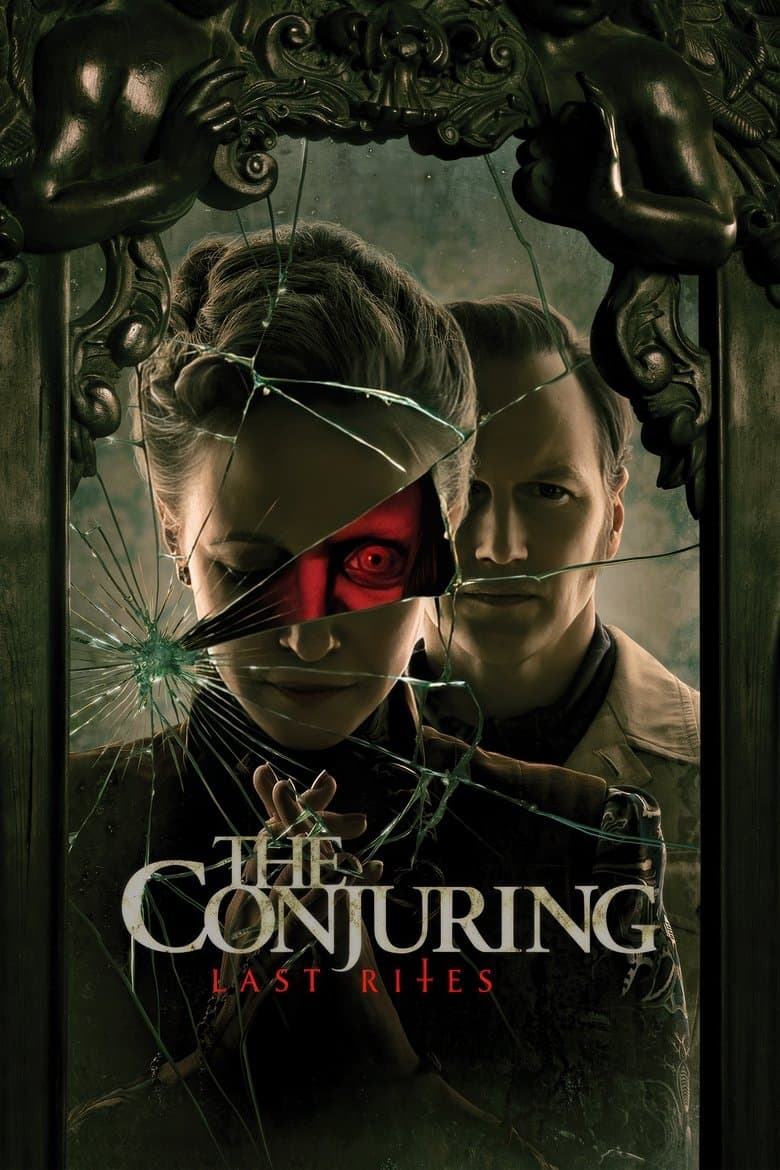
Paranormal investigators Ed and Lorraine Warren take on one last terrifying case involving mysterious entities they must confront.
