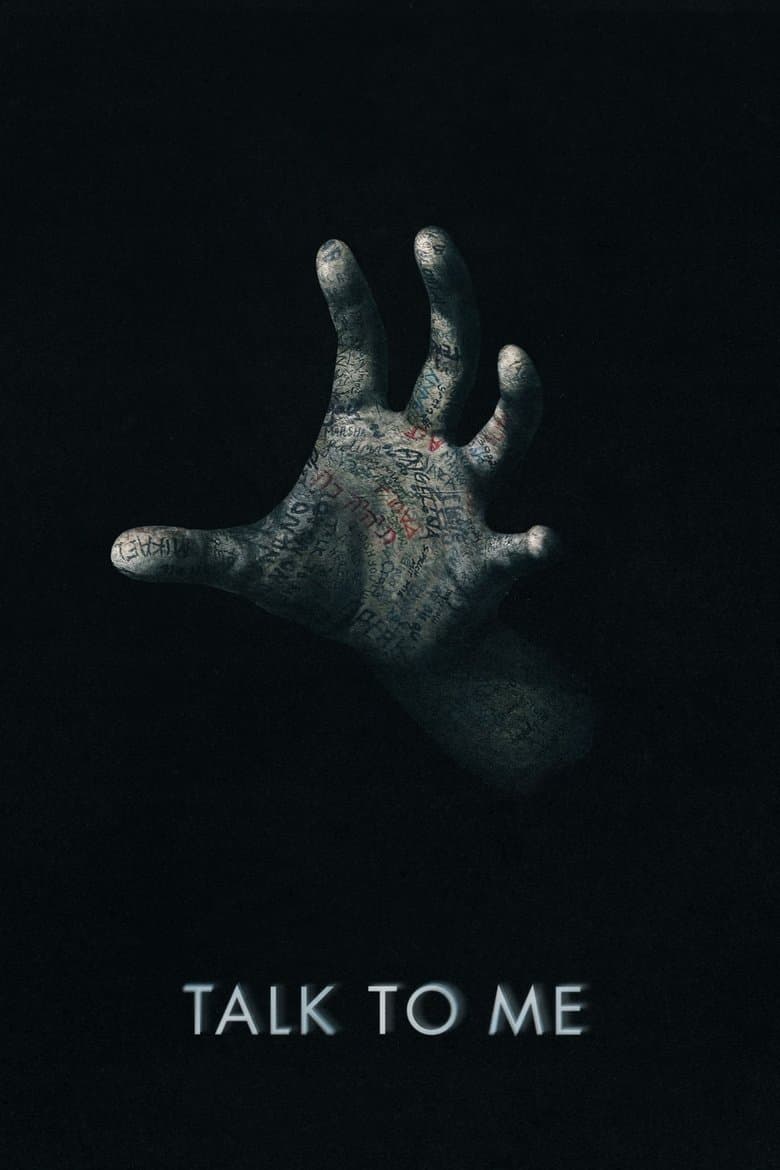
Mia is a teen in Adelaide who is still raw after her mother’s death. She and her friends find a creepy embalmed hand that lets them call spirits and get possessed for a short high at parties. The rush feels fun until someone goes too far and a younger kid is badly hurt. The tone is scary, sad, and fast, with grief and bad choices driving the horror.
A normal viewer mostly sees a grief-and-addiction ghost story, not a politics lecture. The clear identity notes are casting and one supporting role: Mia is played by Sophie Wilde, a black lead, her parents are also black, the friend group is mixed, and party host Hayley is played by nonbinary/trans actor Zoe Terakes, with they/them used for that character. Directors said they kept Zoe and shaped Hayley to fit after a strong audition. That shows up on screen but does not steer the plot, which stays on loss, loneliness, and the hand. Studios later backed Terakes when Kuwait banned the film over the actor’s identity, not over the story’s ideas.
Community feedback
Was our 33% Woke rating accurate?
Breakdown
These are the editorial factors and ratings behind our score for Talk to Me.
Woke representation / casting
Modern teen cast with a black lead (Mia) and black parents, mixed friends, and supporting Hayley played by nonbinary/trans actor Zoe Terakes, with they/them for that role. Directors said they would not shoot without Zoe and shaped the part for inclusion. Race is not explained by plot need; queer casting is clear but supporting, not the whole face of the film.
38%
Woke political dialogue
Talk is almost all grief, parties, rules of the hand, and fear. No long activist speeches on race, gender systems, or politics. Mild they/them use for Hayley is the main identity-language note a careful viewer might notice.
28%
Identity-driven story themes
Story engine is grief, loneliness, and treating possession like a drug or party high. Identity politics do not drive Mia’s arc. Gender-nonconforming Hayley and casual queer inclusion add a light signal without becoming a main theme or lecture.
22%
Western institutional / cultural critique
Digs at phone thrills, denial of hard feelings, and bad coping, not at churches, “the West,” men as a class, or modern activist takes on capitalism or colonial guilt.
0%
Woke character or canon changes
Not present in this title.
0%
Anti-woke backlash and complaints
Kuwait banned the film over Terakes’s identity, which is a hard anti-queer casting rejection. English-language “this movie is woke/DEI propaganda” backlash about the story is sparse; most talk stayed on horror quality.
12%
Creator track record context
Cached crew scores sit near zero to low teens. Danny Philippou’s public work centers on extreme comedy and personal grief horror, not identity activism. Title-related talk about normalising Zoe’s casting is mild and matches a low overall creator context score.
8%
Production
Movie · 2025
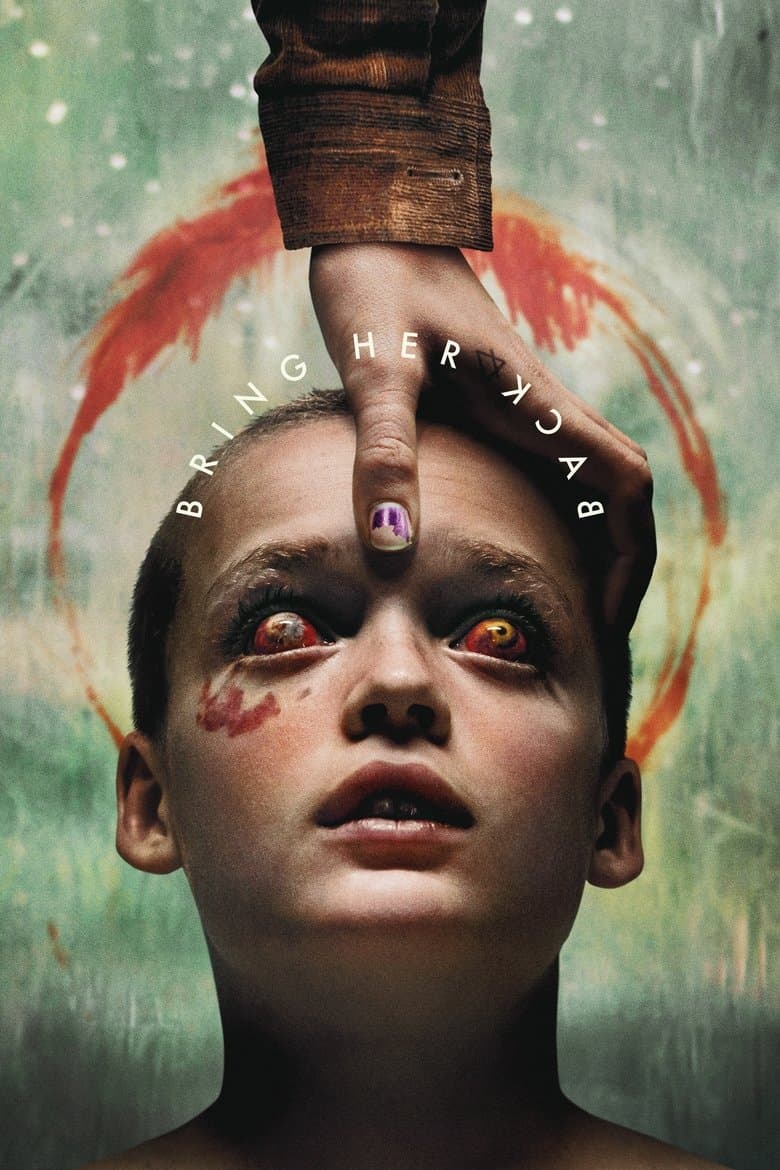
Following the death of their father, a brother and sister are sent to live with a foster mother, only to learn that she is hiding a terrifying secret.
Movie · 2025
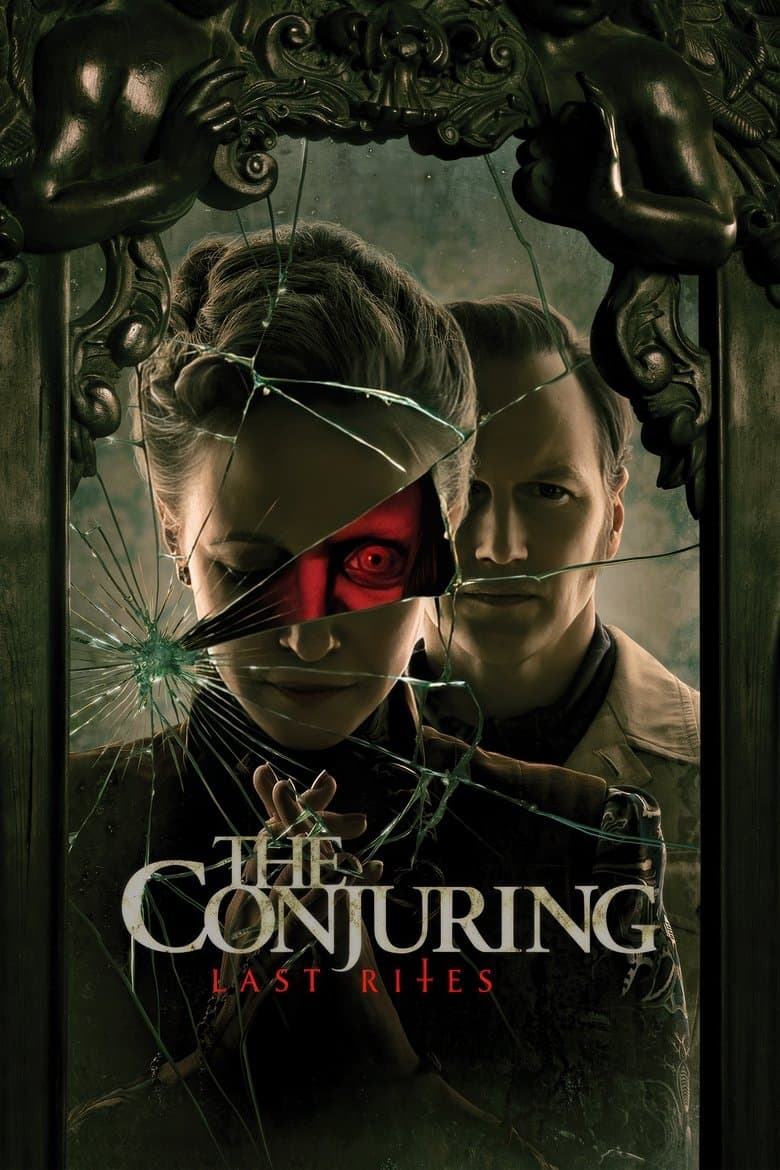
Paranormal investigators Ed and Lorraine Warren take on one last terrifying case involving mysterious entities they must confront.
Movie · 2022
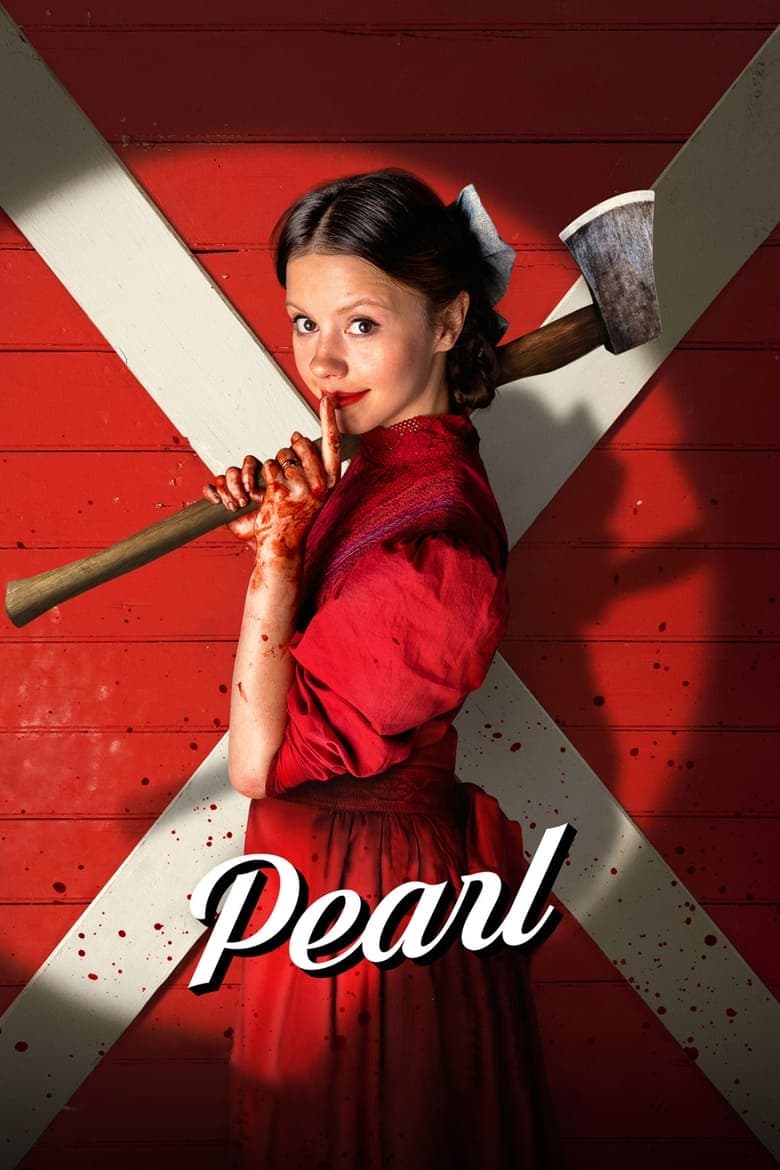
Trapped on her family’s isolated farm, Pearl must tend to her ailing father under the bitter and overbearing watch of her devout mother.
Movie · 2024
Five years after surviving Art the Clown's Halloween massacre, Sienna and Jonathan are still struggling to rebuild their shattered lives.
Movie · 2023
Still reeling from the tragic death of their mother, a teenage girl and her younger sister find themselves plagued by a sadistic presence in their house and struggle to get their…
Movie · 2024
A live broadcast of a late-night talk show in 1977 goes horribly wrong, unleashing evil into the nation's living rooms.
Movie · 2026
After breaking the mysterious "One Wish Willow" to win his crush's heart, a hopeless romantic finds himself getting exactly what he asked for but soon discovers that some desires…
Movie · 2016
Rebecca must unlock the terror behind her little brother's experiences that once tested her sanity, bringing her face to face with a supernatural spirit attached to their mother.
