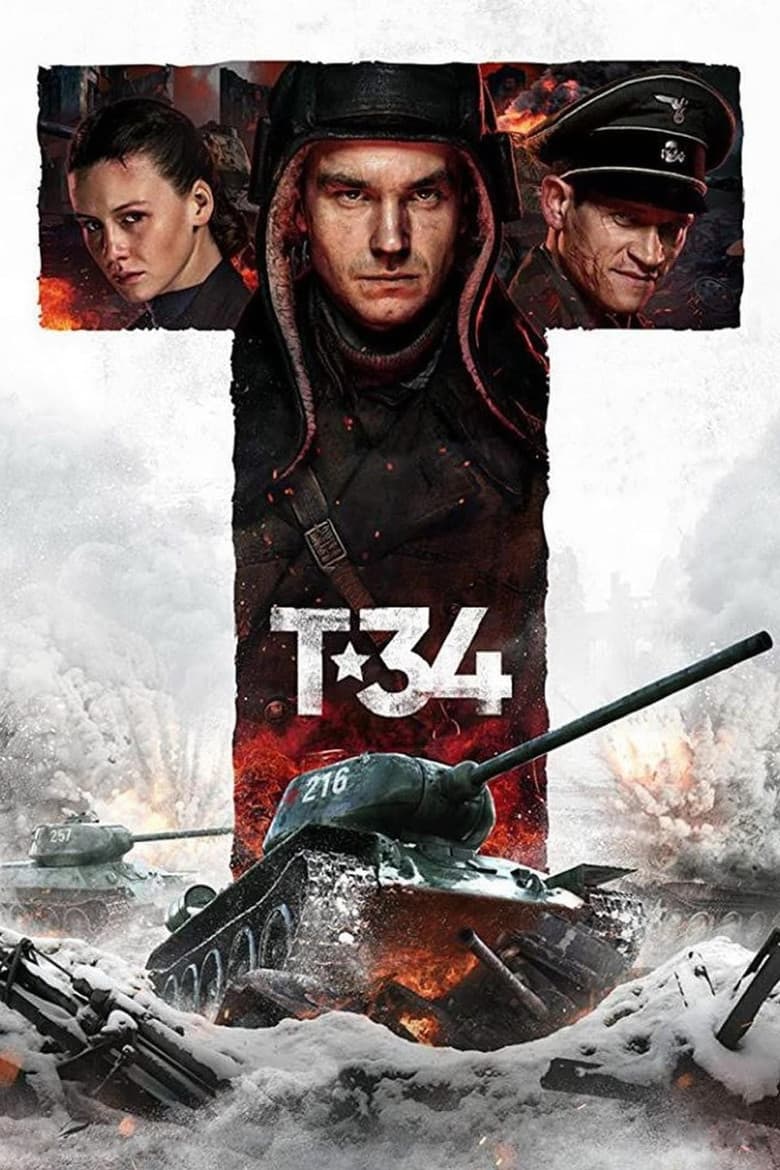
In 1944, Soviet tank officer Nikolay Ivushkin is held in a German camp after fighting a German commander named Klaus Jäger. Jäger forces Nikolay to lead other Soviet prisoners in a captured T-34 as live targets for German tank training. Nikolay turns the test into an escape and drives toward friendly lines with his crew and the translator Anya. The movie is a loud, fast war adventure with jokes, romance, heroic tank battles, and a hopeful ending.
The story puts its weight on loyalty between soldiers, courage under pressure, and the bond between a commander and his crew. Anya helps by stealing a minefield map and joining the escape, while Nikolay remains the central leader and fighter. The film treats Russian victory over the Nazis as a source of pride and presents the T-34 as a symbol of skill, endurance, and homecoming. A short prayer during the last tank battle adds religious language, but the main message stays with military brotherhood, love, and return to the motherland.
Community feedback
Was our 0% Woke rating accurate?
Breakdown
These are the editorial factors and ratings behind our score for T-34.
Woke representation / casting
Not present. The main cast fits a Soviet and German World War II story. Anya is a Russian translator, and the Soviet crew is not presented as a modern diversity message.
0%
Woke political dialogue
Not present. The dialogue contains military orders, patriotic calls, Nazi threats, and a brief prayer. Those lines belong to the wartime setting and do not push modern identity, gender-role, DEI, or activist ideas.
0%
Identity-driven story themes
Not present. The main themes are survival, loyalty, love, military skill, and national victory. Anya helps the escape, but the story does not turn her into a modern gender or identity symbol.
0%
Western institutional / cultural critique
Not present. The film attacks Nazi captivity and war violence in its historical setting. It does not build a modern critique of Western institutions, family life, Christianity, capitalism, or gender roles.
0%
Woke character or canon changes
Not relevant. The film draws on a wartime legend and was inspired by the older Soviet film The Lark. It changes plot details and adds a romance, but those are ordinary story changes rather than identity-based changes to an established character or canon.
0%
Anti-woke backlash and complaints
Not present. The supplied X research found no anti-woke complaints. Public disputes called the film Russian propaganda or challenged its history, while positive patriotic reactions are praise rather than backlash.
0%
Creator track record context
Not present. The cached creator context shows commercial, patriotic, or professional careers. It shows no sustained woke or activist record among the key people.
0%
Production
Movie · 2017
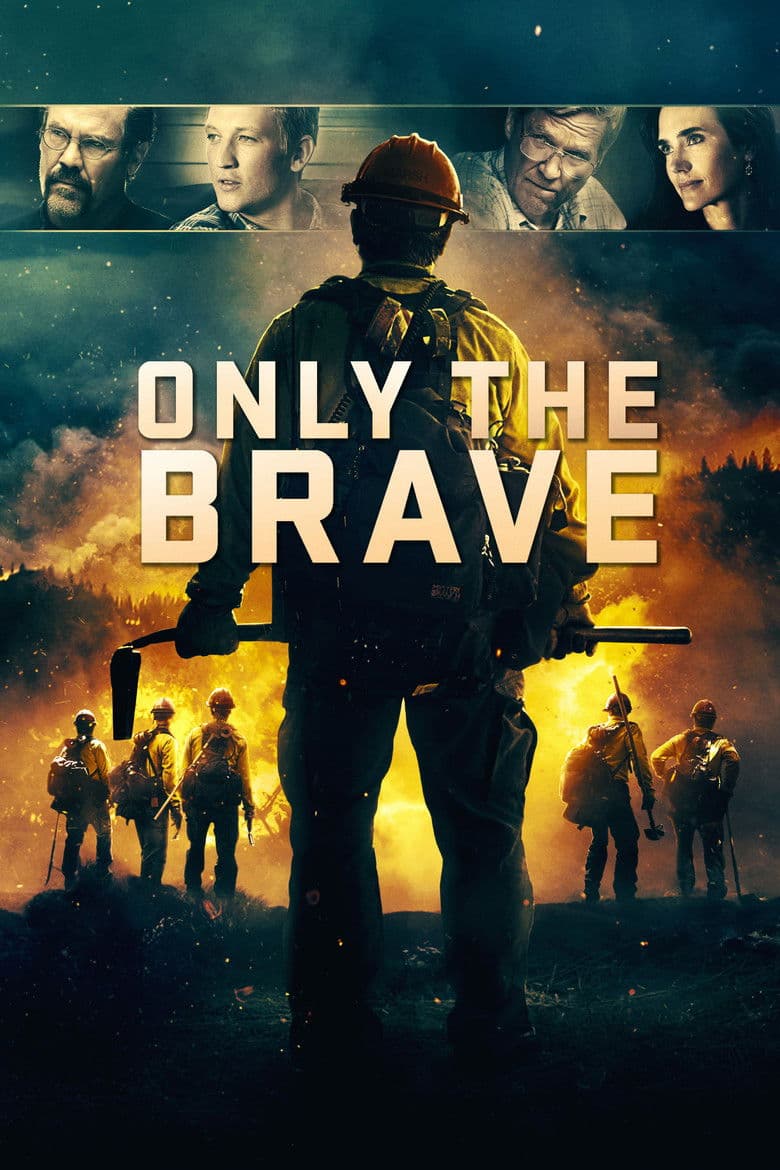
Members of the Granite Mountain Hotshots battle deadly wildfires to save an Arizona town.
Movie · 2026
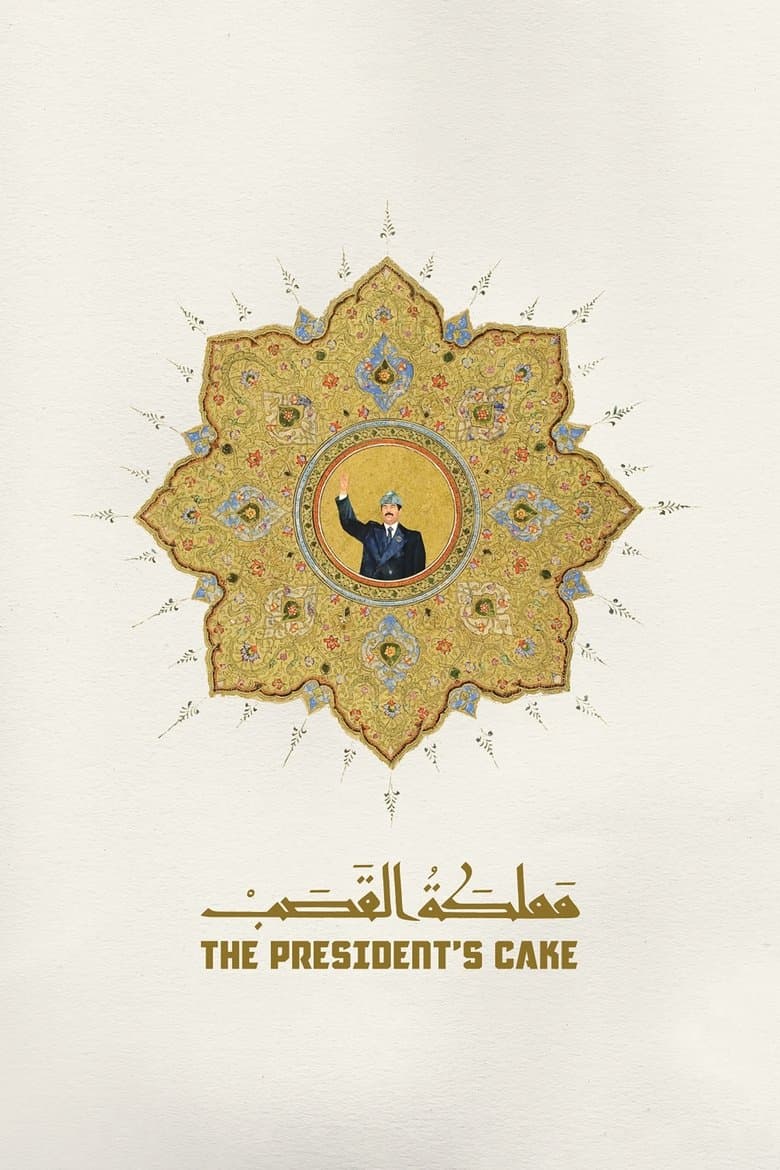
While people across 1990s Iraq struggle to survive the war and food shortages, Saddam Hussein requires each school in the country to prepare a cake to celebrate his birthday.
Movie · 2016
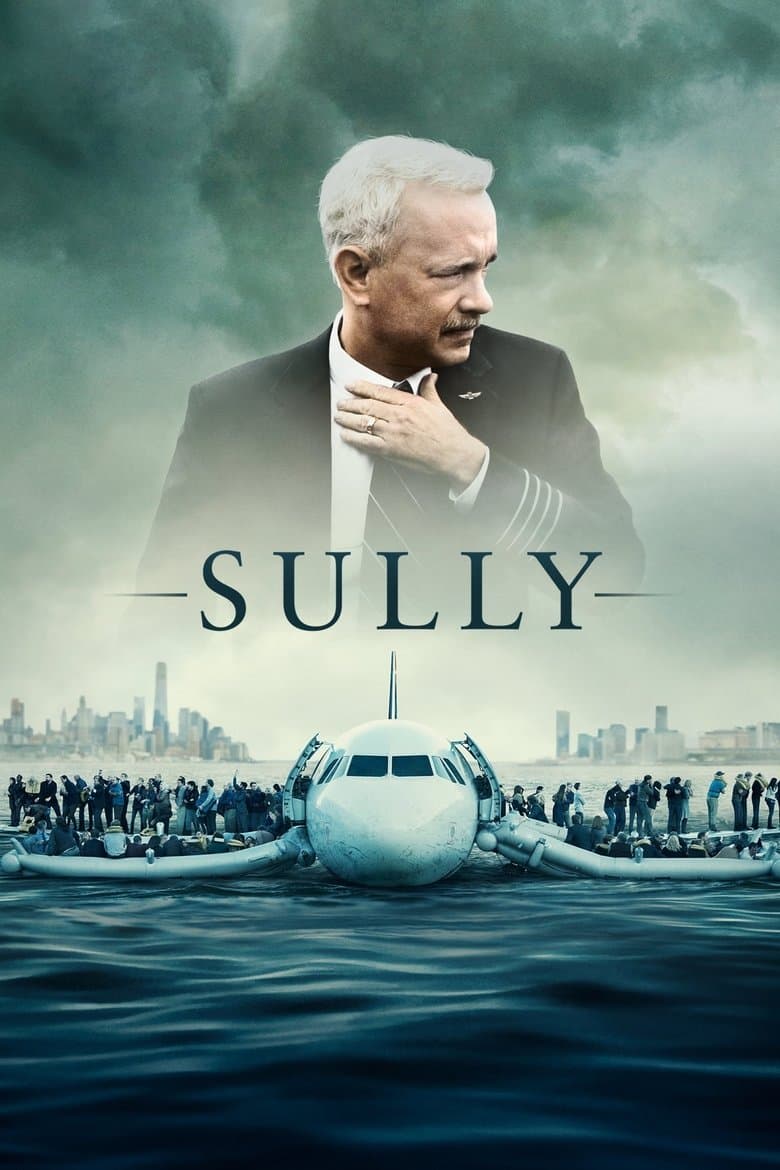
On 15 January 2009, the world witnessed the 'Miracle on the Hudson' when Captain 'Sully' Sullenberger glided his disabled plane onto the Hudson River, saving the lives of all 155…
Movie · 2017
In 1950, amidst the ravages of the Korean War, Sergeant Süleyman stumbles upon a a half-frozen little girl, with no parents and no help in sight and he risks his own life to save…
Movie · 2022
A quiet, neglected girl is sent away from her dysfunctional family to live with relatives for the summer. She blossoms in their care, but in this house where there are meant to be…

Movie · 2023
American ballet dancer Joy Womack is accepted into Moscow's infamously tough Bolshoi Ballet Academy, with the dream of becoming a great ballerina.

Movie · 2016
After his older brother passes away, Lee Chandler is forced to return home to care for his 16-year-old nephew.

Movie · 2023
The true story of the inseparable Von Erich brothers, who made history in the intensely competitive world of professional wrestling in the early 1980s.
