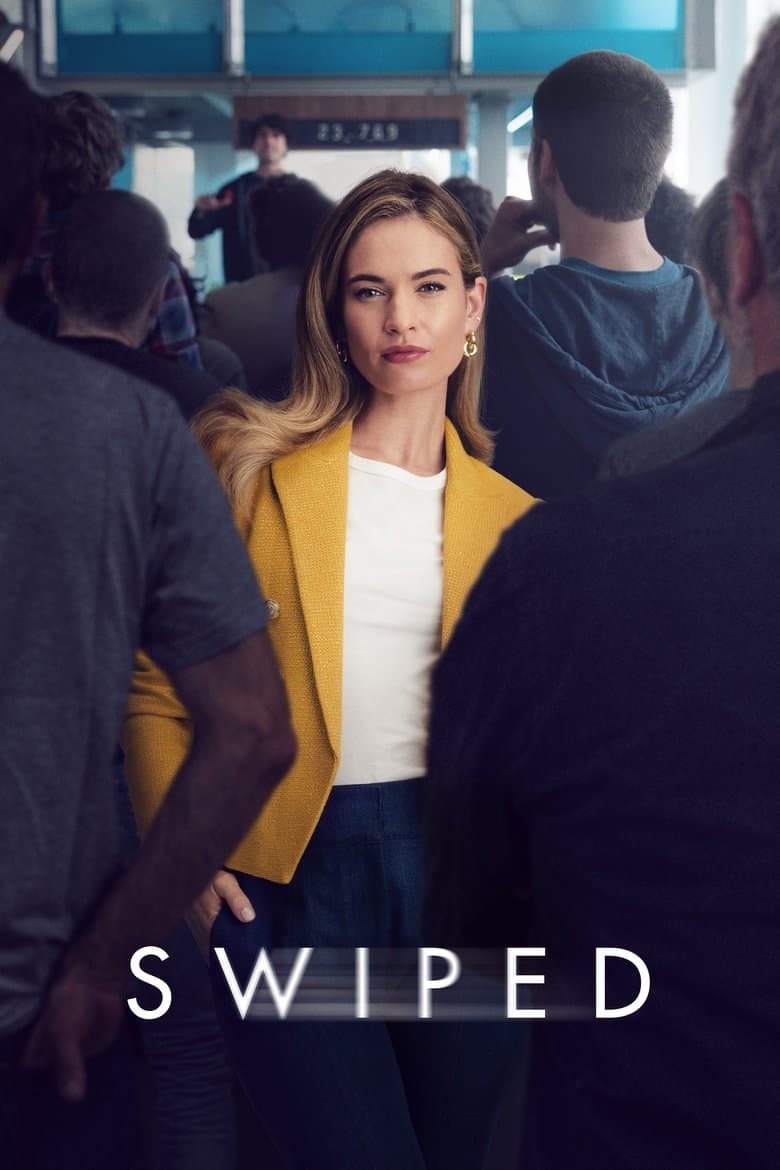
Swiped follows Whitney Wolfe, a young graduate who enters the fast-growing tech world and helps build Tinder. She faces a bitter breakup with co-worker Justin, sexual harassment claims, online abuse, and pressure from a male-led company. After leaving Tinder, Whitney works with investor Andrey Andreev and builds Bumble, an app where women send the first message. The film moves from bright startup comedy to a darker workplace drama, while keeping the pace of a business success story.
The movie makes Whitney’s fight against sexism its main message. It presents male startup culture as a place where powerful men excuse crude behavior and close ranks when a woman objects. Whitney’s friend and co-worker Tisha challenges her for ignoring other women’s problems until the same abuse reaches her. Bumble becomes a story device for giving women more control in dating, while Whitney’s success is framed as proof that women can change a male-dominated industry.
Community feedback
Was our 63% Woke rating accurate?
Breakdown
These are the editorial factors and ratings behind our score for Swiped.
Woke representation / casting
The film uses Myha’la as Tisha, a fictional black co-worker who becomes Whitney’s close friend and moral challenger. Tisha gives the story a visible women-of-color angle. Whitney is played as the real white founder, so the main role follows the subject’s known identity.
18%
Woke political dialogue
Whitney and Tisha discuss women being silenced, workplace harassment, and the cost of speaking up. Tinder workers dismiss complaints and use company power to shut Whitney out. Bumble is presented as a way to change dating culture by giving women more control. The dialogue is repeated but stays focused on work and dating rather than party politics.
34%
Identity-driven story themes
Whitney’s rise is built around a woman overcoming a male-dominated tech industry. Harassment and public attacks drive her break from Tinder. Bumble is created around women making the first move and feeling safer online. The film treats Whitney’s success as an example of women changing unfair workplace and dating rules.
70%
Western institutional / cultural critique
The film shows Tinder’s leaders excluding Whitney after she reports harassment. The company treats bad behavior as a problem to hide, and the media turns against her after the lawsuit. Tisha says Whitney accepted the same system until it hurt her. Bumble is shown as an answer to this workplace culture, although the film still celebrates business success.
52%
Woke character or canon changes
Not relevant. The film is inspired by Whitney Wolfe Herd’s life, but no major identity-driven change to a real person or known canon is shown.
0%
Anti-woke backlash and complaints
A few small X accounts called the film woke and mocked its girlboss feminism. Other niche reactions called it a late girlboss version of The Social Network. No large anti-woke campaign, boycott, or review-bombing effort was found.
12%
Creator track record context
Rachel Lee Goldenberg made Unpregnant, an abortion-access comedy. Kim Caramele worked on feminist comedy through Inside Amy Schumer. Lily James and Gala Gordon have supported more female voices in film. The remaining listed creators have little documented activist focus in the supplied context.
29%
Production
Movie · 2023
The story of J. Robert Oppenheimer's role in the development of the atomic bomb during World War II.

Movie · 2022
Based on a true tragedy, the emotionally triggering film sheds light on the plight of Kashmiri Pandits (Hindus), a religious minority in the 1990s Kashmir valley, who were…

Movie · 2022
A quiet, neglected girl is sent away from her dysfunctional family to live with relatives for the summer. She blossoms in their care, but in this house where there are meant to be…
Movie · 2019
Richard Jewell thinks quick, works fast, and saves hundreds, perhaps thousands, of lives after a domestic terrorist plants several pipe bombs and they explode during a concert…
Movie · 2020
A man refuses all assistance from his daughter as he ages and, as he tries to make sense of his changing circumstances, he begins to doubt his loved ones, his own mind and even…
Movie · 2016
WWII American Army Medic Desmond T. Doss, who served during the Battle of Okinawa, refuses to kill people and becomes the first Conscientious Objector in American history to…
Movie · 2017
Members of the Granite Mountain Hotshots battle deadly wildfires to save an Arizona town.

Movie · 2024
On the brink of the Second World War, a young Norwegian man's drive to resist the Nazis sets a new course for his future – and the future of his country.
