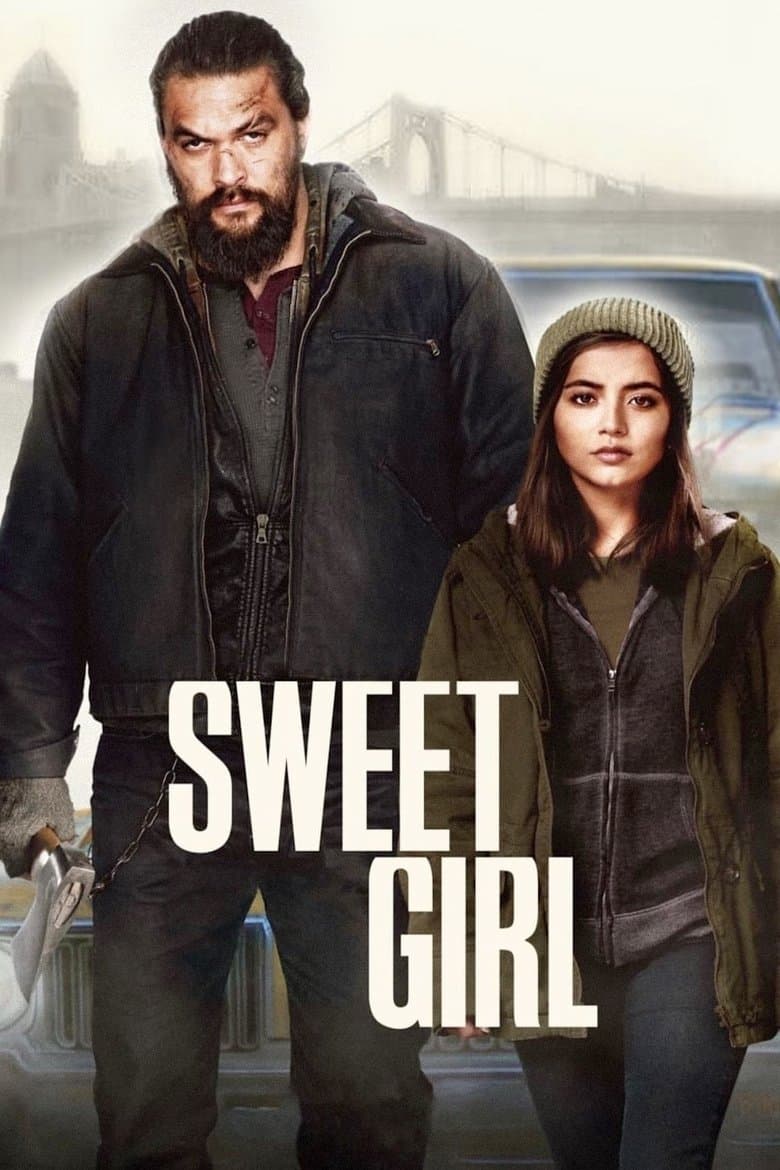
Ray Cooper is a grieving father in Pittsburgh who loses his wife, Amanda, to cancer after a drug company pulls a cheaper treatment from the market. Ray blames the company and the people who helped it, then starts a dangerous fight for justice with his daughter, Rachel. The pair face killers, police pressure, and their own anger while moving through the city. The film mixes family drama, revenge, chase scenes, and a late psychological twist.
The clearest social message attacks drug-company profit and political ties that keep health care out of reach for ordinary families. The story presents big business and some public leaders as willing to trade lives for money and power. Rachel also becomes a tough young female action lead who carries the mission after her father is gone, which gives the film a mild female-empowerment signal. These ideas support the revenge plot, but the movie spends more time on fights and the twist than on a deep political debate.
Community feedback
Was our 38% Woke rating accurate?
Breakdown
These are the editorial factors and ratings behind our score for Sweet Girl.
Woke representation / casting
Rachel is a young woman who becomes the main fighter and carries the revenge mission. The film gives her a prominent heroic action role after the story shifts away from her father. The cast includes several racial backgrounds in important roles, but the movie does not present them as a diversity program or identity lesson. The gender signal is mild because the plot treats Rachel as a grieving survivor, not as a symbol of female progress.
16%
Woke political dialogue
Ray blames BioPrime for keeping a cheaper cancer drug off the market. A TV debate links the company to high health-care costs and money in politics. Diana Morgan’s campaign treats government corruption as part of the same problem. The film returns to these points through news reports, threats, and the revenge plan, but its dialogue stays broad.
34%
Identity-driven story themes
Rachel becomes the final action hero and carries the mission after losing both parents. The story treats her toughness as part of her grief and training, not as a lesson about gender. The film gives her a visible female-empowerment moment, but it does not discuss feminism, race, sexuality, or group identity. The identity signal remains weak beside the family and revenge story.
16%
Western institutional / cultural critique
BioPrime puts profit ahead of a sick family’s chance to buy a cheaper drug. The film connects the company to a politician and to money shaping public decisions. The story treats American health care as a system that can abandon ordinary people when business power wins. The critique is repeated and drives the revenge plot, but it does not attack family, faith, or traditional social life.
42%
Woke character or canon changes
Not relevant. Sweet Girl is an original story and does not adapt a known character, book, or real event.
0%
Anti-woke backlash and complaints
Not present. No clear anti-woke backlash appeared in the news and audience discussions reviewed. Most complaints focused on the twist, poor logic, and action scenes.
0%
Creator track record context
The director and writers mainly have action and thriller backgrounds with no strong identity-activist record. Gregg Hurwitz has supported political ads and bipartisan dialogue, but no clear DEI profile is noted. Jason Momoa has supported Hawaiian cultural sites and ocean causes. Title interviews add health care, political money, and an empowered daughter, so the context gives a weak signal.
18%
Production

Movie · 2018
A logger defends his family from a group of dangerous drug runners.
Movie · 2017
London, England, April 1980. Six terrorists assault the Embassy of Iran and take hostages. For six days, tense negotiations are held while the authorities decide whether a…

Movie · 2017
Rohan is a kind, happy young man who has been blind since birth and works as a voice-over artist for a living.

Movie · 2016
As a huge electrical storm sweeps towards Texas, lineman Beau Ginner is haunted by memories of his brother's death by lightning years earlier.
Movie · 2016
An American Ambassador is killed during an attack at a U.S. compound in Libya as a security team struggles to make sense out of the chaos.

Movie · 2017
A fast-talking lawyer transforms his body and takes a vow of silence, not to be broken until he finds out who killed his wife and daughter and has his revenge.
Movie · 2018
True story of Ashraf Marwan, who was President Nasser's son-in-law and special adviser and confidant to his successor Anwar Sadat - while simultaneously Israeli Intelligence's…

Movie · 2017
An American sniper and his spotter engage in a deadly cat-and-mouse game with an Iraqi sniper.
