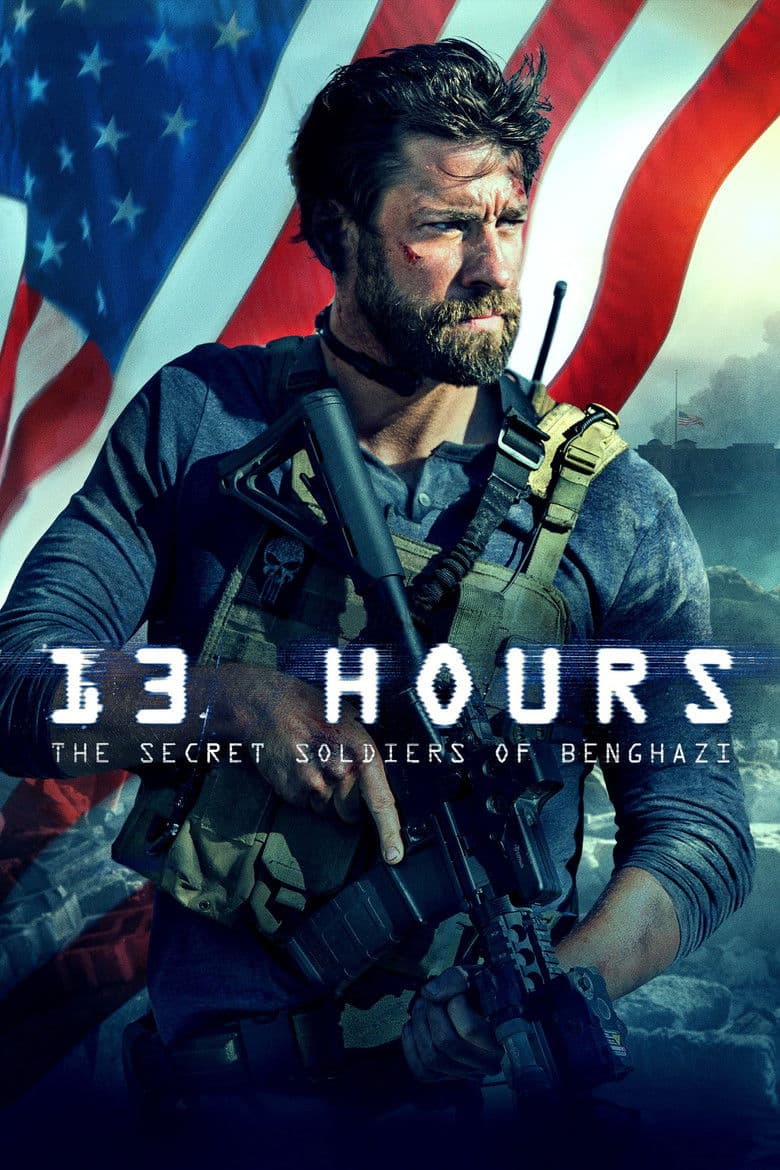
Movie review
The movie follows six American security contractors who defend a U.S. special mission compound and a nearby CIA annex during the September 11, 2012 attack in Benghazi. They are former special forces men fighting through a long night of violence. The story centers on ground combat, brotherhood, and sacrifice. Two of the operators die while holding the line. Tension also comes from a cautious CIA station chief and delayed help from outside. The film adapts a nonfiction book about what those men lived through that night.
There is almost no audience-visible woke content in the finished film. Casting follows the real operators and supporting CIA and State figures from the event rather than identity-first hero leads. Dialogue stays on missions, military banter, family stakes, and friction with CIA brass. Themes are courage, loyalty, and surviving a terrorist siege, not race, gender, or social justice messaging. Political heat around the movie comes from Benghazi bureaucracy and partisan fights, not from diversity or representation agendas.
Community feedback
Was our 4% Woke rating accurate?
Breakdown
These are the editorial factors and ratings behind our score for 13 Hours: The Secret Soldiers of Benghazi.
Woke representation / casting
Not present. Cast centers on the real Annex security operators, mostly white male ex-special-forces contractors, plus supporting CIA and State roles. A female CIA officer and a Black DSS agent appear as supporting figures tied to history, not as quota-style hero leads.
0%
Woke political dialogue
Not present. Dialogue is operational, military banter, family stakes, and tension with CIA brass, with no activist talking points about race, gender, sexuality, colonial guilt, or modern social-justice vocabulary.
0%
Identity-driven story themes
Not present. Story is siege survival, contractor heroism, and bureaucratic delay during a terrorist attack. Themes are courage, loyalty, and fog of war, not identity-group messaging.
0%
Western institutional / cultural critique
The film faults CIA caution, bureaucracy, and weak protection more than the West, patriarchy, or traditional masculinity. The operators are shown as brave warriors, not as symbols of guilt. That mild anti-bureaucracy edge is about the mission and heroism. It is not activist framing of toxic masculinity or Western cultural shame.
5%
Woke character or canon changes
Not relevant. as an adaptation of recent nonfiction. Disputes are about stand-down orders and air support, not identity or DEI rewrites of characters or history.
0%
Anti-woke backlash and complaints
Not present. No meaningful anti-woke claim that the film pushes DEI or identity politics. Conservatives largely praised it as a patriotic combat film, and public debate was partisan Benghazi politics.
0%
Creator track record context
Key creatives score low on activist branding. Michael Bay is known for blockbuster action rather than identity messaging. Chuck Hogan, Mitchell Zuckoff, and most producers also show little of that pattern. This project does not show a clear track record of identity-driven messaging.
6%
Production
Movie · 2022
Decorated veteran Will Sharp, desperate for money to cover his wife's medical bills, asks for help from his adoptive brother Danny.
Movie · 2016
In the fourth installment of the fighting franchise, Boyka is shooting for the big leagues when an accidental death in the ring makes him question everything he stands for.
Movie · 2017
London, England, April 1980. Six terrorists assault the Embassy of Iran and take hostages. For six days, tense negotiations are held while the authorities decide whether a…
Movie · 2016
A young man washes ashore, his memory gone - but his past comes back to haunt him after he is nursed back to health and his killing ability is needed when he takes on a powerful…
Movie · 2025
A broker of lucrative payoffs between corrupt corporations and the individuals who threaten them breaks his own rules when a new client seeks his protection to stay alive.
Movie · 2017
An American sniper and his spotter engage in a deadly cat-and-mouse game with an Iraqi sniper.
Movie · 2017
A fast-talking lawyer transforms his body and takes a vow of silence, not to be broken until he finds out who killed his wife and daughter and has his revenge.
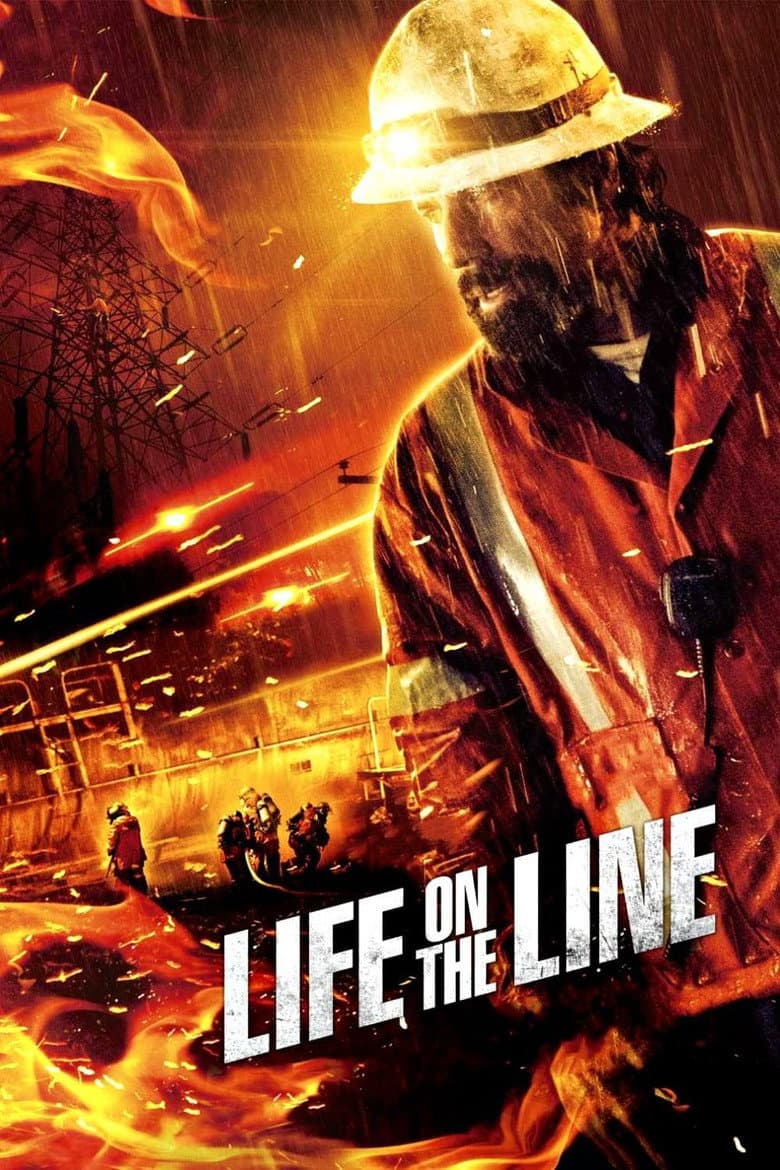
Movie · 2016
As a huge electrical storm sweeps towards Texas, lineman Beau Ginner is haunted by memories of his brother's death by lightning years earlier.
