
Ashraf Marwan is a young Egyptian official who marries Gamal Abdel Nasser’s daughter and enters the center of power. After Nasser dies, Ashraf becomes close to President Anwar Sadat while secretly giving information to Israeli intelligence. He tries to protect Egypt, Israel, and his family as the Yom Kippur War approaches, but both sides question his loyalty. The movie has a serious, tense spy-thriller tone, with private talks and secret meetings driving the action.
The film presents peace between Egypt and Israel as the main goal behind Ashraf’s dangerous work. Ashraf’s gambling, hurt pride, money problems, and possible double-agent plan create the personal drama. Political corruption, military threats, and secret deals shape the plot. Ashraf’s choices raise questions about loyalty, family, and the cost of hiding the truth.
Community feedback
Was our 18% Woke rating accurate?
Breakdown
These are the editorial factors and ratings behind our score for The Angel.
Woke representation / casting
The film casts Dutch-Tunisian Marwan Kenzari as Egyptian Ashraf Marwan, Palestinian-American Waleed Zuaiter as Nasser, and Iraqi-born Israeli actor Sasson Gabai as Sadat. Several other Arab roles also use actors from nearby countries rather than Egypt. Director Vromen said the crew and cast were made diverse, while also stressing accurate Arabic dialects. The pattern is visible in major roles, but the film does not turn it into a DEI speech or identity campaign.
33%
Woke political dialogue
Not present. The script discusses war, spying, corruption, national loyalty, and peace. It contains no modern DEI, gender-role, or activist speech.
0%
Identity-driven story themes
Not present. The story follows a historical spy trying to manage war, money, family, and divided loyalties. Its peace theme concerns Egypt and Israel in the 1970s, not modern identity politics.
0%
Western institutional / cultural critique
Not present. The movie shows corruption and power struggles inside the Egyptian government. These problems serve the historical spy plot and do not become a modern attack on family roles, Christianity, capitalism, or Western institutions.
0%
Woke character or canon changes
Not relevant. The movie changes some historical details, including the missile plot, Diana, and the marriage ending. Those changes do not alter a figure’s race, gender, sexuality, or identity.
0%
Anti-woke backlash and complaints
Not present. Reported complaints focus on pro-Israel bias, historical accuracy, accents, and non-Egyptian casting. They do not accuse the movie of pushing woke, DEI, identity politics, or left-wing activism, and the supplied X pass found no such reaction.
0%
Creator track record context
Vromen and Arata are mainly known for thrillers, crime stories, and dramas, with no strong public activist pattern. The producers have some humanist and immigrant-story credits, but no broad DEI campaign record. The casting directors also have low public political profiles. This gives the movie only a weak creator track record signal.
7%
Production

Movie · 2018
A geologist races against time to save his estranged wife and two children when a devastating earthquake strikes Oslo, Norway.

Movie · 2016
The Coast Guard makes a daring rescue attempt off the coast of Cape Cod after a pair of oil tankers are destroyed during a blizzard in 1952.

Movie · 2021
Jim Hanson’s quiet life is suddenly disturbed by two people crossing the US/Mexico border – a woman and her young son – desperate to flee a Mexican cartel.

Movie · 2016
In the aftermath of an unspeakable act of terror, Police Sergeant Tommy Saunders joins courageous survivors, first responders and investigators in a race against the clock to hunt…
Movie · 2019
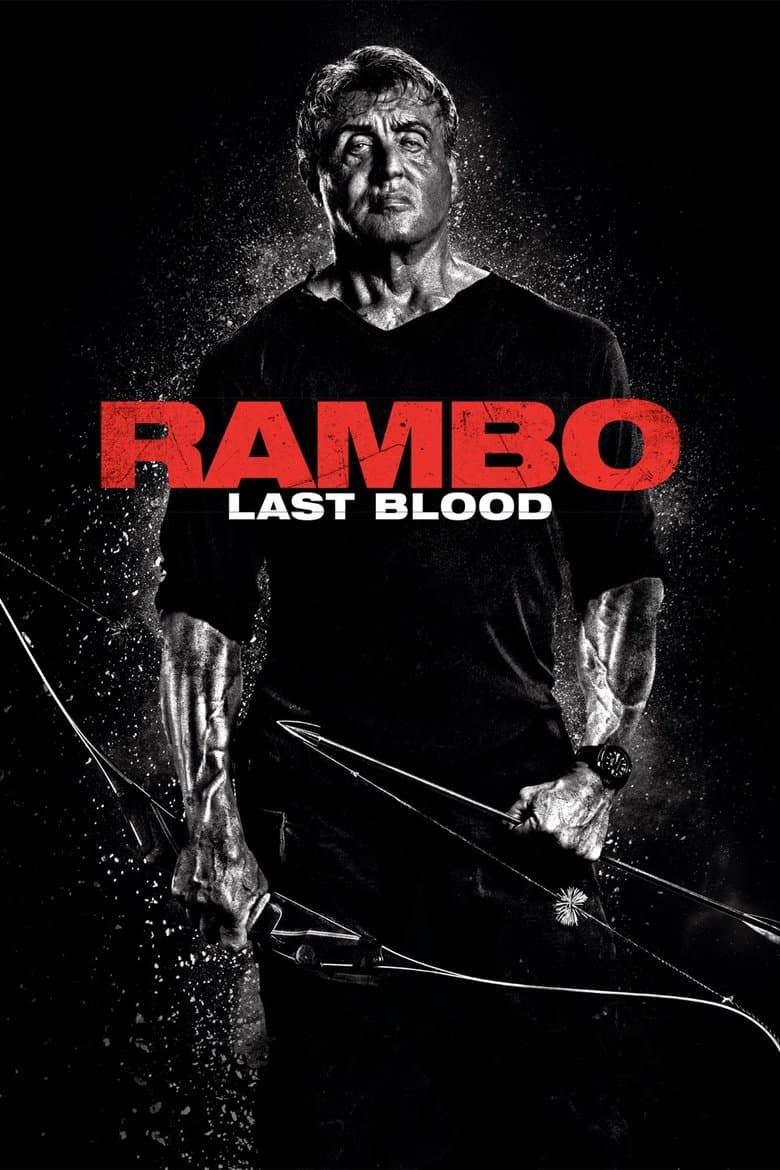
After fighting his demons for decades, John Rambo now lives in peace on his family ranch in Arizona, but his rest is interrupted when Gabriela, the granddaughter of his…

Movie · 2016
An American Ambassador is killed during an attack at a U.S. compound in Libya as a security team struggles to make sense out of the chaos.

Movie · 2016
A young man washes ashore, his memory gone - but his past comes back to haunt him after he is nursed back to health and his killing ability is needed when he takes on a powerful…

Movie · 2017
An American sniper and his spotter engage in a deadly cat-and-mouse game with an Iraqi sniper.
