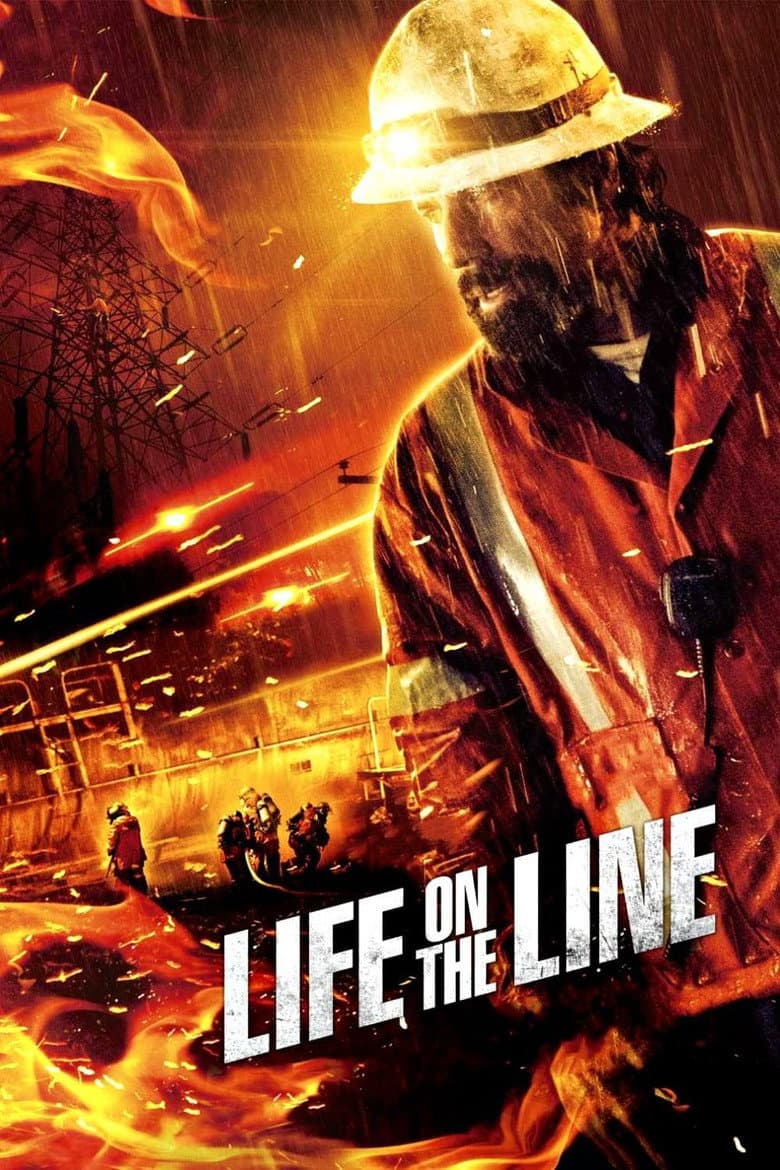
Life on the Line follows Beau Ginner, a Texas lineman who raises his niece after lightning kills her father and a car crash kills her mother. Years later, Beau leads a crew that must replace miles of power cable before a huge storm reaches town. He clashes with Duncan, Bailey’s former boyfriend, while a new worker hides war trauma and another man stalks Bailey. The movie mixes storm danger with family grief, romance, pregnancy, drinking, and rough workplace drama. Its tone is earnest, emotional, and often melodramatic.
The story presents linemen as brave workers who protect homes, hospitals, and the whole town. It praises duty, safety, family loyalty, and teamwork. Bailey faces a choice between college and staying with Duncan, while Beau must accept that he cannot control every danger around her. The crew acts like a rough but caring family, and the final storm tests courage, trust, and forgiveness. The film stays centered on work, grief, relationships, and survival.
Community feedback
Was our 4% Woke rating accurate?
Breakdown
These are the editorial factors and ratings behind our score for Life on the Line.
Woke representation / casting
Not present. The cast includes men and women in ordinary family and work roles. The movie does not frame casting as a diversity or identity statement.
0%
Woke political dialogue
Not present. The dialogue centers on line work, safety, family, grief, relationships, and danger. The movie has no recurring modern identity or activist speech.
0%
Identity-driven story themes
Not present. Bailey’s college plan, pregnancy, and choice to stay with Duncan are personal family conflicts. The other subplots involve PTSD, alcoholism, cheating, stalking, and workplace danger.
0%
Western institutional / cultural critique
Not present. Management pushes the crew to finish the grid, but the conflict stays inside a dangerous work story. The movie does not attack family, faith, traditional roles, or Western institutions through modern activist messaging.
0%
Woke character or canon changes
Not relevant. The movie is a fictionalized story about linemen, not an adaptation of a known character or canon. It makes no identity-related swap involving a real person or established figure.
0%
Anti-woke backlash and complaints
Not present. No qualifying complaints were found. X showed no anti-woke reaction. Web and audience comments focused on weak writing, cheesy action, and linework accuracy.
0%
Creator track record context
Marvin Peart has publicly supported more black-owned and representation-focused Hollywood development. Rosa Morris-Peart has spoken about barriers facing women and Latinas in Hollywood. Most other listed creators have no clear activist or identity-driven record. The film’s interviews instead focus on honoring linemen and learning the trade.
18%
Production
Movie · 2017
A fast-talking lawyer transforms his body and takes a vow of silence, not to be broken until he finds out who killed his wife and daughter and has his revenge.
Movie · 2016
In the fourth installment of the fighting franchise, Boyka is shooting for the big leagues when an accidental death in the ring makes him question everything he stands for.
Movie · 2016
An American Ambassador is killed during an attack at a U.S. compound in Libya as a security team struggles to make sense out of the chaos.

Movie · 2017
Rohan is a kind, happy young man who has been blind since birth and works as a voice-over artist for a living.
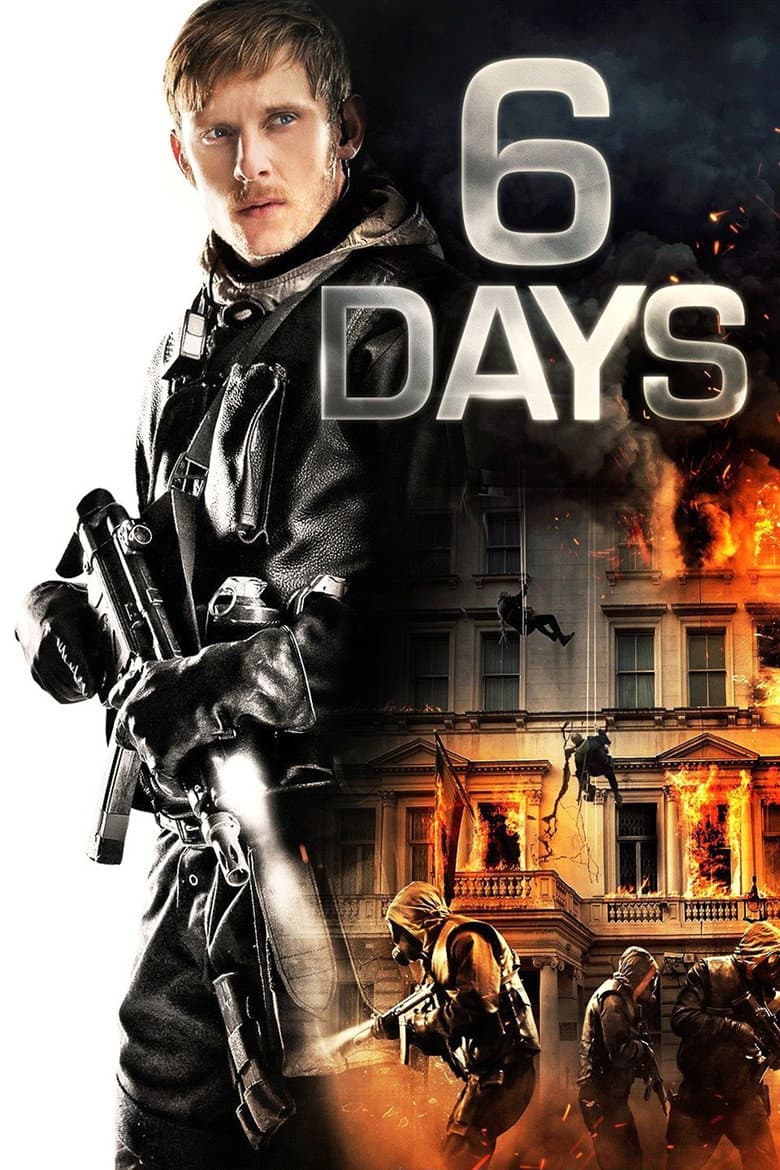
Movie · 2017
London, England, April 1980. Six terrorists assault the Embassy of Iran and take hostages. For six days, tense negotiations are held while the authorities decide whether a…
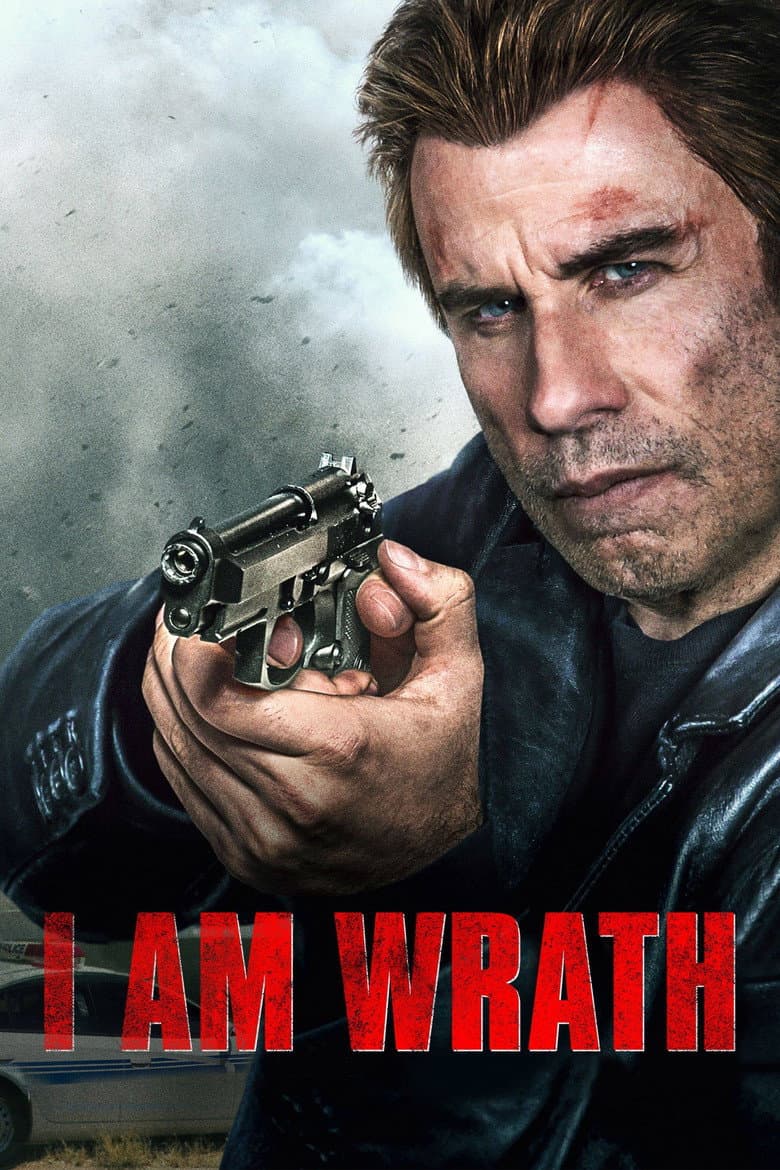
Movie · 2016
A man is out for justice after a group of corrupt police officers are unable to catch his wife's killer.
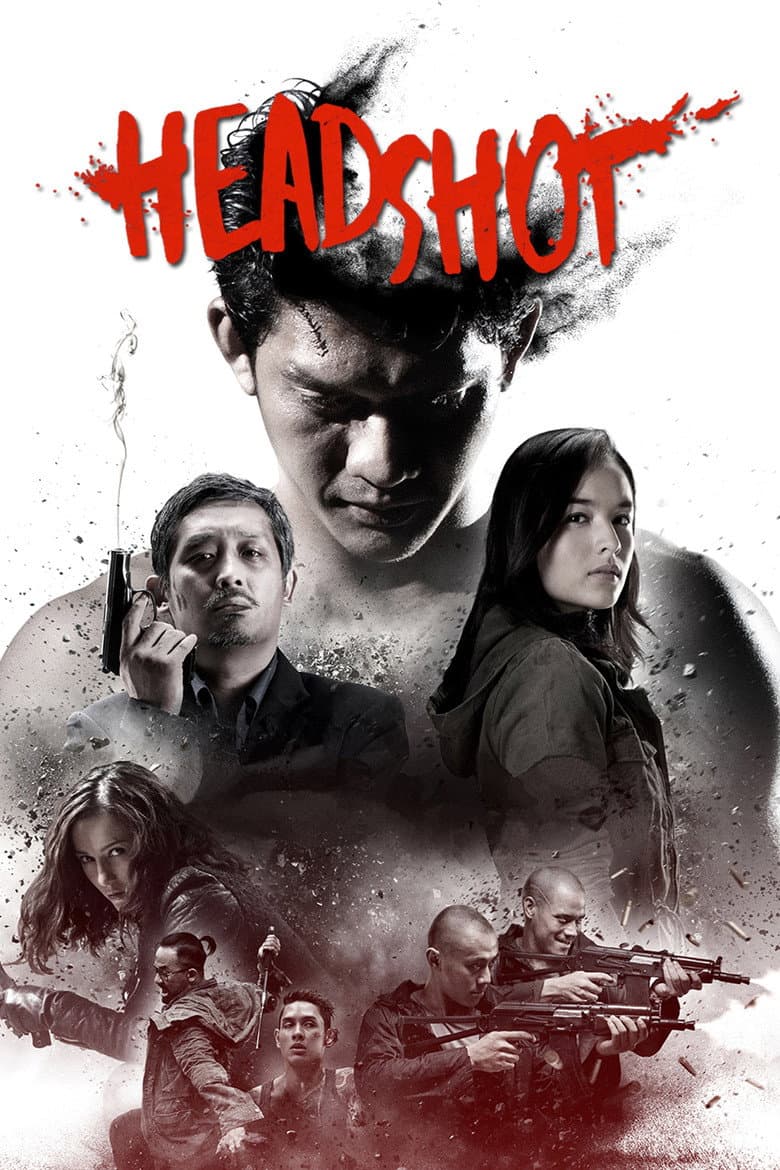
Movie · 2016
A young man washes ashore, his memory gone - but his past comes back to haunt him after he is nursed back to health and his killing ability is needed when he takes on a powerful…
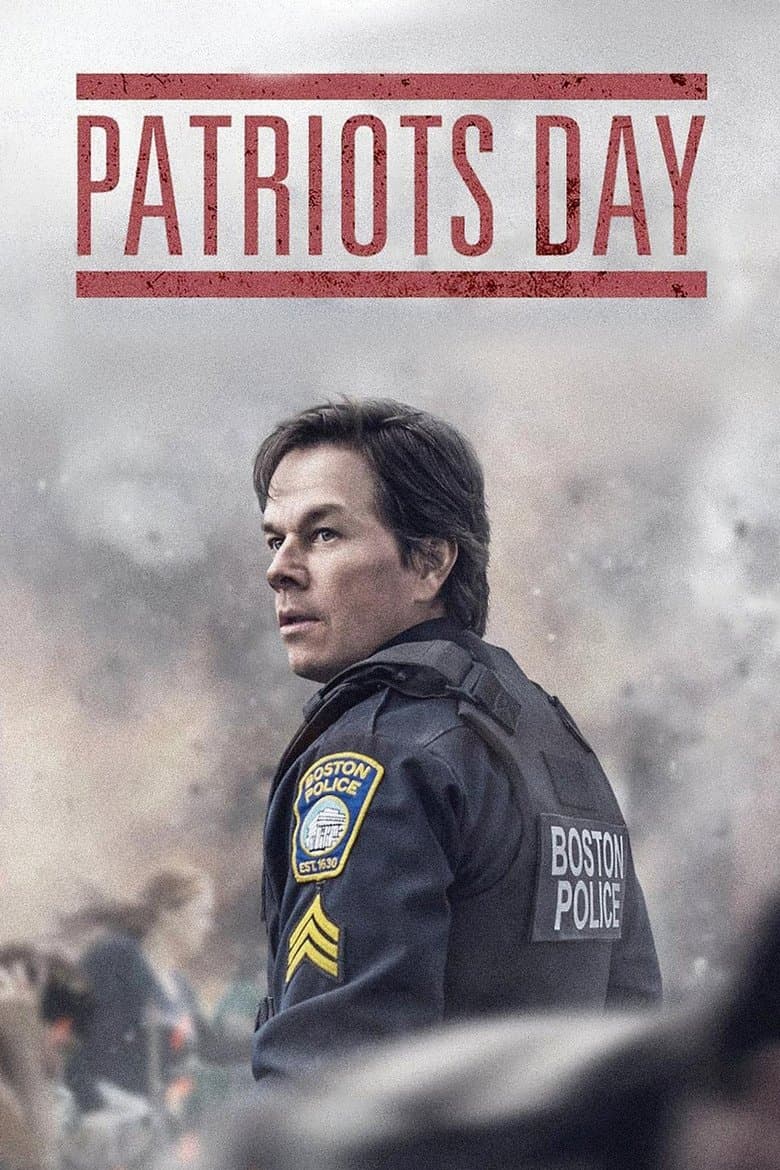
Movie · 2016
In the aftermath of an unspeakable act of terror, Police Sergeant Tommy Saunders joins courageous survivors, first responders and investigators in a race against the clock to hunt…
