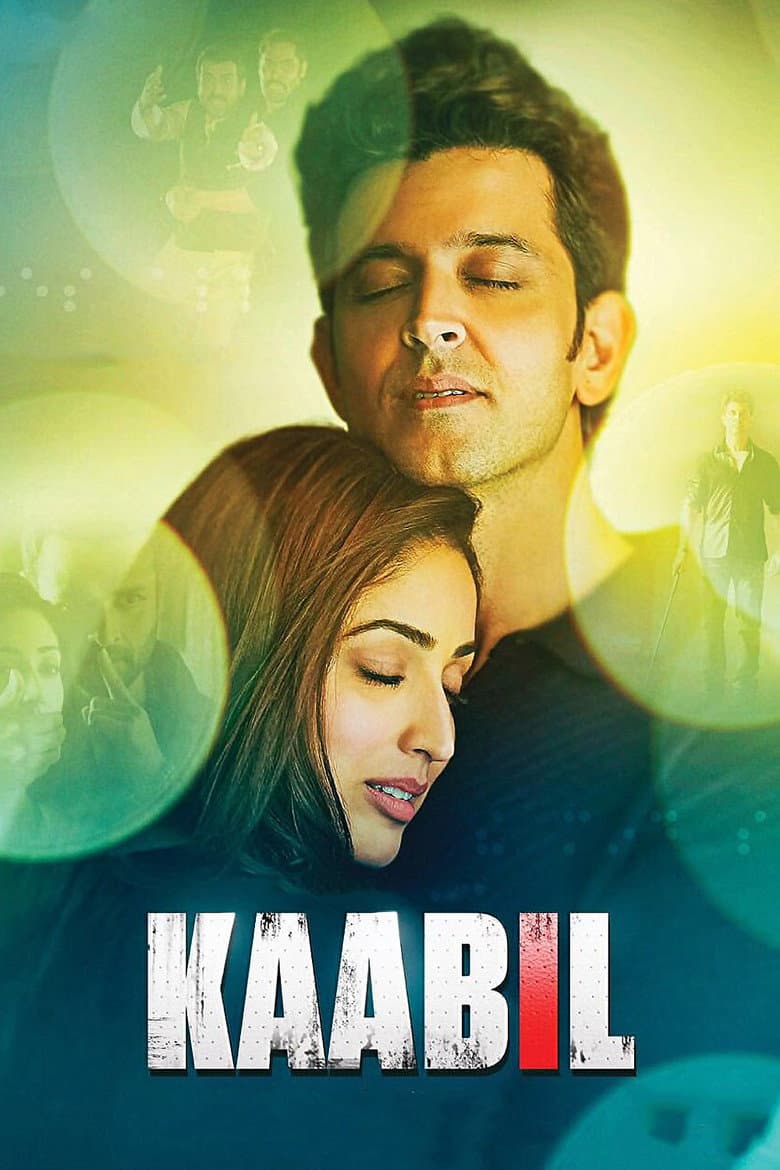
Kaabil is a 2017 Hindi action thriller set in Mumbai. Rohan Bhatnagar is a blind voice-over artist who lives on his own and wants a normal family life. He falls in love with Supriya, a blind pianist who works and values her independence. After two men linked to a powerful local politician attack Supriya and the police fail to help, she dies by suicide and Rohan plans revenge. The film moves from a sweet romance into a dark, violent story with songs and melodrama. The main identity element is the central use of blindness in both leads. Rohan and Supriya are shown as working adults who date, marry, and manage their lives without asking for pity. The story then uses Supriya’s disability and sexual assault to give Rohan a revenge mission after the police fail them. The film treats her death as the turning point for his fight against powerful men and corrupt officials. Its main message is personal love, grief, independence, and violent justice, not a wider activist message.
Community feedback
Was our 18% Woke rating accurate?
Breakdown
These are the editorial factors and ratings behind our score for Kaabil.
Woke representation / casting
The film casts two major Indian actors as the blind couple at the heart of the story. Rohan works as a voice-over artist, and Supriya works as a pianist, so disability is visible in both lead roles. The choice is tied to the plot and Mumbai setting, not to a large mixed group or a diversity message across the cast. The disability focus makes representation visible, but it does not create a broad identity-based cast pattern.
18%
Woke political dialogue
Not present. The spoken lines focus on love, grief, police failure, revenge, and crime. The film does not use modern identity, DEI, or activist speeches.
0%
Identity-driven story themes
The romance repeatedly shows two blind adults working, dating, marrying, and managing daily life. Rohan and Supriya are presented as capable people who want ordinary love and family life. The story then uses Supriya’s assault, suicide, and disability as the reason Rohan becomes a killer seeking justice. Disability and personal independence are important themes, although the film stays focused on romance, grief, and revenge rather than a wider activist message.
24%
Western institutional / cultural critique
Not present. The film shows corrupt police and a powerful politician blocking justice, but this is a crime plot. It does not make a modern activist attack on Western culture, family life, religion, capitalism, or gender roles.
0%
Woke character or canon changes
Not relevant. The film does not change a known character, real person, or established canon around race, sex, gender, or sexuality.
0%
Anti-woke backlash and complaints
Not present. No sustained anti-woke, anti-DEI, or identity-politics complaint was found. The main public criticism said the rape-and-revenge plot was old-fashioned or used Supriya as a story device, which is not anti-woke backlash. The supplied X pass also found no anti-woke complaints.
0%
Creator track record context
Sanjay Gupta’s known work is mainly commercial crime and action films. Vijay Kumar Mishra has little public evidence of activist work. Rakesh Roshan mainly makes mainstream entertainment, while Shammi Saini has little public record. Their combined history gives little support for a strong woke reading of this film.
5%
Production
Movie · 2019
After fighting his demons for decades, John Rambo now lives in peace on his family ranch in Arizona, but his rest is interrupted when Gabriela, the granddaughter of his…

Movie · 2018
A logger defends his family from a group of dangerous drug runners.
Movie · 2016
An American Ambassador is killed during an attack at a U.S. compound in Libya as a security team struggles to make sense out of the chaos.
Movie · 2023
Ex-con Russell Gaines is attempting to rebuild his life with the help of his father, Mitchell. However, the arrival of Maben sends his new life into chaos, leading the pair to go…
Movie · 2017
London, England, April 1980. Six terrorists assault the Embassy of Iran and take hostages. For six days, tense negotiations are held while the authorities decide whether a…
Movie · 2021
Madrid, Spain, 2010. While the whole city follows the national team's successful participation in the World Cup, a group of daring thieves look for a way into one of the most…
Movie · 2018
When a stadium is seized by a group of heavily armed criminals during a major sporting event, an ex-soldier must use all his military skills to save both the daughter of a fallen…
Movie · 2016
In the fourth installment of the fighting franchise, Boyka is shooting for the big leagues when an accidental death in the ring makes him question everything he stands for.
