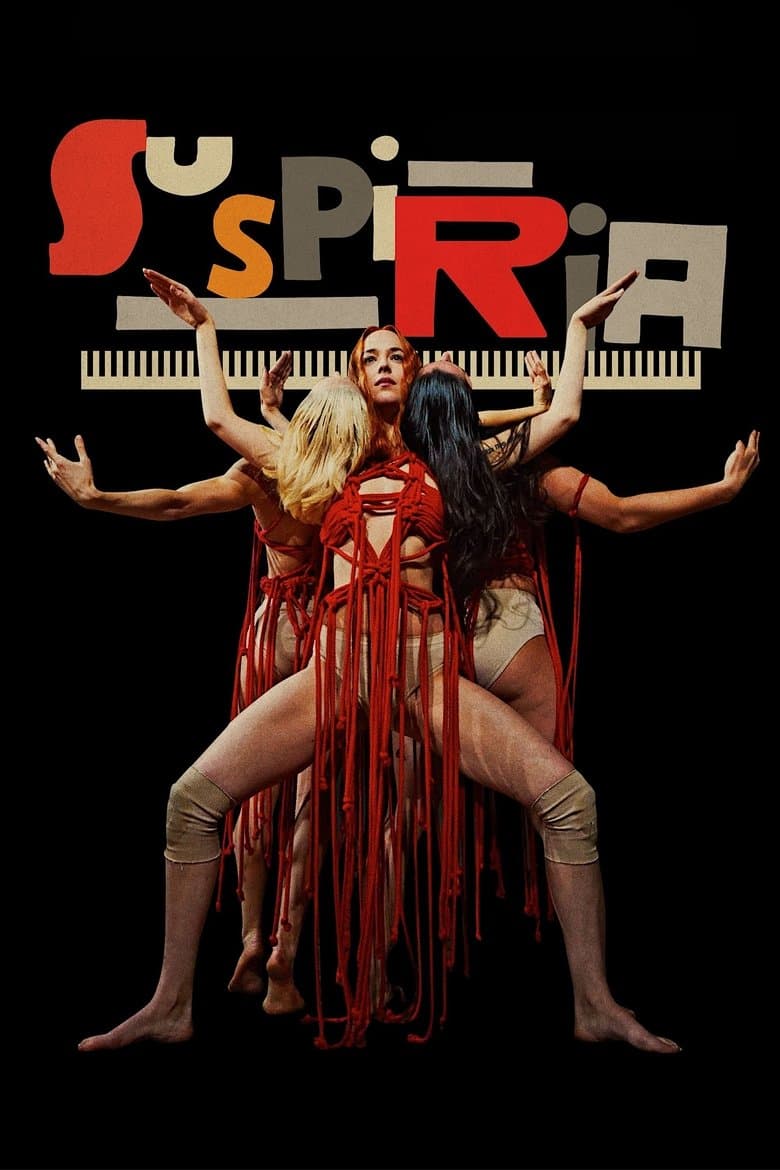
An American Mennonite dancer named Susie Bannion joins the Markos Dance Academy in West Berlin in 1977. The academy is secretly a coven of witches led by Madame Blanc and the decaying Mother Markos. The film is a remake of Dario Argento’s 1977 movie, not a shot for shot copy. It blends dance, mystery, and horror inside a closed female power structure. The German Autumn and Cold War Berlin sit in the background as history and parallel.
The story puts matriarchal power, motherhood, and female community at the center. Women’s private power and leadership matter when public power is hard for them to reach. Susie leaves a strict religious upbringing and rises through an all female hierarchy that both liberates and corrupts. Guilt tied to Nazism and abuse of power inside that hierarchy also drive the plot. Gender and feminist themes are clear and strong, while race identity and confirmed queer plotlines are not.
Community feedback
Was our 74% Woke rating accurate?
Breakdown
These are the editorial factors and ratings behind our score for Suspiria.
Woke representation / casting
The film uses a near all female cast and power structure on purpose. Creatives called it a female world and a representation choice. The lead and matron roles still fit the 1977 European setting. Swinton’s multi role work including a male part is art house gender performance, not race quota casting.
36%
Woke political dialogue
Talk centers on mothers, power, guilt, and occult rank more than modern activist slogans. Patricia’s radical politics and German Autumn news put 1970s left wing terror and German memory into the text. The charge in speech is light to occasional. Ideology shows more in structure than in talking points.
26%
Identity-driven story themes
The remake is built as feminist matriarchy horror about women’s private power and a female collective that frees and corrupts. On screen, Susie’s bodily awakening and all female leadership struggle stay central. Gender feminist identity drives the story. Race identity and confirmed queer plots do not.
66%
Western institutional / cultural critique
The film critiques patriarchy by making the male world outside weak, violent, or beside the point. Susie’s Mennonite Christian past is a repressive origin to leave. Fascism, Nazism, and German guilt run as parallels to harsh power. That history is braided with feminist critique of male public power and female authoritarian capture.
50%
Woke character or canon changes
Ordinary remake changes in tone and structure do not drive the score. The source’s stylish, largely apolitical giallo is rebuilt as an explicit feminist and political matriarchal text. Expanded coven hierarchy, German Autumn allegory, and a motherhood and power thesis replace Argento’s main meaning. That is an ideology driven rewrite, not a race or gender swap of a famous named character.
44%
Anti-woke backlash and complaints
Critics split more over length, pretension, gore, and loyalty to Argento than over DEI. Some comments call it aggressively feminist or woke friendly. Mainstream anti woke uproar is thin next to big culture war titles. Only small anti identity politics grumbling shows up.
12%
Creator track record context
Guadagnino’s work often focuses on queer desire and fluid sexuality, and he sold this film as feminist and anti patriarchy. Kajganich researched 1970s feminist politics for the script. Casting and original creators add a moderate progressive art house pattern. The slate is not pure activism, but identity themes around director and writer are clear.
46%
Production
Movie · 2021
A small-town Oregon teacher and her brother, the local sheriff, discover a young student is harbouring a dangerous secret that could have frightening consequences.
Movie · 2018
A filmmaker discovers a box of video tapes depicting two students' disturbing film project featuring a local horror legend, The Peeping Tom.
Movie · 2022
A woman's carefully constructed life is upended when an unwelcome shadow from her past returns, forcing her to confront the monster she's evaded for two decades.
Movie · 2016
Suspecting that people are transforming into malevolent shape-shifters, Wyatt flees to New York City to seek out his estranged childhood friend Christian.
Movie · 2025
A 19th-century widow has to make an impossible choice when, during an especially cruel winter, a foreign ship sinks off the coast of her Icelandic fishing village.
Movie · 2020
When a father is forced to abruptly depart for work, he leaves his children, Aidan and Mia, at their holiday home in the care of his new girlfriend, Grace.
Movie · 2021
Eva, a mysterious doctor, searches for an answer to her urgent dilemma as she unravels Dr. Anmuth's Book of Vision.
Movie · 2023
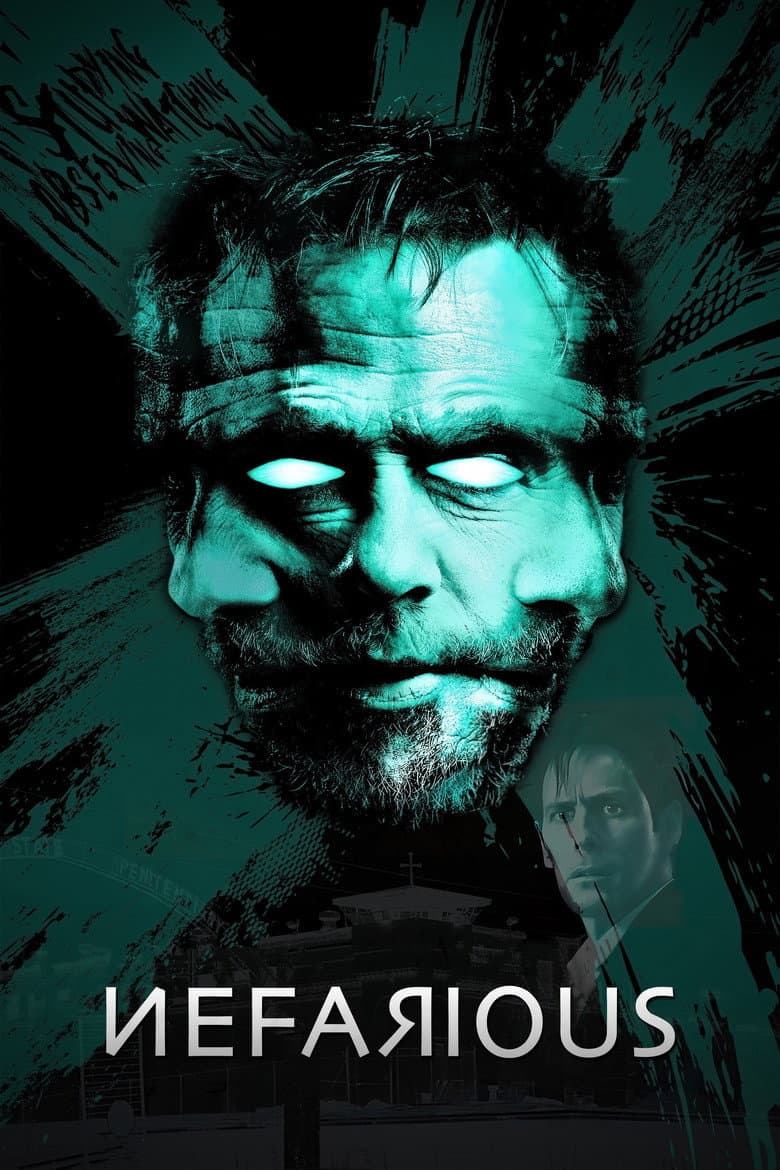
On the day of his scheduled execution, a convicted serial killer gets a psychiatric evaluation during which he claims he is a demon, and further claims that before their time is…
