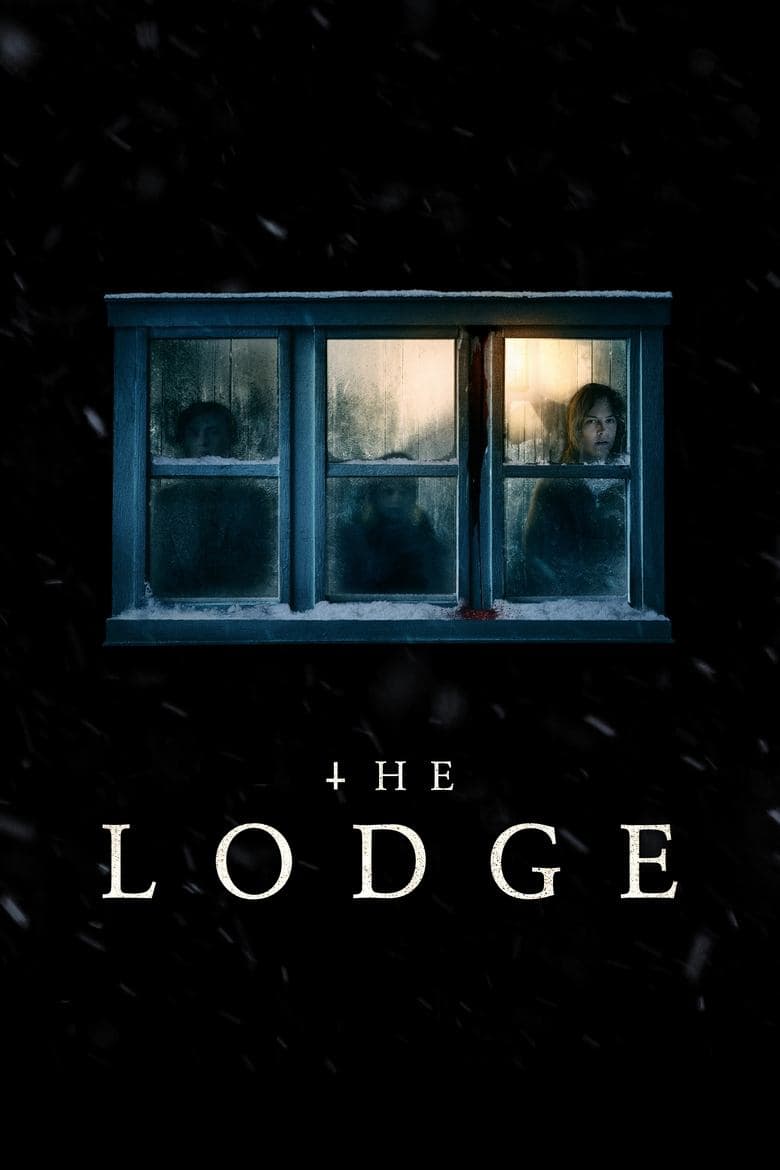
The Lodge is a 2019 psychological horror film about Grace, a survivor of a mass-suicide cult led by her father, who is left alone with her fiancé’s two grieving children at a remote winter lodge during a blizzard. The children’s hostility triggers Grace’s resurfacing trauma from her extremist religious past, leading to hallucinations, a breakdown, and a grim family tragedy involving violence and ritualistic elements. The core story focuses on personal grief, mental illness, isolation, and the lingering damage of religious extremism and cult indoctrination in a contained, atmospheric narrative without modern identity-driven or activist framing.[[1]](https://en.wikipedia.org/wiki/The_Lodge_(film))
Community feedback
Was our 14% Woke rating accurate?
Breakdown
These are the editorial factors and ratings behind our score for The Lodge.
Woke representation / casting
Casting uses white actors in prominent roles that fit the story’s contemporary Western family and cult-survivor setting without audience-visible emphasis on diversity, identity signaling, quota-style choices, or mismatches with character logic or world-building. Casting director’s general reputation for inclusive work does not appear manifested or highlighted here.
0%
Woke political dialogue
No modern activist, identity-driven, DEI-style, or left-wing political dialogue. Religious or ideological speech is limited to cult recordings and Grace’s trauma-induced breakdown, serving the psychological horror plot.
0%
Identity-driven story themes
Narrative centers on individual trauma, grief, mental illness/psychosis, family blended-family tension, and the personal legacy of religious cult extremism. No race, gender, sexuality, or representation-focused plotlines or messaging.
5%
Western institutional / cultural critique
Portrays religious extremism (fictional cult) and rigid traditional Catholic iconography/symbolism as sources of psychological harm, guilt, and family tragedy in a contained, story-logical way. Directors described it as concerning “religion gone wrong.” Remains personal/atmospheric psychological horror rather than modern activist reframing of patriarchy, whiteness, capitalism, colonial guilt, or current institutions.
18%
Woke character or canon changes
Not relevant. Original screenplay; no established characters, canon, source material, or historical figures altered for ideological or identity-driven reasons.
0%
Anti-woke backlash and complaints
No notable anti-woke or right-leaning complaints treating the title as pushing woke, activist, DEI, or identity-politics content. Reception and discussion stayed within horror genre terms (tone, dread, twist, religious trauma as plot device).
0%
Creator track record context
Directors/writers Veronika Franz and Severin Fiala show a pattern of psychological trauma and family stories, with later historical work explicitly engaging religious/societal oppression of women, mental health, and gender-role pressures; they have described their approach in interviews using complex feminist terms (shades of gray for women characters, neglected histories, parallels to modern conformity/performance society pressures). Overall mild recurring institutional/gender-role critique in key creatives’ output, calibrated per guidelines as classical or cultural left rather than dominant modern identity/DEI/queer activism; does not strongly shape this title’s presentation.
22%
Production
Movie · 2020
When an outbreak hits, Aidan barricades himself inside his apartment and starts rationing food. His complex is overrun by infected Screamers, and with the world falling apart into…
Movie · 2017
Susan, a single mother of two, works as a waitress in a small town. Her son, Henry, is an 11-year-old genius who not only manages the family finances but acts as emotional support…
Movie · 2017
Dr. Steven Murphy is a renowned cardiovascular surgeon who presides over a spotless household with his wife and two children.
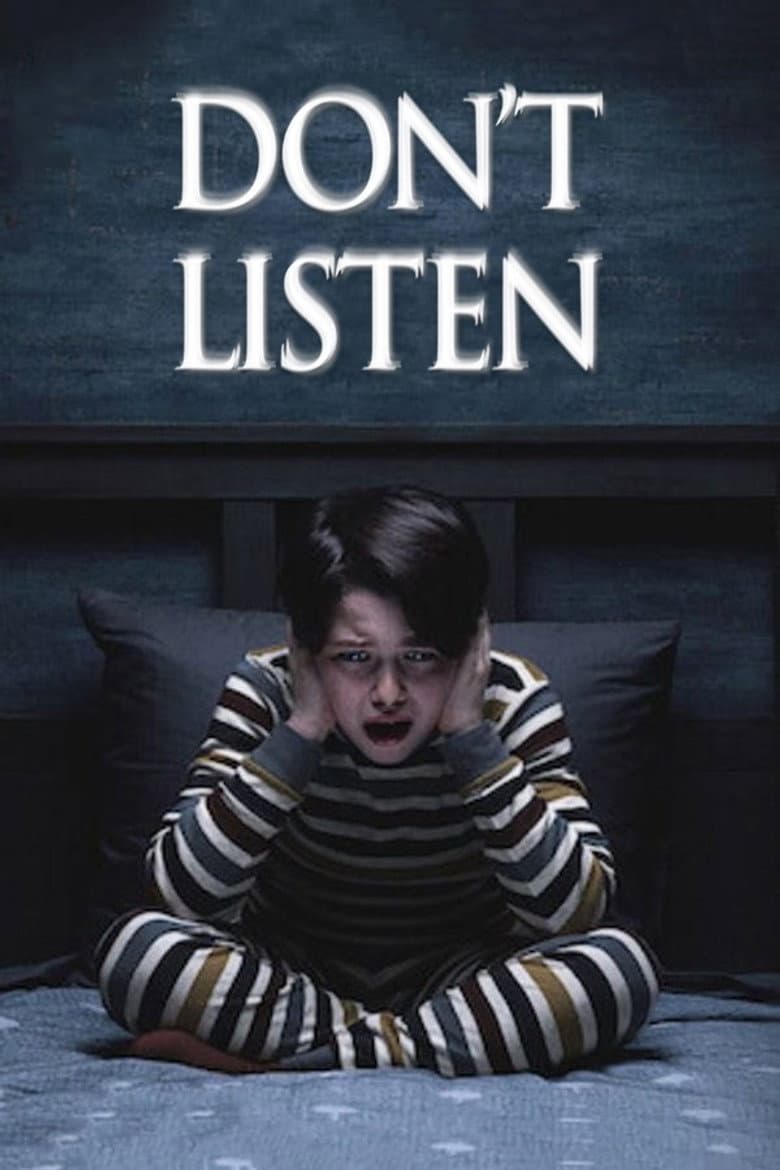
Movie · 2020
After a tragic turn of events at the new home he's fixing up, Daniel hears a ghostly plea for help, spurring him to seek out a famous paranormal expert.
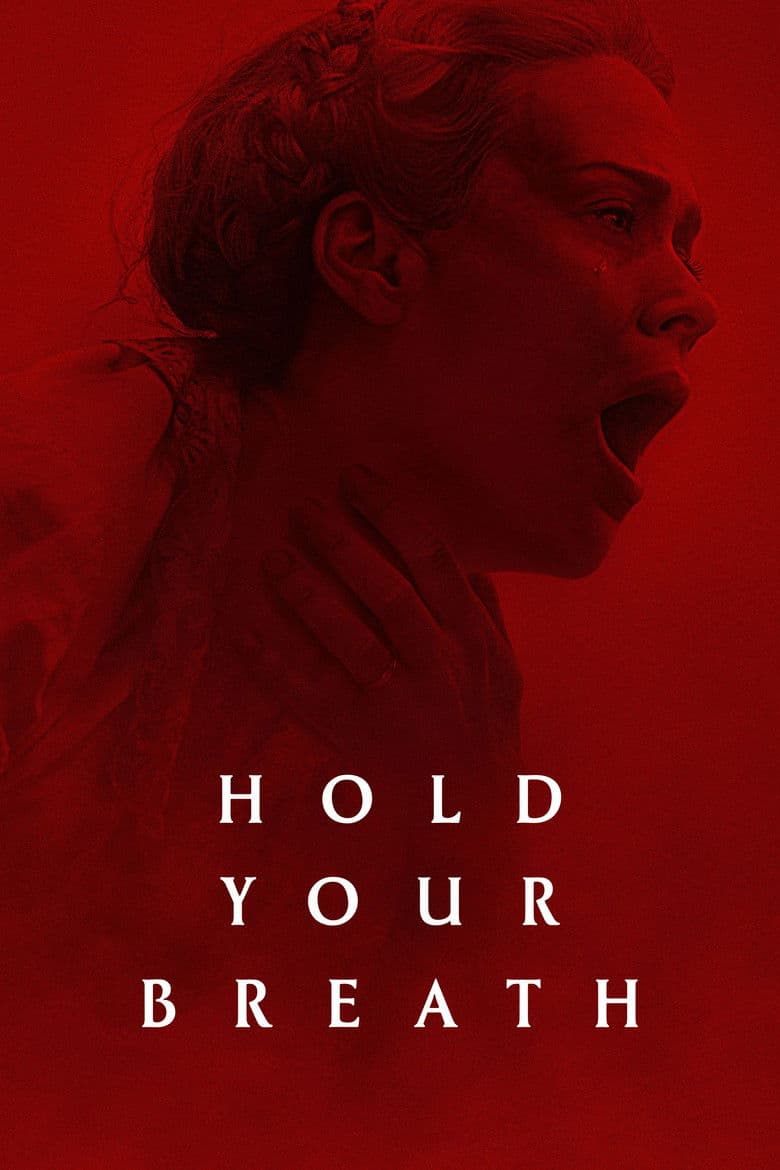
Movie · 2024
In 1930s Oklahoma amid the region's horrific dust storms, a woman is convinced that a sinister presence is threatening her family.
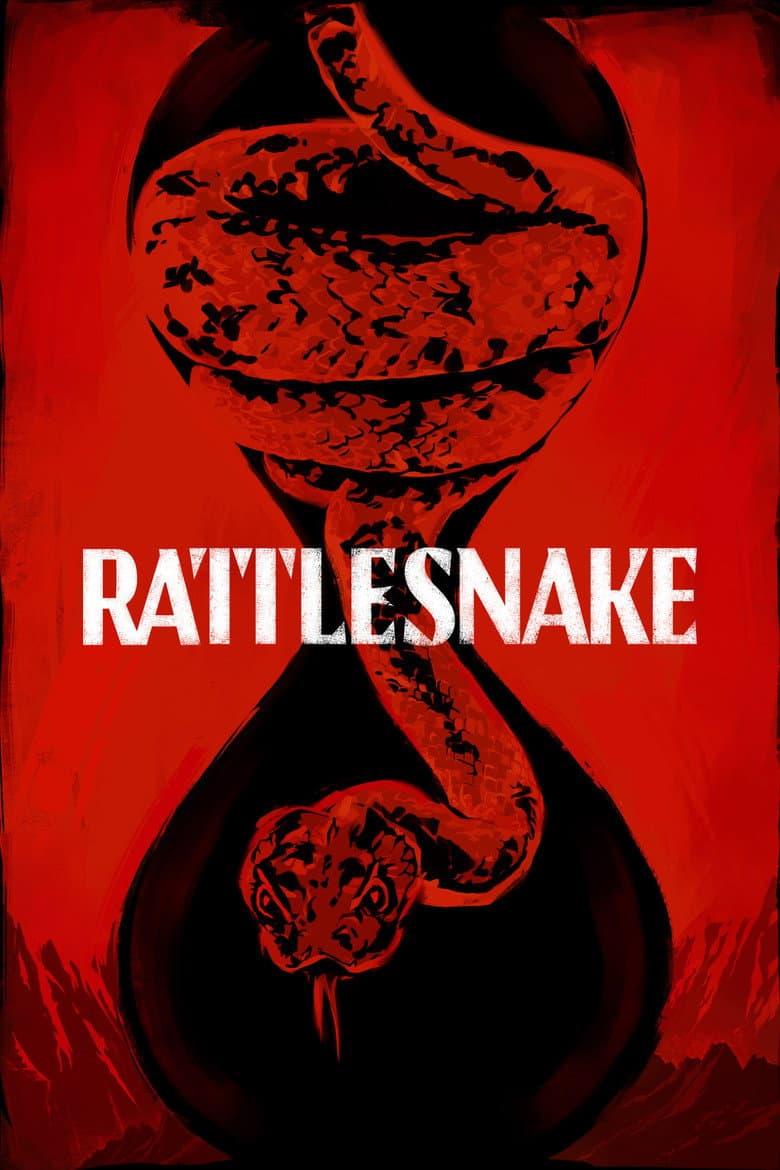
Movie · 2019
After a mysterious woman saves her daughter from a deadly snakebite, a single mother must repay the debt by killing a stranger before sundown.
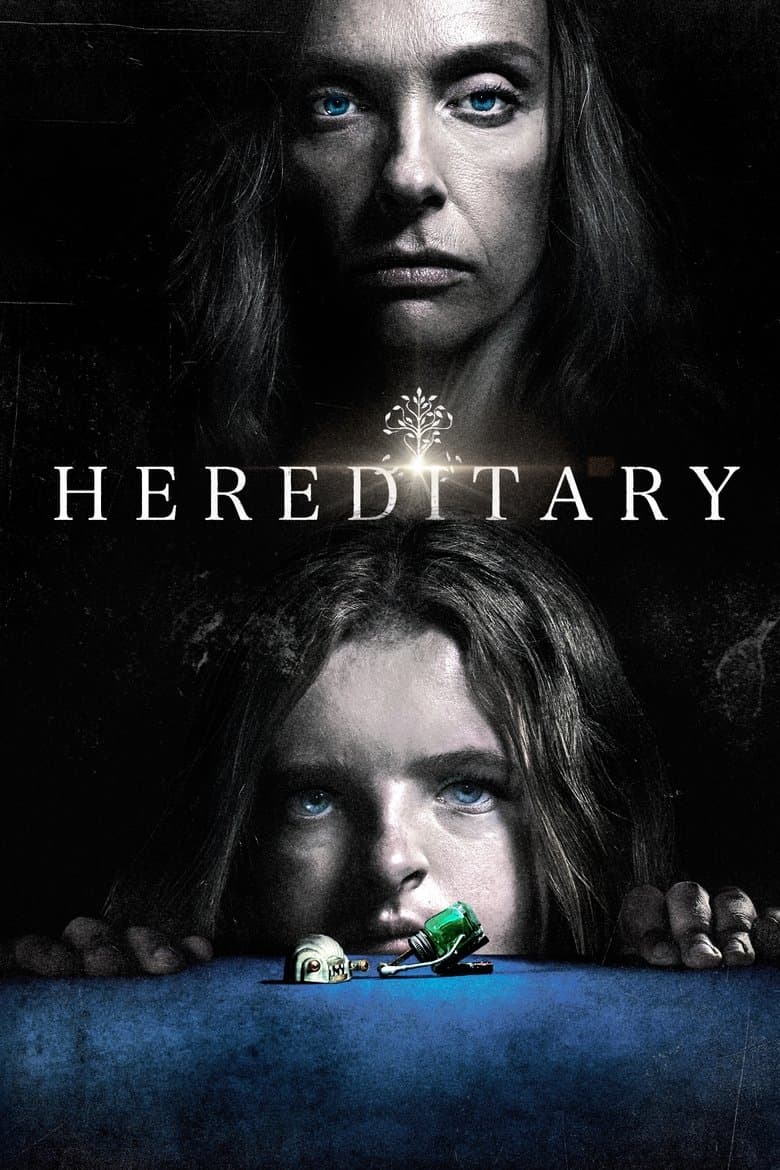
Movie · 2018
Following the death of the Leigh family matriarch, Annie and her children uncover disturbing secrets about their heritage.
Movie · 2017
Liam wakes from a car crash with no memory of who he is. As he makes his way into town to look for help, he finds only dead bodies, all with strange pale eyes.
