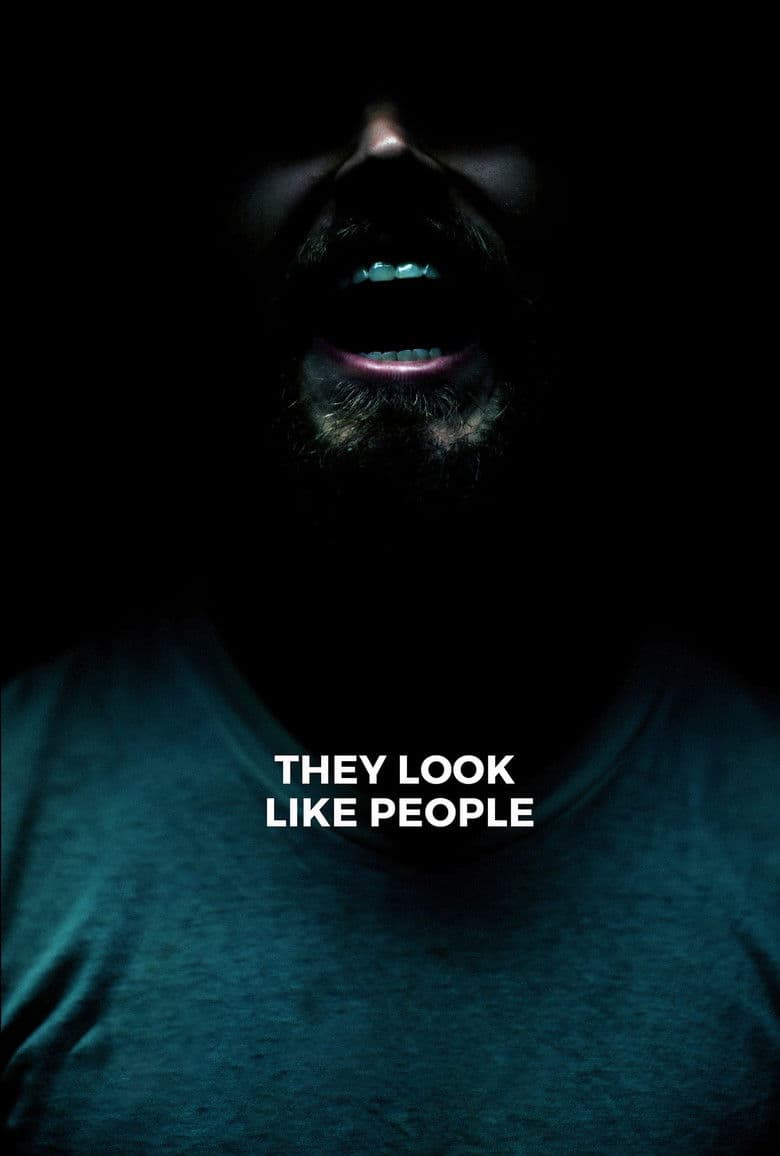
They Look Like People follows Wyatt, a troubled man who returns to New York and seeks help from his old friend Christian. Wyatt believes that normal people are turning into cruel creatures, and he thinks a hidden war is about to begin. Christian lets Wyatt stay with him while he deals with his own fear, a failed relationship, and trouble at work. The film uses a slow, tense, and sad tone as it keeps the viewer unsure whether the threat is real or a sign of Wyatt’s mental illness.
The main social idea comes from Christian’s attempt to hide his low self-worth with bodybuilding, aggressive behavior, and advice about becoming more dominant. The story treats this macho pose as harmful, but it does not turn that idea into a political speech or a wider attack on men. Wyatt’s mental illness drives the danger, while Christian’s patience and open care help stop a violent ending. The strongest themes are friendship, fear, trust, loneliness, and the choice to help a sick person instead of treating him as a monster.
Community feedback
Was our 12% Woke rating accurate?
Breakdown
These are the editorial factors and ratings behind our score for They Look Like People.
Woke representation / casting
Not present. The lead cast centers on two male friends, with a woman as Christian’s boss and a mixed group of minor New York characters. The film does not present the casting as a diversity or identity message.
0%
Woke political dialogue
Not present. The film has no clear spoken push for modern identity politics, DEI, or activist causes. Its talk about fear, work, dating, and monsters serves the personal story.
0%
Identity-driven story themes
Christian repeatedly uses bodybuilding, tough-guy behavior, and advice about becoming dominant to hide his insecurity. The story treats this pose as harmful and places more value on trust, care, and emotional honesty. This is a small gender-role thread inside a story mainly about paranoia and mental illness.
18%
Western institutional / cultural critique
Christian’s attempt to act dominant causes trouble in his work and relationships. Mara is able to defend herself, and the film does not treat her as helpless. The story does not attack religion, family, capitalism, or Western institutions.
10%
Woke character or canon changes
Not relevant. The film is an original story about Wyatt, Christian, and Mara. It does not alter an established character, source, or real historical event.
0%
Anti-woke backlash and complaints
Not present. The supplied X research found no anti-woke reaction or specific complaints. Wider audience and review discussion focused on pacing, sound, mental illness, friendship, and the ending.
0%
Creator track record context
Not present. The available creator profile centers on trauma, mental illness, grief, and small-scale horror. It shows no strong public record of DEI advocacy or identity-based campaigning.
0%
Production
Movie · 2018
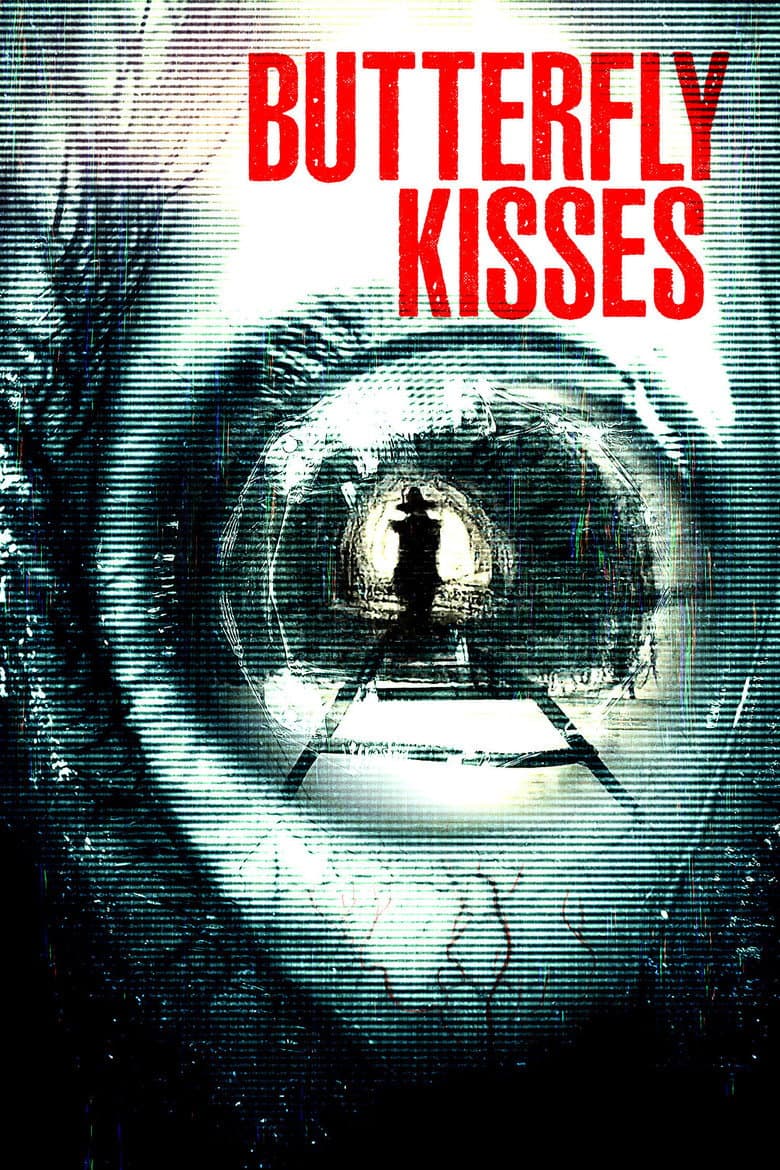
A filmmaker discovers a box of video tapes depicting two students' disturbing film project featuring a local horror legend, The Peeping Tom.

Movie · 2018
After suspecting that their police officer neighbor is a serial killer, a group of teenage friends spend their summer spying on him and gathering evidence, but as they get closer…
Movie · 2023
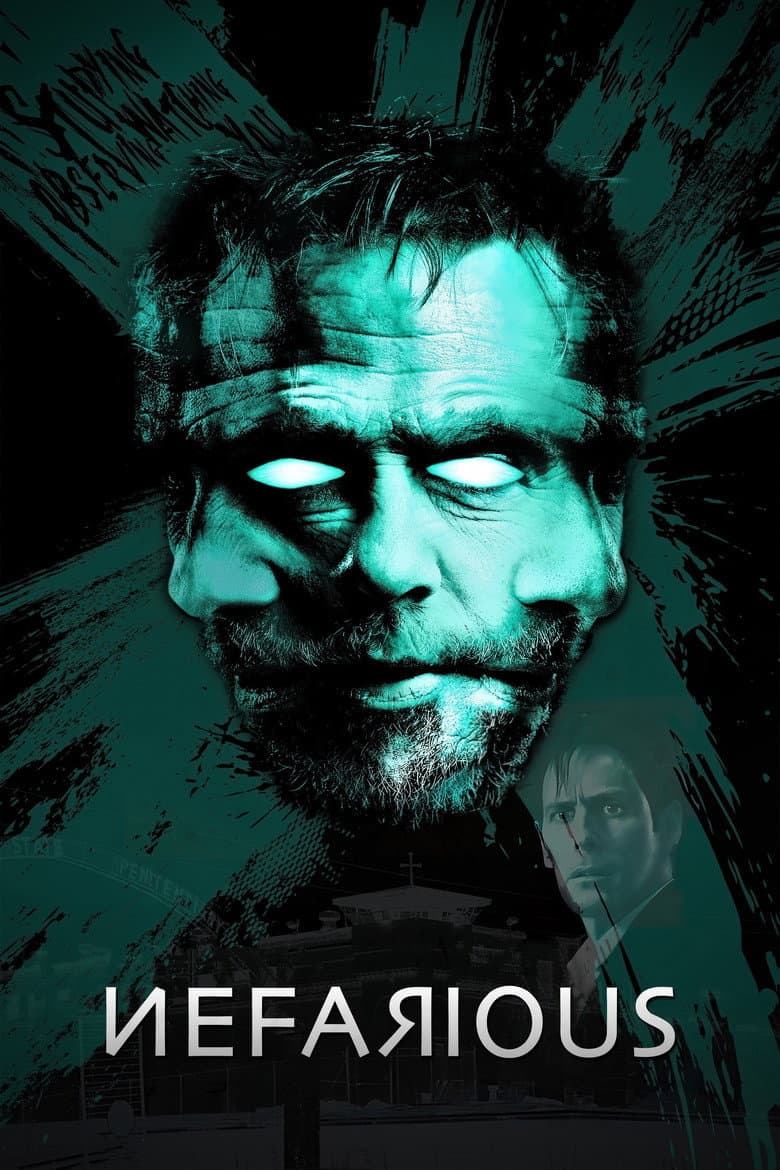
On the day of his scheduled execution, a convicted serial killer gets a psychiatric evaluation during which he claims he is a demon, and further claims that before their time is…

Movie · 2018
An up-and-coming journalist finds his world and faith increasingly challenged when he's granted the interview of a lifetime – with someone who claims to be God.
Movie · 2018
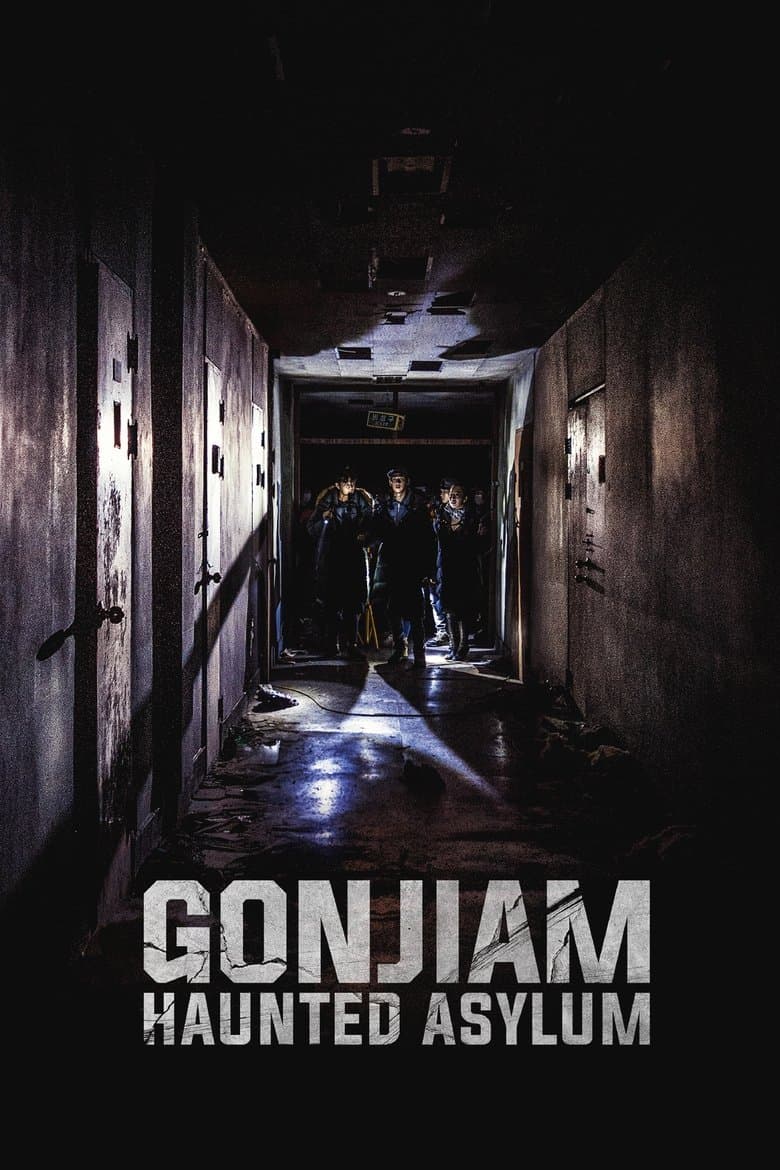
The crew of a horror web series travels to an abandoned asylum for a live broadcast, but they encounter much more than expected as they move deeper inside the nightmarish old…

Movie · 2016
A stranger arrives in a little village and soon after a mysterious sickness starts spreading. A policeman is drawn into the incident and is forced to solve the mystery in order to…
Movie · 2016
A young, lonely woman is consumed by her deepest and darkest desires after tragedy strikes her quiet country life.
Movie · 2018
A disgraced children's puppeteer returns to his childhood home and is forced to confront his wicked stepfather and the secrets that have tortured him his entire life.
