
Stronger follows Jeff Bauman, a working-class man from Boston who loses both legs in the 2013 marathon bombing. Jeff helps police identify one of the attackers, then faces painful treatment, new prosthetic legs, and the public fame that follows. His troubled relationship with Erin and his difficult home life make recovery harder. The movie is serious, raw, and sometimes darkly funny.
The film gives Erin a clear voice instead of making her only a supportive girlfriend. A brief scene identifies Jeff's Costco boss as gay, and the boss later receives support from Jeff's family and friends. Jeff's disability is central, but an able-bodied actor plays him in the lead role. The film also questions the public habit of calling Jeff a hero and using the Boston Strong slogan to cover deep trauma. These ideas touch on empowerment, acceptance, representation, public pressure, and male vulnerability, but they stay tied to Jeff's recovery rather than becoming a political message.
Community feedback
Was our 26% Woke rating accurate?
Breakdown
These are the editorial factors and ratings behind our score for Stronger.
Woke representation / casting
Stronger puts a disabled survivor in the lead, but an able-bodied actor plays Jeff. That choice does not match the real person's disability. Kevin, Jeff's gay Costco boss, appears in a few supporting scenes. Erin and Patty also receive more attention than a basic love interest and mother role. The casting has a noticeable identity signal, but it is not a diversity-first pattern across the main cast.
30%
Woke political dialogue
Jeff's friends use anti-gay slurs in an early bar scene. Jeff says his Costco boss is gay and objects when the group uses one of the slurs. Kevin later appears as an accepted and helpful member of the group. This gives the movie a brief spoken message of acceptance, but the message is not a major debate or speech.
17%
Identity-driven story themes
Erin is written as more than a helper for Jeff. She tells him that his pain has hurt the people around him, and she leaves when the relationship becomes too much. The story also shows Jeff's shame about not feeling like a man after losing his legs. Kevin's small story adds ordinary gay representation and acceptance. These ideas appear in several scenes, but Jeff's trauma and recovery remain the main focus.
20%
Western institutional / cultural critique
Not present. The film criticizes the media and public pressure around Jeff's hero image, but it does not turn that issue into a modern attack on Western institutions, capitalism, religion, or traditional family life.
0%
Woke character or canon changes
Not relevant. The film adapts a memoir about a real survivor and does not make a known race, gender, sexuality, or hero-role change to Jeff or another established character. The story's time cuts and added scenes are ordinary adaptation choices.
0%
Anti-woke backlash and complaints
Not present. The supplied X search found no anti-woke reaction, and news and Reddit discussion showed no clear claim that the movie pushed woke or identity politics messages. The reported casting dispute argued for more disabled actors, not against woke content.
0%
Creator track record context
David Gordon Green has no activist or identity-driven track record in the cached profile. John Pollono writes about working-class life and masculinity, but he has no strong public DEI persona. Jake Gyllenhaal has voiced general liberal and environmental views, while most producers have no identity-politics record. Producer Riva Marker used empowerment language while discussing the women in this movie, but the film keeps that idea inside a small relationship story. The creator context adds only a mild signal.
17%
Production
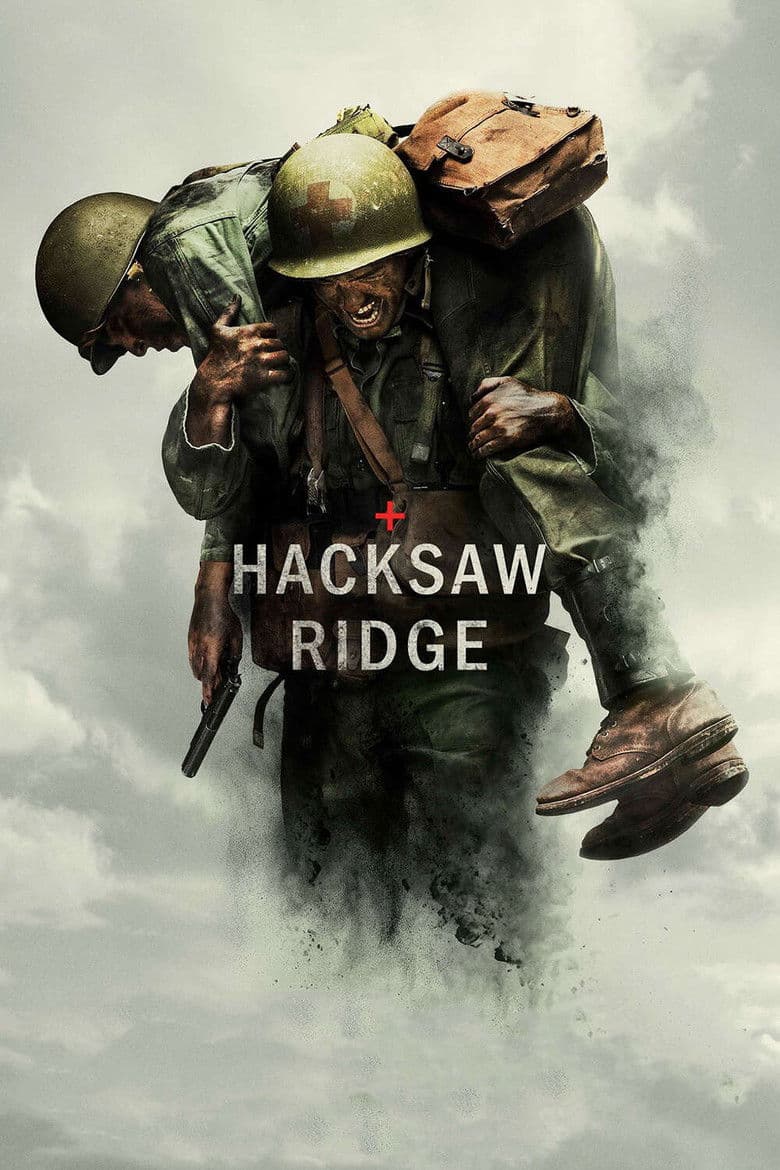
Movie · 2016
WWII American Army Medic Desmond T. Doss, who served during the Battle of Okinawa, refuses to kill people and becomes the first Conscientious Objector in American history to…

Movie · 2016
After his older brother passes away, Lee Chandler is forced to return home to care for his 16-year-old nephew.
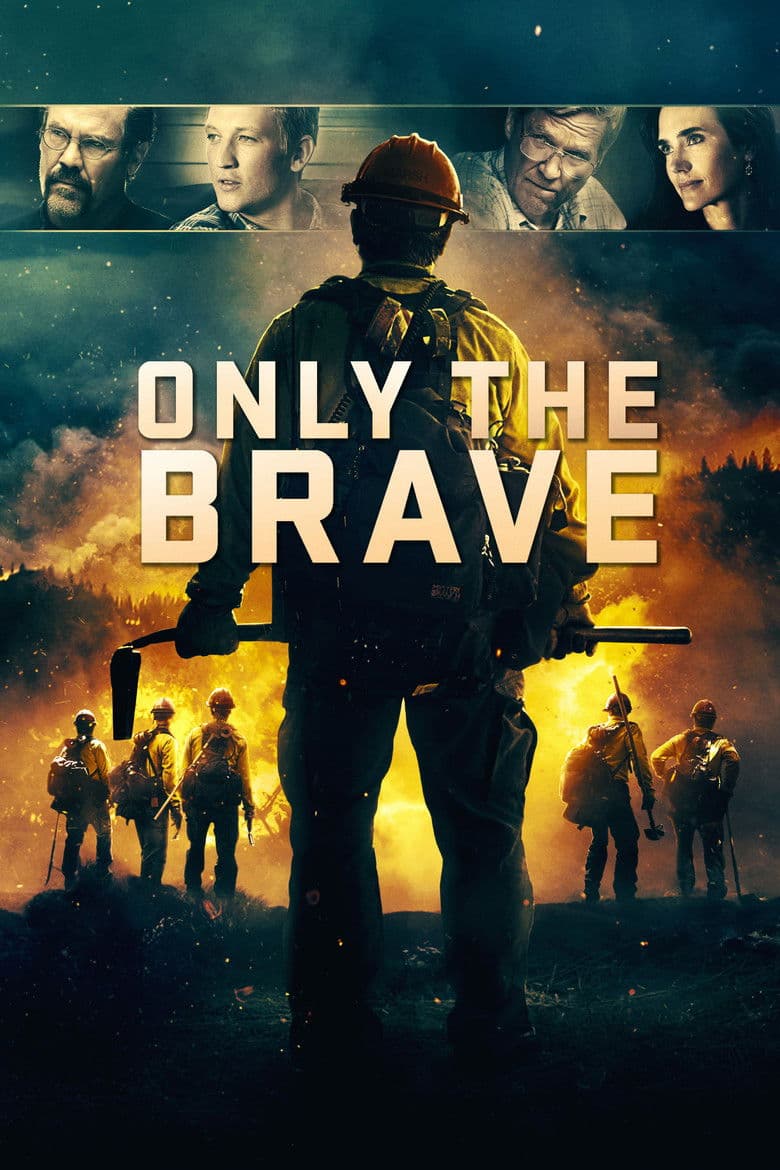
Movie · 2017
Members of the Granite Mountain Hotshots battle deadly wildfires to save an Arizona town.
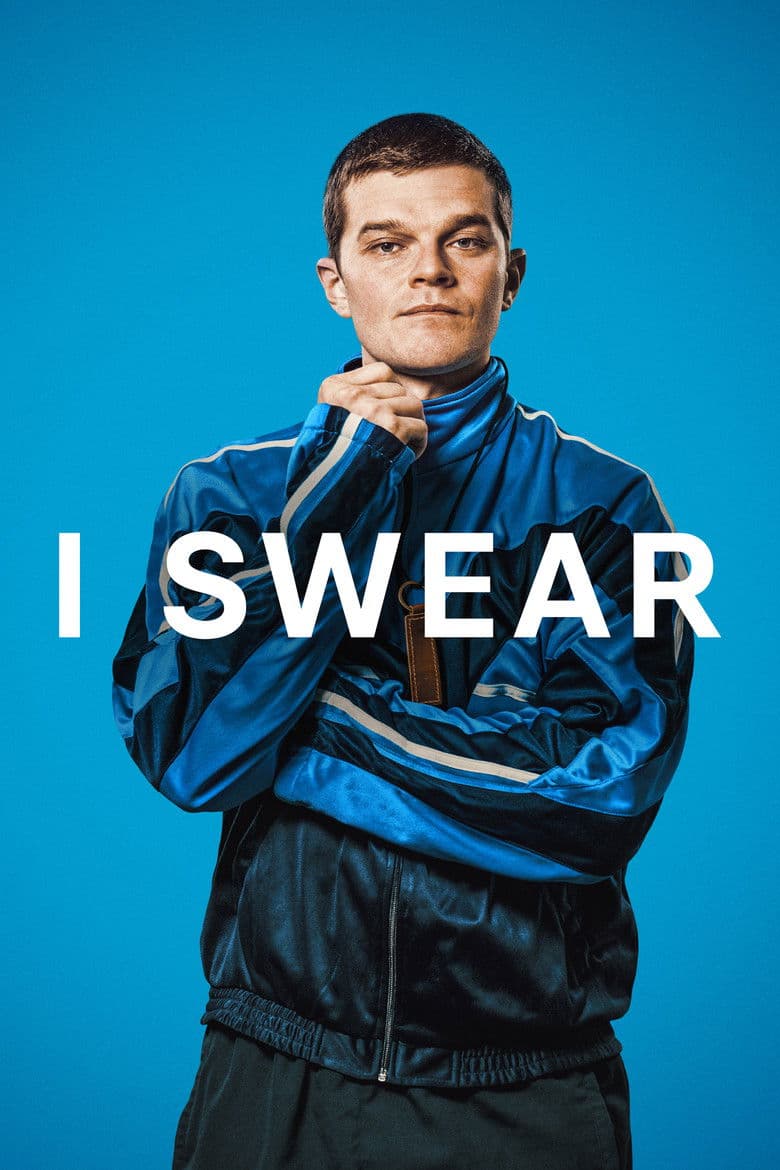
Movie · 2025
Diagnosed with Tourette Syndrome at 15, John Davidson navigates his way against the odds through troubled teenage years and into adulthood, finding inspiration in the kindness of…
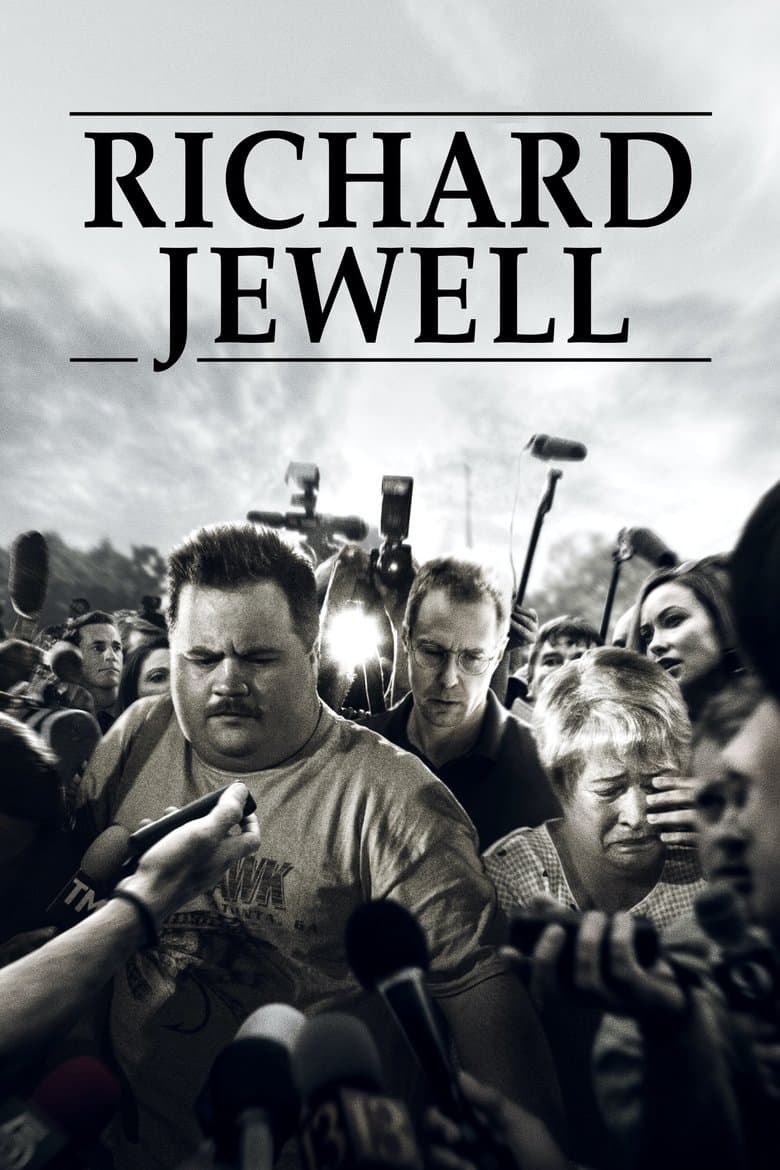
Movie · 2019
Richard Jewell thinks quick, works fast, and saves hundreds, perhaps thousands, of lives after a domestic terrorist plants several pipe bombs and they explode during a concert…
Movie · 2017
When dictator Joseph Stalin dies, his parasitic cronies square off in a frantic power struggle to become the next Soviet leader.
Movie · 2022
London, 1953. Mr. Williams, a veteran civil servant, is an important cog within the city's bureaucracy as it struggles to rebuild in the aftermath of World War II.

Movie · 2018
A man and a woman meet in the ruins of post-war Poland. With vastly different backgrounds and temperaments, they are fatally mismatched and yet drawn to each other.
