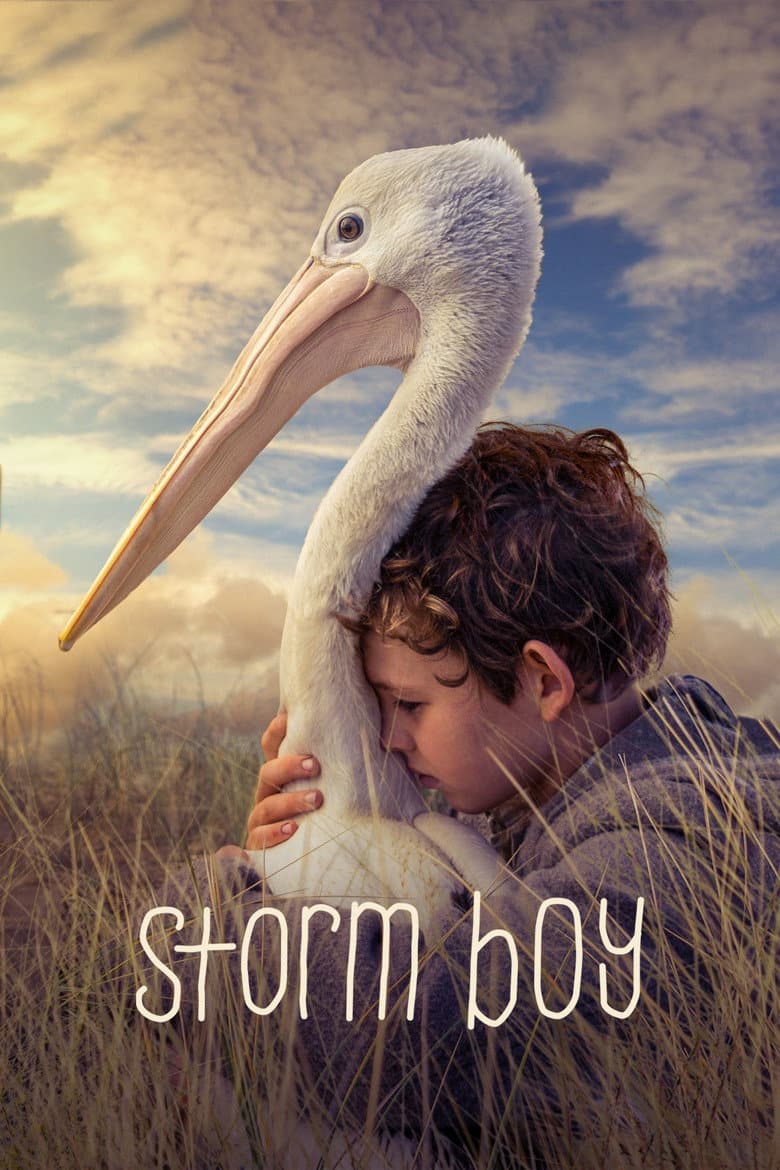
Young Michael Kingley lives with his quiet father in a small shack on the lonely coast of South Australia in the late 1950s. He rescues three baby pelicans after hunters kill their mother, and he becomes especially close to Mr. Percival. An older Michael later tells the story to his angry granddaughter while his family faces a fight over a mining deal. The film is gentle and sad, with strong scenes of friendship, family pain, loss, and wild nature.
The modern story gives a large place to environmental activism and Indigenous land concerns. Maddy strongly opposes her father's mining plan, calls out her grandfather, and helps push him to act. The film presents Fingerbone Bill as a guide who teaches Michael about the land, animals, and Ngarrindjeri culture. These ideas are repeated through protests, boardroom conflict, and the final decision, but the main emotional focus stays on the boy and the pelican.
Community feedback
Was our 52% Woke rating accurate?
Breakdown
These are the editorial factors and ratings behind our score for Storm Boy.
Woke representation / casting
Not present. The film uses an Indigenous character in a story set on land tied to Ngarrindjeri culture. The casting fits the story world and does not use a diversity-first lead group or identity-swapped hero.
0%
Woke political dialogue
Protesters chant against mining in the Pilbara. Maddy says the deal will ruin waterways and destroy Indigenous homelands. She calls Michael gutless when he will not stop the plan. The lines are clear activist-style speech, but they stay within the modern frame story.
34%
Identity-driven story themes
The film adds a present-day fight over mining, Indigenous homelands, and protection of nature. Maddy acts as a young environmental campaigner who pressures her grandfather to use his company power. Fingerbone Bill teaches Michael that the land and birds deserve care. These ideas shape the frame story and ending, while the boy’s friendship with Mr. Percival remains the main emotional center.
44%
Western institutional / cultural critique
The film presents a wealthy family company as ready to lease land for mining despite possible harm to waterways and Indigenous homelands. Maddy and the protesters challenge the board’s power and its claim that local communities support the plan. The story links business success with Michael’s regret about leaving nature behind. The criticism targets one mining decision rather than Western society or family life as a whole.
36%
Woke character or canon changes
The adaptation adds Maddy, a teenage granddaughter who drives the present-day mining fight and pressures Michael to act. The new role gives a young woman a major part in the film’s modern conflict and changes the source story’s hero focus. Michael and Fingerbone Bill keep their established identities.
24%
Anti-woke backlash and complaints
Movieguide called the modern plot environmentalist political advocacy and said it treats capitalism as a threat to the planet. The review also objected to the positive display of Indigenous earth-based ritual. One deleted Reddit complaint described the film as anti-family and woke propaganda. X research found no anti-woke posts, so the wider backlash appears small and fringe.
24%
Creator track record context
Shawn Seet’s cached record includes repeated work about cultural identity and Indigenous or multicultural Australian stories. Seet also linked this film to land rights and respectful Indigenous detail. Colin Thiele had environmental concerns but little modern identity politics, while Justin Monjo had no clear activist record. Most producers show little public activist activity.
30%
Production
Movie · 2019
Simba idolizes his father, King Mufasa, and takes to heart his own royal destiny. But not everyone in the kingdom celebrates the new cub's arrival.

Movie · 2019
A dog finds the meaning of his own existence through the lives of the humans he meets.

Movie · 2023
When his beloved dog goes missing, a young man embarks on an incredible search with his parents to find him and give him life-saving medication.
Movie · 2022
The unlikely friendship of a boy, a mole, a fox and a horse traveling together in the boy's search for home.
Movie · 2019
An award-winning cynical journalist, Lloyd Vogel, begrudgingly accepts an assignment to write an Esquire profile piece on the beloved television icon Fred Rogers.

Movie · 2017
A dog goes on quest to discover his purpose in life over the course of several lifetimes with multiple owners.
Movie · 2021
When Sara hears a preacher say faith can move mountains, she starts praying. Suddenly people in her town are mysteriously healed!

Movie · 2018
Two school kids strike up a friendship with an orphaned puppy named Benji. When danger befalls them and they end up kidnapped by robbers who are in over their heads, Benji and his…
