
Bailey is an old dog who lives with Ethan, Hannah, and their young granddaughter, C.J., on a farm in Michigan. When C.J.'s mother, Gloria, takes the girl away, Bailey promises Ethan that he will protect C.J. through every new life. Bailey returns as several dogs and follows C.J. from childhood to New York, where she tries to become a singer. The film mixes family drama, danger, humor, grief, and a gentle fantasy about dogs being reborn.
The clearest identity-focused parts are C.J.'s confidence story and the casting of her Asian male best friend as her main love interest. Her mother attacks her looks, and an abusive boyfriend frightens her, while C.J. slowly finds support, love, and a music career. The story treats C.J.'s growth as a call for a young woman to trust herself and follow her music dream. Trent's identity is not part of the plot, so the casting signal remains limited. The strongest messages still concern family, loyalty, love, and the bond between people and dogs.
Community feedback
Was our 18% Woke rating accurate?
Breakdown
These are the editorial factors and ratings behind our score for A Dog's Journey.
Woke representation / casting
The film gives Henry Lau a prominent role as Trent, C.J.'s best friend and eventual husband. Trent is an Asian male romantic lead opposite the film's white female lead, and entertainment coverage called that casting unusual in Hollywood and important to Lau. The story does not make Trent's ethnicity part of his backstory or the plot. This creates a clear but limited audience-visible representation signal.
22%
Woke political dialogue
Not present. Bailey's narration talks about purpose, love, death, and family. The characters do not give political speeches or push current activist ideas.
0%
Identity-driven story themes
The film gives much of its human story to C.J., a young woman whose mother attacks her looks and whose boyfriend assaults her. C.J. later gains confidence, follows her music goal, and builds a life on her own choices. The story presents this as a mild female-empowerment message. The message stays personal and does not become a wider political argument.
15%
Western institutional / cultural critique
Not present. The film shows an abusive boyfriend and a troubled mother as personal villains. It does not make a wider claim about men, family life, religion, or Western institutions.
0%
Woke character or canon changes
Not relevant. The film is a sequel and a book adaptation, but its changes serve the family plot. No woke or identity-driven rewrite of a known character or real figure is shown.
0%
Anti-woke backlash and complaints
Not present. No relevant complaints found. The supplied X research found no anti-woke reaction, complaint, defense, or campaign. Wider coverage focused on sentimentality, family drama, and the earlier film's animal-treatment dispute.
0%
Creator track record context
The supplied creator records show mostly low woke scores among the writers, director, producer, and casting director. Cathryn Michon has some feminist and body-image work, while Gail Mancuso has a mild female-empowerment focus in title-related interviews. The group has no strong record of activist, identity-driven, or DEI-focused work. This is a low creator track record signal.
14%
Production

Movie · 2023
When his beloved dog goes missing, a young man embarks on an incredible search with his parents to find him and give him life-saving medication.

Movie · 2018
Two school kids strike up a friendship with an orphaned puppy named Benji. When danger befalls them and they end up kidnapped by robbers who are in over their heads, Benji and his…

Movie · 2017
A dog goes on quest to discover his purpose in life over the course of several lifetimes with multiple owners.
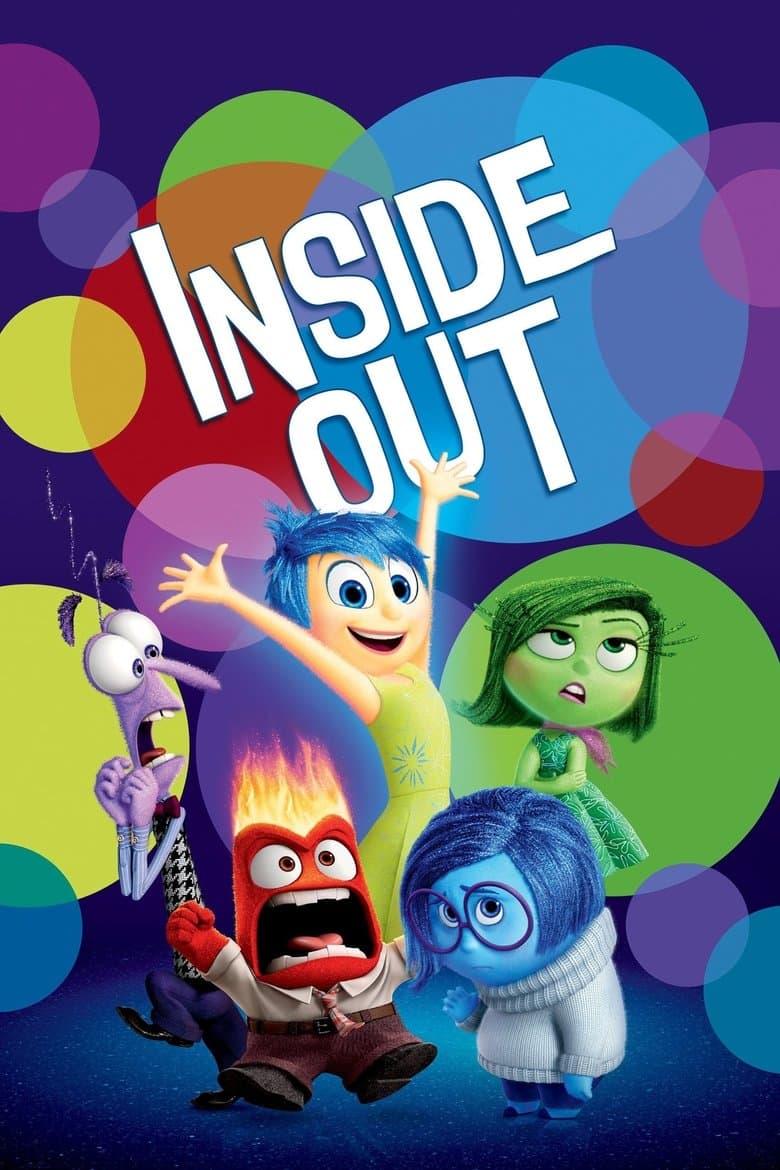
Movie · 2015
When 11-year-old Riley moves to a new city, her Emotions team up to help her through the transition. Joy, Fear, Anger, Disgust and Sadness work together, but when Joy and Sadness…
Movie · 2021
To save their cash-strapped orphanage, a guardian and his kids partner with a washed-up boat captain for a chance to win a lucrative fishing competition.
Movie · 2024
When David Smallbone's successful music company collapses, he moves his family from Australia to the United States in search of a brighter future.
Movie · 2024
19 year old Isaiah Wright lives for basketball and video games. A year out of high school, he has no job, no plans, and no idea how to be a man.

Movie · 2024
The Herdman kids are undeniably the worst kids in the history of the world. They lie, steal, cheat, bully and overall terrorize their small community.
