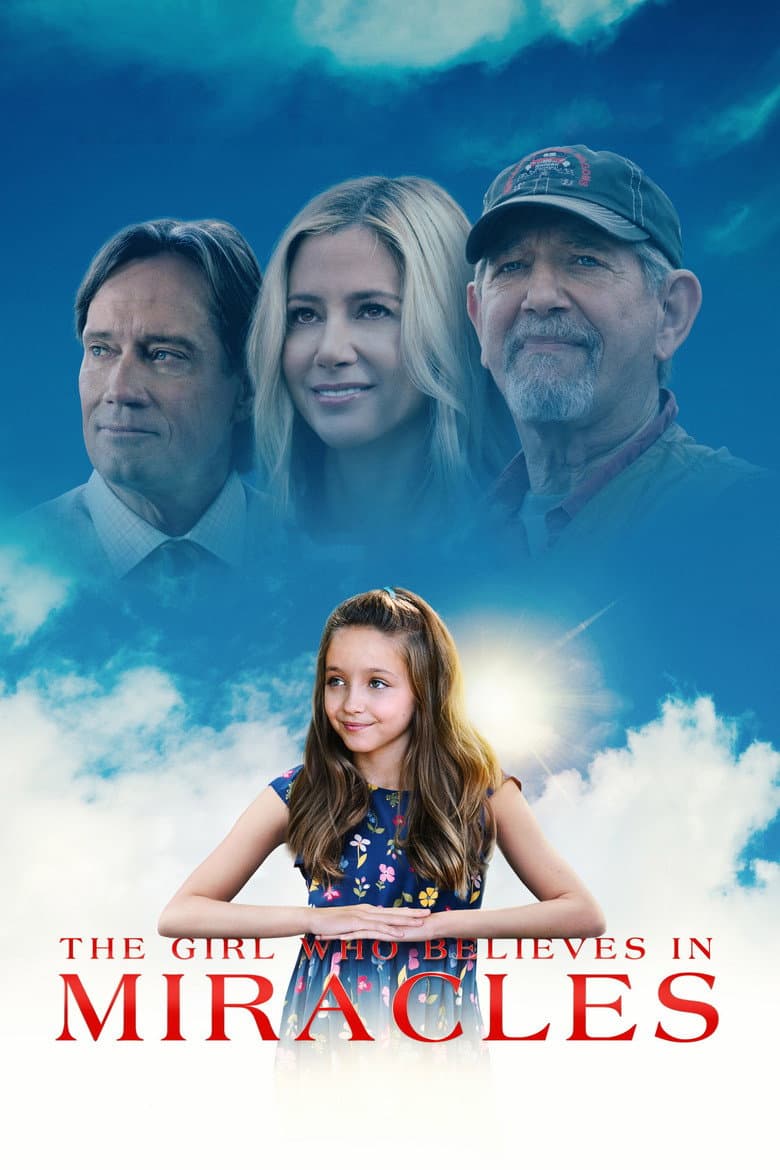
Sara Hopkins is a kind young girl who takes church teaching about faith at full value. After she hears that faith can move mountains, she prays with real trust, and strange healings begin in her small town. Animals and sick people get better, and news of her gift spreads fast. The story is a warm, sad-hopeful family drama about faith, fame’s pressure, and a family trying to protect the girl they love.
This is a clear Christian faith movie about prayer, miracles, and trusting God. Viewers see church, prayer, a vision of Jesus, and people healed through faith. The main themes are mustard-seed belief, family love, and hope when life is hard. Supporting roles include people of different races and a friend who uses a wheelchair, but the movie does not push race or gender politics as its point. The real engine of the story is Christian belief, not modern activist messaging.
Community feedback
Was our 6% Woke rating accurate?
Breakdown
These are the editorial factors and ratings behind our score for The Girl Who Believes in Miracles.
Woke representation / casting
Supporting cast includes a black best friend who uses a wheelchair and some Latino characters. They matter to the miracle plot, but the film does not sell itself as quota casting or identity showcase. Lead family and core story stay ordinary small-town faith drama. Diversity is light and mostly in the background.
10%
Woke political dialogue
Talk centers on prayer, God, faith, church, and family worry. No modern activist lectures about race, gender, sexuality, or DEI-style politics.
0%
Identity-driven story themes
Core themes are Christian faith, miracles, fame’s cost, and family love. Story does not turn on race, gender ideology, or queer identity politics.
0%
Western institutional / cultural critique
Church and family are treated as good. A doctor doubts miracles for science reasons, and someone wonders why God allows pain. That is faith-vs-doubt talk, not a modern hit piece on “toxic” tradition, patriarchy, or Western life.
0%
Woke character or canon changes
Not relevant. Original faith story inspired by a real family medical crisis, not identity-driven rewrites of known characters or history.
0%
Anti-woke backlash and complaints
No clear wave of right-leaning or anti-woke complaints that this movie pushes woke, DEI, or identity politics. Public talk treats it as a standard Christian drama.
0%
Creator track record context
Key creatives score very low in cached profiles (mostly 0–10). Work and statements around this title point to Christian inspiration and family production, not progressive identity activism.
4%
Production
Movie · 2025
From the songs of his mother’s heart to the whispers of a faithful God, David’s story begins in quiet devotion.
Movie · 2024
When David Smallbone's successful music company collapses, he moves his family from Australia to the United States in search of a brighter future.

Movie · 2017
The film follows a man with an unwanted gift for healing who meets a teenager with cancer who helps him to find himself.
Movie · 2016
The incredible true story of the greatest walk-on in the history of college football.

Movie · 2017
The behind the scenes story of the life of A.A. Milne and the creation of the Winnie the Pooh stories inspired by his son Christopher Robin.

Movie · 2024
The Herdman kids are undeniably the worst kids in the history of the world. They lie, steal, cheat, bully and overall terrorize their small community.
Movie · 2020
Second chances start when a hardened criminal crosses paths with a precocious little girl who is helped by an angel to change hearts during the holiday season.
Movie · 2024
19 year old Isaiah Wright lives for basketball and video games. A year out of high school, he has no job, no plans, and no idea how to be a man.
