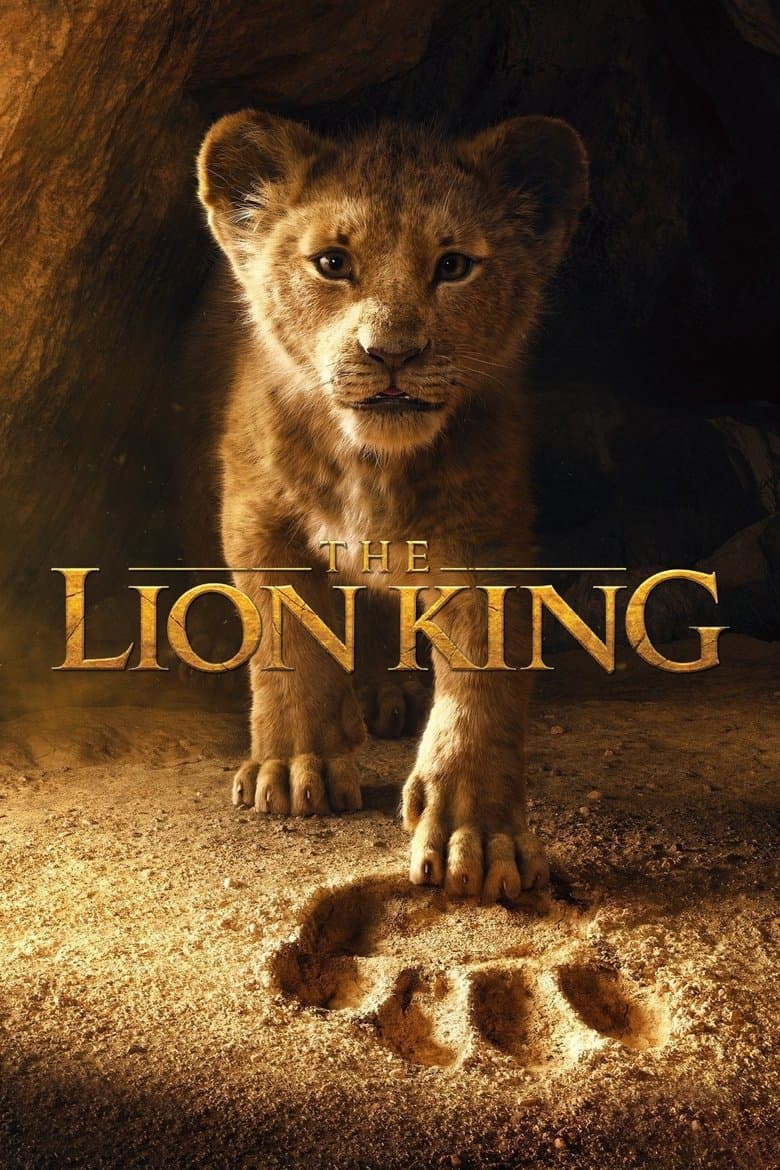
Movie review
July 12, 2019 · 118 min · PG · Kids · Animation · Adventure · Family · Drama
The 2019 Lion King is a photorealistic CGI remake of Disney’s 1994 animated classic that follows young Simba’s exile after his father Mufasa’s death and his eventual return to reclaim the throne from his uncle Scar. The story centers on themes of responsibility, family legacy, betrayal, and the natural circle of life in an African savanna setting. No modern identity politics, activist dialogue, or social-justice messaging appear in the narrative, marketing, or visible production choices.
Community feedback
Was our 20% Woke rating accurate?
Breakdown
These are the editorial factors and ratings behind our score for The Lion King.
Woke representation / casting
Predominantly black voice actors fill the central lion royal family and Rafiki in an explicitly African setting that matches the premise; the shift from the original mixed casting drew some commentary as deliberate diversity emphasis, yet it aligns logically with geography and story world with no canon mismatches or forced reinterpretations.
18%
Woke political dialogue
No activist, identity-focused, or modern political language appears in any scenes or songs.
0%
Identity-driven story themes
The narrative stays a traditional hero’s journey of guilt, growth, and rightful rule with zero emphasis on gender, race, or identity as plot drivers.
5%
Western institutional / cultural critique
The film presents monarchy, family hierarchy, and personal responsibility in positive terms with no modern critiques of patriarchy, capitalism, toxic masculinity, or Western institutions.
0%
Woke character or canon changes
Not relevant; the adaptation remains faithful to the 1994 source without identity-driven revisions.
0%
Anti-woke backlash and complaints
A handful of conservative reviews and online commentary flagged casting and isolated tonal choices as evidence of Disney’s diversity priorities, but complaints stayed limited and were overshadowed by broader criticism of the film’s emotional emptiness.
22%
Creator track record context
Director Jon Favreau shows a clean mainstream record; casting director Sarah Halley Finn carries a clear pattern of representation-focused work; one writer (Linda Woolverton) has a feminist-leaning career, but the overall team remains commercially oriented with no dominant activist signature on this title.
28%
Production
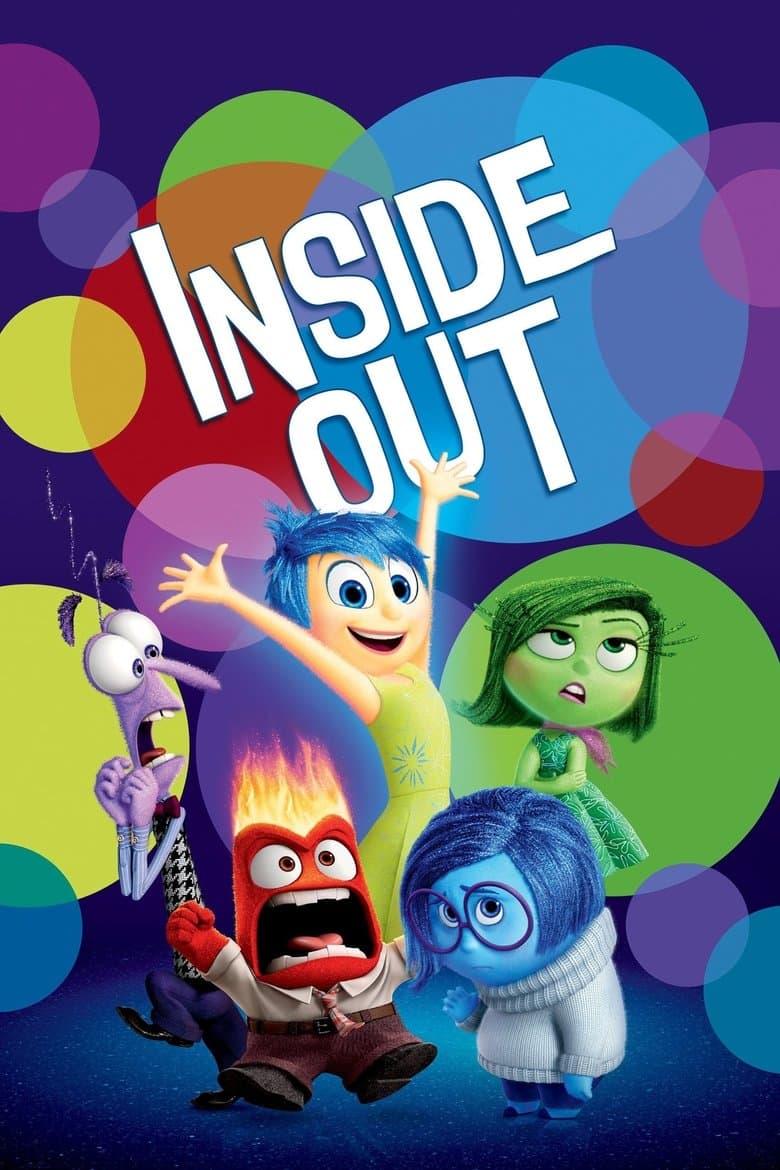
Movie · 2015
When 11-year-old Riley moves to a new city, her Emotions team up to help her through the transition. Joy, Fear, Anger, Disgust and Sadness work together, but when Joy and Sadness…
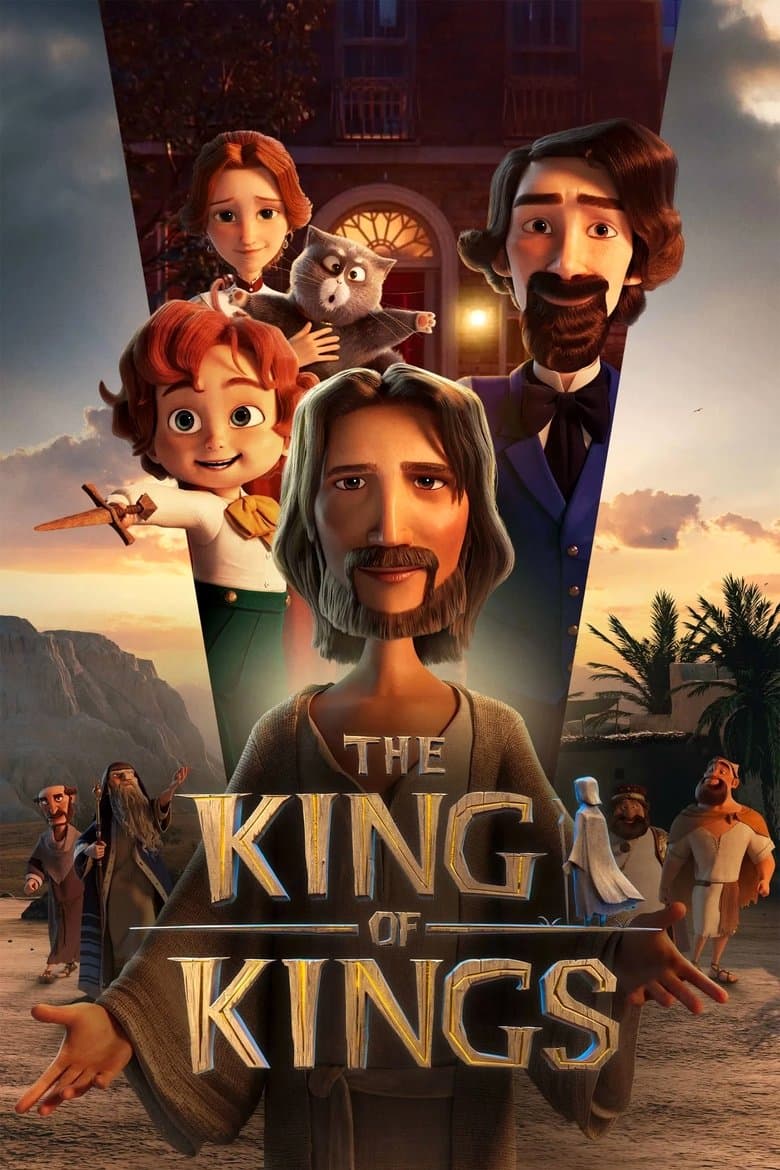
Movie · 2025
Charles Dickens tells his young son Walter the greatest story ever told, and what begins as a bedtime tale becomes a life-changing journey.
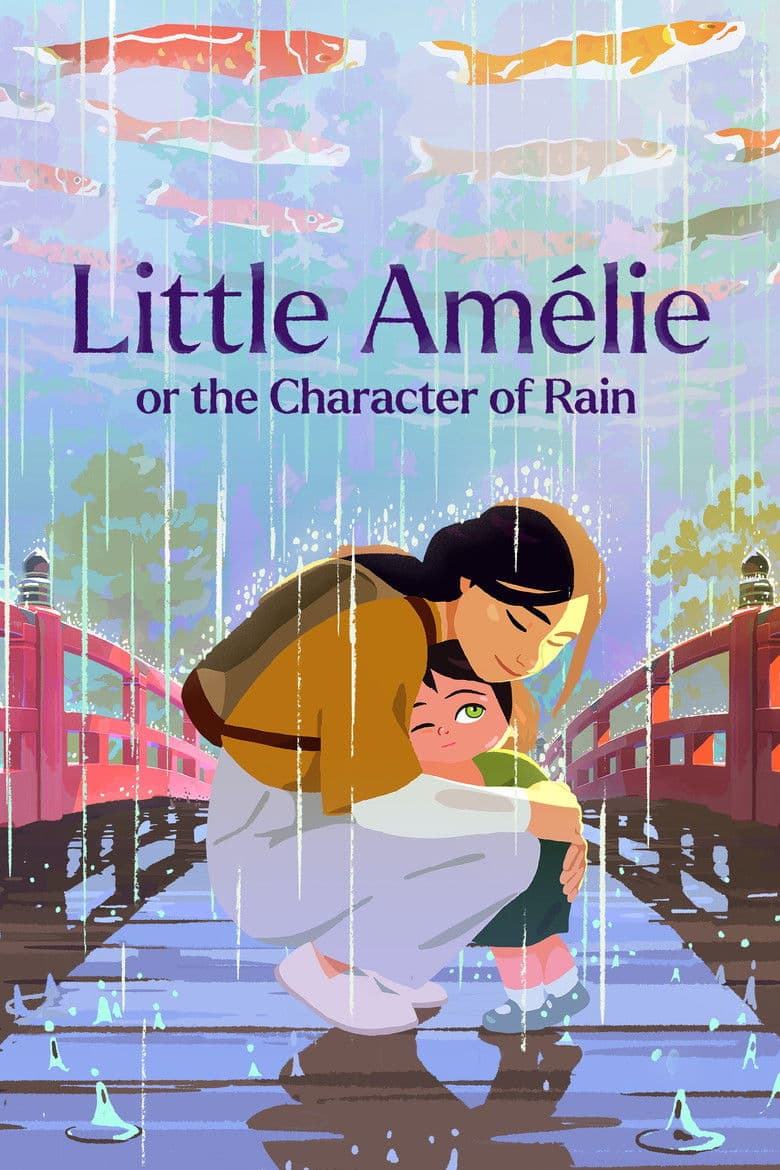
Movie · 2025
The world is a perplexing, peaceful mystery to Amélie until a miraculous encounter with chocolate ignites her wild sense of curiosity.
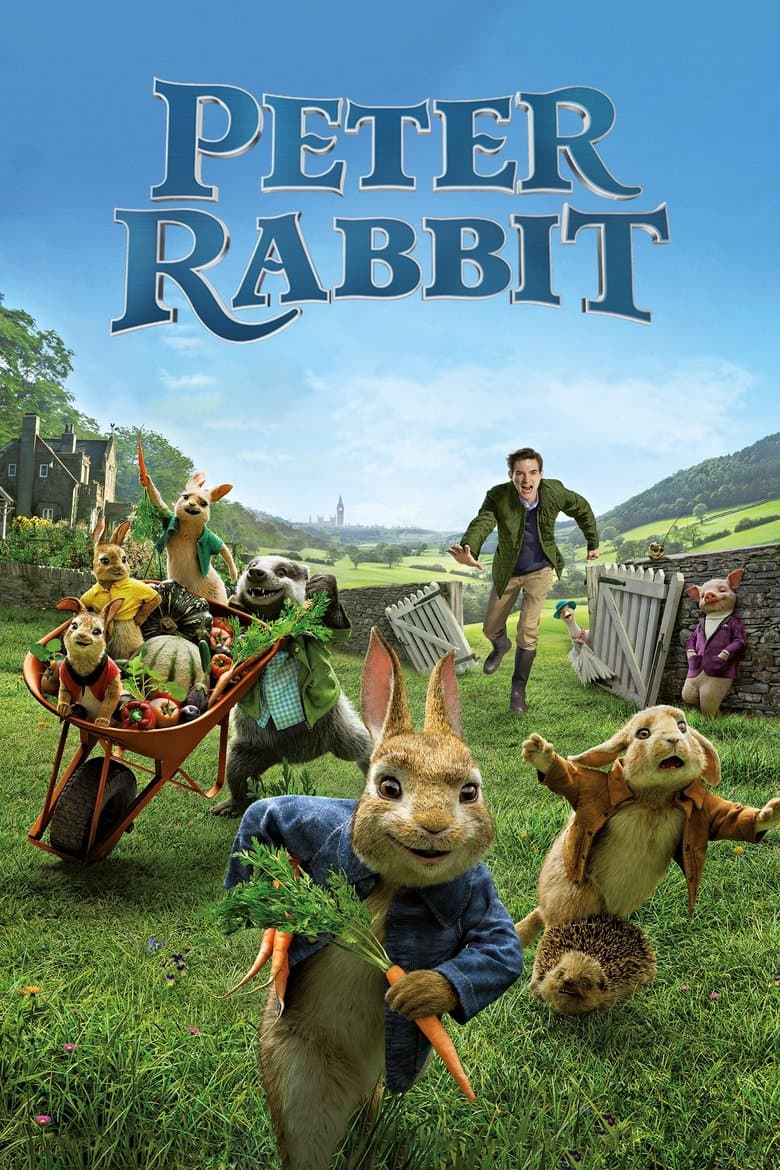
Movie · 2018
Peter Rabbit's feud with Mr. McGregor escalates to greater heights than ever before as they rival for the affections of the warm-hearted animal lover who lives next door.
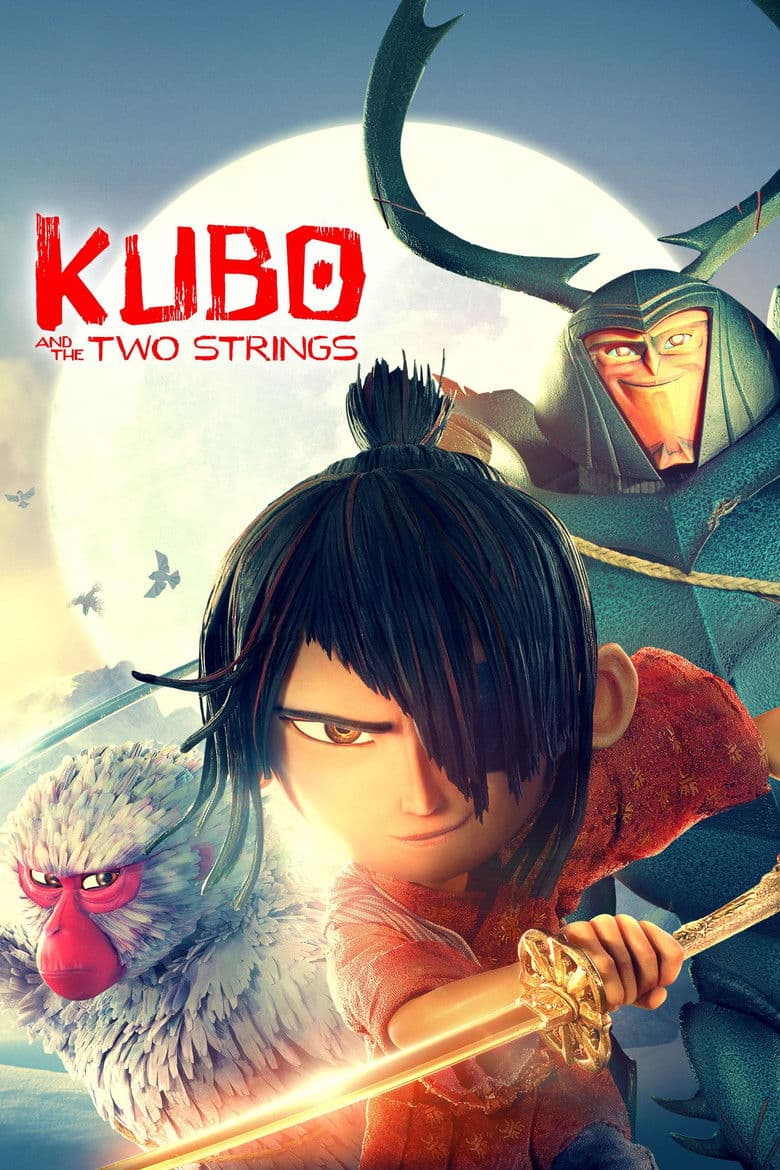
Movie · 2016
Kubo mesmerizes the people in his village with his magical gift for spinning wild tales with origami. When he accidentally summons an evil spirit seeking vengeance, Kubo is forced…
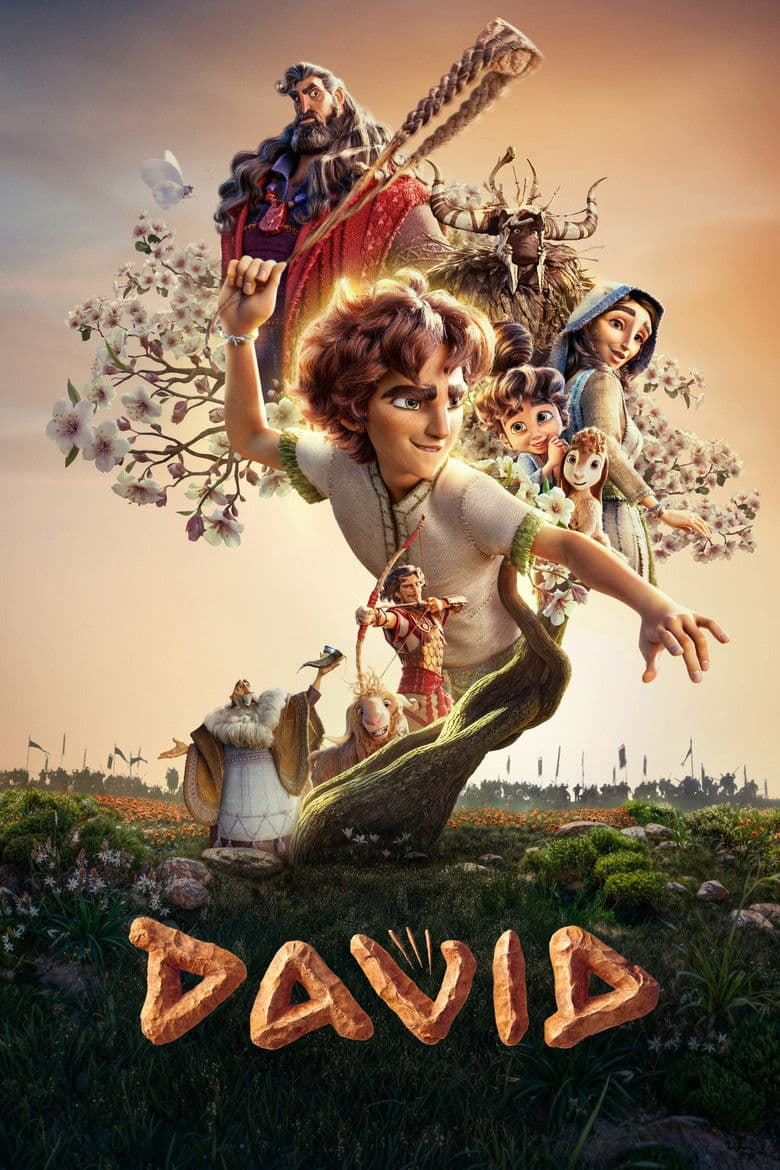
Movie · 2025
From the songs of his mother’s heart to the whispers of a faithful God, David’s story begins in quiet devotion.
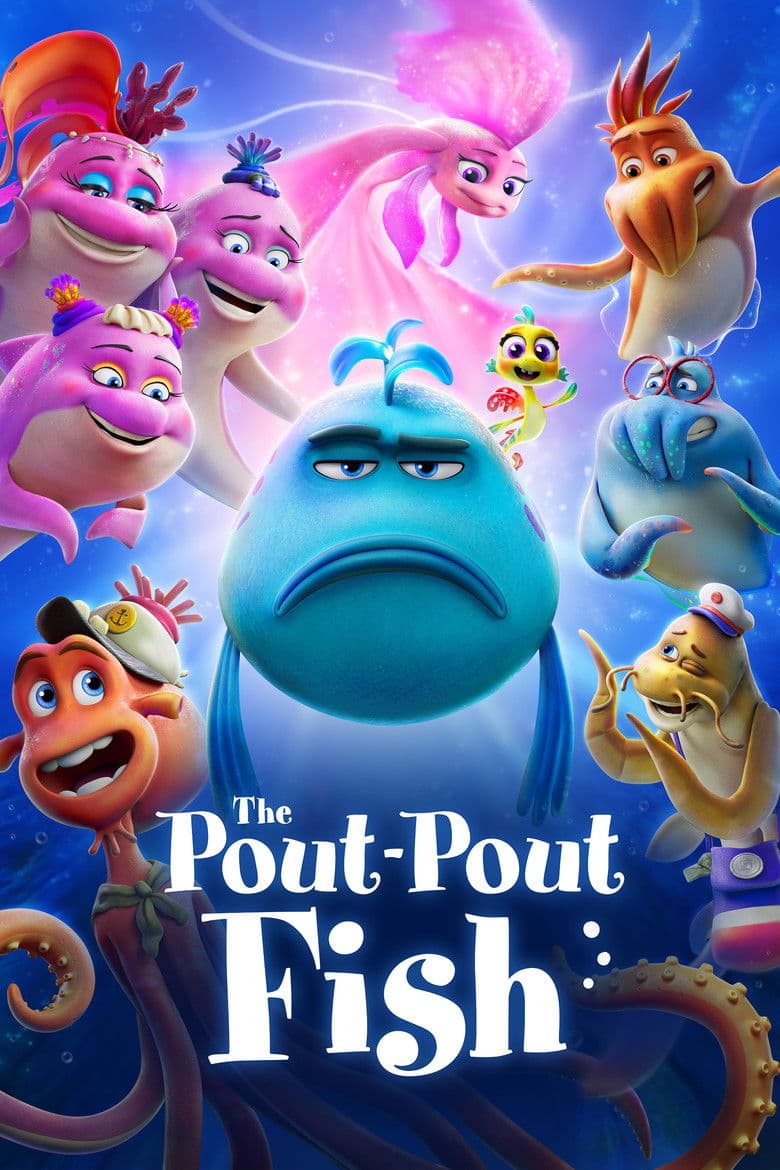
Movie · 2026
Living on a rundown shipwreck, Mr. Fish one day discovers a hyperactive young sea dragon Pip – who had mistaken his home for a junkyard – pilfering his belongings.
Movie · 2019
It's been ten years since the dragons moved to the Hidden World, and even though Toothless doesn't live in New Berk anymore, Hiccup continues the holiday traditions he once shared…
