
Benji is a stray puppy who survives after dog catchers take away his mother and the other puppies. He finds Carter and Frankie, a brother and sister in New Orleans who are still grieving their dead father. Their mother, Whitney, works long hours as an ambulance driver and does not want another mouth to feed. When robbers kidnap the children after a failed robbery, Benji follows them and tries to bring them home. The movie is a warm family adventure with scary danger, animal harm, and crime.
Benji helps the children face loss, fear, and the pain of feeling unwanted. Carter and Frankie show loyalty by caring for a stray dog, while Whitney learns to trust the bond between them. The family uses prayer during grief and danger, and the ending links love, faith, and a safe home with healing. The remake changes the earlier film’s single father into a single working mother, but that change stays inside the family story rather than becoming a debate about gender.
Community feedback
Was our 6% Woke rating accurate?
Breakdown
These are the editorial factors and ratings behind our score for Benji.
Woke representation / casting
Not present. The film uses a normal modern New Orleans mix and does not make identity a casting message. The mother works as an ambulance driver, but the story does not present her as a gender-politics symbol.
0%
Woke political dialogue
Not present. The dialogue centers on grief, family rules, prayer, crime, and rescue. The film does not use modern identity, gender, DEI, or activist lines.
0%
Identity-driven story themes
Not present. The story follows a grieving family and a loyal dog, and it values care, courage, faith, and family healing. It does not make race, gender, sexuality, or group identity a continuing story issue.
0%
Western institutional / cultural critique
Not present. The police struggle to find the children, but the film treats that as a crime plot problem rather than a modern attack on institutions. The story does not condemn family roles, religion, capitalism, or Western culture.
0%
Woke character or canon changes
The original 1974 film centers on a single father who resists keeping Benji. The remake changes that parent to Whitney, a single mother who works as an ambulance driver. The change is visible and affects a central family role, but the movie does not turn it into a message about gender. The rest of the remake keeps the stray dog, children, kidnapping, and rescue structure.
18%
Anti-woke backlash and complaints
Not present. Reviews and audience posts focus on the dog, family emotion, scary kidnapping, and simple plot. No reported complaint says the film pushes woke, DEI, identity politics, or left-wing activism. The separate X research pass found no anti-woke reaction.
0%
Creator track record context
Brandon Camp and Joe Camp have mainstream records centered on family stories and animal welfare. Jason Blum has made some political comments and Charles Cohen has used mild inclusive language in another media context. The other listed producers and the casting director have mainly commercial records. This creates a low supporting context signal, not a title-driven message.
12%
Production

Movie · 2018
Siblings Kate and Teddy try to prove Santa Claus is real, but when they accidentally cause his sleigh to crash, they have to save Christmas.

Movie · 2016
The incredible true story of the greatest walk-on in the history of college football.

Movie · 2019
A dog finds the meaning of his own existence through the lives of the humans he meets.

Movie · 2023
When his beloved dog goes missing, a young man embarks on an incredible search with his parents to find him and give him life-saving medication.
Movie · 2015
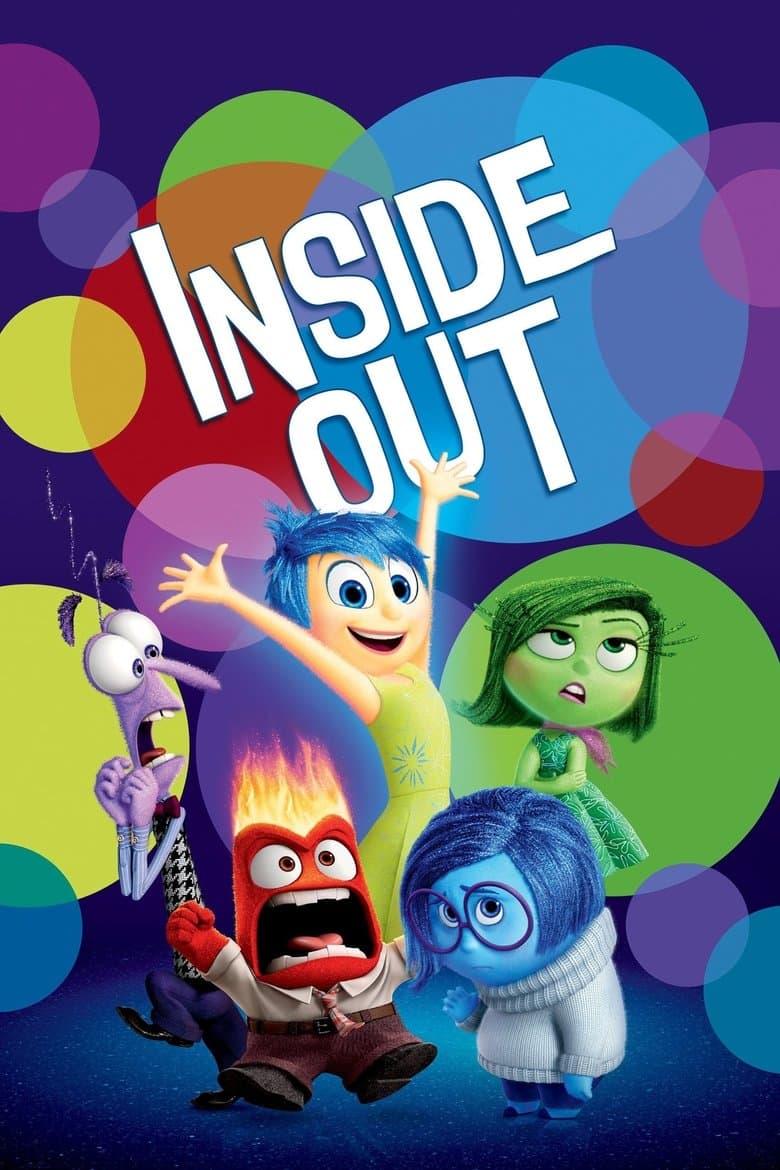
When 11-year-old Riley moves to a new city, her Emotions team up to help her through the transition. Joy, Fear, Anger, Disgust and Sadness work together, but when Joy and Sadness…

Movie · 2019
Simba idolizes his father, King Mufasa, and takes to heart his own royal destiny. But not everyone in the kingdom celebrates the new cub's arrival.

Movie · 2025
From the songs of his mother’s heart to the whispers of a faithful God, David’s story begins in quiet devotion.

Movie · 2019
The untold true story set in the winter of 1925 that takes you across the treacherous terrain of the Alaskan tundra for an exhilarating and uplifting adventure that will test the…
