Movie review
January 19, 2017 · 100 min · PG · Kids · Fantasy · Comedy · Adventure · Family · Drama
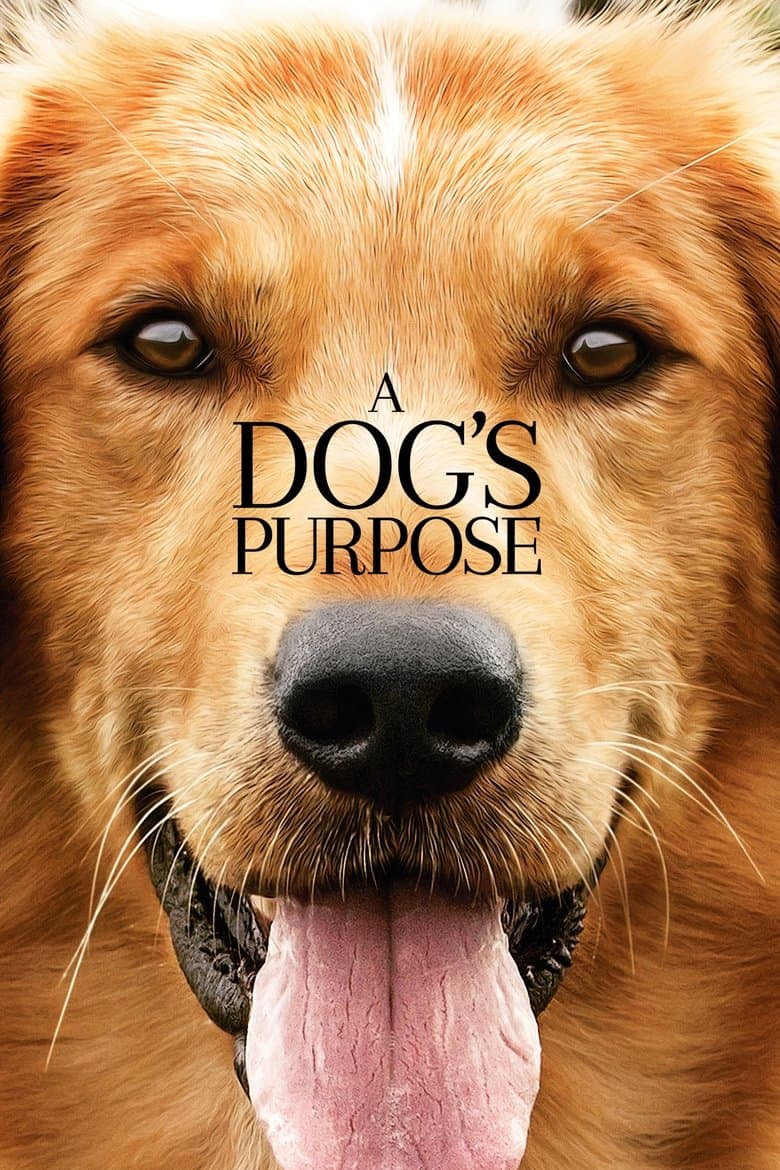
A Dog's Purpose is a 2017 family adventure film that follows a devoted dog through multiple reincarnations as he bonds with different human owners over decades and gradually discovers his purpose in bringing love and joy to people. The story draws from W. Bruce Cameron's novel and highlights themes of loyalty, grief, companionship, and living in the present. No audience-visible woke elements such as identity politics, political messaging, or representation-driven plots appear in the narrative or marketing.
Community feedback
Was our 10% Woke rating accurate?
Breakdown
These are the editorial factors and ratings behind our score for A Dog's Purpose.
Woke representation / casting
Minor supporting roles filled by actors of color in natural, non-symbolic positions that align with the story's contemporary American settings; no visible identity signaling or emphasis on diversity as a theme.
12%
Woke political dialogue
The film contains no political, activist, or ideological dialogue; conversations revolve around personal relationships, family issues, and the dog's simple observations on life.
0%
Identity-driven story themes
Core narrative explores universal human experiences of love, loss, purpose, and companionship through a dog's reincarnations; no focus on race, gender, sexuality, or identity-based conflicts or messaging.
0%
Western institutional / cultural critique
Portrayals of family dysfunction, personal struggles, and law enforcement appear in context-appropriate ways without modern activist framing of systemic issues, patriarchy, or cultural institutions.
0%
Woke character or canon changes
Not relevant; this is an original story adaptation without alterations to established characters or historical figures for ideological reasons.
0%
Anti-woke backlash and complaints
No documented right-leaning or anti-identity-politics complaints accusing the film of pushing woke agendas; public debate centered exclusively on animal welfare during production.
0%
Creator track record context
Several writers bring mild to moderate feminist or social justice elements from other projects (notably Audrey Wells' work on The Hate U Give and feminist themes, Cathryn Michon's empowerment-focused writing), tempered by lead creator W. Bruce Cameron's faith-based, non-political approach and director Lasse Hallström's humanistic style; overall track record does not dominate or appear in this title's content.
22%
Production

Movie · 2020
The previously untold origins of Olaf, the innocent and insightful, summer-loving snowman are revealed as we follow Olaf’s first steps as he comes to life and searches for his…

Movie · 2018
Siblings Kate and Teddy try to prove Santa Claus is real, but when they accidentally cause his sleigh to crash, they have to save Christmas.
Movie · 2017
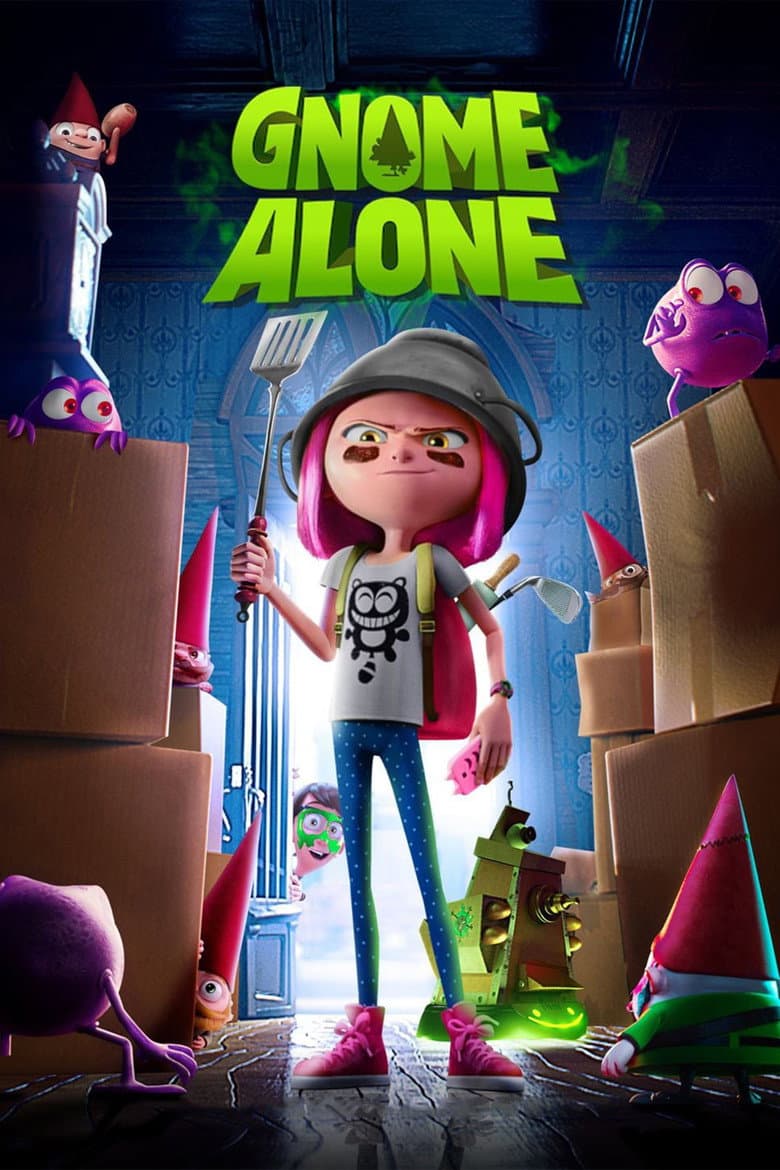
When Chloe discovers that her new home's garden gnomes are not what they seem, she must decide between the pursuit of a desired high school life and taking up the fight against…

Movie · 2019
A dog finds the meaning of his own existence through the lives of the humans he meets.
Movie · 2015
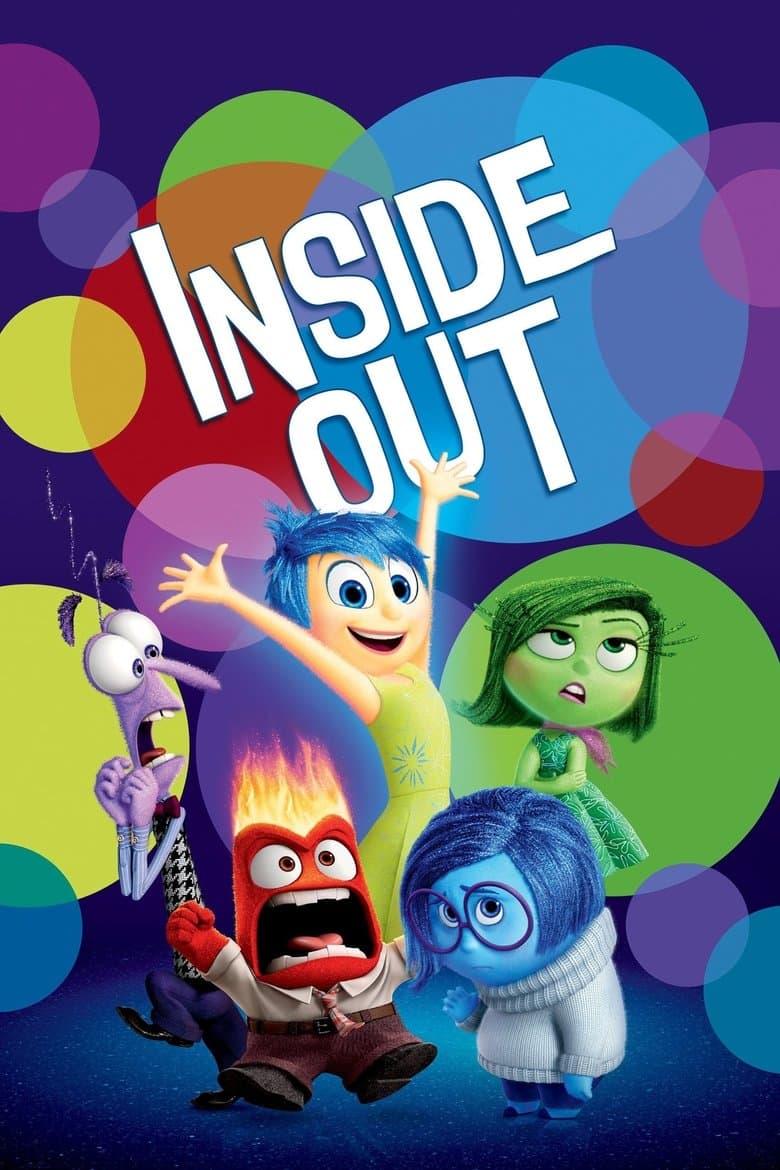
When 11-year-old Riley moves to a new city, her Emotions team up to help her through the transition. Joy, Fear, Anger, Disgust and Sadness work together, but when Joy and Sadness…

Movie · 2024
The Herdman kids are undeniably the worst kids in the history of the world. They lie, steal, cheat, bully and overall terrorize their small community.

Movie · 2017
A small but brave donkey and his animal friends become the unsung heroes of the greatest story ever told: the first Christmas.

Movie · 2025
Charles Dickens tells his young son Walter the greatest story ever told, and what begins as a bedtime tale becomes a life-changing journey.
