Movie review
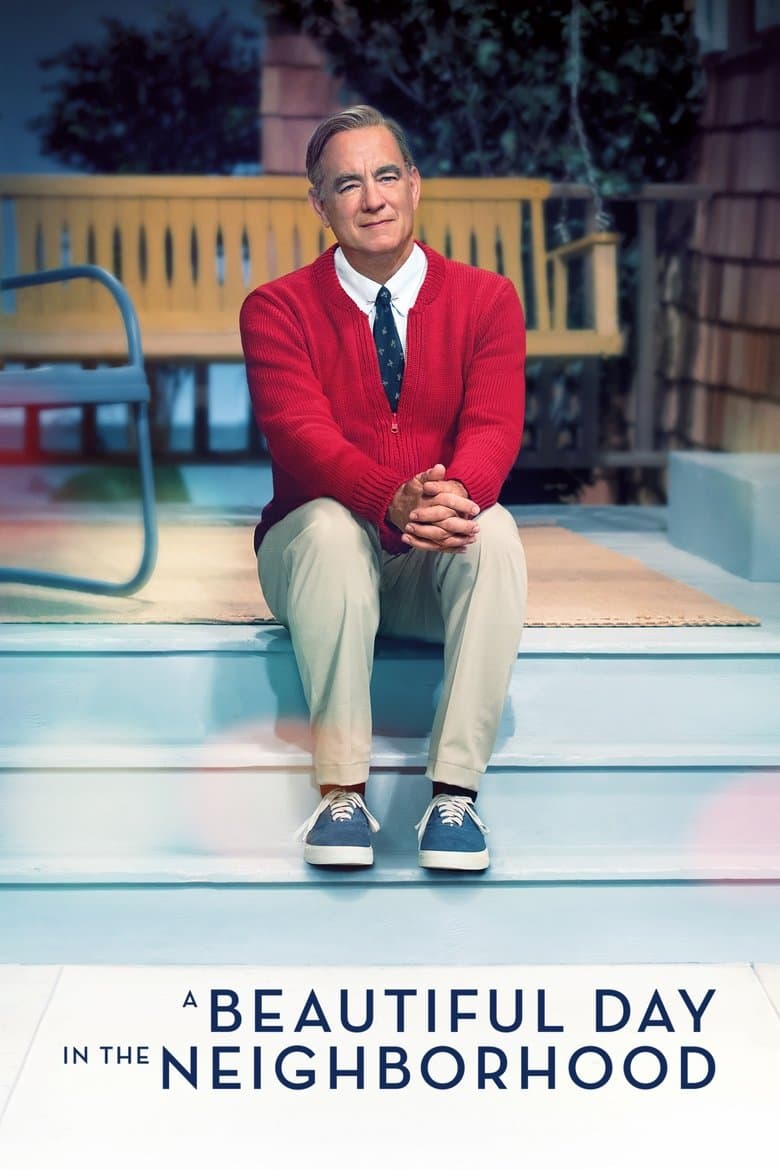
A 2019 biographical drama stars Tom Hanks as beloved children’s TV host Fred Rogers and Matthew Rhys as cynical Esquire journalist Lloyd Vogel. Assigned to write a profile, Vogel meets Rogers and gradually opens up about his strained relationship with his father, his new role as a parent, and his own cynicism, leading to healing and a renewed outlook on life and kindness. The film centers on personal transformation, forgiveness, family bonds, and everyday empathy with no activist language, identity politics, or modern social-justice framing. Casting adds some visible diversity, including a black actress as the journalist’s wife in a fictionalized role.
Community feedback
Was our 25% Woke rating accurate?
Breakdown
These are the editorial factors and ratings behind our score for A Beautiful Day in the Neighborhood.
Woke representation / casting
Visible diversity includes black actress Susan Kelechi Watson as the journalist’s wife (fictionalized; real-life inspiration had a white wife) and diverse Esquire staff noted in reviews as a deliberate multicultural choice; fits 1998 New York setting but reflects contemporary casting trends.
28%
Woke political dialogue
No activist, identity-based, or social-justice language; all conversations center on personal emotions, forgiveness, parenting struggles, and basic human decency.
0%
Identity-driven story themes
Emphasizes male emotional openness, father-son repair, and new fatherhood within a traditional family framework; no race, gender, sexuality, or group-identity politics drive the plot or character arcs.
12%
Western institutional / cultural critique
Contrasts media cynicism with genuine kindness and Rogers’ Christian-influenced values of acceptance and personal responsibility; contains no modern activist framing of patriarchy, toxic masculinity, or Western institutions as oppressive.
0%
Woke character or canon changes
Not relevant; fictionalized elements serve emotional storytelling and are not ideological reinterpretations of Rogers, Junod, or historical events.
0%
Anti-woke backlash and complaints
Virtually absent; the film was embraced across audiences for its positive message with no prominent right-leaning criticism of woke content or identity politics.
8%
Creator track record context
Writers and most producers show low activist histories; casting director has moderate diverse and LGBTQ+-adjacent credits; director Marielle Heller has a clearer pattern of feminist-leaning personal stories and public comments on representation.
32%
Production
Movie · 2024
19 year old Isaiah Wright lives for basketball and video games. A year out of high school, he has no job, no plans, and no idea how to be a man.
Movie · 2025
The world is a perplexing, peaceful mystery to Amélie until a miraculous encounter with chocolate ignites her wild sense of curiosity.
Movie · 2017
The behind the scenes story of the life of A.A. Milne and the creation of the Winnie the Pooh stories inspired by his son Christopher Robin.
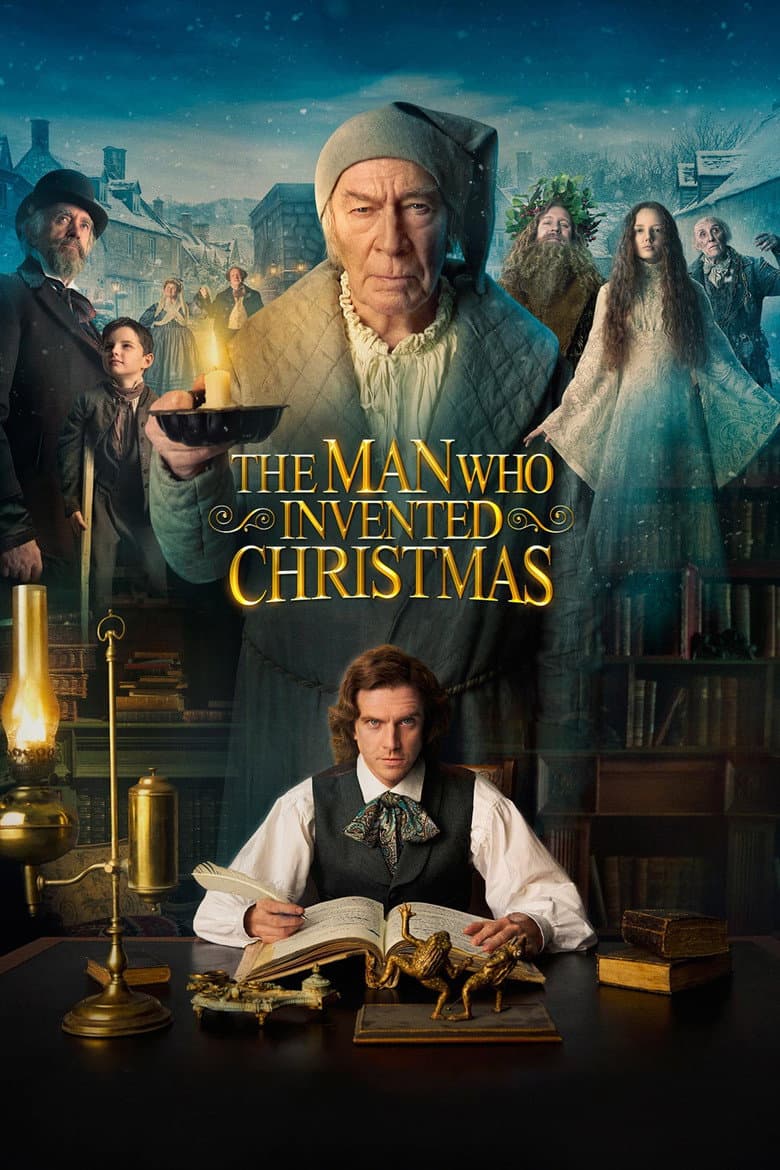
Movie · 2017
In 1843, despite the fact that Dickens is a successful writer, the failure of his latest book puts his career at a crossroads, until the moment when, struggling with inspiration…
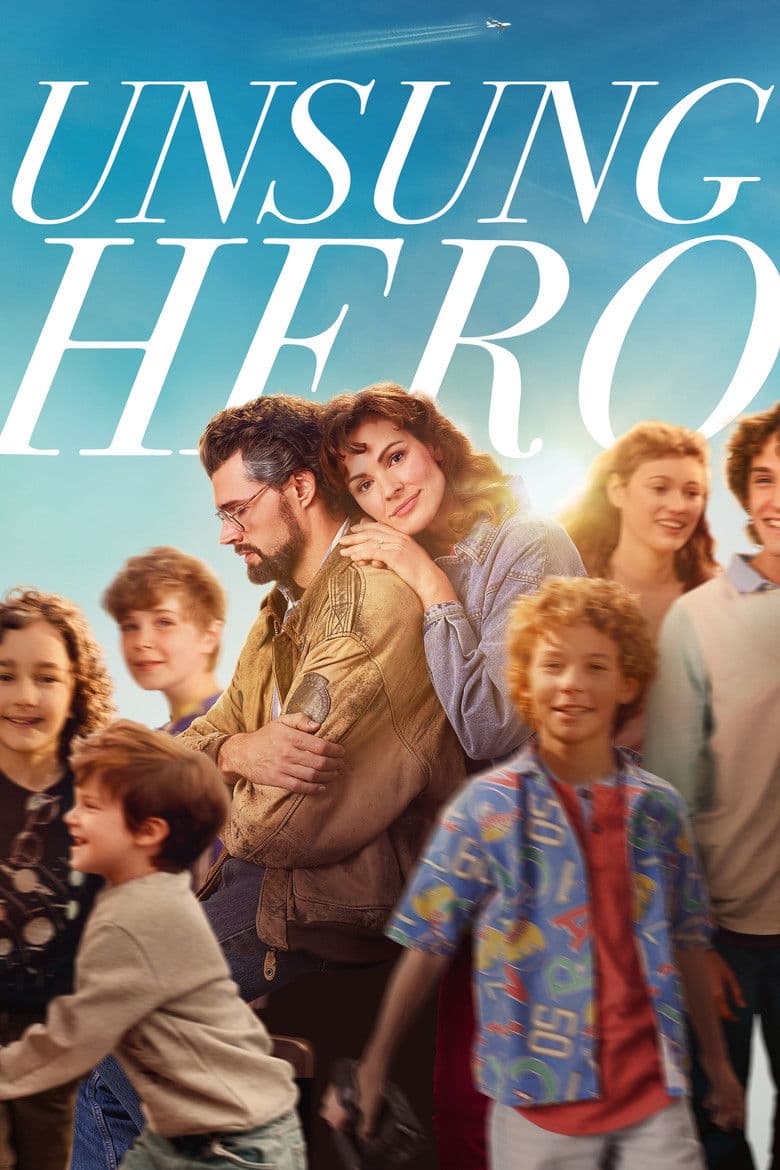
Movie · 2024
When David Smallbone's successful music company collapses, he moves his family from Australia to the United States in search of a brighter future.
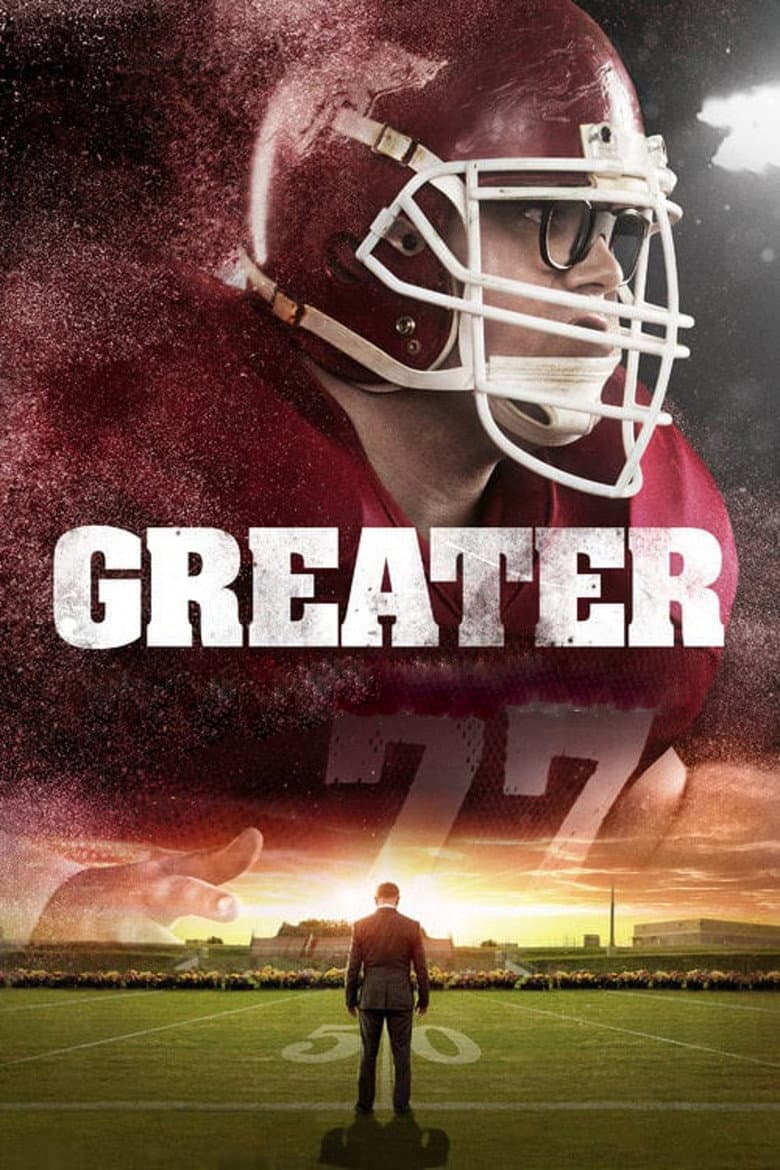
Movie · 2016
The incredible true story of the greatest walk-on in the history of college football.

Movie · 2022
Two years after a Super Bowl win when NFL head coach Sean Payton is suspended, he goes back to his hometown and finds himself reconnecting with his 12-year-old son by coaching his…
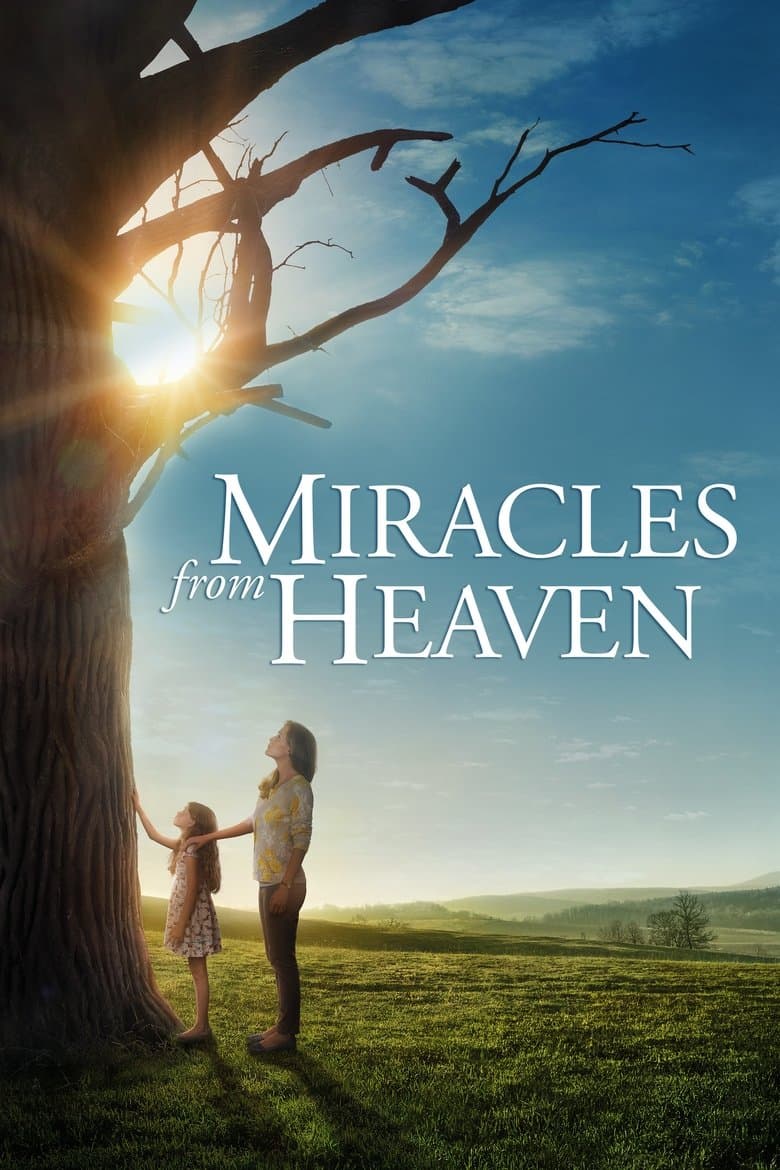
Movie · 2016
When Christy discovers her 10-year-old daughter Anna has a rare, incurable disease, she becomes a ferocious advocate for her daughter’s healing as she searches for a solution.
