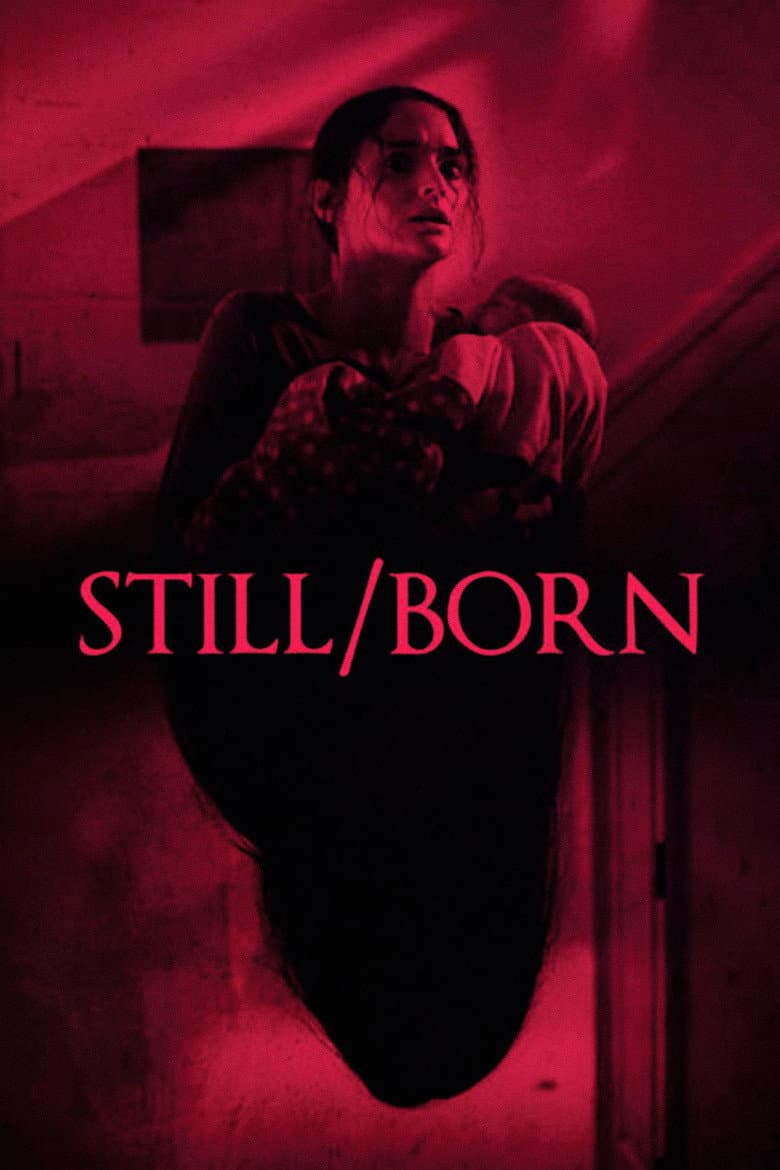
Mary gives birth to twins in a Canadian suburban home, but one baby is stillborn. She returns home with her husband, Jack, and their living son, Adam. Jack works long hours and tries to watch over Mary, while a friendly neighbor becomes part of her growing fear. Grief, little sleep, and strange sounds from the baby monitor make Mary fear that a demon wants her child. The film is a tense psychological horror story that keeps asking whether Mary is sick or truly being hunted.
The film keeps its focus on motherhood, loss, postpartum depression, and postpartum psychosis. Mary feels pressure to act like a perfect stay-at-home mother, and the story shows how that role can become lonely and frightening. A neighbor calls monogamy old-fashioned while feeding Mary's fears about Jack, which adds a small challenge to traditional marriage. These ideas support the family horror plot, while grief and the question of a real demon remain the main themes.
Community feedback
Was our 21% Woke rating accurate?
Breakdown
These are the editorial factors and ratings behind our score for Still/Born.
Woke representation / casting
Not present. The film uses a small family cast with no visible identity-casting pattern. Mary's lead role serves the story and is not framed as an empowerment or diversity statement.
0%
Woke political dialogue
Rachel calls monogamy “archaic” and says it represses natural urges. The line helps Mary suspect that Rachel may be involved with Jack. The movie does not return to this idea as a larger argument about relationships.
22%
Identity-driven story themes
Mary is pushed toward the image of a perfect stay-at-home mother after giving birth. The film shows that role as lonely, exhausting, and hard to maintain. The story uses that pressure to build postpartum grief and horror, not to make a broad activist claim about women.
14%
Western institutional / cultural critique
Rachel calls monogamy old-fashioned and says it represses natural urges. The remark briefly challenges traditional marriage while Mary suspects an affair. The movie uses the idea to deepen her paranoia, not to attack men, religion, capitalism, or Western institutions.
13%
Woke character or canon changes
Not relevant. The movie is an original story about Mary and her family. It does not remake a known character or adapt a real event.
0%
Anti-woke backlash and complaints
Not present. Public discussion centers on scares, grief, postpartum psychosis, and the ending. No anti-woke complaint, boycott, or review-bombing was found in the available X, Reddit, news, and audience material.
0%
Creator track record context
Brandon Christensen has a cached score of 10 and is mainly a practical horror filmmaker. Colin Minihan, Kurtis David Harder, and Chris Ball have some female-led or queer-focused work. The wider producer group has mostly low or zero cached scores, so the crew context is mild rather than strongly activist.
24%
Production
Movie · 2017
Several years after the tragic death of their little girl, a doll maker and his wife welcome a nun and several girls from a shuttered orphanage into their home, soon becoming the…
Movie · 2016
In 1630, a farmer relocates his family to a remote plot of land on the edge of a forest where strange, unsettling things happen.
Movie · 2025
Following the death of their father, a brother and sister are sent to live with a foster mother, only to learn that she is hiding a terrifying secret.
Movie · 2025
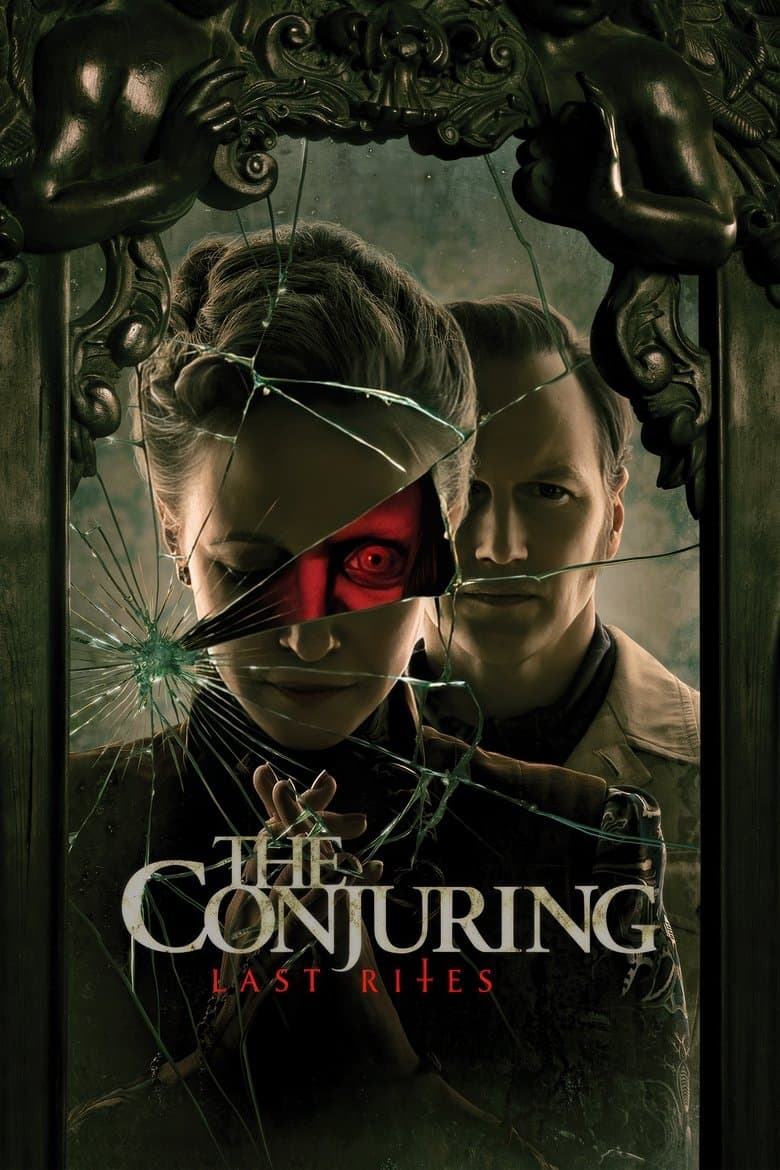
Paranormal investigators Ed and Lorraine Warren take on one last terrifying case involving mysterious entities they must confront.
Movie · 2024
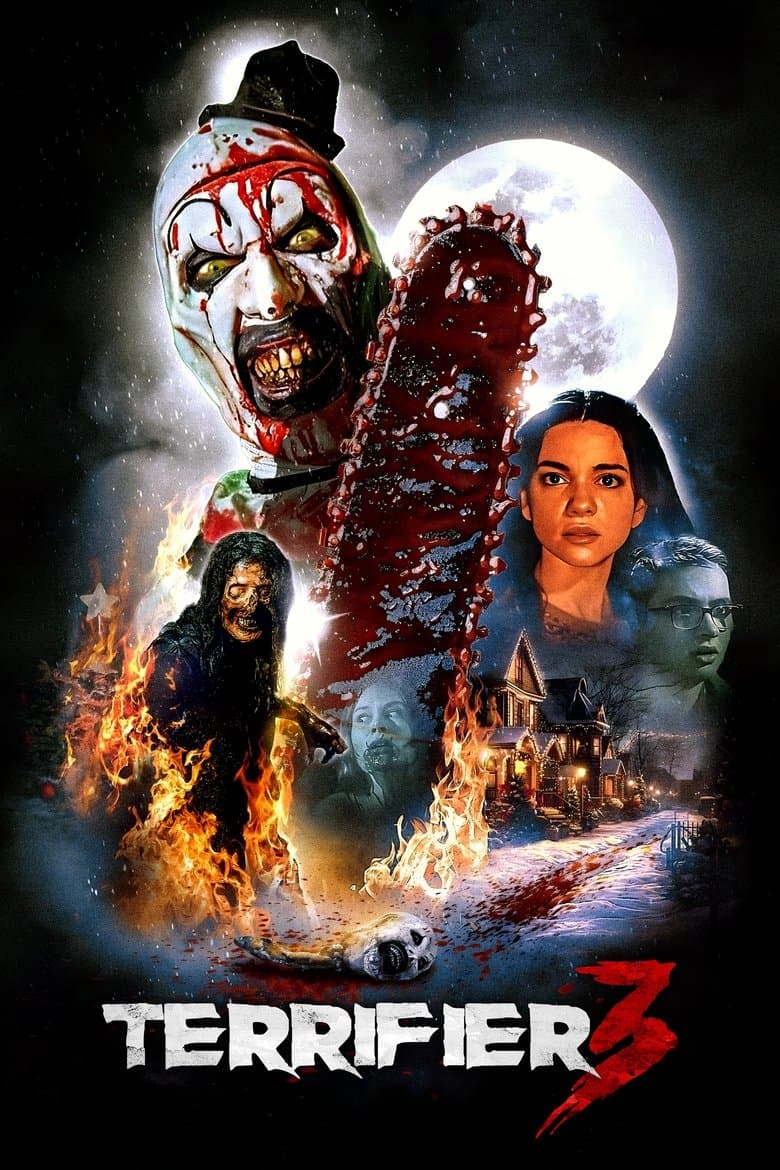
Five years after surviving Art the Clown's Halloween massacre, Sienna and Jonathan are still struggling to rebuild their shattered lives.
Movie · 2023
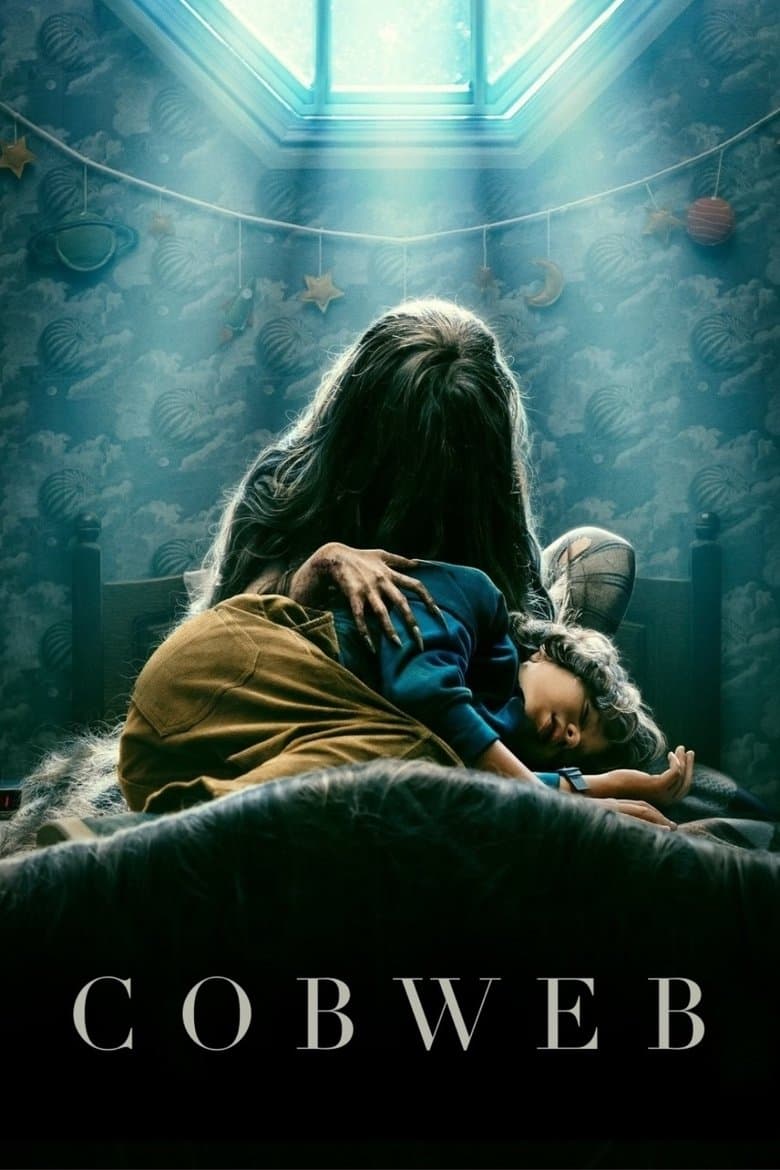
Eight year old Peter is plagued by a mysterious, constant tapping from inside his bedroom wall—one that his parents insist is all in his imagination.
Movie · 2016
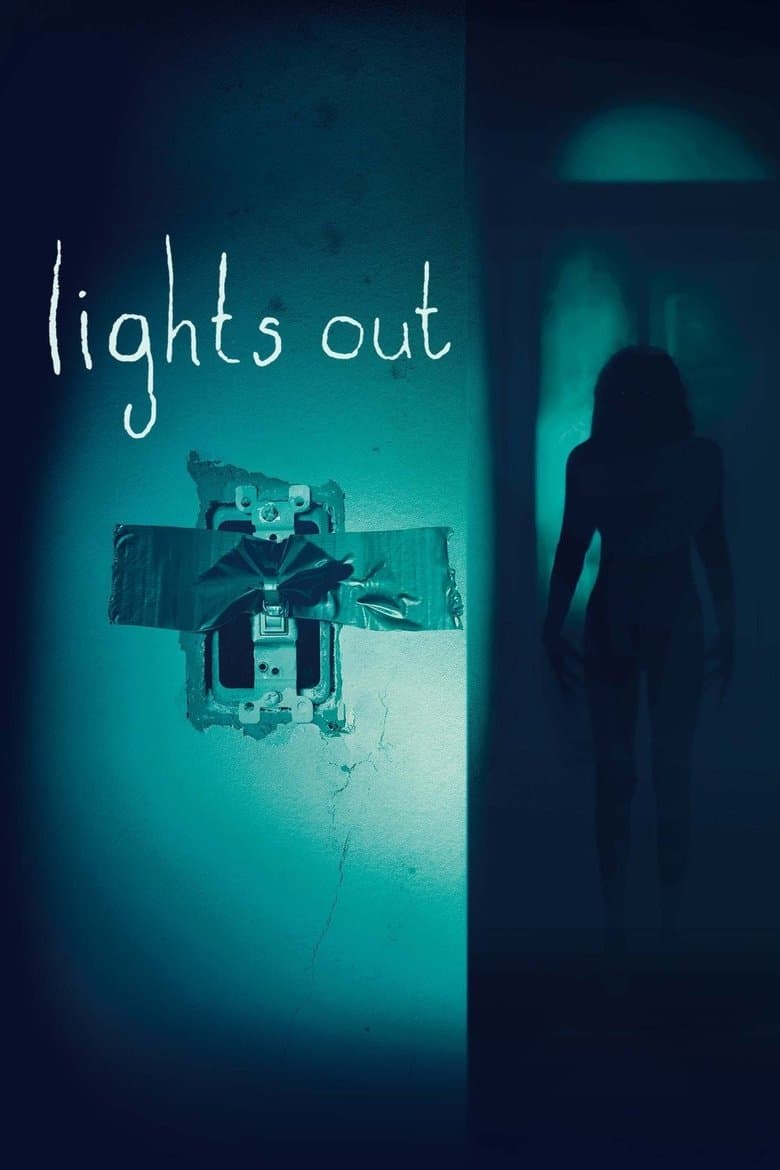
Rebecca must unlock the terror behind her little brother's experiences that once tested her sanity, bringing her face to face with a supernatural spirit attached to their mother.
Movie · 2024
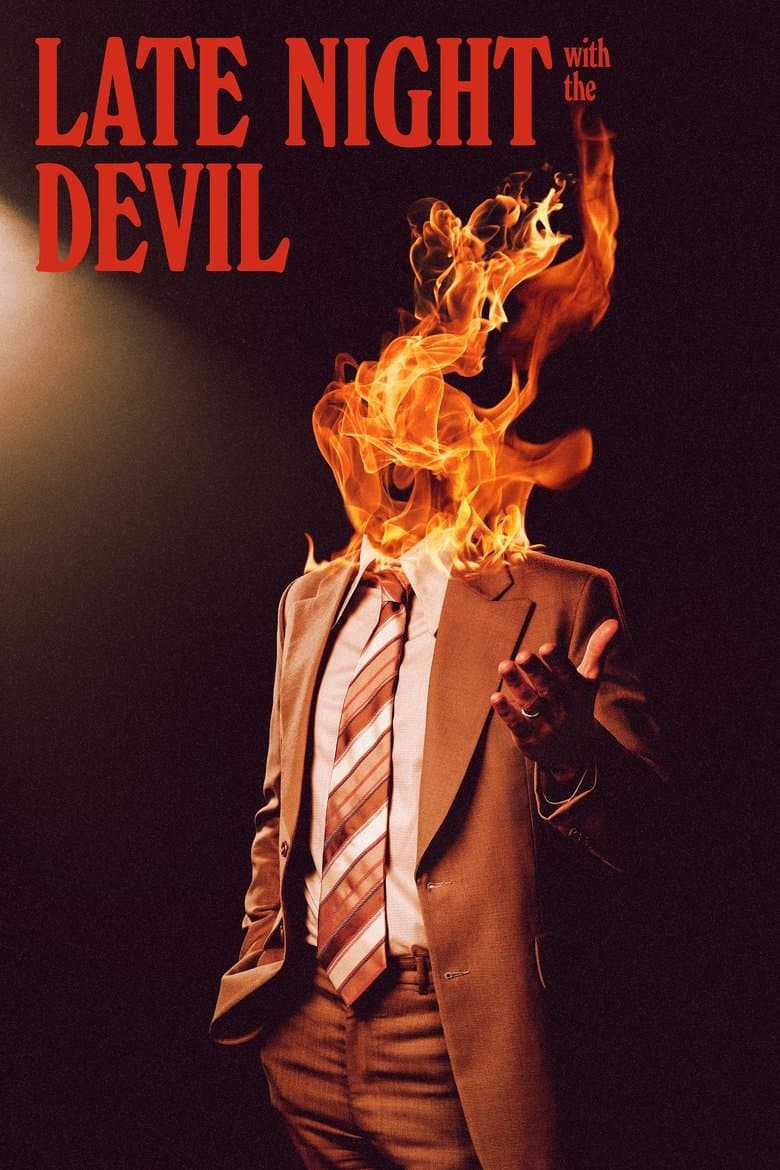
A live broadcast of a late-night talk show in 1977 goes horribly wrong, unleashing evil into the nation's living rooms.
