
Ricky Turner is a proud builder who takes a delivery job after the 2008 crash leaves his family in debt. He buys a van by selling his wife Abby’s car, even though Abby needs it for her home-care work. Ricky works long days under a tracking system, while Abby travels between clients and their children Seb and Liza Jane struggle without their parents. The Newcastle drama is bleak, angry, and deeply focused on the family’s slow breakdown.
The film gives a clear, repeated attack on the gig economy, fake self-employment, private profit, and the loss of worker rights. Boss Maloney calls Ricky a partner while fining him, tracking him, and making him pay for every problem. The story also shows Abby carrying paid care work, home duties, and the emotional burden of holding the family together, which adds a smaller gender-focused message. The film’s politics are mainly socialist and anti-capitalist class criticism, not a story about race, sexuality, or modern identity groups.
Community feedback
Was our 70% Woke rating accurate?
Breakdown
These are the editorial factors and ratings behind our score for Sorry We Missed You.
Woke representation / casting
Not present. The film uses a mostly local Newcastle cast in roles that fit the setting. No identity-first casting message or clear representation pattern shapes the story.
0%
Woke political dialogue
Maloney tells Ricky that workers are owners and that everything is his choice, then the film shows those claims as false. Abby later asks how the company can call Ricky self-employed after controlling his hours and charging him. Ricky and Seb argue about whether hard work and university still lead to good jobs. These recurring lines push a clear left-wing view of work and business, but they focus on class rather than identity politics.
46%
Identity-driven story themes
Abby works as a home carer, travels between clients, and still carries much of the family’s home and emotional work. The film shows her guilt when work keeps her from her children and treats care work as badly paid and easily ignored. This creates a recurring gender-focused message about the pressure on working mothers. The main story remains about class, debt, and family stress, so the identity-driven theme is limited.
18%
Western institutional / cultural critique
The film makes the gig economy and private delivery business the main source of the family’s collapse. The company tracks Ricky, calls him self-employed, charges fines, and shifts every risk onto him. The story links profit targets and consumer speed to debt, lost family time, and damaged health. This is a strong modern anti-capitalist critique of a Western work system, but it does not focus on race or sexuality.
76%
Woke character or canon changes
Not relevant. The film is an original story with no established characters or real historical figures being changed. No identity-based source change is present.
0%
Anti-woke backlash and complaints
A few critics and online posts objected to the film’s heavy-handed anti-capitalist message and treated it as political persuasion. The complaints were about class politics and the free market, not race, gender, sexuality, or DEI. The X research found no anti-woke reaction and no named complaints. The backlash was small and fringe.
15%
Creator track record context
Ken Loach has a long socialist record and a career about class struggle, welfare, and labor. Paul Laverty has a matching record of human-rights and class-focused political dramas. Rebecca O’Brien has a history of backing similar political films. This track record strongly matches the film’s anti-capitalist focus, while the other supplied crew notes show little activist context.
74%
Production

Movie · 2016
WWII American Army Medic Desmond T. Doss, who served during the Battle of Okinawa, refuses to kill people and becomes the first Conscientious Objector in American history to…

Movie · 2019
Richard Jewell thinks quick, works fast, and saves hundreds, perhaps thousands, of lives after a domestic terrorist plants several pipe bombs and they explode during a concert…

Movie · 2023
The true story of the inseparable Von Erich brothers, who made history in the intensely competitive world of professional wrestling in the early 1980s.

Movie · 2016
After his older brother passes away, Lee Chandler is forced to return home to care for his 16-year-old nephew.

Movie · 2022
A quiet, neglected girl is sent away from her dysfunctional family to live with relatives for the summer. She blossoms in their care, but in this house where there are meant to be…

Movie · 2023
The story of J. Robert Oppenheimer's role in the development of the atomic bomb during World War II.
Movie · 2020
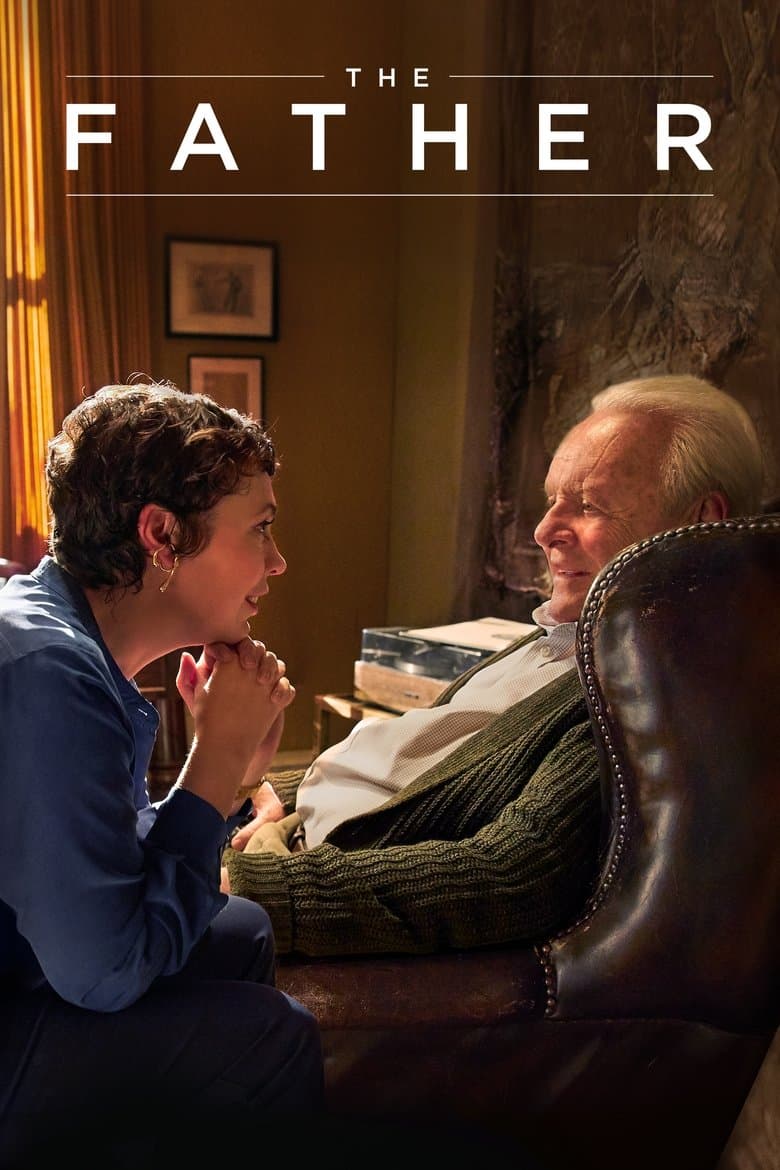
A man refuses all assistance from his daughter as he ages and, as he tries to make sense of his changing circumstances, he begins to doubt his loved ones, his own mind and even…

Movie · 2023
American ballet dancer Joy Womack is accepted into Moscow's infamously tough Bolshoi Ballet Academy, with the dream of becoming a great ballerina.
