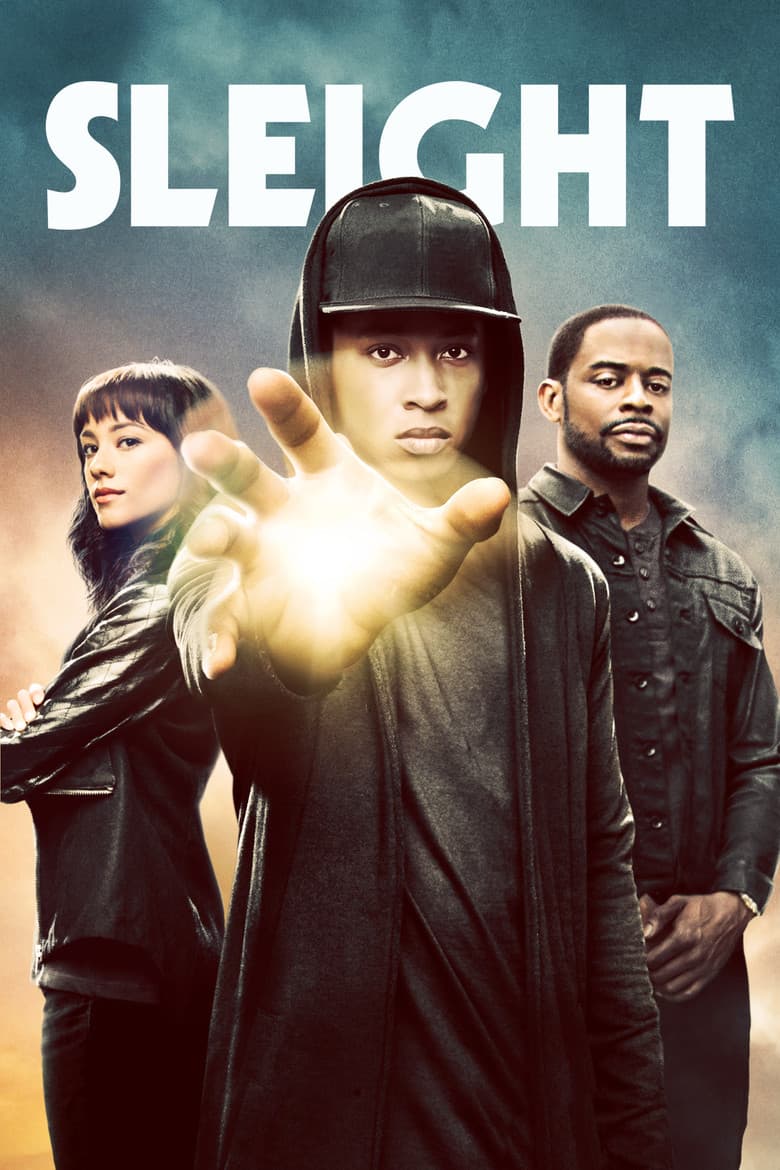
Bo Wolfe is a young street magician who lives in Los Angeles with his little sister Tina. After their mother dies, Bo gives up an engineering chance and sells drugs to pay the bills. A violent drug boss pulls Bo deeper into crime and kidnaps Tina when Bo tries to leave. Bo must use street tricks, a device built into his arm, and his quick mind to fight back. The movie moves through homes, clubs, parties, and city streets, and it stays grounded and tense even when the science fiction powers appear.
The film's clearest identity signal is its picture of Bo as a young black hero in a hoodie. Bo is also shown as an engineer, artist, caring brother, and person who can use his homemade device to save his family. The story turns a look often linked with crime into a heroic image, while black family and community life fill the center of the world. The main themes are family duty, personal choice, love, survival, and the cost of trying to escape crime.
Community feedback
Was our 28% Woke rating accurate?
Breakdown
These are the editorial factors and ratings behind our score for Sleight.
Woke representation / casting
The main cast places a black hero, his black sister, a black neighbor, and a black crime boss at the center. Modern Los Angeles can support this mix, so the film does not show a clear setting mismatch. Dillard still framed Bo as a black kid in a hoodie becoming a hero and spoke about adding more people of color to genre stories. That gives the casting a noticeable representation focus, but the movie does not build a forced mix of every identity.
34%
Woke political dialogue
Not present. The movie’s spoken lines focus on family, magic, drugs, money, crime, and survival. The dialogue does not push identity politics, DEI, or activist ideas.
0%
Identity-driven story themes
Bo is a young black man in a hoodie who is shown as an engineer, artist, magician, and caring brother. The story turns that image into a heroic picture instead of leaving it as a crime stereotype. The race-related idea appears through the hero’s image and arc, not through a repeated debate or speech. Family duty and escape from crime remain the main story.
27%
Western institutional / cultural critique
Not present. Bo enters drug dealing because he lacks support after his mother’s death, but the film treats that as his personal trap. It does not attack capitalism, family life, men, religion, or Western institutions.
0%
Woke character or canon changes
Not relevant. Sleight is an original story about Bo, Tina, and their own world. It does not change an established character, real person, or known historical event.
0%
Anti-woke backlash and complaints
Not present. The supplied X pass found no real anti-woke reaction or specific complaint. Web and audience searches found criticism about pacing, plot, and effects, but no meaningful claim that the film pushes DEI or identity politics.
0%
Creator track record context
Dillard has a mild record of work about race and American identity. Jason Blum and Jessica Sherman have some political or diversity-related context in the supplied creator notes. The writer and most producers have mainly genre or business records with little activist history. This gives the key creative group a low to mild creator track record.
19%
Production
Movie · 2016
An American Ambassador is killed during an attack at a U.S. compound in Libya as a security team struggles to make sense out of the chaos.
Movie · 2017
An American sniper and his spotter engage in a deadly cat-and-mouse game with an Iraqi sniper.
Movie · 2019
After fighting his demons for decades, John Rambo now lives in peace on his family ranch in Arizona, but his rest is interrupted when Gabriela, the granddaughter of his…
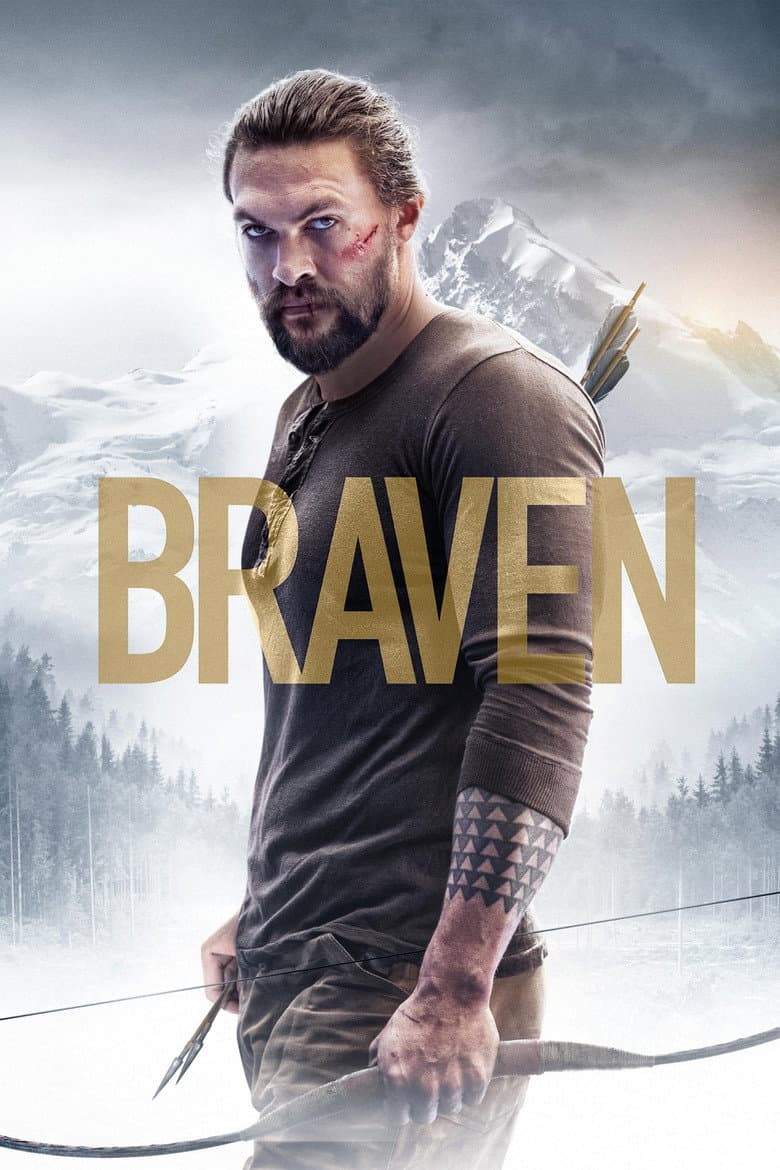
Movie · 2018
A logger defends his family from a group of dangerous drug runners.
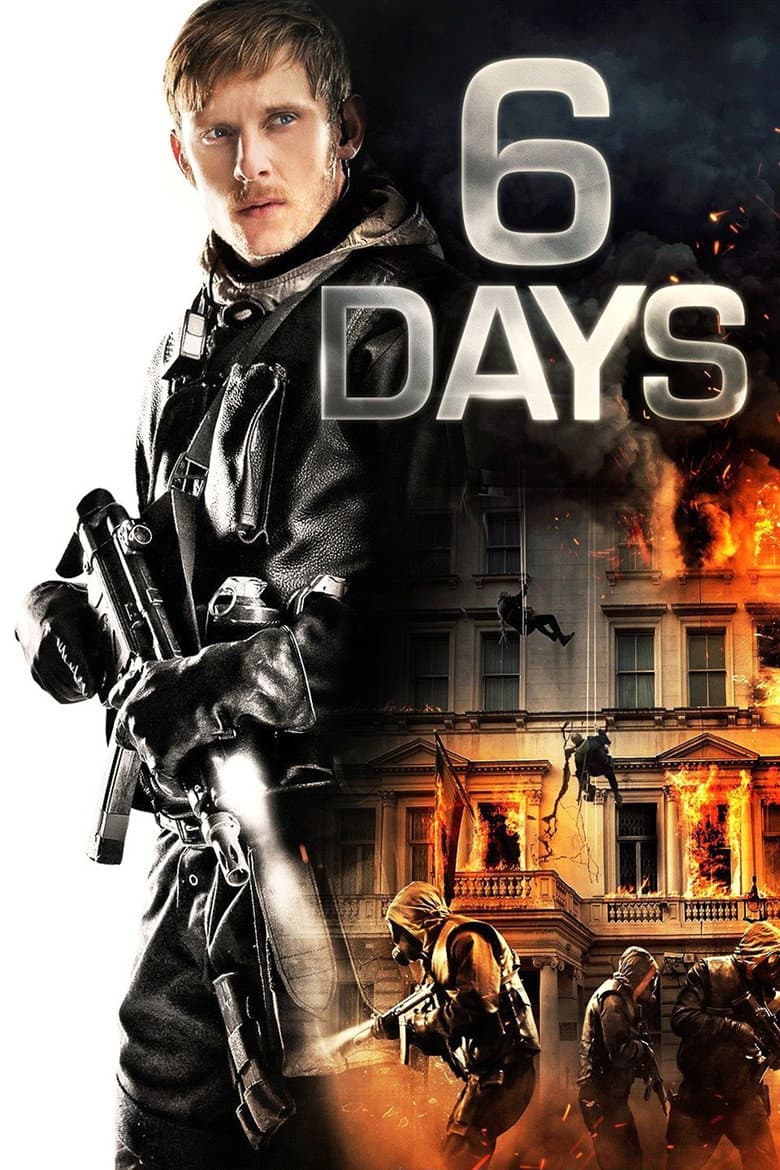
Movie · 2017
London, England, April 1980. Six terrorists assault the Embassy of Iran and take hostages. For six days, tense negotiations are held while the authorities decide whether a…
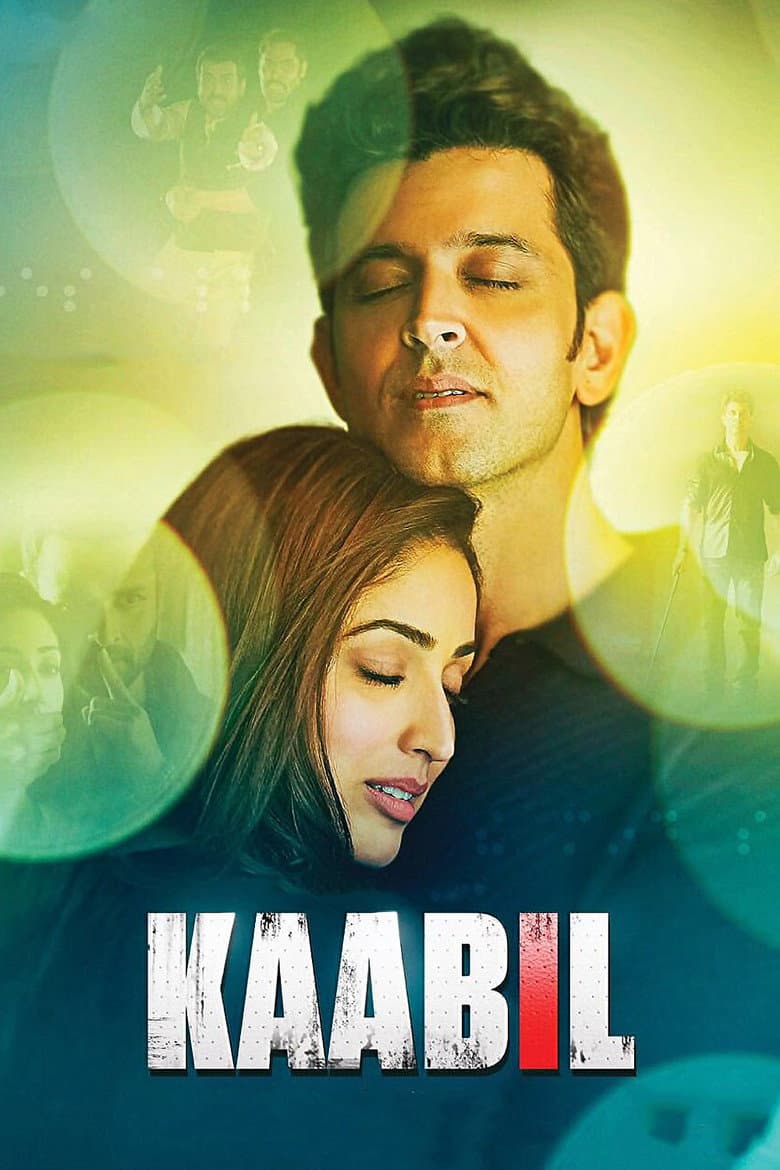
Movie · 2017
Rohan is a kind, happy young man who has been blind since birth and works as a voice-over artist for a living.
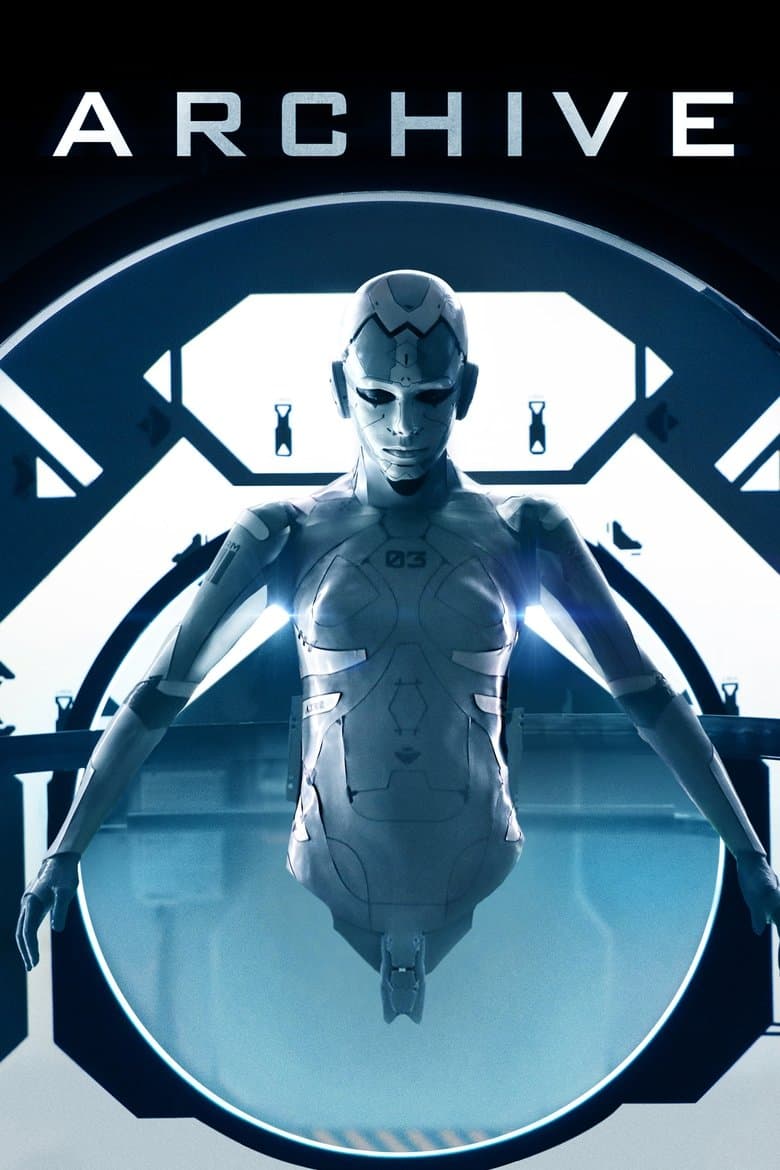
Movie · 2020
2038: George Almore is working on a true human-equivalent AI, and his latest prototype is almost ready. This sensitive phase is also the riskiest as he has a goal that must be…
Movie · 2017
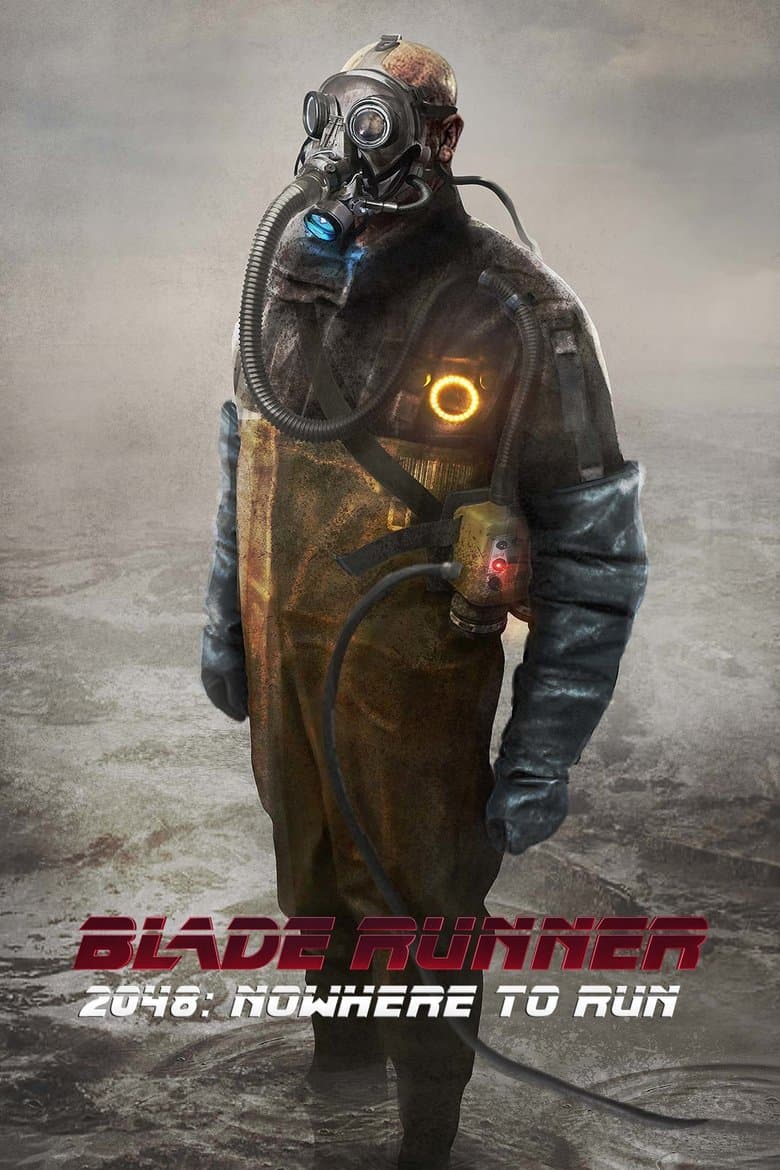
“2048: Nowhere to Run” takes place one year before the events of Blade Runner 2049. The short film focuses on Sapper, a man who is trying to make it through life day-by-day…
