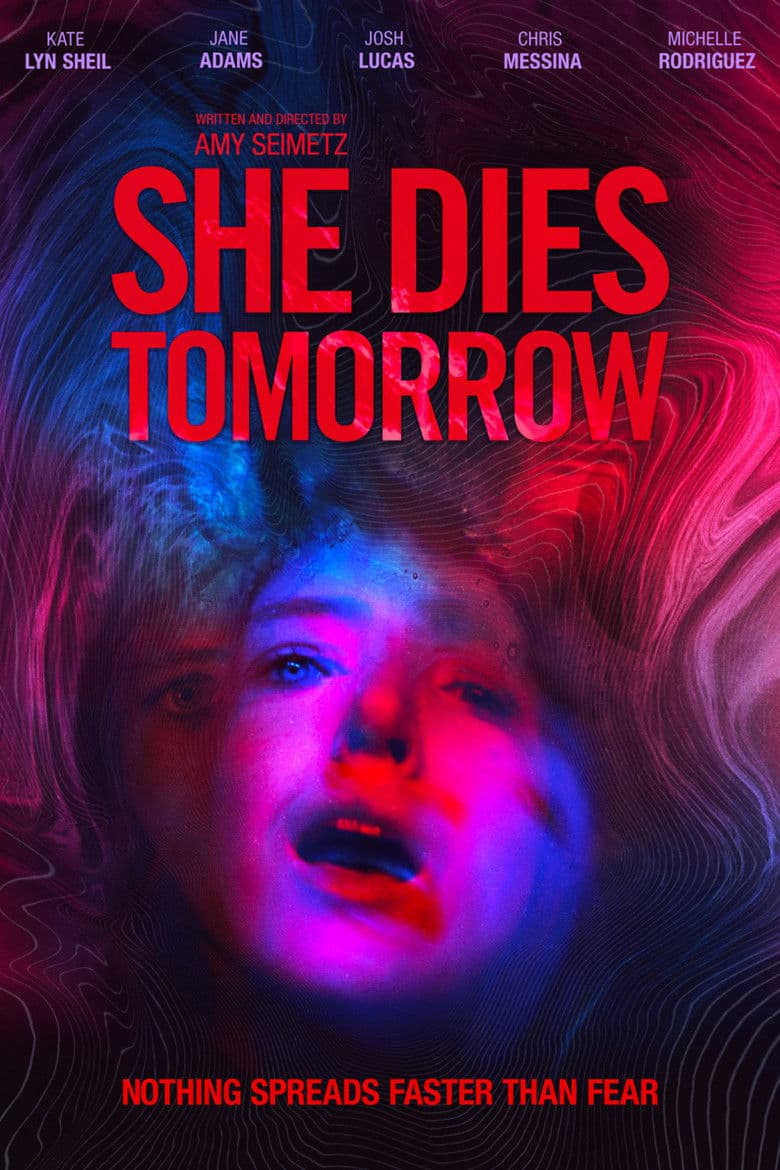
Amy has just bought a house, but she becomes sure that she will die the next day. She tells her friend Jane, and the fear soon spreads to family members, party guests, a doctor, and strangers. The story moves through modern Los Angeles homes, a birthday party, a doctor's office, and a desert house. People react by panicking, ending relationships, killing, or calmly accepting death. The film uses bright colors, strange sounds, broken time, and dark jokes to create an uneasy story about anxiety, grief, and the fear of dying.
The film gives Amy and Jane the main emotional roles and follows their fears closely. Amy briefly says that she ended a pregnancy and does not regret it because keeping the child would have changed her life. A short later scene shows Sky and Erin as a female couple who calmly discuss what they will miss. These moments show personal choice and a same-sex relationship, but they do not become the main conflict. Death and anxiety remain the main subjects.
Community feedback
Was our 29% Woke rating accurate?
Breakdown
These are the editorial factors and ratings behind our score for She Dies Tomorrow.
Woke representation / casting
Not present. The cast is mixed, but the film does not make identity a story point. The modern American setting can support this group, and no character is presented as a diversity symbol.
0%
Woke political dialogue
Amy says she ended a pregnancy and did not regret it. The conversation treats ending a pregnancy as a personal choice and describes the fetus in basic biological terms. The scene is brief and does not grow into a larger political speech.
21%
Identity-driven story themes
The film gives Amy and Jane the main emotional roles and follows their fears closely. Amy briefly says that she ended a pregnancy and does not regret it because keeping the child would have changed her life. Sky and Erin appear briefly as a female couple who calmly discuss what they will miss. These scenes add personal-choice and ordinary queer representation, but death and anxiety remain the main subjects.
28%
Western institutional / cultural critique
Not present. The film shows Craig's explosive anger, strained family ties, and people dismissing Jane's fear. Those moments show personal conflict, but the story does not build a modern activist attack on men, family, religion, capitalism, or Western institutions.
0%
Woke character or canon changes
Not relevant. The film is an original story and does not adapt a known character, book, or historical event. It makes no identity or leadership changes to established material.
0%
Anti-woke backlash and complaints
Not present. Separate X research found no anti-woke posts or named complaints. Reddit and audience reviews mostly criticized the film as slow, vague, or pretentious, which is not anti-woke backlash. No major report tied the film to DEI, identity politics, or left-wing messaging complaints.
0%
Creator track record context
Amy Seimetz has a recorded woke score of 62 and a clear feminist track record. Her title-related interviews discuss challenging old ideas about womanhood, sexist older horror, and the need for more women and diverse directors. Justin Benson and Aaron Moorhead each have recorded scores of 13, while David Lawson Jr. has 8. The director is the main creative voice, so the overall creator track record context is moderate.
52%
Production
Movie · 2025
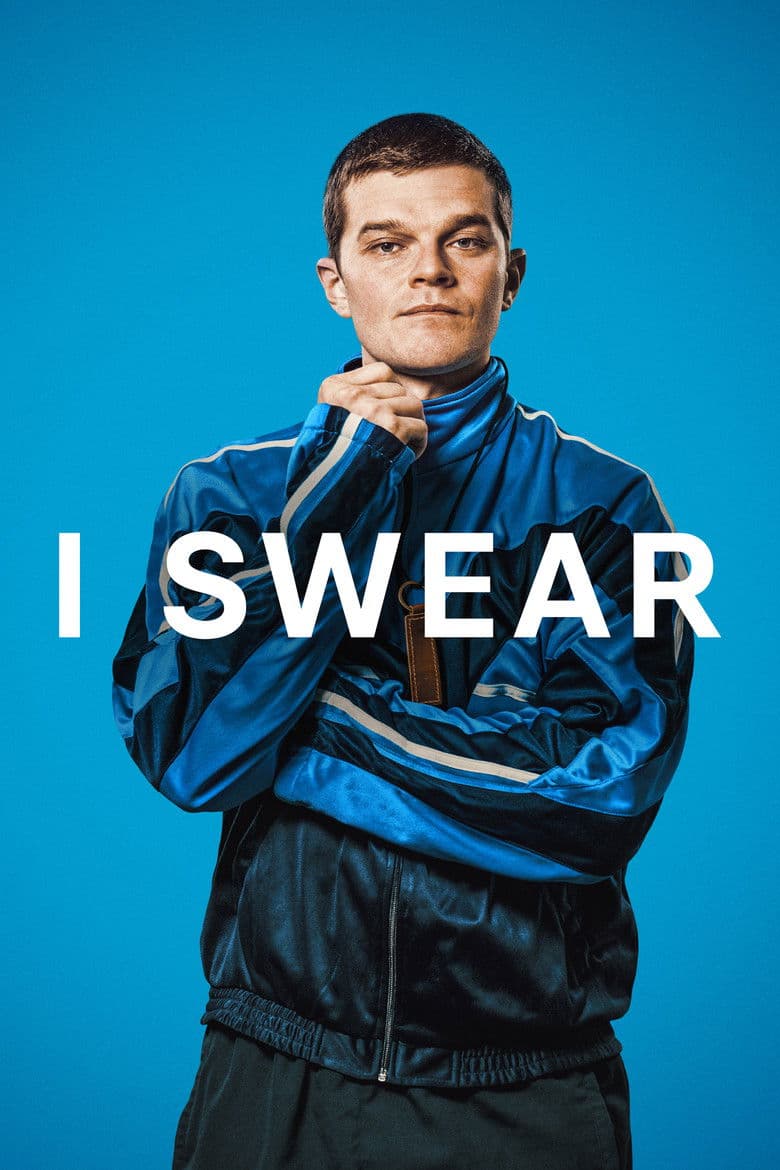
Diagnosed with Tourette Syndrome at 15, John Davidson navigates his way against the odds through troubled teenage years and into adulthood, finding inspiration in the kindness of…

Movie · 2023
The true story of the inseparable Von Erich brothers, who made history in the intensely competitive world of professional wrestling in the early 1980s.
Movie · 2016
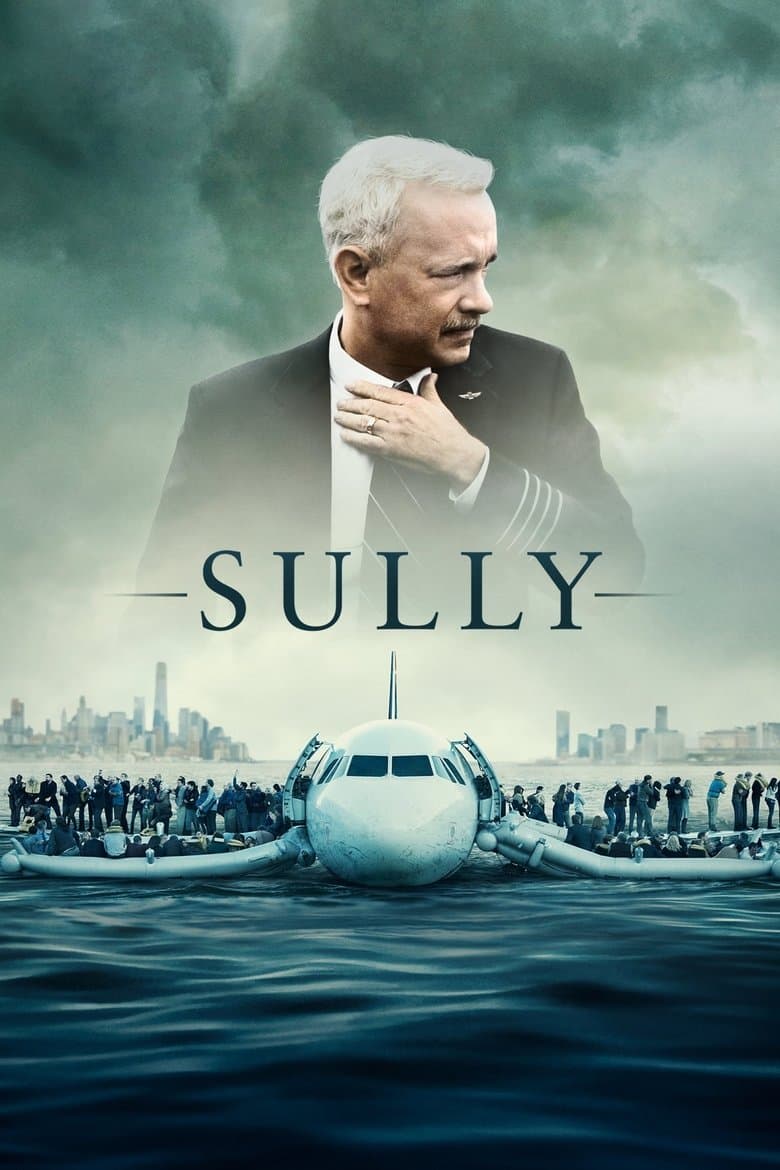
On 15 January 2009, the world witnessed the 'Miracle on the Hudson' when Captain 'Sully' Sullenberger glided his disabled plane onto the Hudson River, saving the lives of all 155…

Movie · 2016
After his older brother passes away, Lee Chandler is forced to return home to care for his 16-year-old nephew.
Movie · 2016
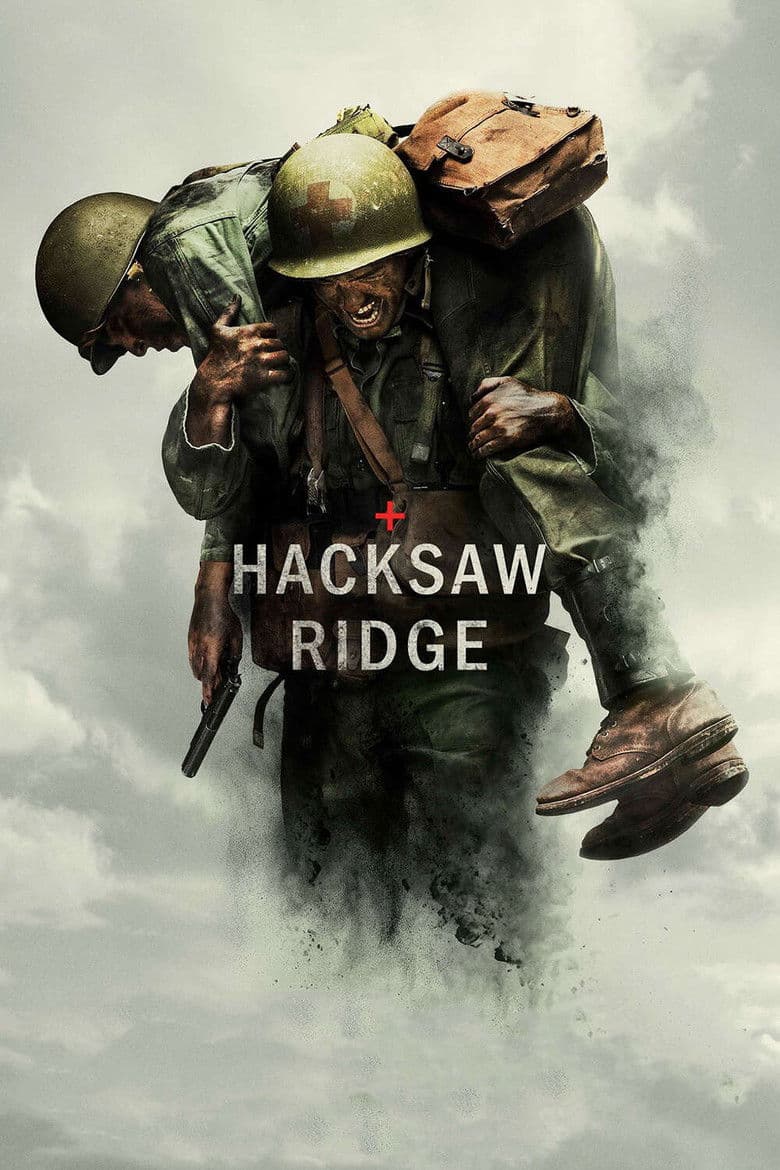
WWII American Army Medic Desmond T. Doss, who served during the Battle of Okinawa, refuses to kill people and becomes the first Conscientious Objector in American history to…
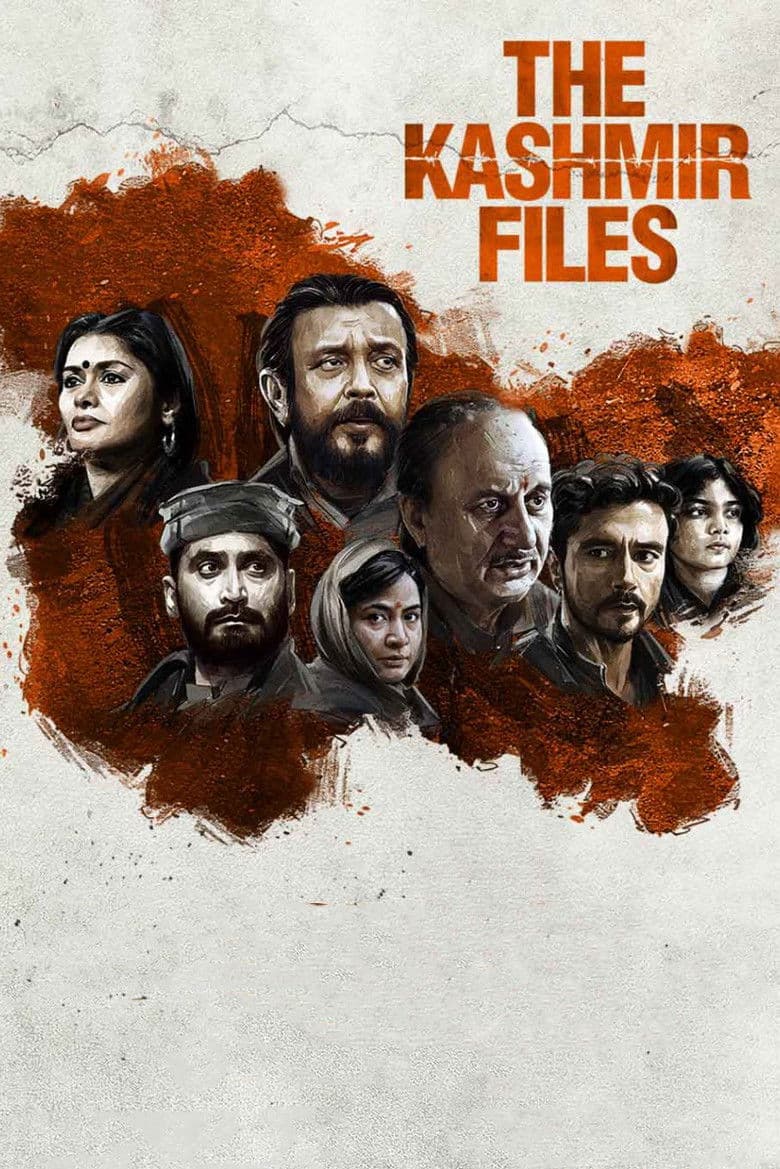
Movie · 2022
Based on a true tragedy, the emotionally triggering film sheds light on the plight of Kashmiri Pandits (Hindus), a religious minority in the 1990s Kashmir valley, who were…
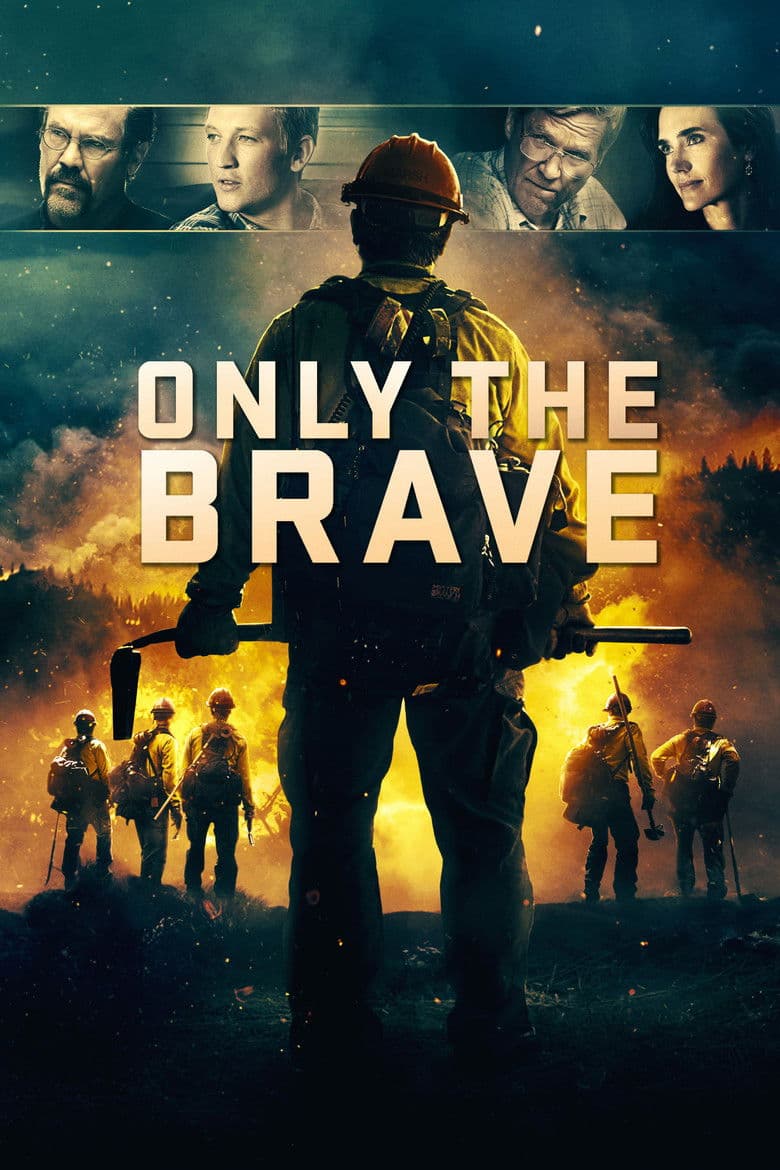
Movie · 2017
Members of the Granite Mountain Hotshots battle deadly wildfires to save an Arizona town.
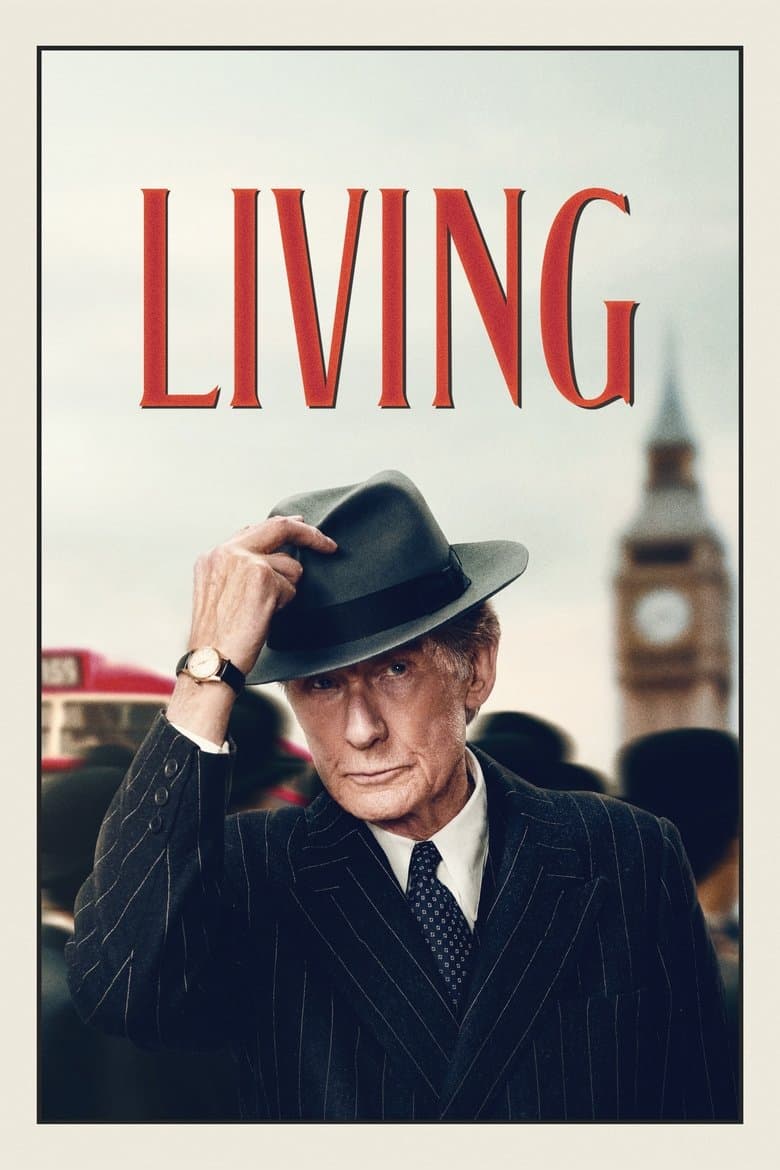
Movie · 2022
London, 1953. Mr. Williams, a veteran civil servant, is an important cog within the city's bureaucracy as it struggles to rebuild in the aftermath of World War II.
