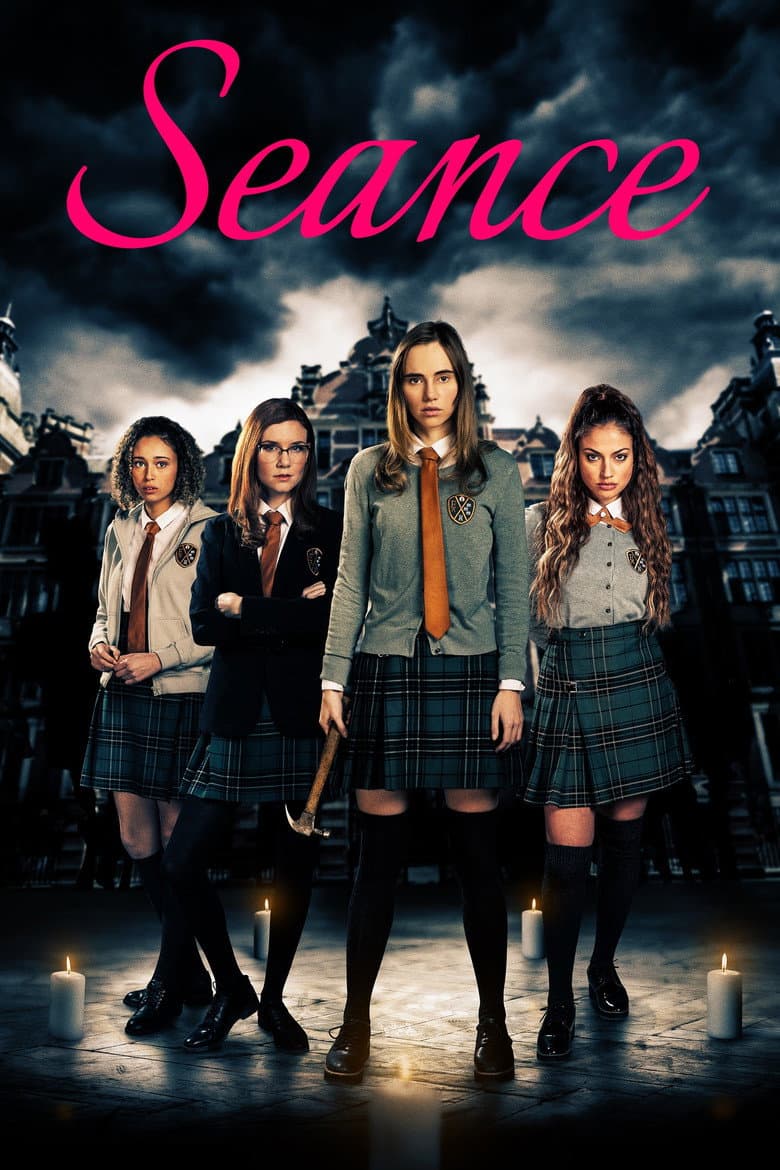
Seance follows Camille Meadows, a guarded new student who enters Edelvine Academy, an elite boarding school for girls. A student named Kerrie has died after a cruel prank, and Camille takes Kerrie’s empty place and room. Camille soon faces the school’s popular clique while strange signs, masked killers, and ghost stories turn the school into a murder trap. The film mixes a quiet winter mood with bloody slasher attacks, mystery twists, and a small thread of romance.
The clearest woke element is the same-sex romance between Camille and Helina, two girls who slowly trust each other and share a kiss. The bond gives the ending a positive view of queer connection, but the murder mystery remains the main plot and most scenes focus on fear, suspicion, revenge, and survival. The diverse group of female students is visible on screen, yet the story does not turn race, gender, or sexuality into a political speech or school debate. The romance is important to the characters, but it does not replace the horror story’s focus on death, secrets, and staying alive.
Community feedback
Was our 43% Woke rating accurate?
Breakdown
These are the editorial factors and ratings behind our score for Seance.
Woke representation / casting
The nearly all-female cast fits the girls’ school setting. The main student group includes Black and Asian performers around a white lead, creating a visible diversity pattern. The film does not explain those identities through the plot or present the casting as a political statement. The pattern is noticeable, but it is not the main subject of the story.
18%
Woke political dialogue
An art teacher says women were barred from Noh theater and that male performers played female roles. The class then names Margaret Hughes as the first accepted female performer in English theater. The short lesson gives historical background and does not become a modern activist argument.
10%
Identity-driven story themes
The film gives Camille and Helina a clear romantic arc between two girls. Their bond grows through fear, loneliness, and shared danger, and it shapes the emotional ending. The film presents their relationship in a positive way and does not punish them for it. The murder mystery remains the main plot, but the queer romance is a major story thread.
70%
Western institutional / cultural critique
Not present. The school staff care about order and the school’s reputation, but the film uses this as part of the murder plot. It does not make a modern attack on Western institutions, family life, religion, or traditional gender roles.
0%
Woke character or canon changes
Not relevant. Seance is an original story with no established characters, source canon, or real historical figures being changed.
0%
Anti-woke backlash and complaints
Not present. The supplied X research found no anti-woke reaction, and other public discussion focused on horror and romance. No boycott, review campaign, or right-leaning complaint about identity politics was found.
0%
Creator track record context
Simon Barrett has a low recorded woke score and is mainly known for horror films. Adam Wingard and most producers also have low recorded scores and no clear activist public profile. A few producers have some inclusion-linked credits, but they are minor context. Barrett said the film was not meant as a political or representation project, even though he defended the lesbian romance.
10%
Production
Movie · 2016
Lorraine and Ed Warren travel to north London to help a single mother raising four children alone in a house plagued by malicious spirits.
Movie · 2016
In 1630, a farmer relocates his family to a remote plot of land on the edge of a forest where strange, unsettling things happen.

Movie · 2022
Trapped on her family’s isolated farm, Pearl must tend to her ailing father under the bitter and overbearing watch of her devout mother.

Movie · 2024
A live broadcast of a late-night talk show in 1977 goes horribly wrong, unleashing evil into the nation's living rooms.
Movie · 2017
Several years after the tragic death of their little girl, a doll maker and his wife welcome a nun and several girls from a shuttered orphanage into their home, soon becoming the…
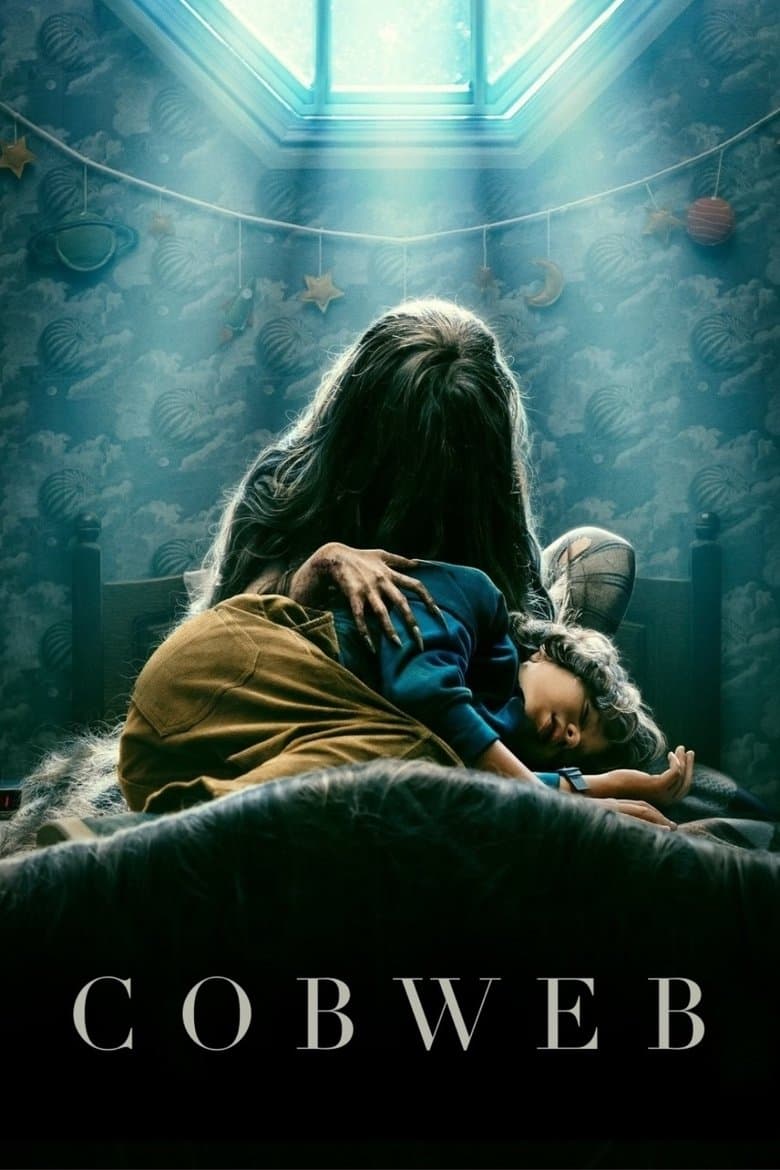
Movie · 2023
Eight year old Peter is plagued by a mysterious, constant tapping from inside his bedroom wall—one that his parents insist is all in his imagination.
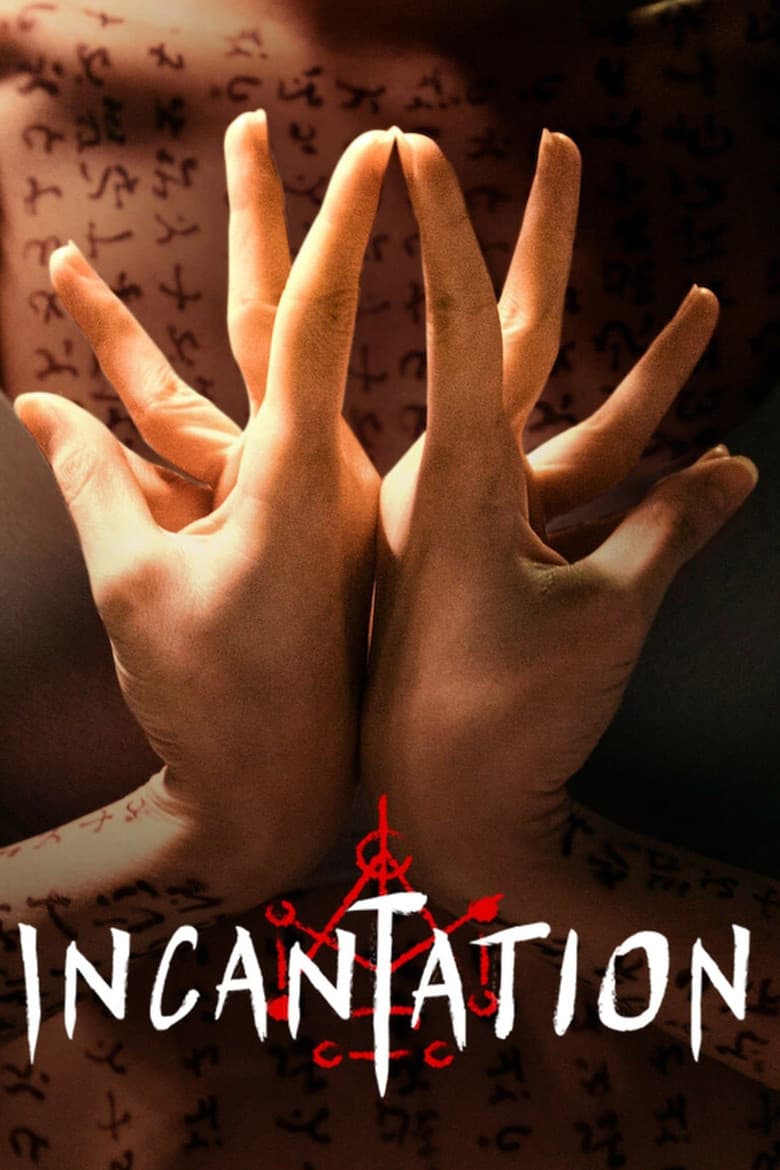
Movie · 2022
Inspired by the true story of a family who believed they were possessed by spirits. This film follows a woman who must protect her child from a curse.

Movie · 2022
A year after the Miles County massacre, Art the Clown is resurrected by a sinister entity. Art returns home, where he must hunt down and destroy teenage Sienna and her younger…
