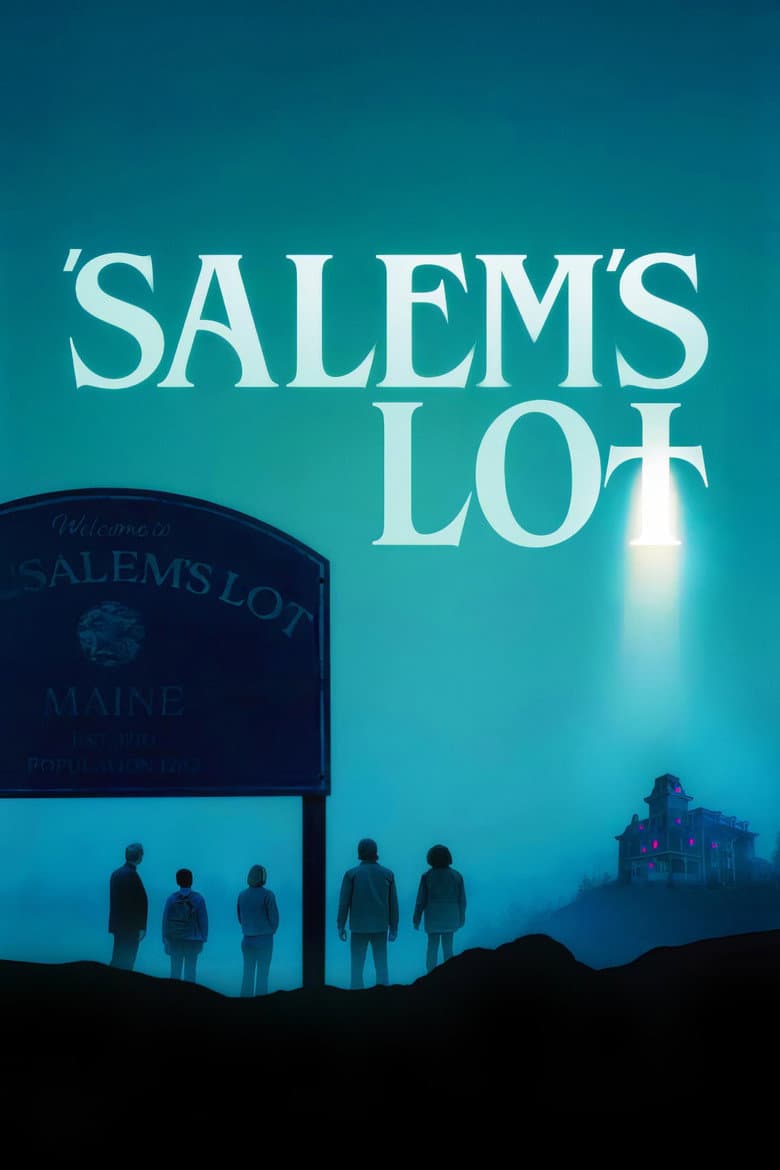
Author Ben Mears returns to Jerusalem's Lot, the small Maine town where he grew up, hoping to write about the past. He soon learns that the vampire Kurt Barlow and his human helper Straker are turning local people into blood drinkers. Ben joins Susan, a doctor, a teacher, a priest, and young Mark Petrie to fight back. The movie has a dark, old-fashioned horror tone, but its short running time makes the town and its people feel thin.
The most visible woke element is the casting of two important heroes as black characters. Alfre Woodard plays Dr. Cody, who was a male doctor in the book, and Jordan Preston Carter plays Mark, a black child who becomes one of the bravest and most capable vampire hunters. The movie does not make race a subject of the story, and no character gives a modern speech about identity, politics, or social justice. The main message stays focused on courage, friendship, faith under pressure, and ordinary people joining together against evil.
Community feedback
Was our 32% Woke rating accurate?
Breakdown
These are the editorial factors and ratings behind our score for Salem's Lot.
Woke representation / casting
The movie gives black actors two visible hero roles in the 1970s Maine setting. Alfre Woodard plays Dr. Cody, changed from the book's male doctor, and Jordan Preston Carter plays Mark, the young vampire hunter. Mark is one of the film's most capable defenders, while Dr. Cody joins the core group. The movie does not explain these identity choices through character backstory, so the diversity pattern is easy to notice.
38%
Woke political dialogue
Not present. The characters talk about vampires, fear, faith, and survival. The movie has no clear modern speech about race, gender, politics, or social justice.
0%
Identity-driven story themes
Not present. Race and gender changes are visible in the cast, but the plot does not make identity, oppression, or representation a story issue.
0%
Western institutional / cultural critique
Not present. The town fails to see the vampire danger, and a priest struggles with fear. The movie does not attack Christianity, family life, men, or Western institutions with modern activist messaging.
0%
Woke character or canon changes
The movie changes Dr. Jimmy Cody from the book into Dr. Cody, a black woman played by Alfre Woodard. The movie also presents Mark Petrie as a black boy, unlike the white actors used for Mark in the earlier screen versions. These are clear identity changes to known characters, even though the film does not make them part of the plot.
32%
Anti-woke backlash and complaints
A few small X accounts called the remake a woke version because Mark Petrie is black. Other posts called him a Mary Sue monster-killer or said the story was twisted around racism. The posts had almost no engagement, and no large boycott or lasting review-bomb campaign was found. One mild defense said the film had little woke material, which shows the charge was present but weak.
15%
Creator track record context
Stephen King's support for Democrats and criticism of Donald Trump add a mild liberal signal around the film. His horror work is not built around modern identity politics, DEI, or queer activism. Gary Dauberman's interviews frame the movie as classic vampire horror, and the listed producers have no strong activist pattern. The creator context is limited background rather than a main feature of the movie.
18%
Production
Movie · 2017
Several years after the tragic death of their little girl, a doll maker and his wife welcome a nun and several girls from a shuttered orphanage into their home, soon becoming the…
Movie · 2026
After breaking the mysterious "One Wish Willow" to win his crush's heart, a hopeless romantic finds himself getting exactly what he asked for but soon discovers that some desires…
Movie · 2022
Inspired by the true story of a family who believed they were possessed by spirits. This film follows a woman who must protect her child from a curse.
Movie · 2023
Still reeling from the tragic death of their mother, a teenage girl and her younger sister find themselves plagued by a sadistic presence in their house and struggle to get their…
Movie · 2025
Following the death of their father, a brother and sister are sent to live with a foster mother, only to learn that she is hiding a terrifying secret.
Movie · 2024
A boy and his stepmother fear for their safety after an eerie creature resembling the boy's recently deceased father visits them.
Movie · 2025
Paranormal investigators Ed and Lorraine Warren take on one last terrifying case involving mysterious entities they must confront.
Movie · 2023
Eight year old Peter is plagued by a mysterious, constant tapping from inside his bedroom wall—one that his parents insist is all in his imagination.
