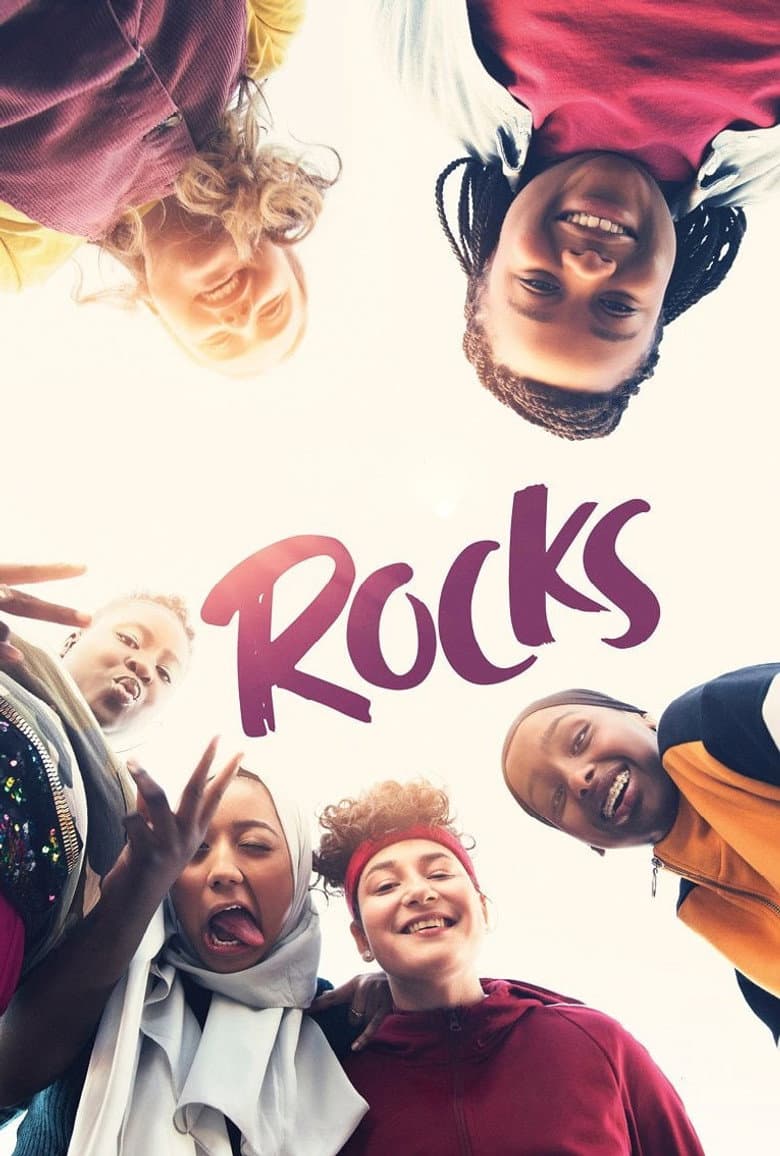
Rocks follows Shola, a 15-year-old girl who lives in Hackney, East London, with her little brother Emmanuel. Her mother leaves home, so Shola tries to feed, hide, and protect him while she keeps going to school. She fears that social workers will place them in separate homes, and her choices grow more risky as money runs out. The film feels raw, funny, tense, and hopeful as the children move between homes, hotels, school, and the coast.
The story puts a mixed group of Black, Somali, white, Romani, and other girls at the center, and it treats their friendship as the main source of strength. It repeatedly presents girlhood, female friendship, and the lives of young women of color as important and worth celebrating. The school and care system often seem distant or unfair, especially when a teacher lowers a girl's hopes and social workers separate the children. These ideas run through the story, but the film stays focused on family care and friendship instead of speeches about politics.
Community feedback
Was our 54% Woke rating accurate?
Breakdown
These are the editorial factors and ratings behind our score for Rocks.
Woke representation / casting
The main group is made up of Black, Somali, white, Romani, and other London girls, with a Black Nigerian British girl at the center. The film presents this mix as normal for Hackney, not as a mismatch with the setting. The director and writers also frame the project as giving young women and Black and brown voices more space on screen. The believable setting makes the choice feel less forced.
38%
Woke political dialogue
Not present. The film has no repeated spoken lines about DEI, identity politics, or activism. A teacher briefly tells a student to keep a backup plan after she names a career goal, but the scene is part of the school conflict rather than a political speech.
0%
Identity-driven story themes
The story keeps girlhood and female friendship at its center from the first scene to the last. Rocks and her friends carry the main emotional and practical work, while boys and adult men stay at the edge of the story. The film treats the strength of young black and brown girls as a main answer to fear, poverty, and family trouble. These themes are central and identity-driven, but the film remains a family survival drama rather than an activist campaign.
55%
Western institutional / cultural critique
Rocks fears social services because they may separate her from Emmanuel, and the film shows adults making decisions without hearing her side. A teacher quickly tells a girl to keep a backup plan after she names a career goal. The story presents school and care systems as distant and unable to support a poor black girl. The care system later gives the children safety, so the criticism is pointed but not total.
45%
Woke character or canon changes
Not relevant. The film is an original story about Shola, Emmanuel, and their friends. It does not change an established character, canon, source text, or real historical figure.
0%
Anti-woke backlash and complaints
Not present. The supplied X pass found no anti-woke reaction or named complaint. No reliable anti-woke backlash was found in the wider coverage checked.
0%
Creator track record context
Sarah Gavron and Theresa Ikoko have strong records centered on women, black women, and underrepresented communities. Lucy Pardee and Ameenah Ayub Allen also have strong links to diverse casting and inclusive production. Claire Wilson and most of the producers have low or modest scores, so the wider team is mixed. The key creative group still gives the project a clear representation-focused context.
50%
Production

Movie · 2016
In a desolate war zone where screams of the innocent echo, on the very line between disaster and valor, 7 Maroon Berets will dance with death.
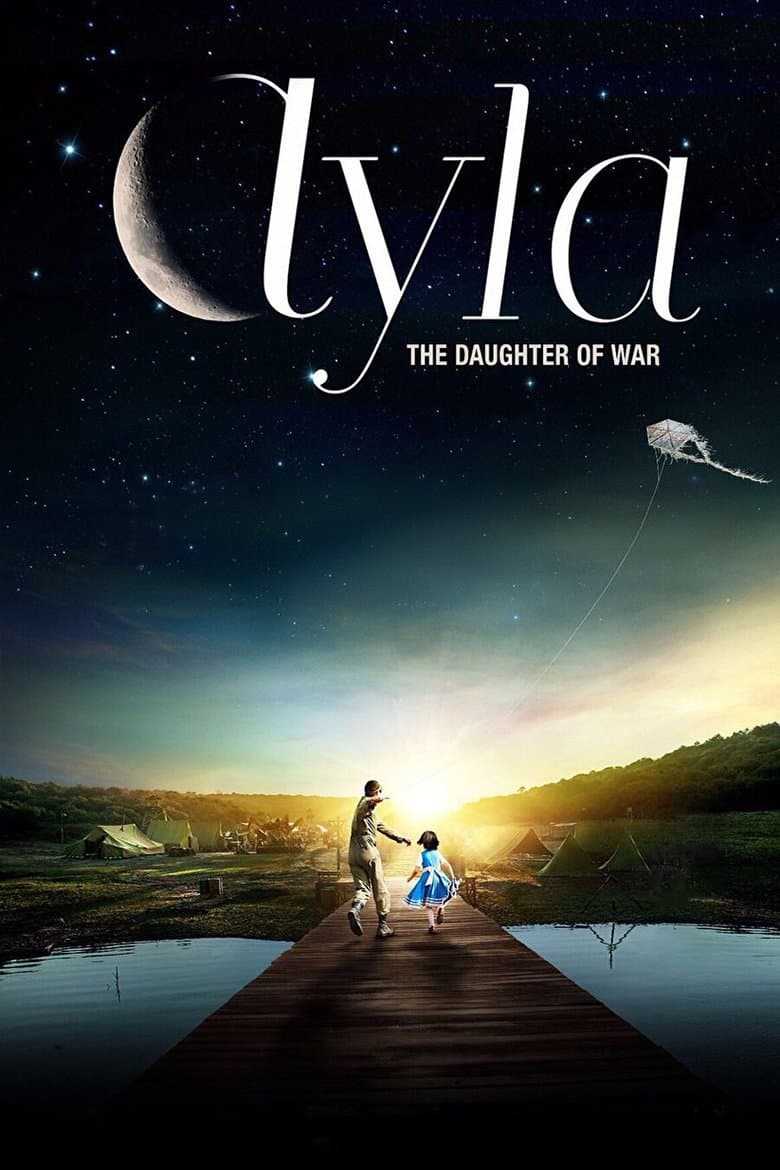
Movie · 2017
In 1950, amidst the ravages of the Korean War, Sergeant Süleyman stumbles upon a a half-frozen little girl, with no parents and no help in sight and he risks his own life to save…
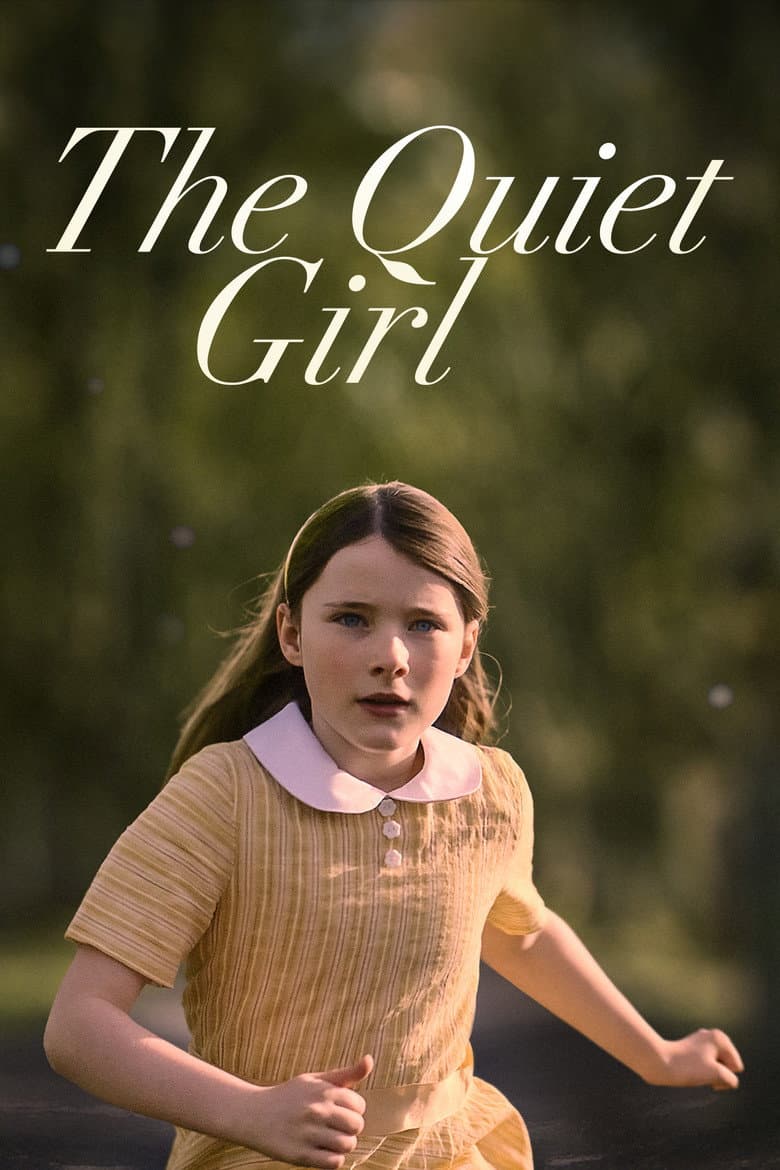
Movie · 2022
A quiet, neglected girl is sent away from her dysfunctional family to live with relatives for the summer. She blossoms in their care, but in this house where there are meant to be…

Movie · 2025
A logger leads a life of quiet grace as he experiences love and loss during an era of monumental change in early 20th-century America.

Movie · 2016
After his older brother passes away, Lee Chandler is forced to return home to care for his 16-year-old nephew.
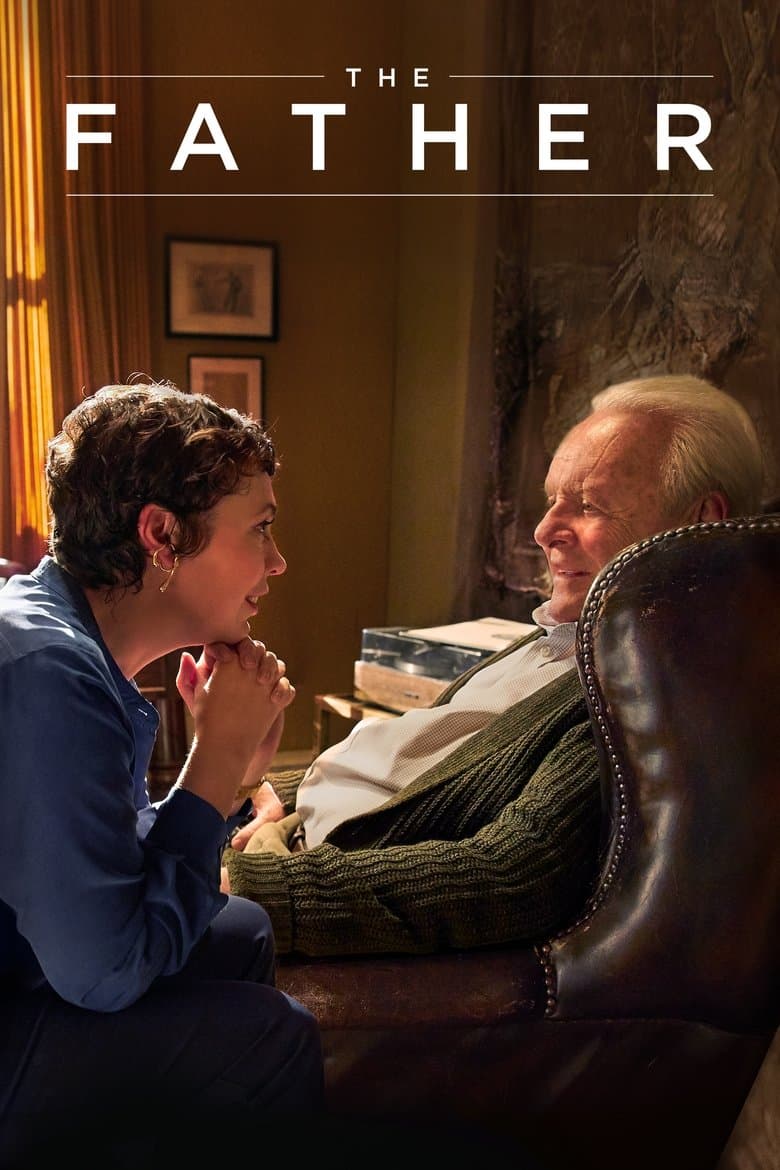
Movie · 2020
A man refuses all assistance from his daughter as he ages and, as he tries to make sense of his changing circumstances, he begins to doubt his loved ones, his own mind and even…

Movie · 2022
Based on a true tragedy, the emotionally triggering film sheds light on the plight of Kashmiri Pandits (Hindus), a religious minority in the 1990s Kashmir valley, who were…

Movie · 2022
London, 1953. Mr. Williams, a veteran civil servant, is an important cog within the city's bureaucracy as it struggles to rebuild in the aftermath of World War II.
