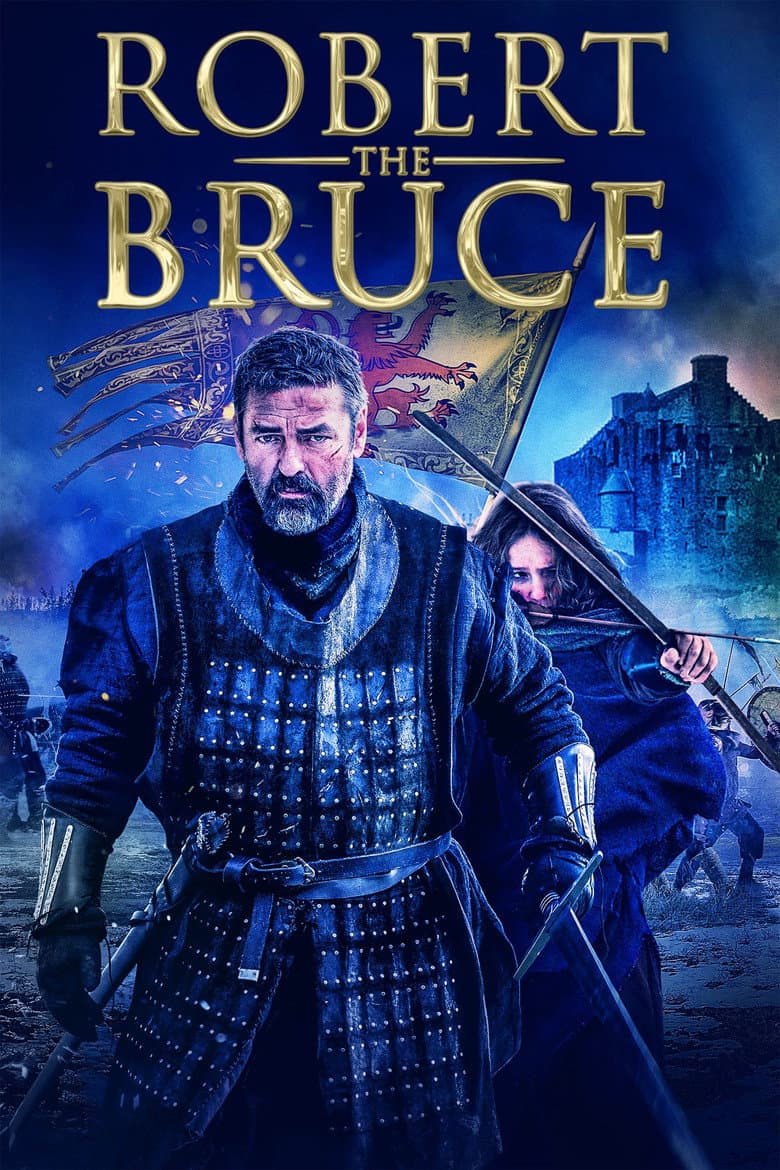
In 1306, Robert the Bruce has lost battles, killed a rival claimant, and become a hunted outlaw. English forces and Scottish enemies chase him through a cold, divided Scotland. A widow named Morag and the children in her care find him wounded and hide him in their mountain home. The quiet historical drama follows Robert as fear and shame give way to the will to fight again.
The film makes Morag and the children central to Robert’s change instead of using them as background figures. Morag heals him, challenges his wish to quit, and helps defend the home. Iver fights with a bow, and Briana risks her life to warn the family before the final attack. These strong female and child heroes are clear across the family story, but the main message remains Scottish freedom, family loyalty, sacrifice, and courage.
Community feedback
Was our 34% Woke rating accurate?
Breakdown
These are the editorial factors and ratings behind our score for Robert the Bruce.
Woke representation / casting
The film gives major roles to widow Morag, archer Iver, and Briana, who warns the family and fights in the final attack. Morag helps lead the defense and kills the local sheriff. The main cast otherwise fits a medieval Scottish setting, with no clear race-based diversity push. The repeated use of women as active heroes is noticeable, but it is not a full representation-first design.
38%
Woke political dialogue
Not present. The film uses speeches about Scottish freedom, loyalty, faith, and war. It does not show modern identity, DEI, or activist lines.
0%
Identity-driven story themes
The story puts a widow and children at the center of Robert’s recovery. Morag heals him, rejects his wish to give up, and kills the sheriff during the final defense. Iver uses a bow, and Briana risks her life to warn the family. The film repeatedly presents women as brave protectors, but its main message remains Scottish freedom, family loyalty, sacrifice, and courage.
42%
Western institutional / cultural critique
Not present. The film shows English rule, clan conflict, and a local sheriff’s abuse as medieval threats. It does not attack modern capitalism, patriarchy, Christianity, family life, or conservative beliefs.
0%
Woke character or canon changes
Not relevant. The film changes some history and adds a fictional family around Robert’s hiding period. It does not change a real figure’s race, sex, sexuality, or hero role.
0%
Anti-woke backlash and complaints
Not present. The supplied X pass found no anti-woke reaction, and reviewed web discussion did not connect the film to DEI or identity politics. Complaints focused on slow pacing, low budget, limited screenings, or confusion with Outlaw King.
0%
Creator track record context
Richard Gray has directed a global-warming documentary but has little public DEI record. Angus Macfadyen has supported Scottish independence. Eric Belgau and most producers have little or no public activist record. Amanda Lenker Doyle has an inclusion-focused casting profile, but no public sign that this film was a diversity project.
14%
Production
Movie · 2016
After his older brother passes away, Lee Chandler is forced to return home to care for his 16-year-old nephew.
Movie · 2025
Diagnosed with Tourette Syndrome at 15, John Davidson navigates his way against the odds through troubled teenage years and into adulthood, finding inspiration in the kindness of…
Movie · 2023
The story of J. Robert Oppenheimer's role in the development of the atomic bomb during World War II.
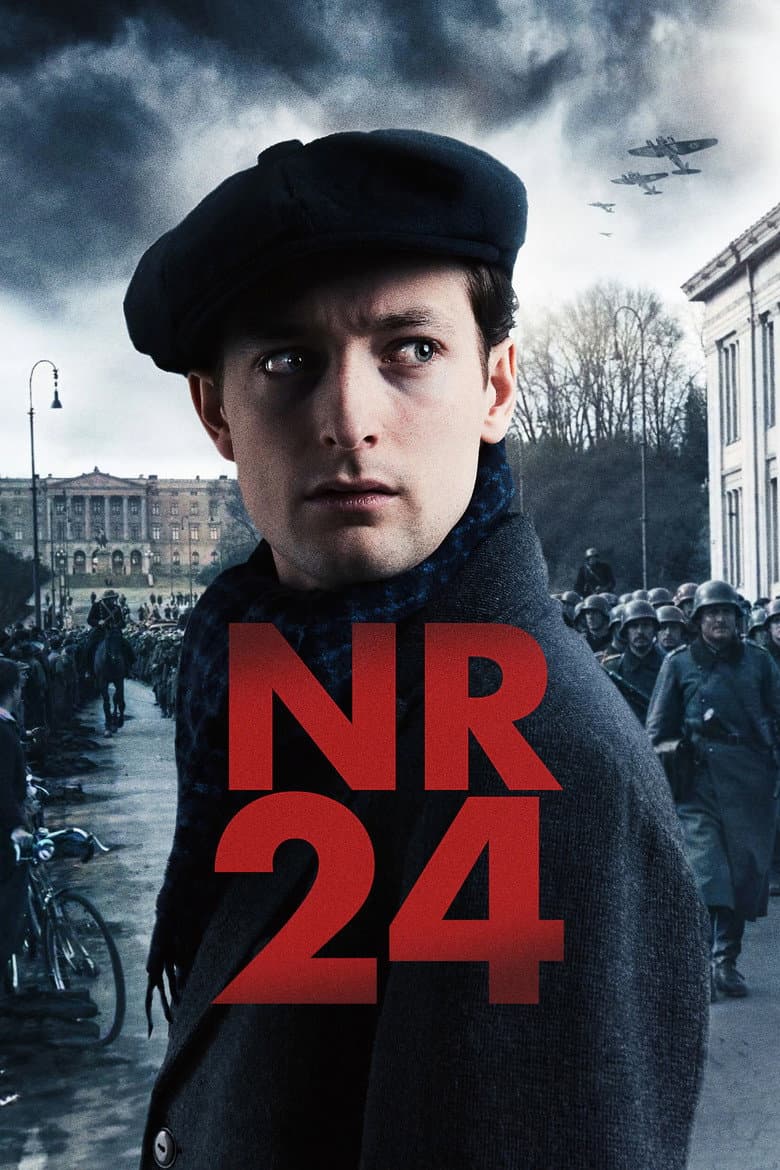
Movie · 2024
On the brink of the Second World War, a young Norwegian man's drive to resist the Nazis sets a new course for his future – and the future of his country.
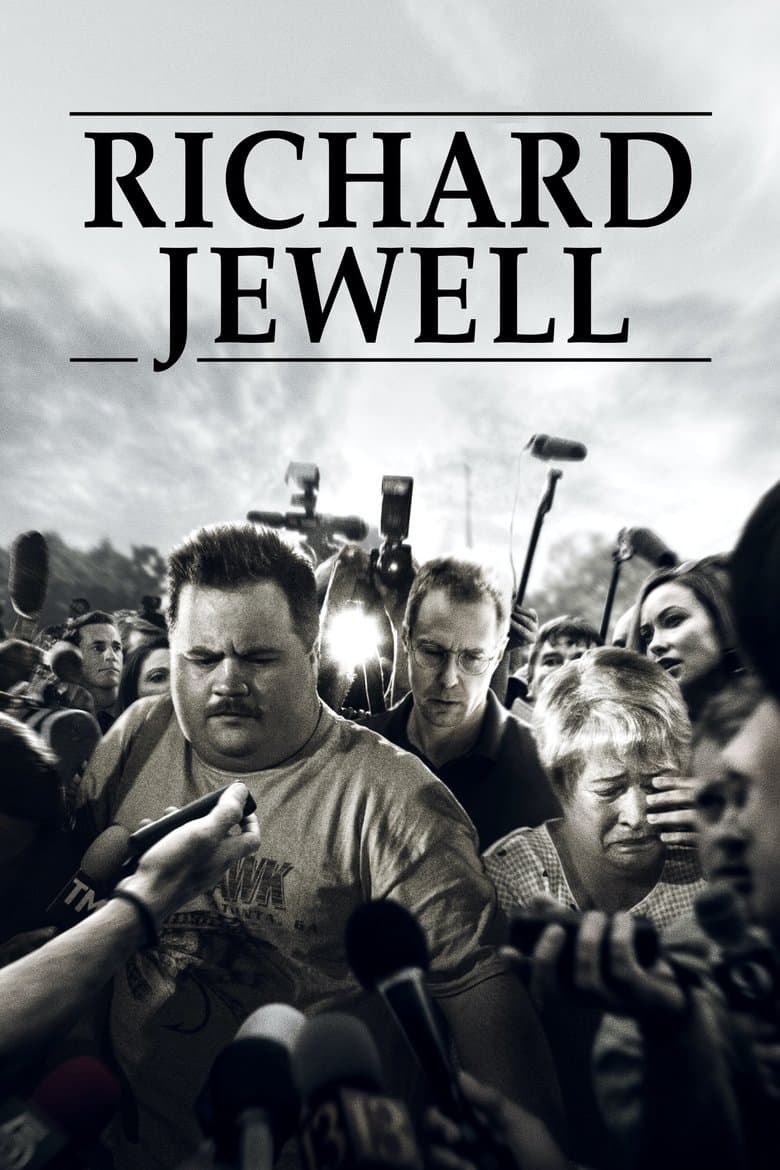
Movie · 2019
Richard Jewell thinks quick, works fast, and saves hundreds, perhaps thousands, of lives after a domestic terrorist plants several pipe bombs and they explode during a concert…
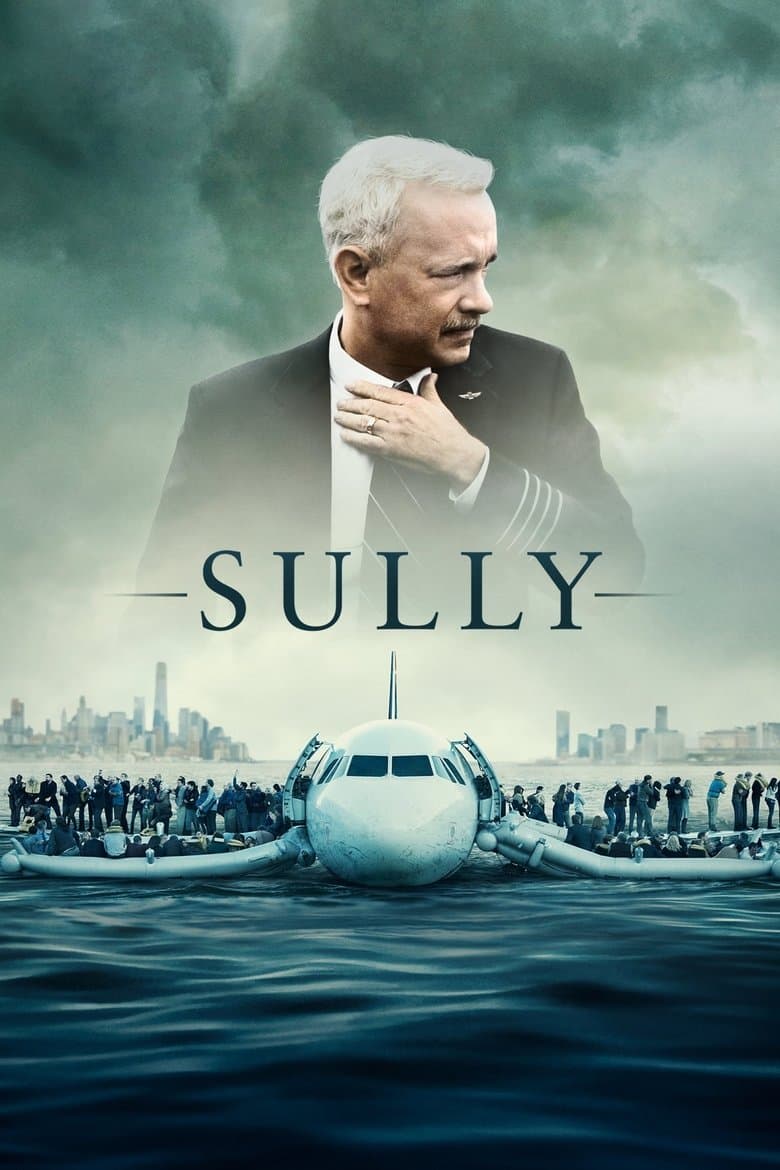
Movie · 2016
On 15 January 2009, the world witnessed the 'Miracle on the Hudson' when Captain 'Sully' Sullenberger glided his disabled plane onto the Hudson River, saving the lives of all 155…
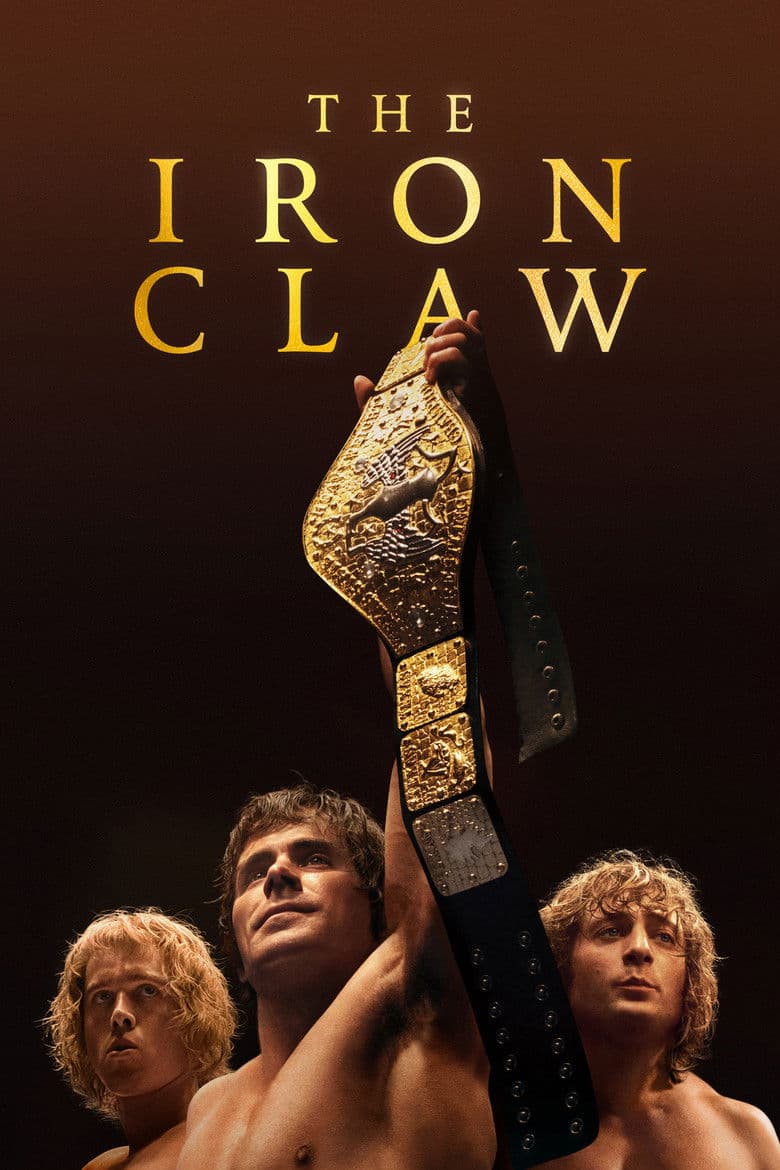
Movie · 2023
The true story of the inseparable Von Erich brothers, who made history in the intensely competitive world of professional wrestling in the early 1980s.
Movie · 2020
A man refuses all assistance from his daughter as he ages and, as he tries to make sense of his changing circumstances, he begins to doubt his loved ones, his own mind and even…
