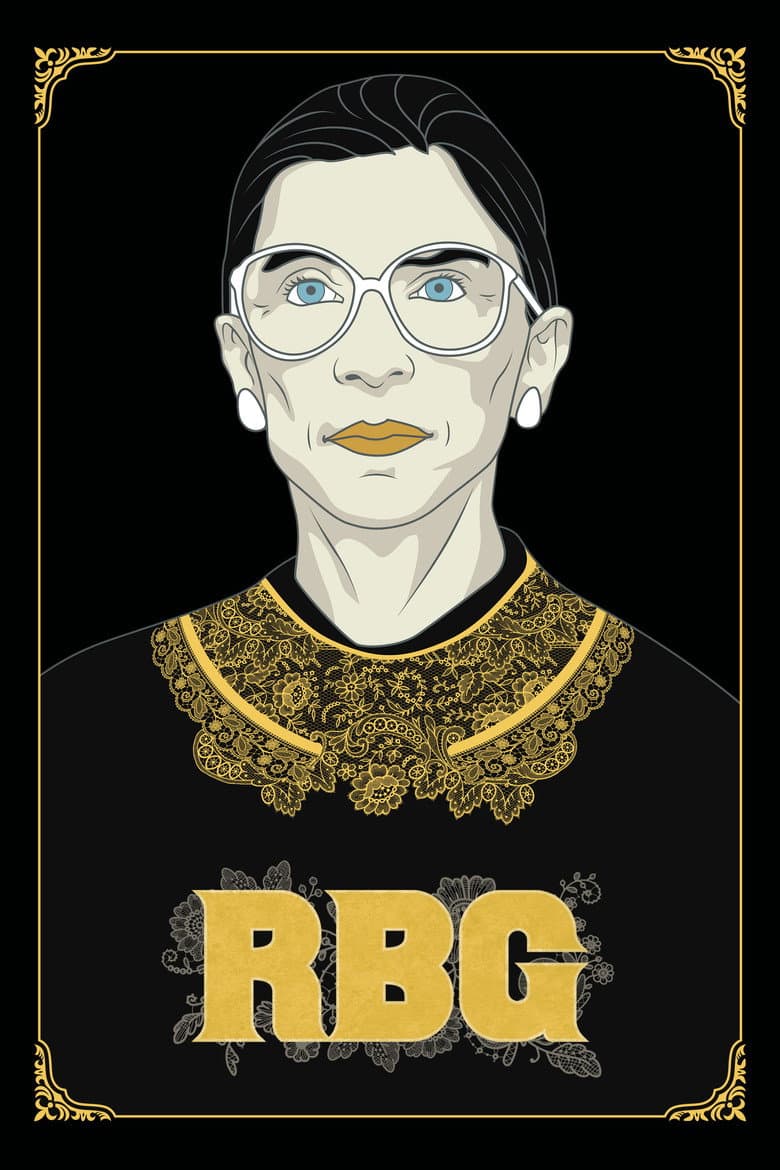
Ruth Bader Ginsburg is an 84-year-old Supreme Court justice whose quiet manner hides a long fight over the meaning of equal rights. The documentary moves from her Brooklyn childhood and Jewish family to Harvard and Columbia Law School, then to her work as a lawyer, judge, and justice. It also follows her close marriage to Marty Ginsburg, a tax lawyer who supported her career, and her friendship with conservative Justice Antonin Scalia. The tone is warm, admiring, and lightly funny, with home movies, court clips, family stories, opera, exercise, and her rise as a public figure.
Gender equality drives the whole story. Ruth explains how American laws treated women as dependents, and the film shows her using court cases to challenge those rules for women and men. The film also includes her support for abortion rights, her work opening the all-male Virginia Military Institute to women, and her criticism of Donald Trump. These points make the documentary a clear feminist and liberal tribute, while its main message is that the Constitution should protect equal treatment for every person.
Community feedback
Was our 75% Woke rating accurate?
Breakdown
These are the editorial factors and ratings behind our score for RBG.
Woke representation / casting
Not present. The documentary uses Ruth Bader Ginsburg and other real people connected to her life. It does not build a fictional cast or use identity-based casting choices.
0%
Woke political dialogue
Ruth repeatedly talks about sex discrimination, equal rights, and the Constitution. The film includes her support for abortion rights and her view that women should control that decision. The film also shows her criticism of Donald Trump and calls her a liberal justice. These lines appear in several parts of the film and support its main subject.
58%
Identity-driven story themes
Ruth’s story is built around the idea that women were treated as less important under American law. Her career advances through cases that challenge rules based on sex. The film presents her as a model for women and girls and links her work to the wider women’s rights movement. Her rise from one of few women in law school to a Supreme Court justice is the main story, not a side theme.
72%
Western institutional / cultural critique
The film repeatedly says that American law treated women as second-class citizens. It presents old roles, such as men as breadwinners and husbands controlling homes, as unfair. It shows male-only schools and legal institutions changing after Ginsburg’s work. It also presents her opposition to current conservative rulings, but it does not attack Christianity or Western culture as a whole.
48%
Woke character or canon changes
Not relevant. This is a documentary about real historical people. It does not change anyone’s race, sex, sexuality, or leadership role for the story.
0%
Anti-woke backlash and complaints
Movieguide called the film one-sided propaganda and objected to its support for abortion rights. A few small conservative or anonymous posts called it liberal or socialist propaganda and mocked the Notorious RBG marketing. The separate X search found no boycott, review-bombing drive, or lasting pile-on, so the backlash remains fringe.
20%
Creator track record context
Betsy West and Julie Cohen have strong records of making films about women’s rights, overlooked people, and identity. West led Makers: Women Who Make America, and Cohen has worked on films about queer black history and intersex lives. The producers have milder social-issue links, so the directors carry most of the title’s creator context.
64%
Production

Movie · 2022
A doomed love triangle between intrepid French scientists Katia and Maurice Krafft, and their beloved volcanoes.
Movie · 2018
A behind-the-scenes documentary about the recording of Aretha Franklin's best-selling album finally sees the light of day more than four decades after the original footage was…
Movie · 2022
Using unprecedented Olympic footage and behind-the-scenes material, The Redeem Team tells the story of the US Olympic Men's Basketball Team’s quest for gold at the 2008 Olympic…
Movie · 2023
Bonded by their love of freediving, a record-setting champion and a heroic safety diver try to make history with a remarkable feat, ready to risk it all.

Movie · 2019
He promised supermodels and yachts, but delivered tents and cheese sandwiches. How one man engineered a music festival disaster.
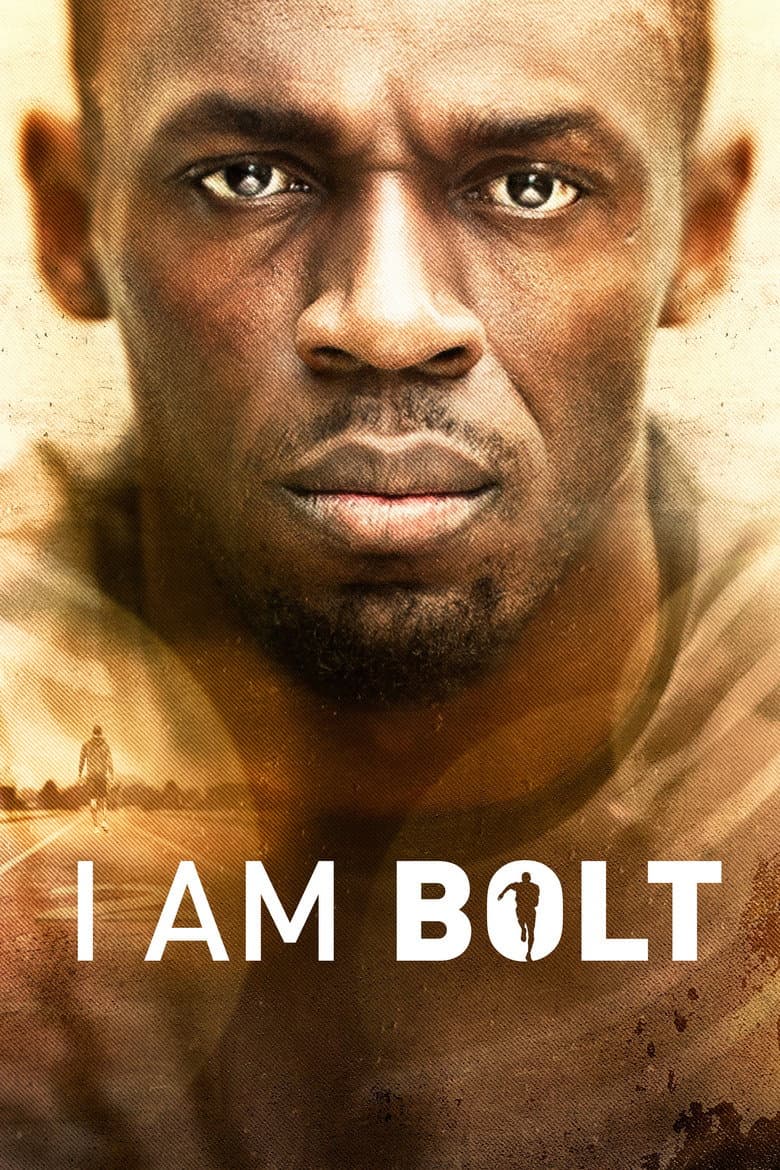
Movie · 2016
Fully authorized, access-all-areas feature doc on the hugely charismatic and globally adored Usain Bolt – officially the fastest man alive.
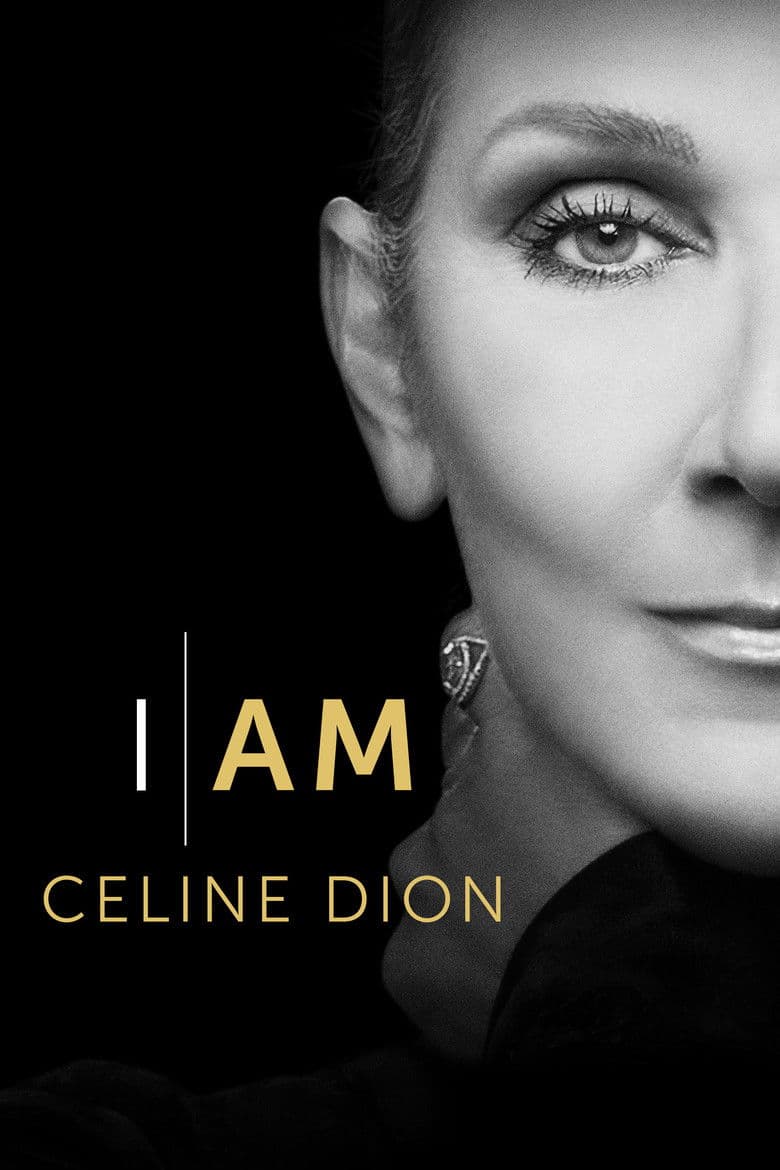
Movie · 2024
A raw and honest behind-the-scenes look at the iconic superstar's struggle with a life-altering illness. Serving as a love letter to her fans, this inspirational documentary…

Movie · 2019
The successes and failures of a couple determined to live in harmony with nature on a farm outside of Los Angeles are lovingly chronicled by filmmaking farmer John Chester, in…
