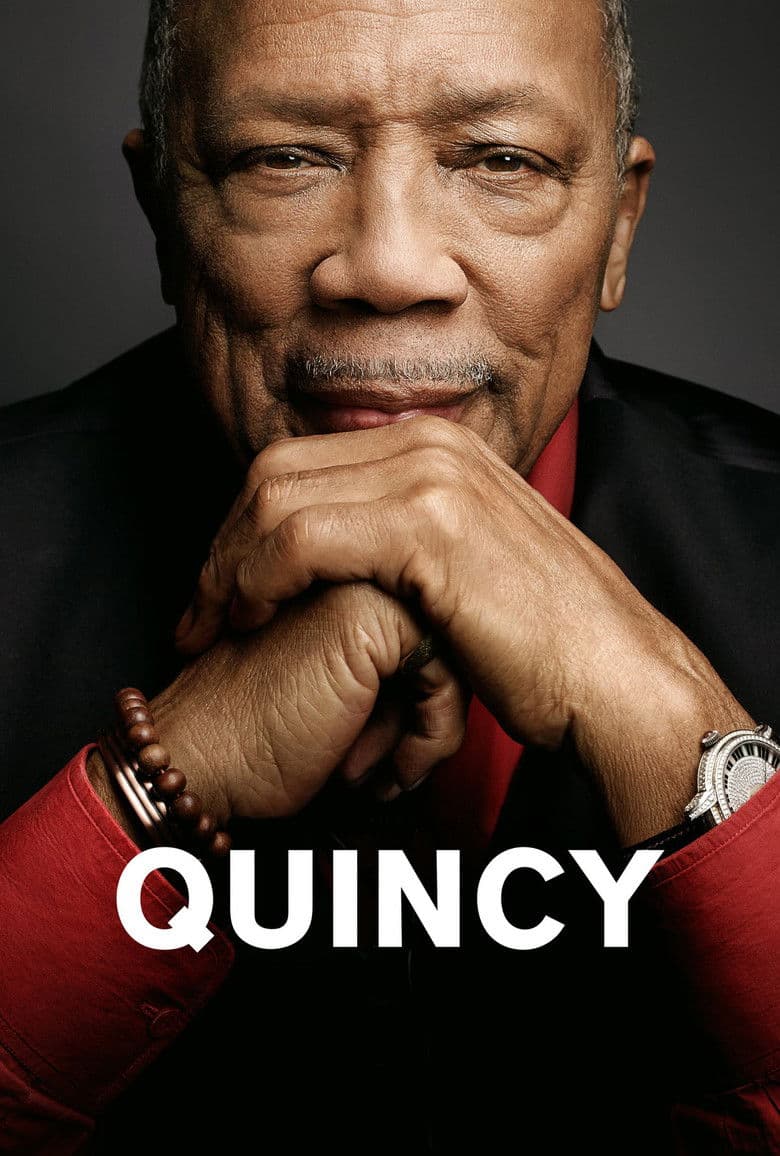
Quincy Jones looks back on a life that began in poor South Side Chicago and grew into a huge career in jazz, pop, film, and television. The film follows him as an older man after serious health problems, while he keeps working, helping younger musicians, and preparing a major show for the opening of the Smithsonian's National Museum of African American History and Culture. It also shows his troubled childhood, family life, broken marriages, drinking, and fear of death. The tone is warm, admiring, busy, and sometimes sad.
The documentary repeatedly shows Jones dealing with racism as a black musician and links his career to black cultural history. It highlights separate hotels, doubts about a black film composer, the African American museum, and his charity work. These parts give the film a clear social message about Black progress and barriers. The message supports the biography, but it does not turn the whole film into a modern identity-politics campaign.
Community feedback
Was our 35% Woke rating accurate?
Breakdown
These are the editorial factors and ratings behind our score for Quincy.
Woke representation / casting
Not present. The film follows Quincy Jones and the real people connected to his career. The people shown fit his music history, so the film does not use a made-up identity mix.
0%
Woke political dialogue
Jones and other voices describe how Black performers were kept from restaurants, hotels, and film work. The film also includes a call for rappers to stop violence and talks about helping people through music. These lines give the documentary a clear social message, but they are tied to his life and appear in limited parts.
16%
Identity-driven story themes
The film repeatedly connects Jones's success to his life as a black man in America. It shows racism in touring, Hollywood, and music history, and it treats the African American museum and black cultural achievement as major parts of his legacy. It also presents his charity work and efforts to bring people together as signs of social progress. These ideas recur across the film, even though the movie remains a broad life story rather than a direct identity-politics campaign.
47%
Western institutional / cultural critique
The film presents separate hotels and racist Hollywood barriers as problems Jones faced. Those scenes come from his real history instead of a broad attack on modern Western institutions. The ending briefly links the African American museum celebration to present-day division and resistance to progress. The film does not build a lasting attack on family, religion, or other Western institutions.
16%
Woke character or canon changes
Not relevant. The documentary presents real people and does not make an identity-based change to a known character or historical event.
0%
Anti-woke backlash and complaints
Not present. The supplied X check found no anti-woke reaction or named complaint. Other reviews and audience posts discuss the film's structure and praise of Jones, not DEI or identity politics.
0%
Creator track record context
Rashida Jones has spoken about race, passing, privilege, and more chances for women and people of color. Ben Cotner's past work often covers LGBTQ rights, racial justice, and institutional power. The other listed creators mainly show human rights, climate, music, or service work without a strong identity-politics record. This gives the film some activist context, but it is not a dominant creator persona.
27%
Production
Movie · 2016
After being denied access to the Church of Scientology's headquarters, documentarian Louis Theroux teams up with ex-Scientology official Marty Rathbun to stage re-enactments of…
Movie · 2017
While investigating the furtive world of illegal doping in sports, director Bryan Fogel connects with renegade Russian scientist Dr.
Movie · 2016
No other band in rock'n'roll history has rivaled The Stooges' combination of heavy primal throb, spiked psychedelia, blues-a-billy grind, complete with succinct angst-ridden…
Movie · 2021
This documentary offers a deeply intimate look at extraordinary teenager Billie Eilish. Award-winning filmmaker R.J.
Movie · 2022
After years in the limelight, Selena Gomez achieves unimaginable stardom. But just as she reaches a new peak, an unexpected turn pulls her into darkness.
Movie · 2022
Follows the man who survived an assassination attempt by poisoning with a lethal nerve agent in August 2020. During his months-long recovery, he makes shocking discoveries about…
Movie · 2016
With stunning views of eruptions and lava flows, Werner Herzog captures the raw power of volcanoes and their ties to indigenous spiritual practices.
Movie · 2016
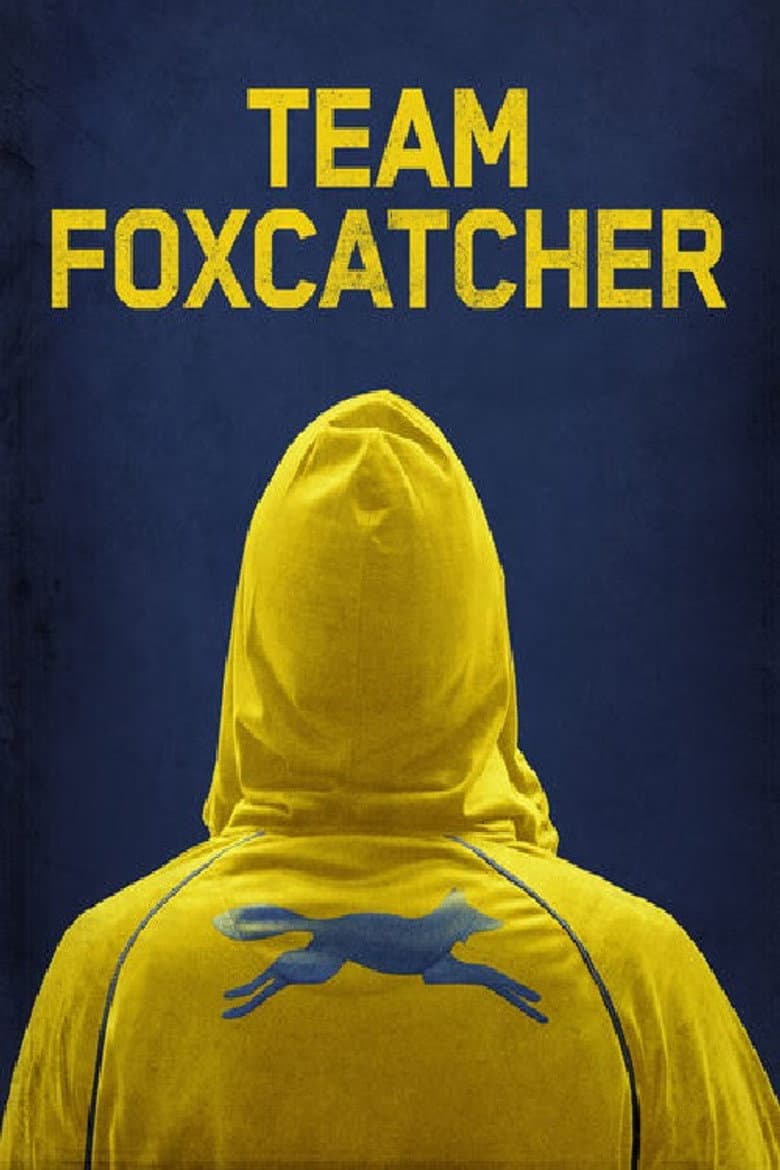
With never-before seen home video, this film recounts the paranoid downward spiral of John E. du Pont and the murder of Olympic wrestler Dave Schultz.
