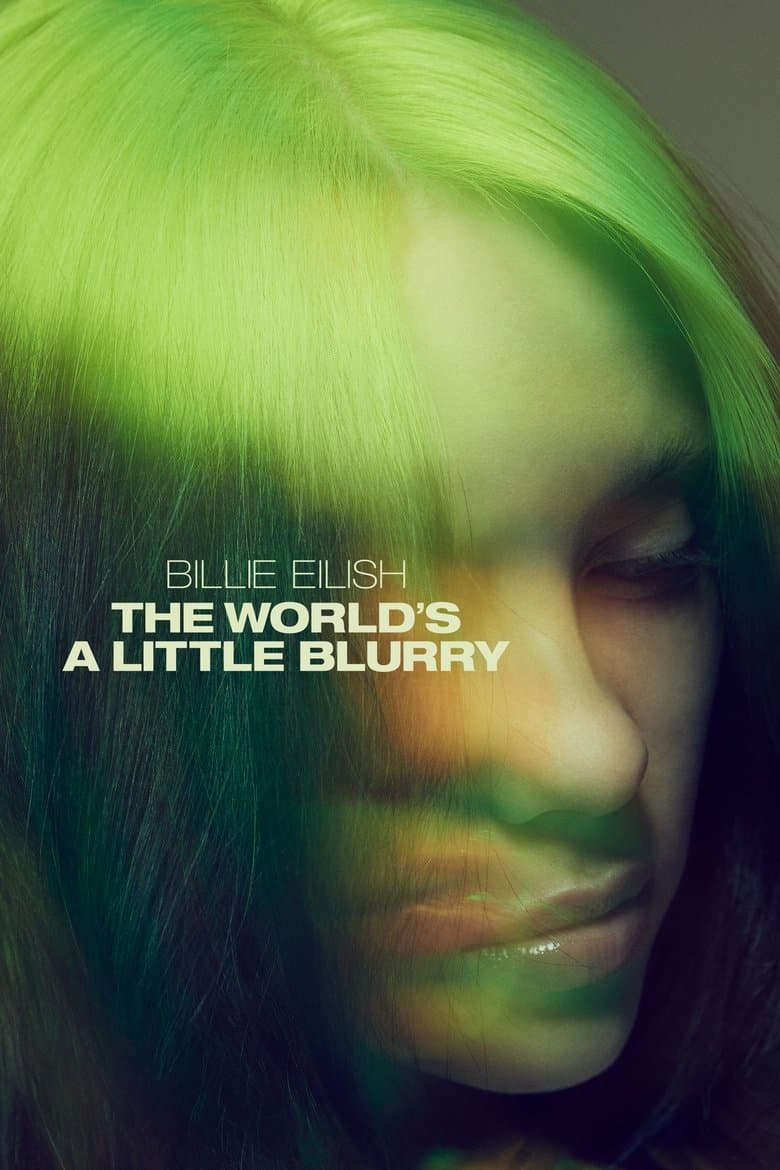
Billie Eilish is a 17-year-old singer who records her first album with her brother Finneas in their family home in Los Angeles. The film follows her from bedroom sessions to concerts, Coachella, a world tour, and the Grammy Awards. Billie struggles with injuries, depression, public judgment, and a boyfriend who gives little support. The tone is close, honest, funny at times, and often sad.
The film mainly tells a personal story about music, family, health, and sudden fame. One short scene links teen depression to money trouble, drug abuse, damage to the planet, and a political climate called racist and hateful. A concert performance of “wish you were gay” repeats a gay reference, but it is about Billie wanting an excuse for a boy’s lack of interest. These moments are easy to notice, yet they do not drive the film’s story or Billie's growth.
Community feedback
Was our 21% Woke rating accurate?
Breakdown
These are the editorial factors and ratings behind our score for Billie Eilish: The World's a Little Blurry.
Woke representation / casting
Not present. The documentary shows Billie, her family, and her music team as themselves. The people appear because they are part of her real life.
0%
Woke political dialogue
Maggie Baird gives one short speech about why teenagers feel depressed. She points to money trouble, drug abuse, possible damage to the planet, and a political climate she calls racist and hateful. The speech supports the film's concern for young people, but politics does not return as a main subject.
18%
Identity-driven story themes
Maggie briefly names racism as one cause of fear among young people. Billie also performs “wish you were gay,” which uses gay identity as an excuse she wishes a boy could give for rejecting her. Neither point becomes an identity-driven story, and the film stays focused on music, family, health, and fame.
12%
Western institutional / cultural critique
Maggie describes modern culture as frightening, racist, hateful, and hurt by drug problems and possible damage to the planet. The film also shows Billie's label and fame system placing heavy pressure on her. These scenes are limited and do not grow into a broad attack on Western society.
18%
Woke character or canon changes
Not relevant. Billie and the other real people appear as themselves. The film does not remake existing characters or alter history for identity reasons.
0%
Anti-woke backlash and complaints
Not present. Public complaints focused on the length, Billie's behavior, her boyfriend, and the record label's control. No clear complaint accused the film of pushing DEI or identity politics.
0%
Creator track record context
Writer and director R.J. Cutler has a cached score of 42 for work on female sexuality, Black political power, and Black inclusion. Several producers have cached scores from 27 to 45 for work on women’s activism, black history, LGBTQ subjects, or diversity efforts. Many other producers have scores from 0 to 3 with no clear activist record. The mixed group gives moderate supporting context.
28%
Production
Movie · 2022
After years in the limelight, Selena Gomez achieves unimaginable stardom. But just as she reaches a new peak, an unexpected turn pulls her into darkness.

Movie · 2022
Follows the man who survived an assassination attempt by poisoning with a lethal nerve agent in August 2020. During his months-long recovery, he makes shocking discoveries about…
Movie · 2018
New York, 1980. Three complete strangers accidentally discover that they're identical triplets, separated at birth.
Movie · 2016
Supersonic charts the meteoric rise of Oasis from the council estates of Manchester to some of the biggest concerts of all time in just three short years.
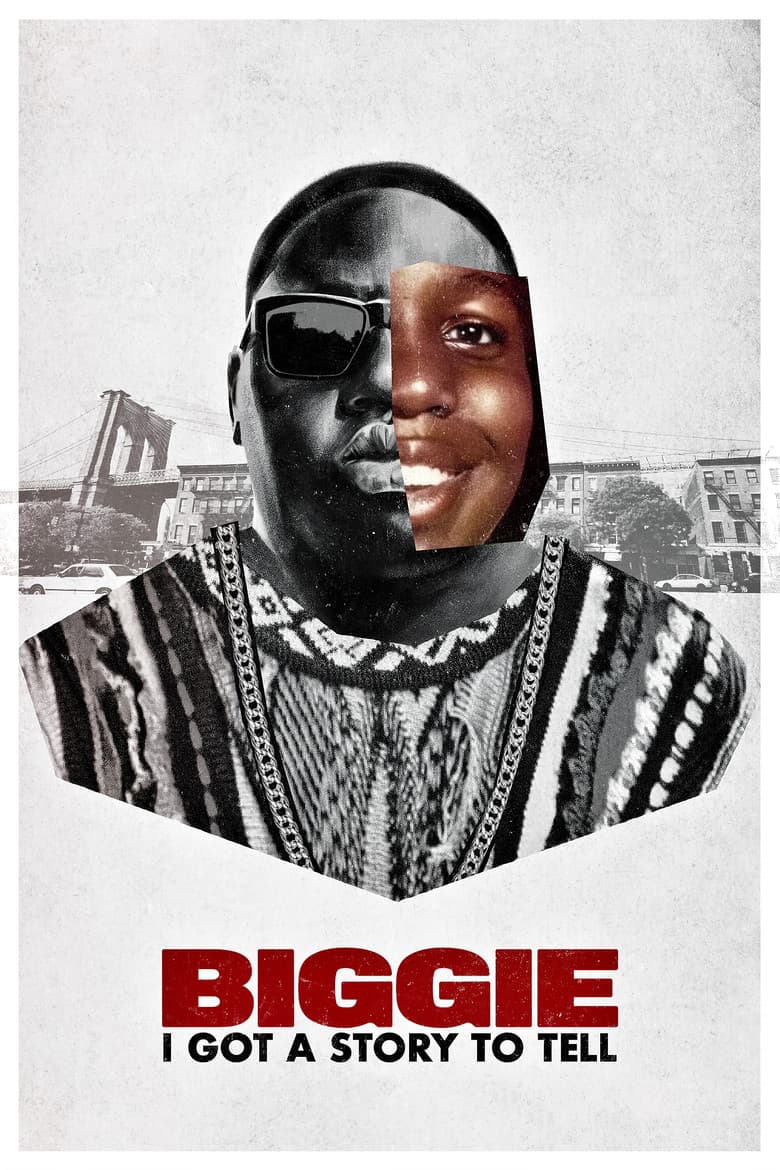
Movie · 2021
Christopher Wallace, AKA The Notorious B.I.G., remains one of Hip-Hop’s icons, renowned for his distinctive flow and autobiographical lyrics.
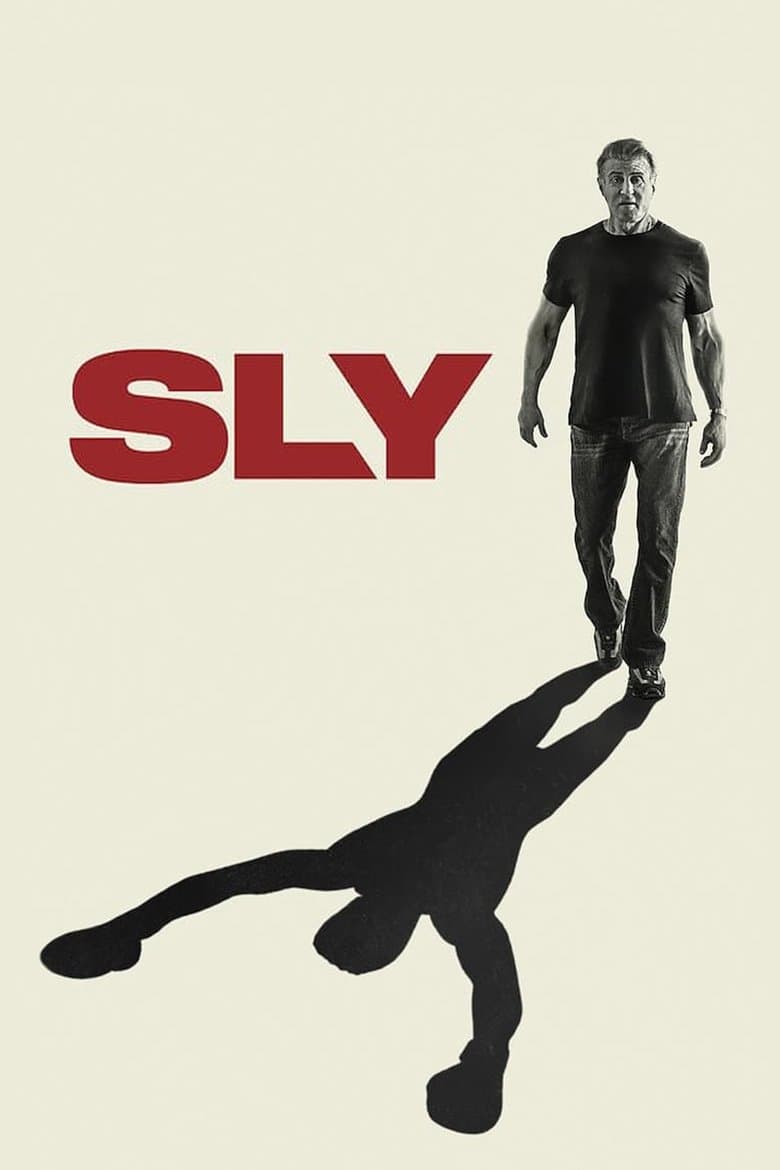
Movie · 2023
His love of film began as an escape from a rocky childhood. From underdog to Hollywood legend, Sylvester Stallone tells his story in this documentary.
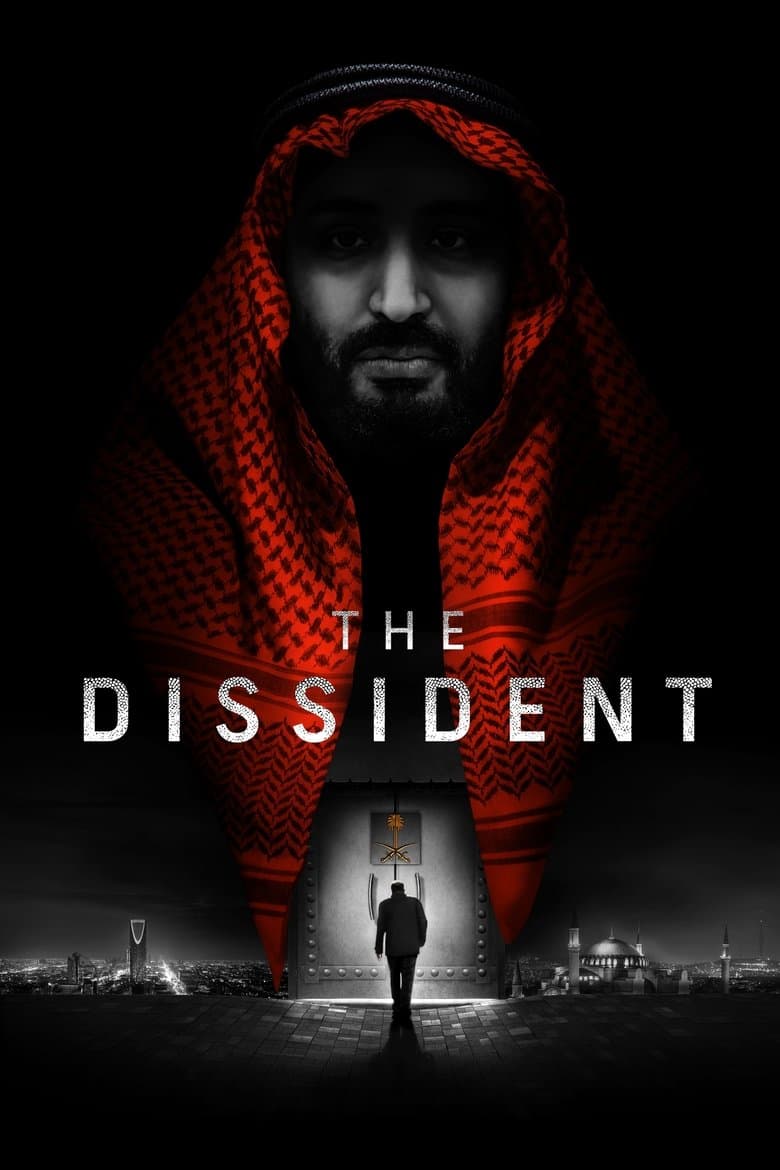
Movie · 2020
When Washington Post journalist Jamal Khashoggi disappears after entering Saudi Arabia’s consulate in Istanbul, his fiancée and dissidents around the world are left to piece…
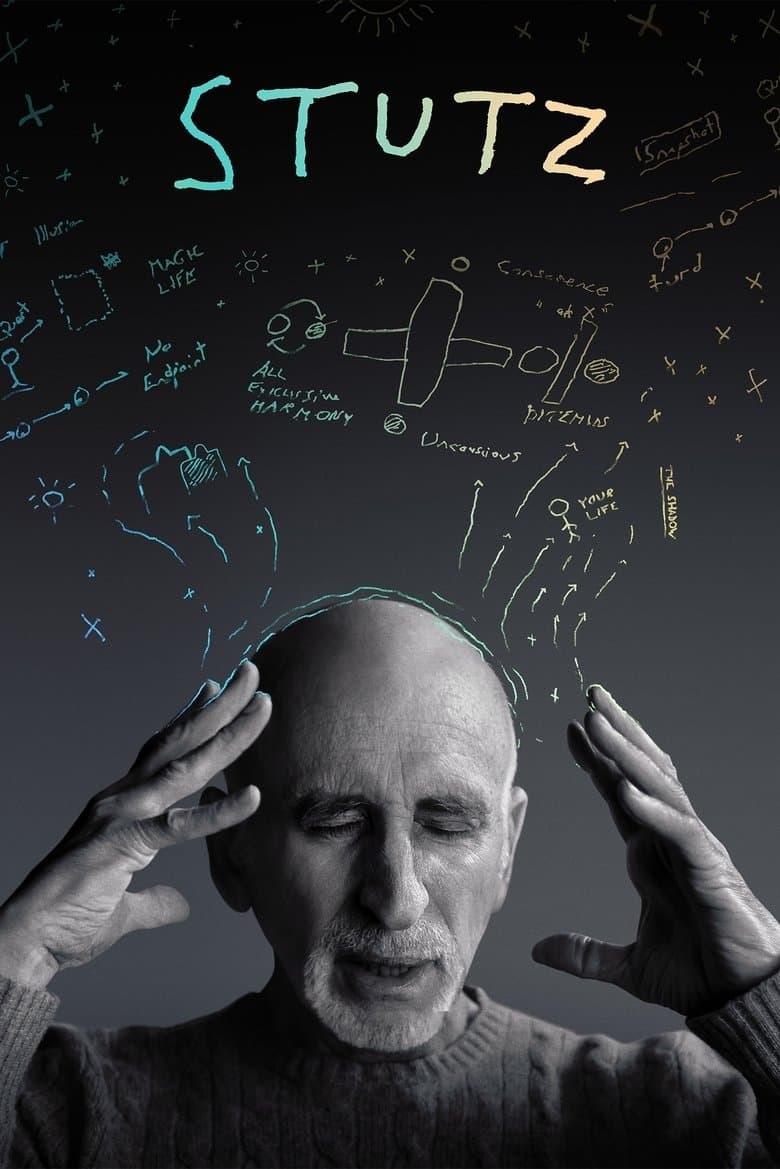
Movie · 2022
In candid conversations with actor Jonah Hill, leading psychiatrist Phil Stutz explores his early life experiences and unique, visual model of therapy.
