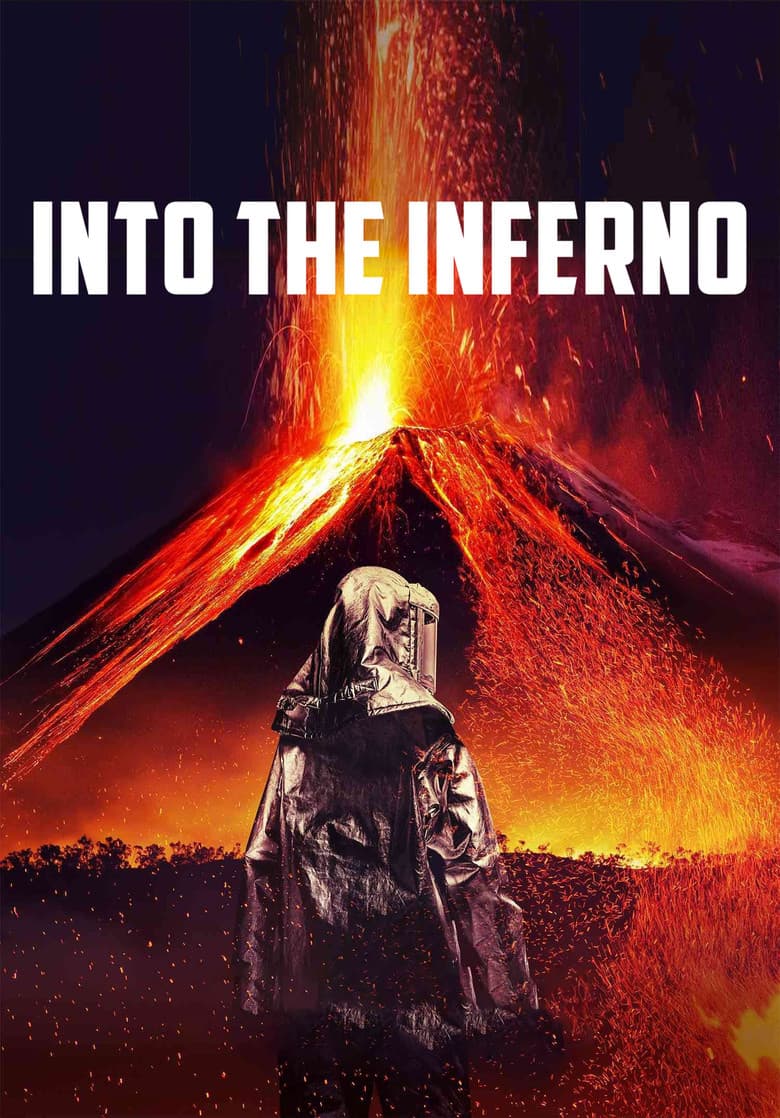
The main guide is volcano scientist Clive Oppenheimer, while Werner Herzog narrates and appears as a curious partner. They travel from Vanuatu and Indonesia to Ethiopia, Iceland, and North Korea to study active volcanoes and the people who live near them. The film moves between lava lakes, research sites, village rituals, old poems, fossil digs, and government ceremonies. Its tone is beautiful, strange, thoughtful, and sometimes dark because nature can destroy without warning.
The clearest identity-related material comes from the film’s attention to local spiritual traditions and the way communities explain volcanoes through gods, ancestors, and sacred stories. Vanuatu villagers describe spirits in the fire and follow John Frum, a mythical American figure linked to Jesus and a future kingdom. In North Korea, the film shows Mount Paektu as a symbol used by the socialist state to support its leaders and national story. These ideas shape several major sections as the film asks how people give meaning to dangerous natural forces.
Community feedback
Was our 8% Woke rating accurate?
Breakdown
These are the editorial factors and ratings behind our score for Into the Inferno.
Woke representation / casting
Not present. The film follows real scientists, villagers, and officials in their own locations. It does not build its subjects around identity signaling or diversity-first messaging.
0%
Woke political dialogue
Not present. The film discusses North Korean propaganda and state power, but it does not use modern identity, gender, DEI, or activist lines. Its political comments describe a strict state instead of promoting a current social cause.
0%
Identity-driven story themes
The film gives repeated attention to indigenous and local spiritual beliefs around volcanoes. Vanuatu villagers describe spirits, ancestors, and John Frum, while North Korea links Mount Paektu to a national story. These themes are cultural and religious rather than modern identity politics. The film still spends most of its time on volcanoes, science, and human curiosity.
12%
Western institutional / cultural critique
Not present. The film questions North Korean propaganda and human myth-making. It does not target Western institutions, Christianity, family life, traditional gender roles, or capitalism with modern activist messaging. Its main criticism is about state control and the power of nature.
0%
Woke character or canon changes
Not relevant. The film is an original nonfiction trip about real places and beliefs. It does not adapt a fictional story or change the identity of a known character or historical figure.
0%
Anti-woke backlash and complaints
Not present. The supplied X pass found no anti-woke posts. Reviewed news, Reddit, and audience posts show no specific complaints that the film pushes DEI, identity politics, or left-wing messaging.
0%
Creator track record context
Werner Herzog has a stored woke score of 7/100 and a record centered on nature, science, and human obsession. Clive Oppenheimer has a stored score of 8/100 and mainly works in volcanology and public science. Most listed producers also have low stored scores. Adam Del Deo and Lisa Nishimura have somewhat higher stored scores because of wider social-theme documentary work, but no title-specific activist framing is tied to this film.
10%
Production
Movie · 2016
Werner Herzog's exploration of the Internet and the connected world.
Movie · 2021
Through exclusive interviews and archival footage, this documentary traces an intimate portrait of seven-time Formula 1 champion Michael Schumacher.
Movie · 2023
A courageous pastor uses his underground network to rescue and aid North Korean families as they risk their lives to embrace freedom.
Movie · 2018
A documentary about World War I with never-before-seen footage to commemorate the centennial of Armistice Day, and the end of the war.

Movie · 2025
Vulgar, taunting texts blow up the phones of a teen and her boyfriend. Who's sending them — and why? This twisty documentary reveals the shocking answer.
Movie · 2016
With never-before seen home video, this film recounts the paranoid downward spiral of John E. du Pont and the murder of Olympic wrestler Dave Schultz.
Movie · 2022
Follows the man who survived an assassination attempt by poisoning with a lethal nerve agent in August 2020. During his months-long recovery, he makes shocking discoveries about…
Movie · 2020
With this inventive portrait, director Kirsten Johnson seeks a way to keep her 86-year-old father alive forever.
