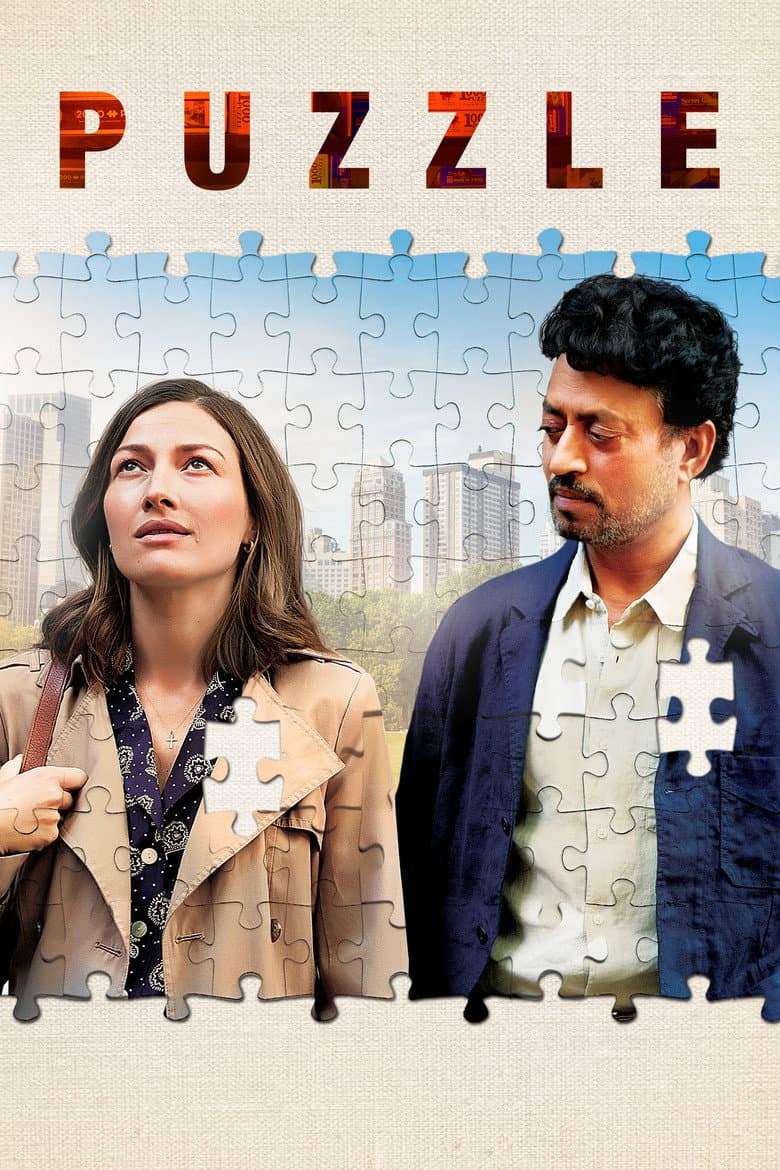
Agnes is a quiet, middle-aged housewife who lives with her husband, Louie, and their two sons in Bridgeport, Connecticut. She spends her days cooking, cleaning, shopping, and caring for her family, while her church group and old home keep her world small. A birthday gift reveals that she can solve large jigsaw puzzles with unusual speed. She travels to New York, meets the wealthy puzzle expert Robert, and enters a contest while hiding this new part of her life. The film is a slow, gentle drama about a woman testing what she wants after years of putting others first.
The main woke element is a strong female self-discovery story built around Agnes breaking away from a traditional wife and mother role. The film treats her housework and Louie's old ideas about men and women as limits that she must question. Agnes becomes the most gifted person in the central puzzle contest, and the men around her mostly react to her choices or help her. Her affair and final choice to travel alone make personal freedom more important than keeping the old family pattern. The message is clear, but the film stays quiet and personal instead of becoming a political speech.
Community feedback
Was our 53% Woke rating accurate?
Breakdown
These are the editorial factors and ratings behind our score for Puzzle.
Woke representation / casting
Not present. The film includes Indian actor Irrfan Khan as Robert opposite white actress Kelly Macdonald as Agnes, but the modern New York setting makes the pairing plausible. The story does not present their identities as a diversity goal or build a broad representation pattern.
0%
Woke political dialogue
Louie says that cooking is not a manly thing to do when Ziggy considers culinary school. Agnes says she works at home when Robert describes his own work, which shows how her unpaid labor is treated as ordinary. These brief lines question old gender rules, but the film does not turn them into a long political speech.
24%
Identity-driven story themes
Agnes spends the opening part of the film serving her husband and sons and doing nearly all the housework. Her puzzle talent gives her a private goal, new travel, and a stronger voice. The story treats her old wife-and-mother role as too narrow and presents personal independence as the hopeful answer. Her affair and final decision to travel alone make this change central, although the film stays focused on one family rather than a wider activist movement.
55%
Western institutional / cultural critique
The film repeatedly shows family life built around Louie's job and Agnes's unpaid housework. Louie's requests for meals, shopping, and predictable behavior make his protection feel controlling, even though he is not cruel. The story sides with Agnes when she rejects that pattern and questions old ideas about what women and men should do. The critique stays inside one family and does not attack churches, capitalism, or all men as a system.
42%
Woke character or canon changes
The 2018 film is an American remake of the 2010 Argentine film Rompecabezas. The earlier film used Argentine actor Arturo Goetz as Roberto, while this version casts Indian actor Irrfan Khan as Robert. That is a visible ethnicity change in a major character, but no public coverage presents it as an ideological change. The setting and names also change, but those changes are not identity-based.
24%
Anti-woke backlash and complaints
Not present. No anti-woke backlash was found. Reviews and audience comments focused on slow pacing, the ending, and the acting, not on DEI, identity politics, or activist messaging. The supplied X pass also found no specific anti-woke complaints.
0%
Creator track record context
Marc Turtletaub has a low stored score and no strong identity-activist pattern. Oren Moverman has a progressive social-drama record, while Natalia Smirnoff often centers women, family pressure, and personal freedom. Smirnoff's work matches the film's female self-discovery theme, but the movie does not use strong DEI branding. Polly Mann and most cached producers add little activist context, while Avy Kaufman's diverse-project history remains background only.
32%
Production
Movie · 2019
Richard Jewell thinks quick, works fast, and saves hundreds, perhaps thousands, of lives after a domestic terrorist plants several pipe bombs and they explode during a concert…
Movie · 2016
WWII American Army Medic Desmond T. Doss, who served during the Battle of Okinawa, refuses to kill people and becomes the first Conscientious Objector in American history to…

Movie · 2024
On the brink of the Second World War, a young Norwegian man's drive to resist the Nazis sets a new course for his future – and the future of his country.

Movie · 2023
The story of J. Robert Oppenheimer's role in the development of the atomic bomb during World War II.
Movie · 2022
A quiet, neglected girl is sent away from her dysfunctional family to live with relatives for the summer. She blossoms in their care, but in this house where there are meant to be…
Movie · 2020
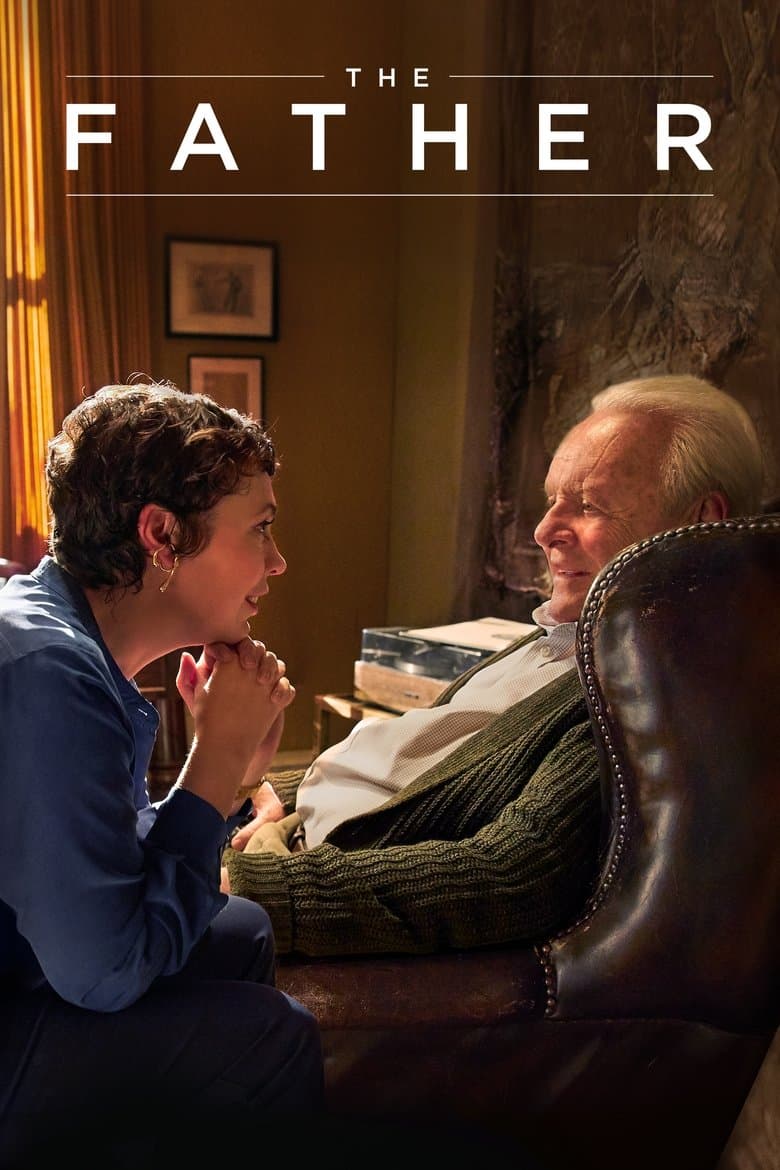
A man refuses all assistance from his daughter as he ages and, as he tries to make sense of his changing circumstances, he begins to doubt his loved ones, his own mind and even…

Movie · 2023
American ballet dancer Joy Womack is accepted into Moscow's infamously tough Bolshoi Ballet Academy, with the dream of becoming a great ballerina.

Movie · 2016
After his older brother passes away, Lee Chandler is forced to return home to care for his 16-year-old nephew.
