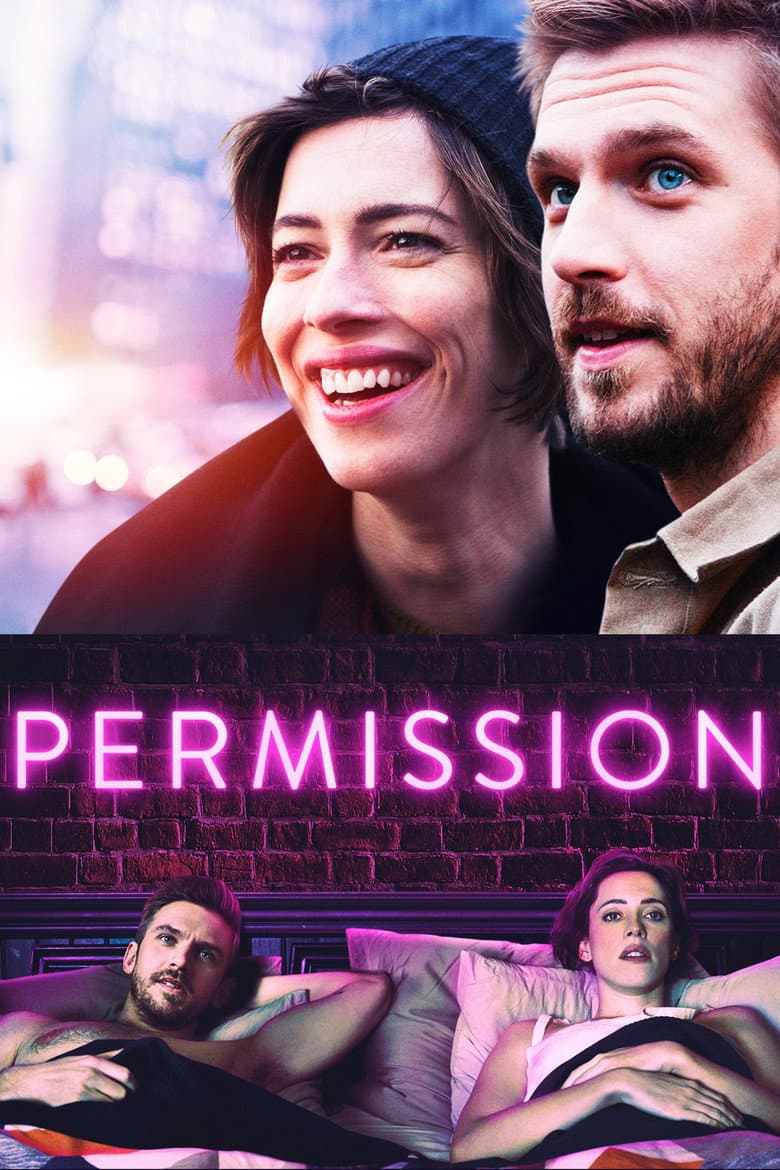
Permission is a 2018 romantic comedy drama set in Brooklyn, New York. Anna and Will have been together since high school, and they are each other’s first and only sexual partners. When Will is about to propose, a drunken remark makes Anna wonder if they should sleep with other people before marriage. The film follows their awkward experiment and the changes it brings to their love, friendship, and plans for the future. Its tone is playful at times but often serious and uneasy.
The film makes sexual freedom, open relationships, and the pressure to marry central parts of Anna’s self-discovery. Anna starts the experiment and is allowed to want sex without being treated as a villain. Anna’s gay brother Hale and his boyfriend Reece have a major story about whether they want to become parents. The film treats same-sex love, adoption, and family choices as ordinary parts of adult life, while it questions the idea that marriage and monogamy should be accepted without discussion.
Community feedback
Was our 57% Woke rating accurate?
Breakdown
These are the editorial factors and ratings behind our score for Permission.
Woke representation / casting
The film gives major screen time to Hale and Reece, a long-term gay couple, and presents their relationship as normal. The cast does not use a large mix of minority identities or a clear diversity-first pattern, and most main roles are white. The gay couple is a real story branch, so the identity choice is visible even though it is not a broad cast design.
18%
Woke political dialogue
Anna and Will repeatedly discuss whether a long relationship must lead to marriage and whether each partner may seek sex elsewhere. Anna directly asks Will to sleep with other women, which puts a woman’s sexual choice at the center of the dialogue. The film has no party politics or long activist speeches.
29%
Identity-driven story themes
Anna’s self-discovery is built around questioning lifelong monogamy and the idea that a good woman should simply marry and settle down. The film treats her sexual agency as a normal part of adult choice and does not punish her for wanting new partners. Hale and Reece have a continuing story about a gay couple deciding whether to adopt, and the film gives their family question major space. These themes shape the main plot and a large secondary plot.
62%
Western institutional / cultural critique
Anna questions the social pressure that tells adults to marry, stay with one partner, and move toward children on a set schedule. The story also challenges the old idea that a woman who seeks sex is bad while a man who does so is normal. The film presents these rules as habits that people should examine, not as fixed truths. It does not attack Christianity, capitalism, or government institutions.
43%
Woke character or canon changes
Not relevant. The film is an original modern story. It does not alter established characters or real historical figures.
0%
Anti-woke backlash and complaints
Not present. No anti-woke campaign, boycott, or review-bombing tied to the film was found. The small amount of audience debate focused on non-monogamy and story quality, not woke politics.
0%
Creator track record context
Brian Crano’s earlier work centers on queer relationships, gender expectations, and family choices, and he said this film was meant to give Anna sexual agency. Rebecca Hall’s wider career includes feminist and identity-focused work, and her title interviews stress pressure on women to marry and have children. The other producers and casting directors have little public record of activist or identity-driven work. This makes the creative context meaningful but mixed.
45%
Production
Movie · 2016
A young woman struggles to move on with her life after the death of her husband, an acclaimed folk singer, when a brash New York writer forces her to confront her loss and the…
Movie · 2020
Lonely college freshman Alex has closed himself off from his peers, who all appear to have this whole "college thing" figured out.
Movie · 2016
Maggie's plan to have a baby on her own with a sperm donor is derailed when she falls in love with John, an older married professor, destroying his volatile marriage to the…
Movie · 2016
A sex therapist goes through puberty after the successful removal of a benign tumor resting against his pituitary gland.
Movie · 2024
Fran likes to think about dying. It brings sensation to her quiet life. When she makes the new guy at work laugh, it leads to more: a date, a slice of pie, a conversation, a…
Movie · 2023
Two romantic burnouts, Jane and Will, are immediately drawn to each other at a mutual friend’s wedding. After a disastrous hookup in the coatroom, the two spend the next 24 hours…
Movie · 2021
The story of Gary Valentine and Alana Kane growing up, running around and going through the treacherous navigation of first love in the San Fernando Valley, 1973.
Movie · 2023
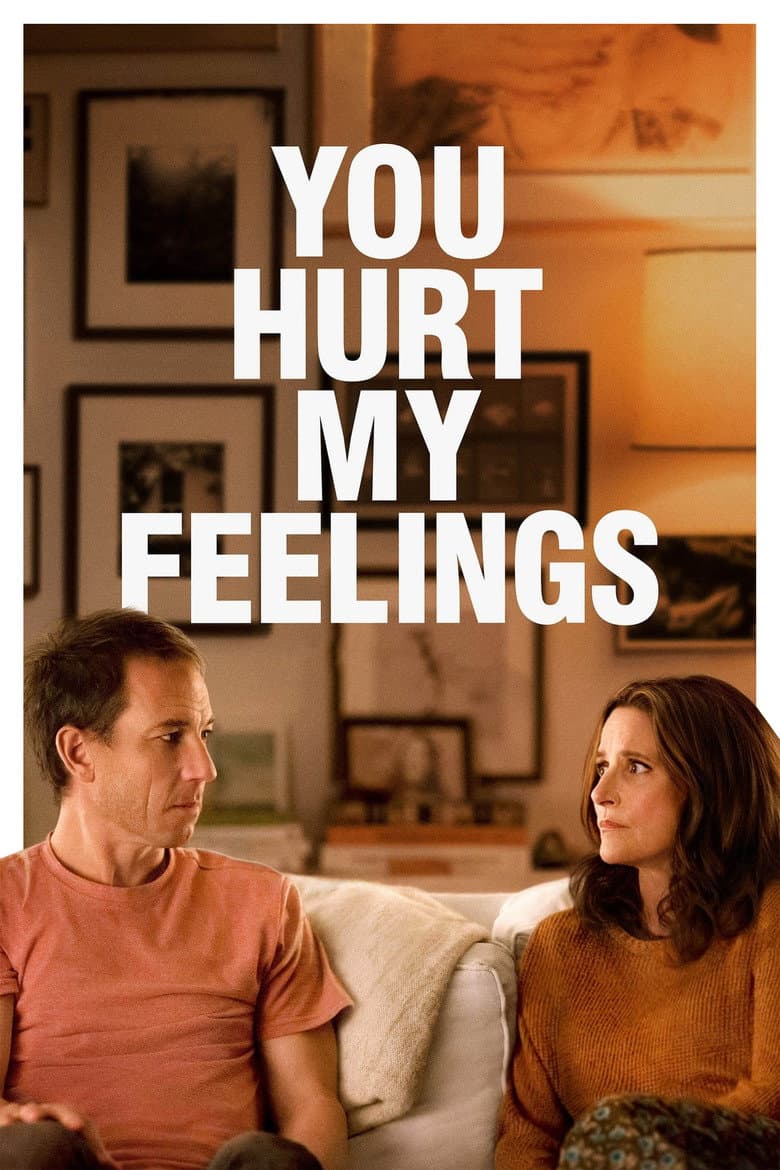
A novelist's longstanding marriage is suddenly upended when she overhears her husband giving his honest reaction to her latest book.
