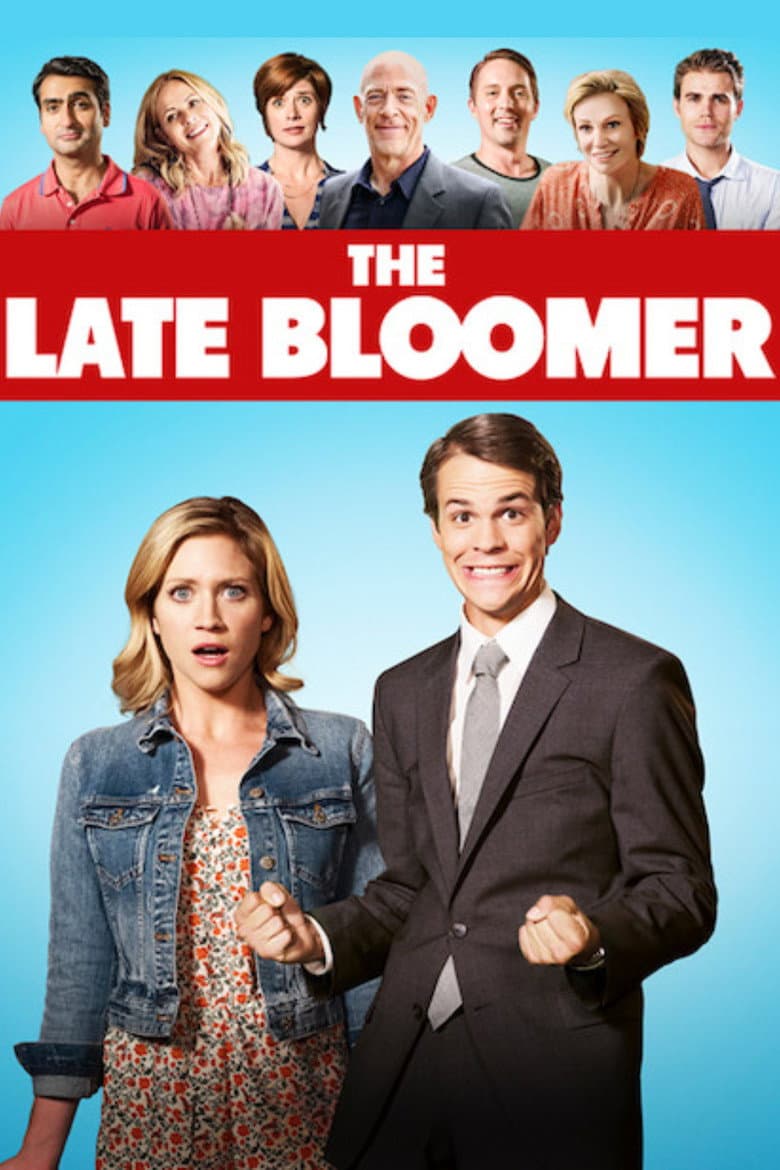
Peter Newmans is a 30-year-old sex therapist in Los Angeles who has never gone through puberty. A brain tumor near a hormone gland kept his body from making normal amounts of hormones. After doctors remove the tumor, Peter goes through years of puberty in about three weeks. The change brings acne, a cracking voice, strong sexual urges, jealousy, bad choices, and a rough comedy tone.
Peter first believes sex distracts people from success, but his new urges push him toward Tinder, casual sex, and his neighbor Michelle. His friends and parents treat his lack of desire as strange, and some scenes ask whether he might be gay before the medical answer appears. The story then presents sexual desire as part of becoming a proper man and ends with Peter learning to accept sex, romance, and fatherhood. The film includes a few gay jokes and a brief message against sex-shaming, but its main focus is a conventional male growing-up story rather than a modern identity message.
Community feedback
Was our 12% Woke rating accurate?
Breakdown
These are the editorial factors and ratings behind our score for The Late Bloomer.
Woke representation / casting
Not present. The film uses a mixed modern Los Angeles cast, including a female office head and a South Asian friend. The movie does not frame these choices as a diversity goal, and the mix does not clearly go beyond a normal modern comedy cast.
0%
Woke political dialogue
Peter ends by saying adults should have consensual sex and should not be shamed for it. The message is a short closing idea, not a repeated political argument. Most dialogue uses sex jokes, gay jokes, and talk about puberty instead of DEI or activist politics.
14%
Identity-driven story themes
The film briefly turns Peter’s lack of sexual desire into questions about whether he is gay or whether something is wrong with him. His friends and parents treat his lack of interest as abnormal until the tumor explains it. The story then moves into ordinary heterosexual dating and fatherhood instead of a queer or activist identity arc.
12%
Western institutional / cultural critique
Not present. The office, family, and dating world create jokes and conflict. The film does not attack Western institutions, Christianity, capitalism, or traditional family life.
0%
Woke character or canon changes
Not relevant. The film adapts Ken Baker’s memoir into a fictional comedy. It does not change a known fictional character, franchise, or historical figure for an identity message.
0%
Anti-woke backlash and complaints
Not present. The separate X research pass found no anti-woke posts, boycott talk, or defense of the film as not woke. Wider coverage found criticism of the comedy and asexuality treatment, not complaints about DEI or identity politics.
0%
Creator track record context
Kevin Pollak and the listed writers have cached scores from 0 to 3 and mainly worked in mainstream comedy or commercial entertainment. Producer Clare Munn has a stronger social-impact and gender-equality record, while Burton Ritchie has ties to gender-media work. Those background signals are limited and are not clearly used to frame this movie as activist or identity-driven.
8%
Production
Movie · 2016
The story of a young man who arrives in Hollywood during the 1930s hoping to work in the film industry, falls in love, and finds himself swept up in the vibrant café society that…

Movie · 2023
College freshman Abby tries to distance herself from her dark past while resisting her attraction to bad boy Travis.
Movie · 2024
Fran likes to think about dying. It brings sensation to her quiet life. When she makes the new guy at work laugh, it leads to more: a date, a slice of pie, a conversation, a…

Movie · 2023
Mira Ray, dealing with the loss of her fiancé, John, sends a series of romantic texts to his old cell phone number… not realizing the number was reassigned to Rob Burns' new work…
Movie · 2017
After the early death of his wife, a mourning father moves with his teenage son across the country for a private school teaching job.
Movie · 2016
From Jane Austen’s novella, the beautiful and cunning Lady Susan Vernon visits the estate of her in-laws to wait out colorful rumors of her dalliances and to find husbands for…
Movie · 2020
Lonely college freshman Alex has closed himself off from his peers, who all appear to have this whole "college thing" figured out.

Movie · 2016
A week in the life of Paterson, a poet bus driver, and his wife Laura, a very creative artist, who live in Paterson, New Jersey, hometown of many famous poets and artists.
