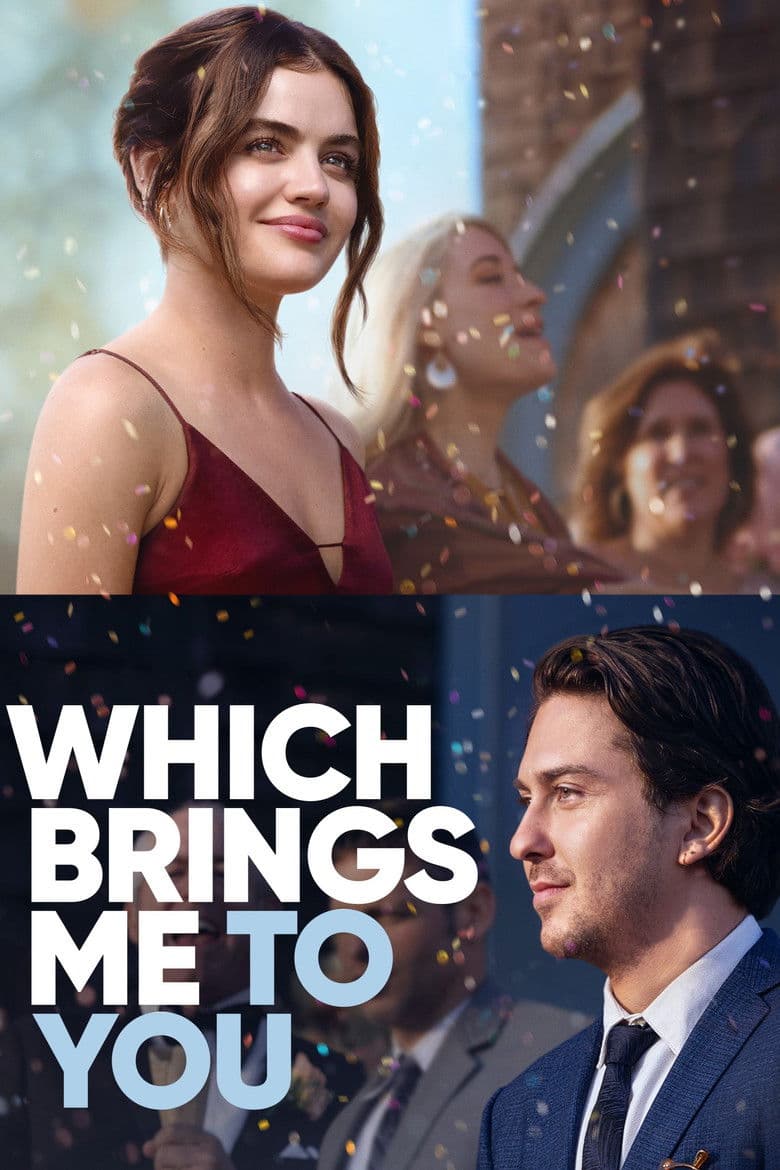
Jane, a freelance journalist, meets Will, a photographer, at a wedding on the New Jersey shore. They nearly have a one-night hookup, but Will stops, and the pair spend the next day together instead. They trade stories about first loves, bad choices, sex, grief, and past relationships while moving through beaches, diners, homes, and motels. The tone shifts from playful and flirty to sad and serious as both people face the damage they have carried into new relationships.
The movie centers on honesty, regret, commitment, and the hard work of starting over. Jane often chooses troubled men, while Will runs from lasting promises, and both must admit their own part in past pain. Their talks slowly build trust and give them a chance at a stable romance. The story treats adult dating, self-reflection, mental health, grief, sex, and fatherhood as personal problems that shape their choices.
Community feedback
Was our 3% Woke rating accurate?
Breakdown
These are the editorial factors and ratings behind our score for Which Brings Me to You.
Woke representation / casting
Not present. The film centers on a white woman and a white man in a present-day New Jersey romance. Some past partners and supporting roles come from other racial groups, but the movie does not present this as a diversity message or a special identity showcase.
0%
Woke political dialogue
Not present. Jane and Will talk about sex, grief, mental health, and commitment. The dialogue does not turn these subjects into current political or activist claims.
0%
Identity-driven story themes
Not present. The central story follows two adults dealing with past relationships and their own mistakes. Race, gender identity, sexuality, or group rights do not drive the plot.
0%
Western institutional / cultural critique
Not present. The movie does not attack family, religion, capitalism, or other Western institutions through a modern activist message. The Catholic-school memory and troubled professor story remain personal parts of Jane’s past.
0%
Woke character or canon changes
Not relevant. The film adapts a 2006 novel, but it does not change an established character, real person, or known event for an identity message.
0%
Anti-woke backlash and complaints
Not present. Public complaints found in reviews focus on slow pacing, weak humor, chemistry, and sexual behavior, not claims that the film pushes woke or DEI ideas.
0%
Creator track record context
Keith Bunin shares a writing credit on Nimona, a family film with clear queer and trans themes. Julianna Baggott’s writing and interviews stress feminism and giving voice to women who were ignored. Lucy Hale has supported gender equality, reproductive rights, LGBTQ rights, and women’s equity work. Peter Hutchings and most other listed creators have little documented activist context, so this remains a limited background signal.
15%
Production

Movie · 2016
The story of a young man who arrives in Hollywood during the 1930s hoping to work in the film industry, falls in love, and finds himself swept up in the vibrant café society that…
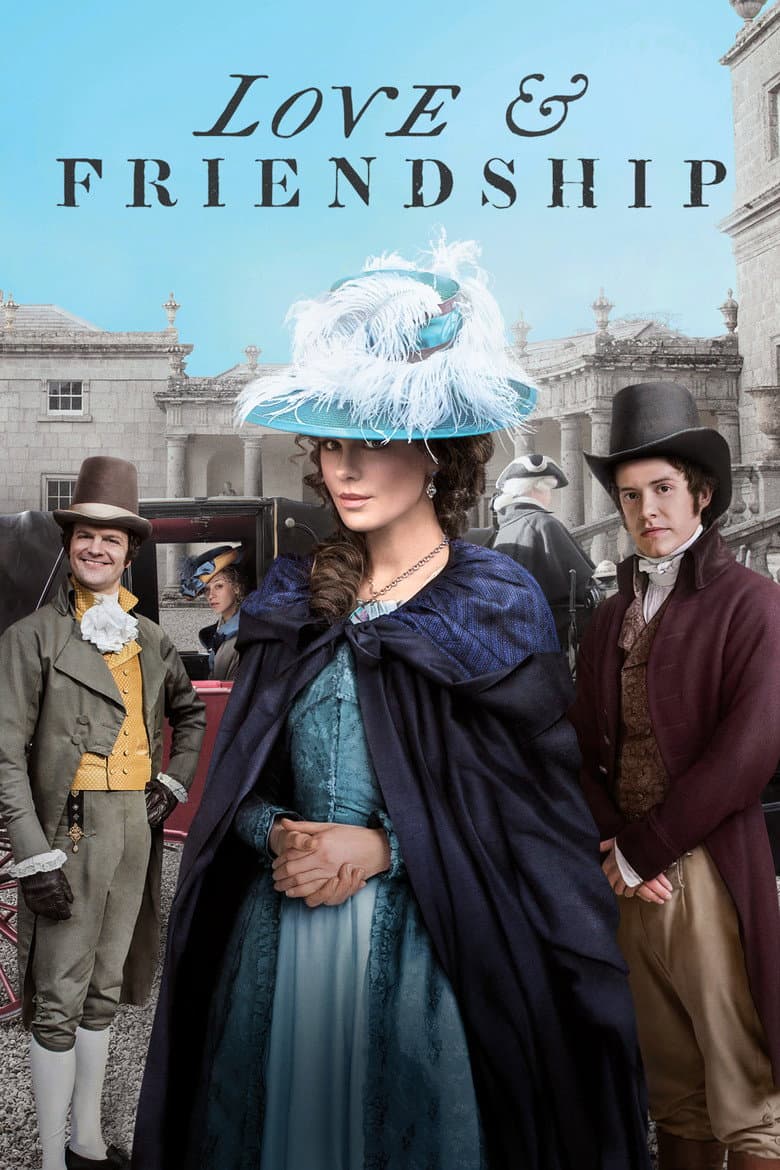
Movie · 2016
From Jane Austen’s novella, the beautiful and cunning Lady Susan Vernon visits the estate of her in-laws to wait out colorful rumors of her dalliances and to find husbands for…
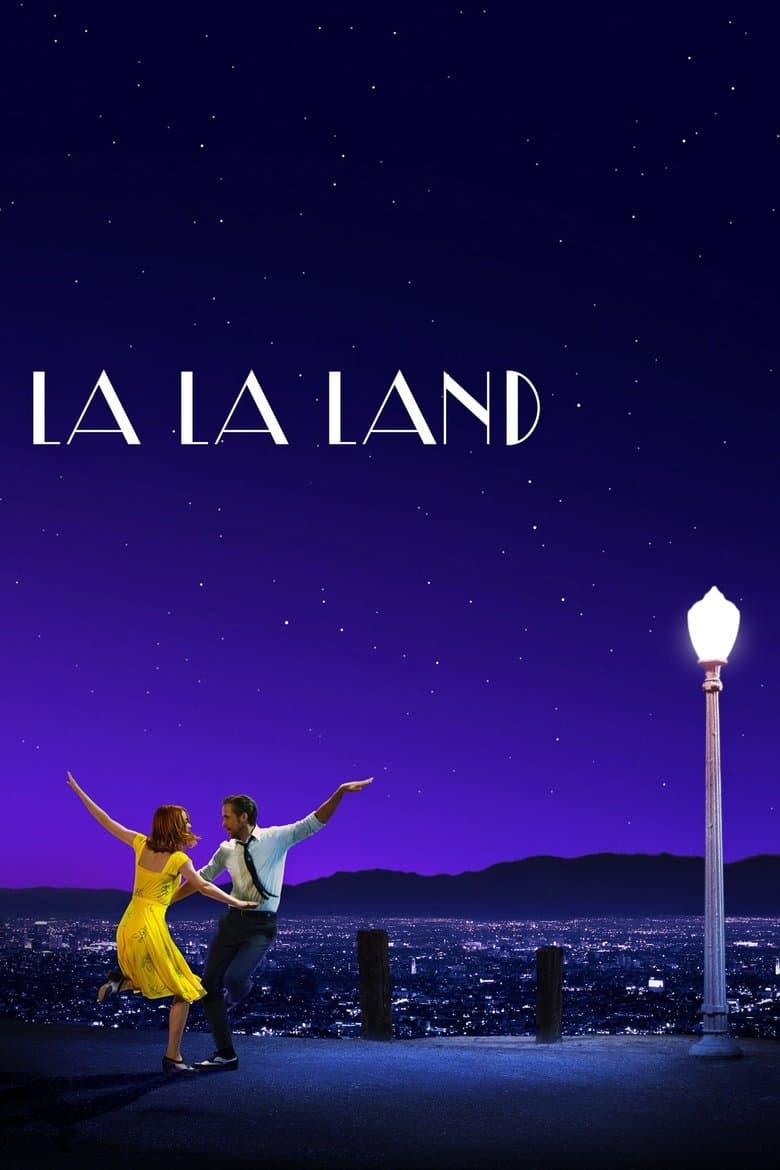
Movie · 2016
Mia, an aspiring actress, serves lattes to movie stars in between auditions and Sebastian, a jazz musician, scrapes by playing cocktail party gigs in dingy bars, but as success…
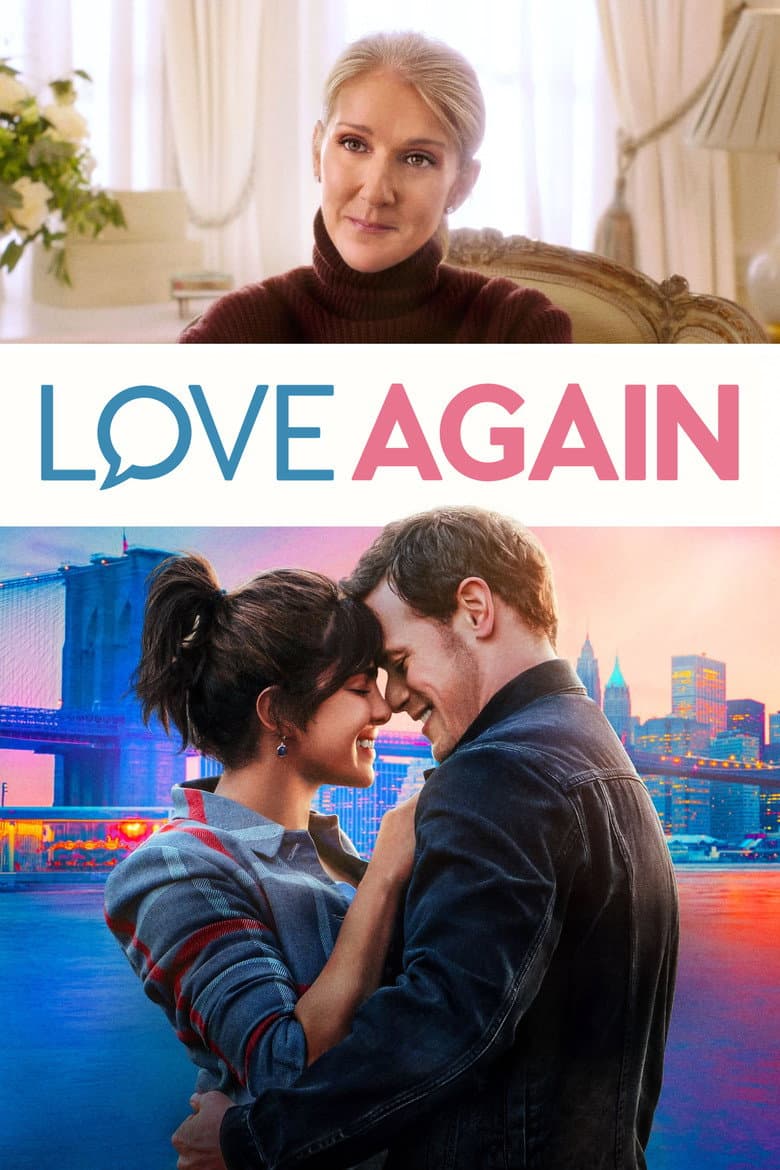
Movie · 2023
Mira Ray, dealing with the loss of her fiancé, John, sends a series of romantic texts to his old cell phone number… not realizing the number was reassigned to Rob Burns' new work…
Movie · 2022
Divorced couple Georgia and David find themselves on a shared mission: they team up and travel to Bali to stop their daughter Lily from making the same mistake they once made 25…
Movie · 2020
Lonely college freshman Alex has closed himself off from his peers, who all appear to have this whole "college thing" figured out.

Movie · 2023
Michelle and Allen, who have reached the point in their relationship where they are considering next steps, decide to invite their parents to finally meet and to offer some…
Movie · 2024
Fran likes to think about dying. It brings sensation to her quiet life. When she makes the new guy at work laugh, it leads to more: a date, a slice of pie, a conversation, a…
