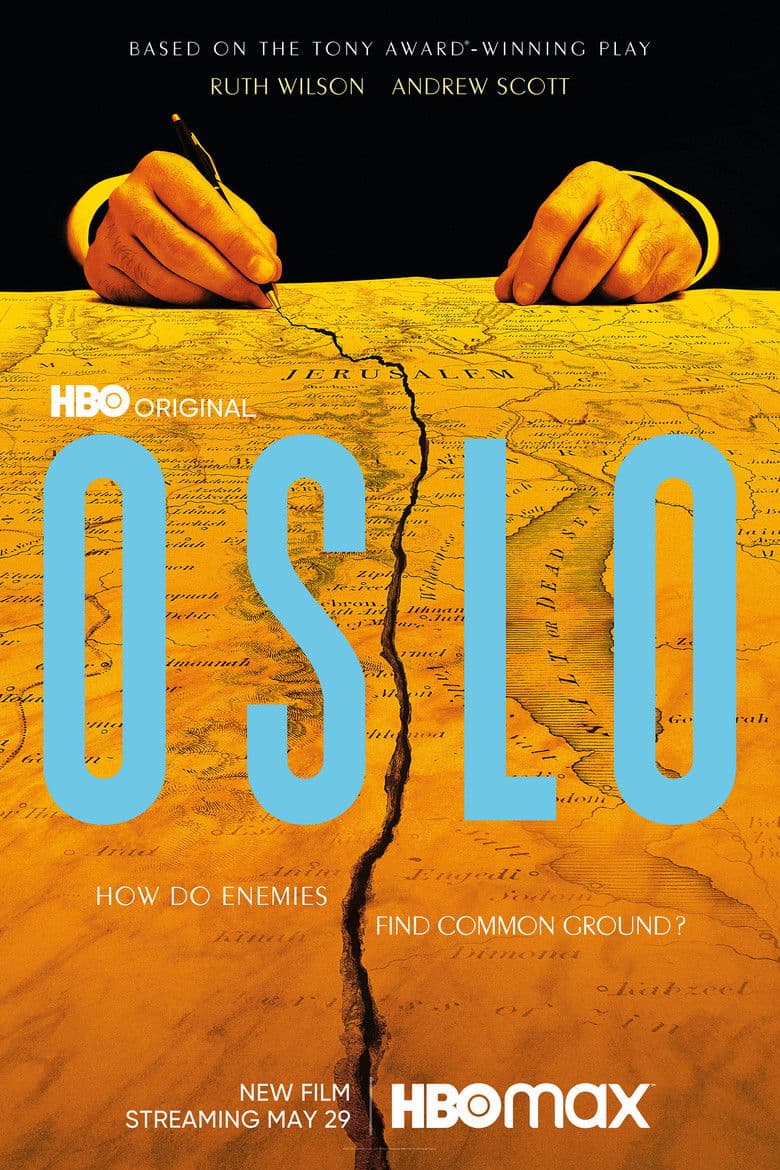
In 1992, Norwegian diplomat Mona Juul and her husband, Terje Rød-Larsen, secretly bring Israeli and Palestinian negotiators to a country house near Oslo. Official talks have stopped, so the small group tries a quieter way to discuss recognition, borders, security, and peace. The people in the room carry fear, anger, grief, and distrust from years of violence. The film uses tense arguments, dry humor, and moments of warmth, but its serious mood grows darker as the later result comes into view.
The film gives Mona a central place as she organizes the meetings and keeps the talks alive when the men reach a dead end. It shows Israelis and Palestinians arguing over violence, land, security, and the right to speak for their people. It also shows enemies becoming more willing to listen when they eat, work, and talk together. The main message supports dialogue, mutual recognition, and peace, while the ending reminds viewers that the agreement did not solve the conflict.
Community feedback
Was our 8% Woke rating accurate?
Breakdown
These are the editorial factors and ratings behind our score for Oslo.
Woke representation / casting
Not present. The film casts Ruth Wilson and Andrew Scott as the Norwegian couple. The Israeli and Palestinian negotiators are played by actors from the region, which matches the people they portray. The film does not make casting a diversity message.
0%
Woke political dialogue
Not present. The film contains intense talk about Israeli and Palestinian rights, security, terrorism, and peace. Those lines belong to the 1990s negotiations and do not push modern DEI, gender, or activist ideas.
0%
Identity-driven story themes
Not present. The film centers on national conflict, personal trust, and the hope of peace. It does not build its story around modern race, gender, sexuality, or representation politics.
0%
Western institutional / cultural critique
Not present. The film shows official talks failing and secret talks working, but that conflict belongs to the historical events. It does not attack modern Western culture, family life, Christianity, or traditional gender roles.
0%
Woke character or canon changes
Not relevant. The film is adapted from a play about real negotiations. It changes the order and viewpoint for film, but it does not change a historical person’s race, sex, sexuality, or leadership role.
0%
Anti-woke backlash and complaints
Not present. The separate X research found no anti-woke posts or boycott calls. Web comments and reviews mainly debate historical balance, fictionalized details, and the film’s narrow view of the conflict, not woke or DEI messaging.
0%
Creator track record context
Bartlett Sher’s prior work includes stories about race, class, gender, and power. J.T. Rogers’s prior work includes themes of white privilege and unfair systems. Producer Mark Taylor worked on a documentary about Black Lives Matter activists, while most other listed producers have little activist history. This gives moderate creator track record context, but the film itself is a historical peace drama.
42%
Production
Movie · 2017
In 1950, amidst the ravages of the Korean War, Sergeant Süleyman stumbles upon a a half-frozen little girl, with no parents and no help in sight and he risks his own life to save…
Movie · 2017
Members of the Granite Mountain Hotshots battle deadly wildfires to save an Arizona town.
Movie · 2019
Richard Jewell thinks quick, works fast, and saves hundreds, perhaps thousands, of lives after a domestic terrorist plants several pipe bombs and they explode during a concert…
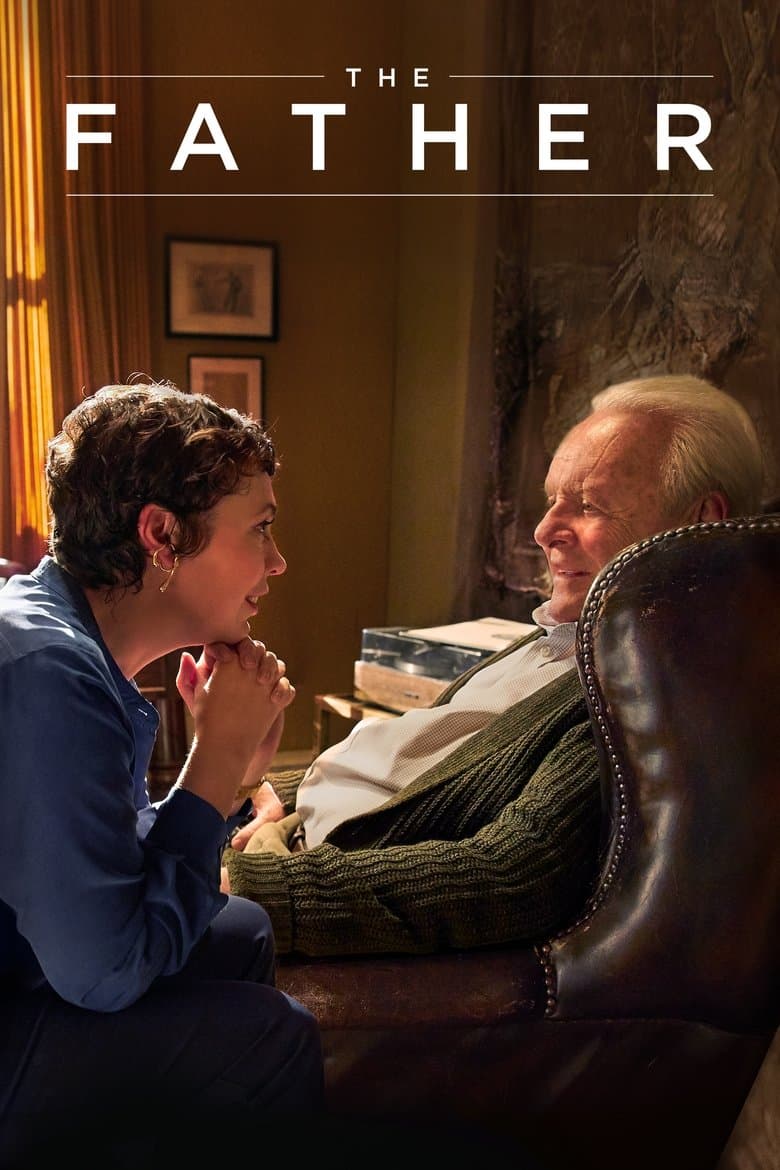
Movie · 2020
A man refuses all assistance from his daughter as he ages and, as he tries to make sense of his changing circumstances, he begins to doubt his loved ones, his own mind and even…
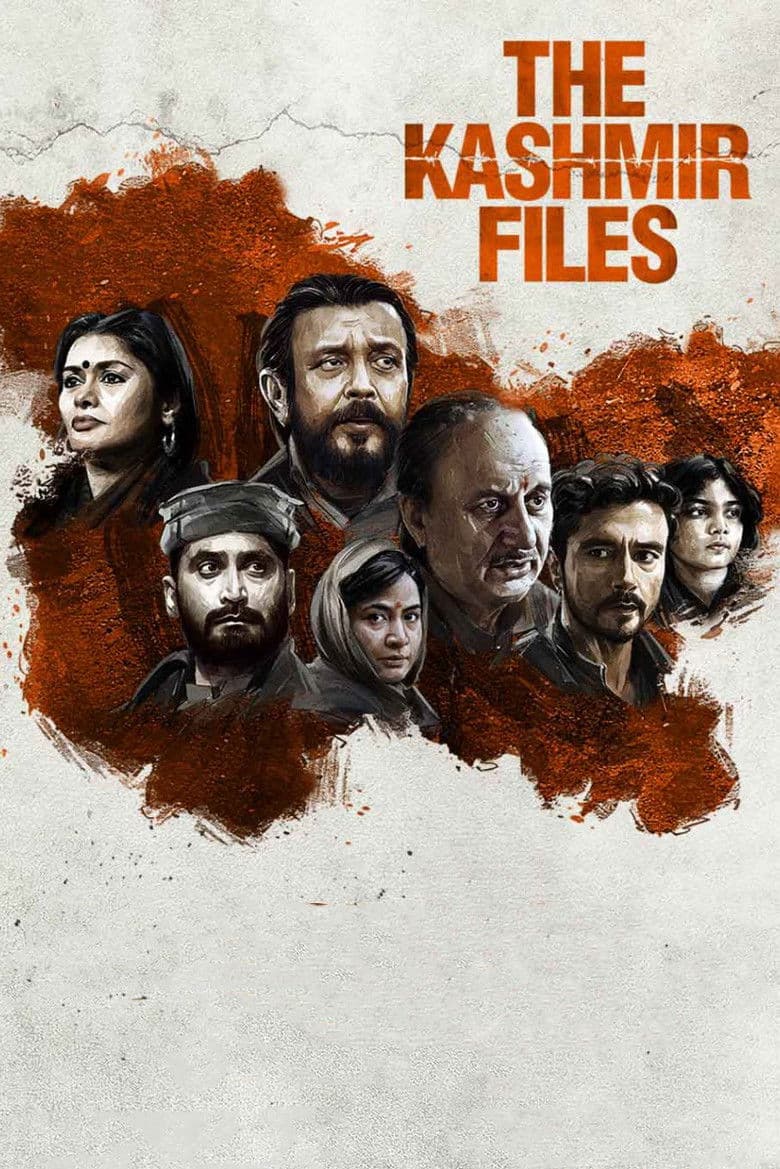
Movie · 2022
Based on a true tragedy, the emotionally triggering film sheds light on the plight of Kashmiri Pandits (Hindus), a religious minority in the 1990s Kashmir valley, who were…
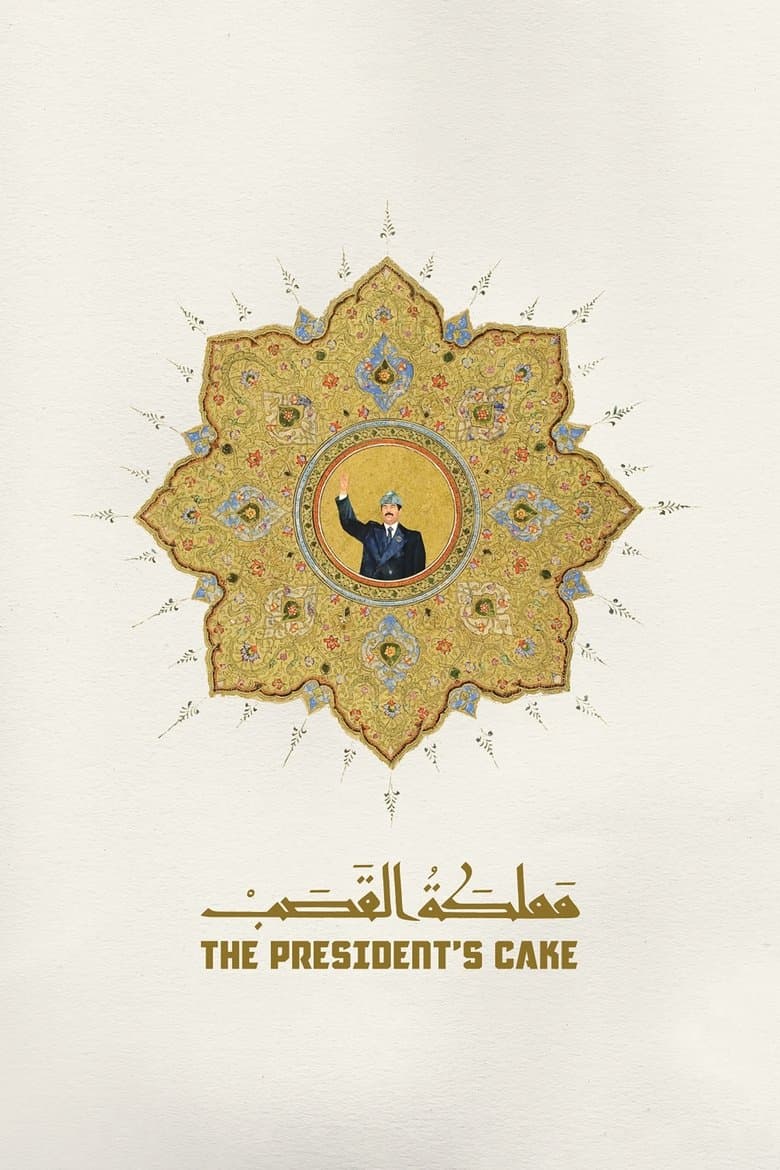
Movie · 2026
While people across 1990s Iraq struggle to survive the war and food shortages, Saddam Hussein requires each school in the country to prepare a cake to celebrate his birthday.
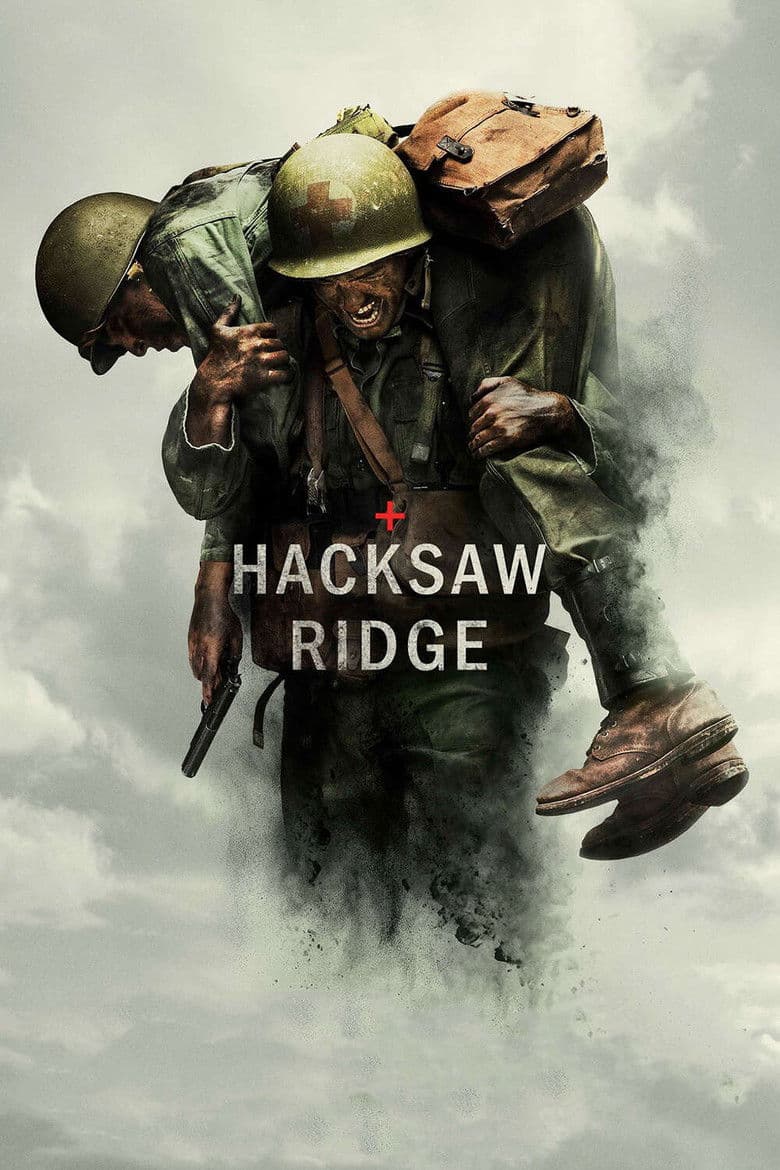
Movie · 2016
WWII American Army Medic Desmond T. Doss, who served during the Battle of Okinawa, refuses to kill people and becomes the first Conscientious Objector in American history to…
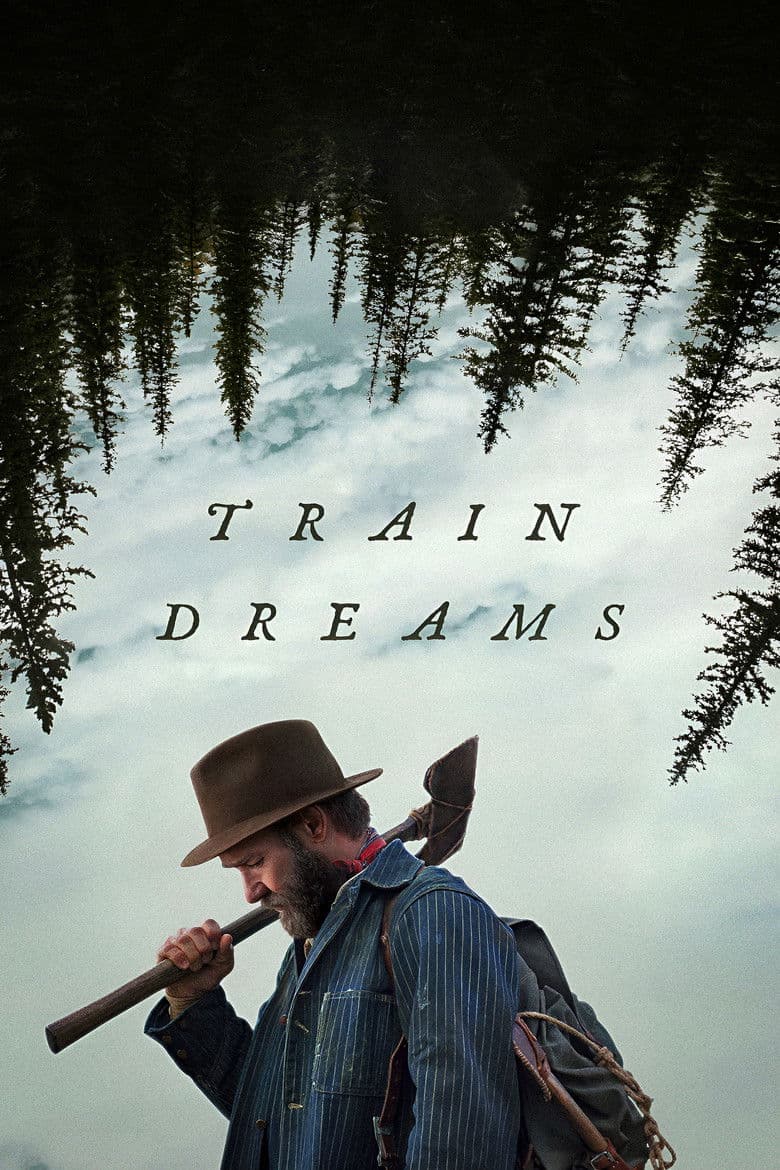
Movie · 2025
A logger leads a life of quiet grace as he experiences love and loss during an era of monumental change in early 20th-century America.
