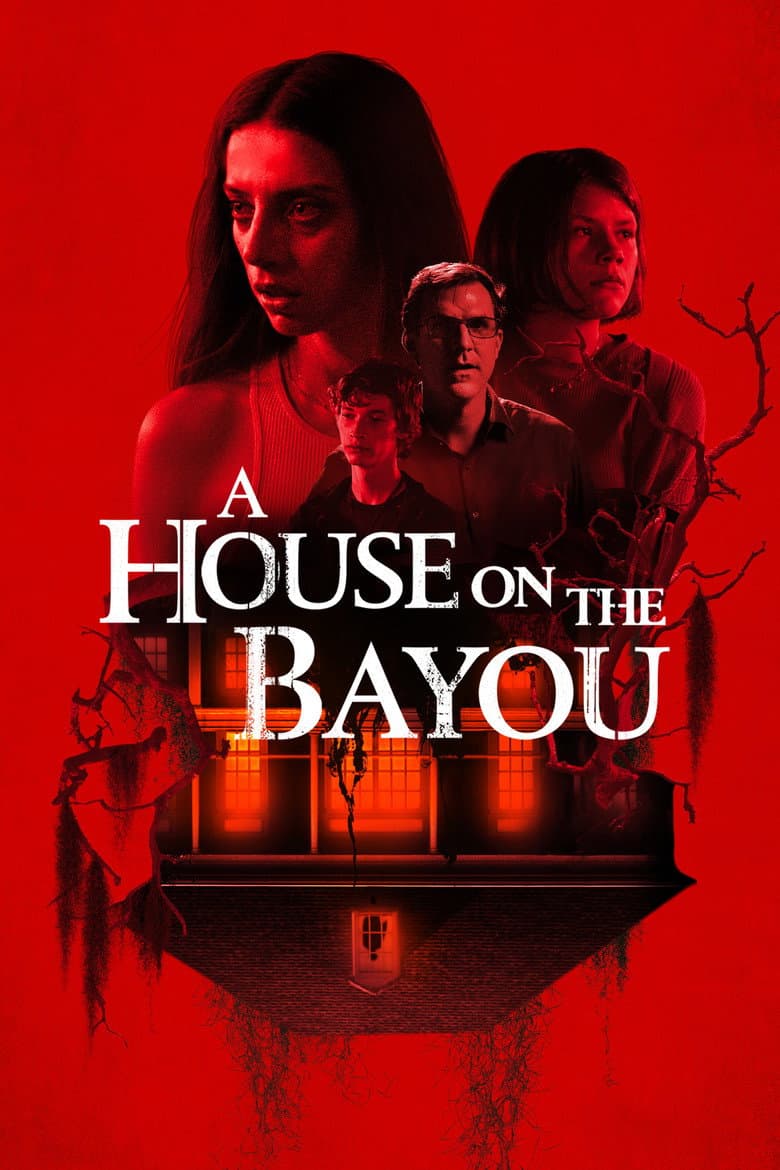
Jessica Chambers takes her husband, John, and their 14-year-old daughter, Anna, to a remote house in the Louisiana bayou. Jessica hopes the trip will repair the family after John’s affair with a student, but the marriage is already full of lies and anger. A local teenager named Isaac and his Grandpappy arrive for dinner and turn the weekend into a deadly trap. The movie has a dark, tense Southern horror tone with mystery, family drama, and supernatural violence.
The story follows Jessica as she tries to protect Anna after the family’s secrets bring danger to their door. Jessica becomes the main fighter, while John is shown as a cheating and dishonest husband whose choices help unleash the horror. Isaac and Grandpappy claim to punish sinners, so the film mixes family betrayal with religious images of the devil and judgment. Its main ideas are guilt, broken trust, false justice, and the fear that evil can hide inside a promise to help.
Community feedback
Was our 17% Woke rating accurate?
Breakdown
These are the editorial factors and ratings behind our score for A House on the Bayou.
Woke representation / casting
Not present. The film does not make its cast a message about diversity or identity. Its characters are defined by family conflict, local superstition, and survival.
0%
Woke political dialogue
Not present. The spoken lines focus on cheating, guilt, sin, and the devil. The movie has no clear modern identity, DEI, activist, or party-political dialogue.
0%
Identity-driven story themes
Jessica repeatedly takes the stronger role when the family faces danger. John is repeatedly shown as a cheating, dishonest man whose choices put the family at risk. The movie gives a mild woman-protects-her-daughter and failed-husband pattern, but it centers on betrayal and supernatural punishment rather than a broad gender message.
18%
Western institutional / cultural critique
Isaac and Grandpappy use sin, the devil, and Bible-style justice to justify cruelty. The film presents their moral judgment as part of the horror and shows religious zealotry as dangerous. The story does not turn this into a modern activist attack on Christianity or other Western institutions.
14%
Woke character or canon changes
Not relevant. The movie is an original story with no earlier characters or real people to change. No identity change to an established character shapes the plot.
0%
Anti-woke backlash and complaints
Not present. The supplied X research found no anti-woke reaction. Reddit posts and reviews focus on the script, acting, twists, and setting details, not woke or DEI content. No major news report links the title to anti-left complaints.
0%
Creator track record context
Alex McAulay’s public profile centers on horror, family trouble, moral compromise, secrecy, violence, and dark Americana. His profile shows no clear activist or representation-first record. Jason Blum has some public political and inclusion-related context. The other stored crew profiles show little public identity-politics activism, and interviews about this movie focus on marriage, supernatural fear, and religious zealotry.
18%
Production
Movie · 2016
A stranger arrives in a little village and soon after a mysterious sickness starts spreading. A policeman is drawn into the incident and is forced to solve the mystery in order to…
Movie · 2021
A lone drifter suffering from partial memory loss accepts a job to look after a psychologically troubled woman in an abandoned house on an isolated island.
Movie · 2023
Between the events of 'Saw' and 'Saw II', a sick and desperate John Kramer travels to Mexico for a risky and experimental medical procedure in hopes of a miracle cure for his…
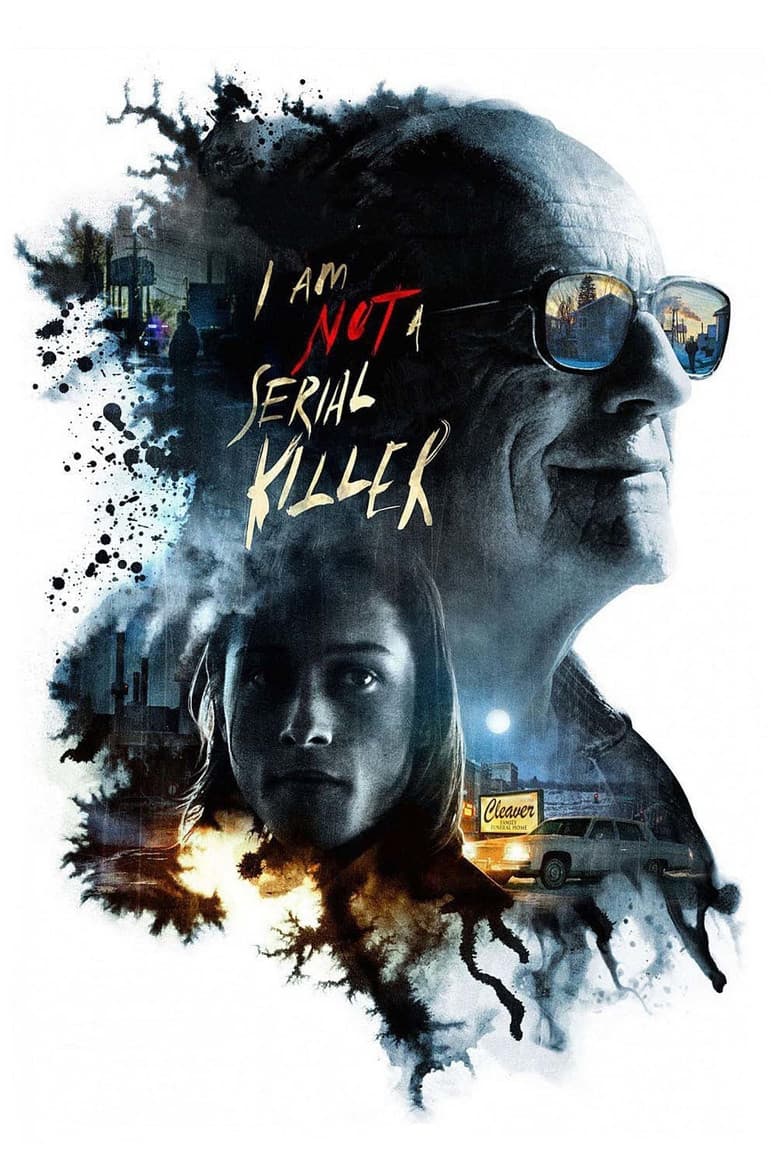
Movie · 2016
In a small Midwestern town, a troubled teen with homicidal tendencies must hunt down and destroy a supernatural killer while keeping his own inner demons at bay.
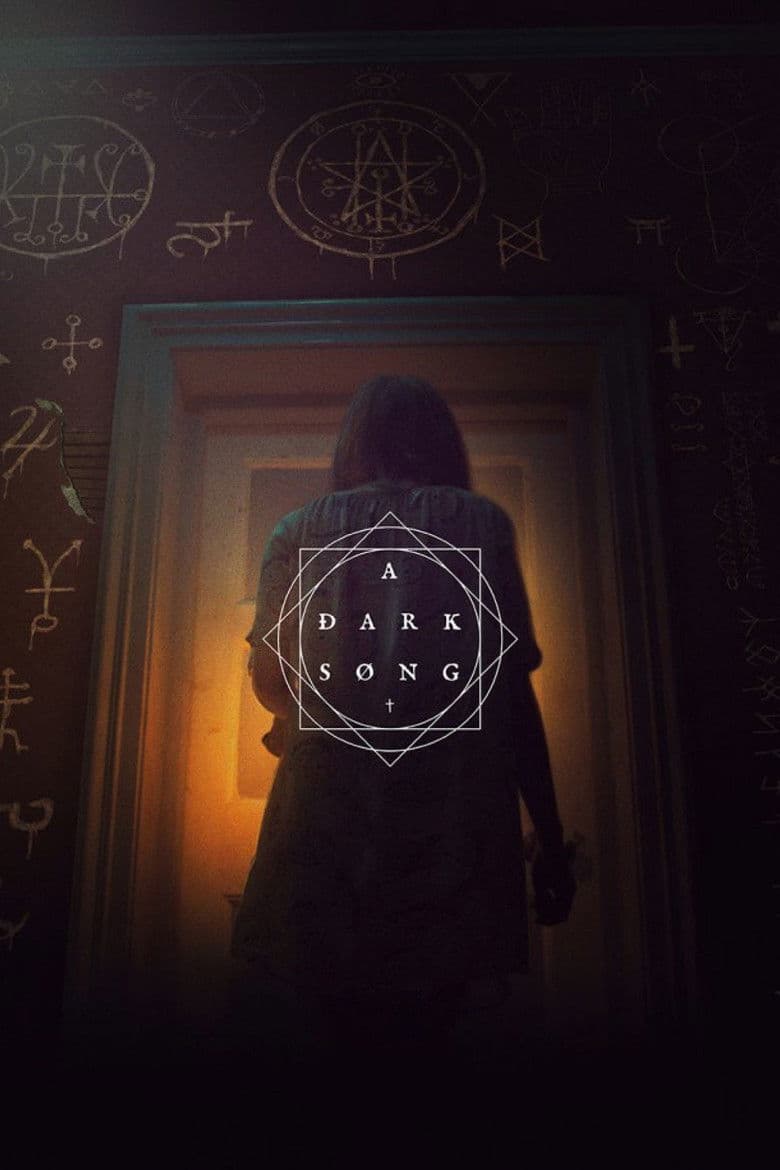
Movie · 2016
A determined young woman and a damaged occultist risk their lives and souls to perform a dangerous ritual that will grant them what they want.
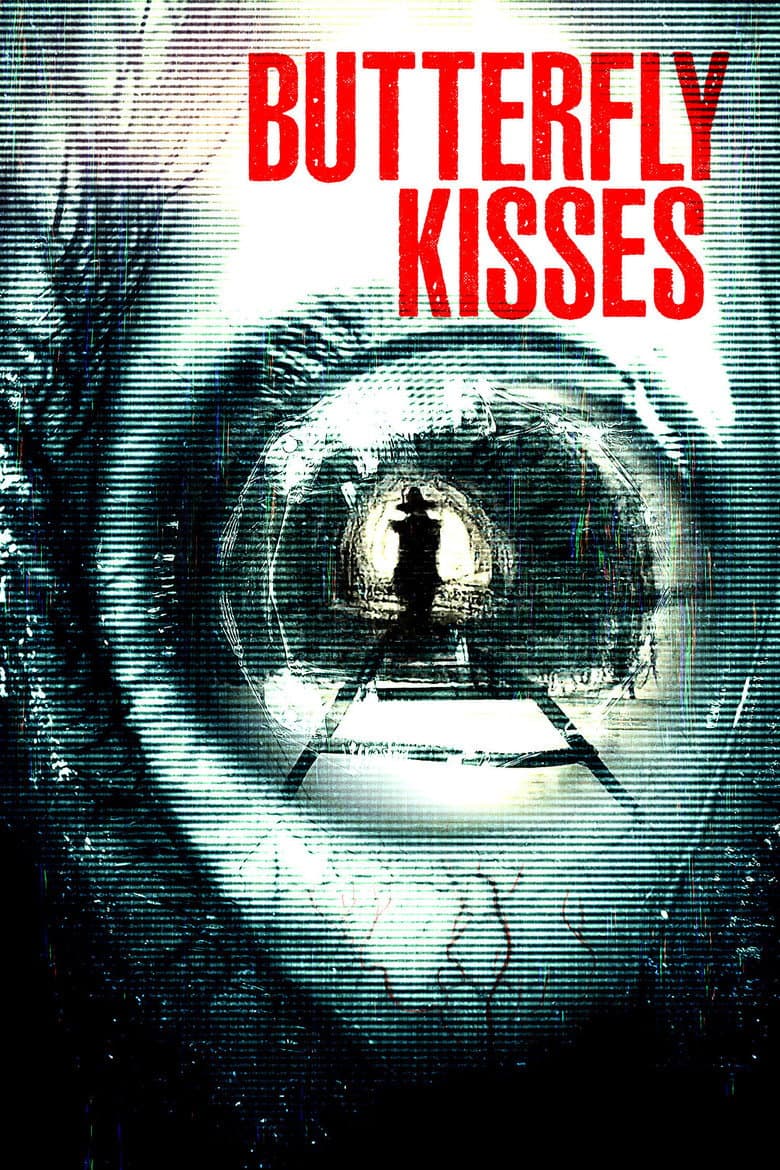
Movie · 2018
A filmmaker discovers a box of video tapes depicting two students' disturbing film project featuring a local horror legend, The Peeping Tom.
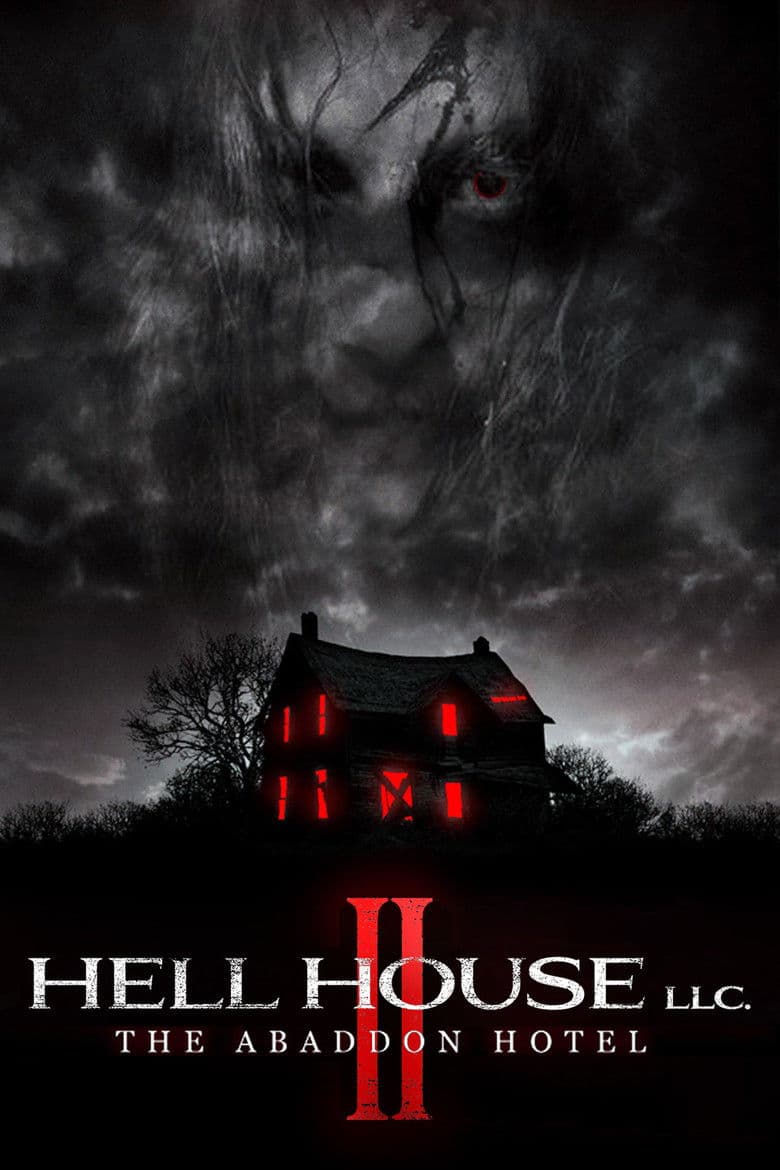
Movie · 2018
Eight years after the opening night tragedy of HELL HOUSE LLC, many unanswered questions remain. Thanks to an anonymous tip, an investigative journalist is convinced that key…
Movie · 2018
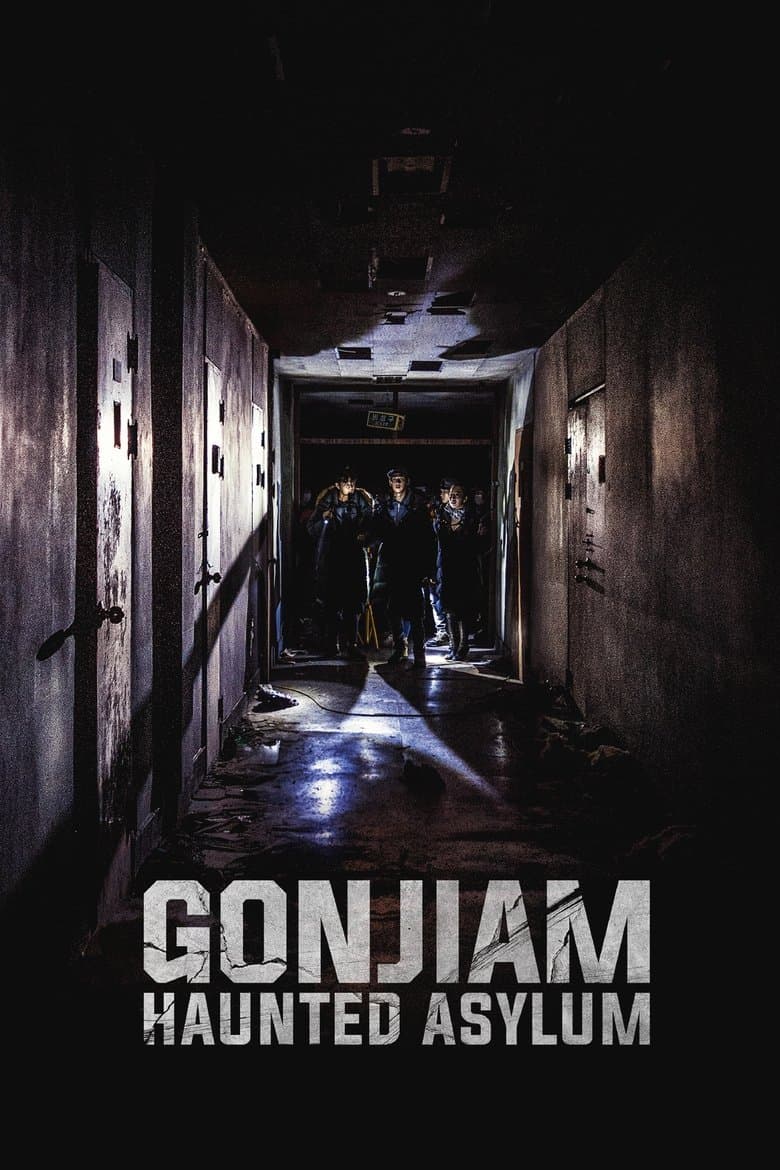
The crew of a horror web series travels to an abandoned asylum for a live broadcast, but they encounter much more than expected as they move deeper inside the nightmarish old…
