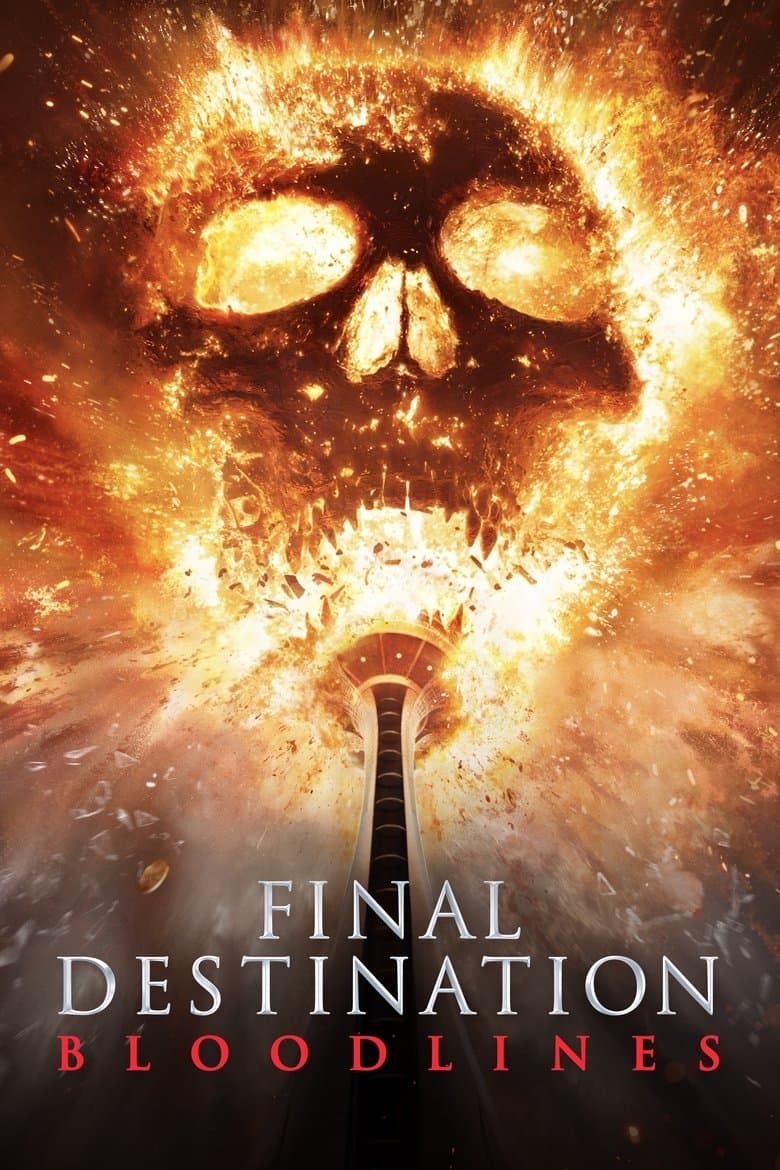
Final Destination Bloodlines is a supernatural horror film that is the sixth entry in the series. The story follows college student Stefanie Reyes, who has violent premonitions inherited from her grandmother, Iris. Decades earlier, Iris survived a catastrophic tower collapse, and now Death is hunting her descendants to claim them. Stefanie must return home to understand the generational curse and save her family from gruesome, elaborate deaths. The characters are driven by strong family loyalty, working together across generations to protect each other. The script emphasizes the psychological toll of these visions, exploring how trauma impacts a family over decades. The setting shifts from a lavish 1969 party to a modern suburban town, highlighting the passage of time. The movie delivers a fast-paced, suspenseful ride centered on traditional themes of survival and fate.
Community feedback
Was our 15% Woke rating accurate?
Breakdown
These are the editorial factors and ratings behind our score for Final Destination Bloodlines.
Woke representation / casting
The lead siblings, Stefanie and Charlie, are played by part-Filipino actors Kaitlyn Santa Juana and Teo Briones. While the actors discussed representing Filipino heritage in interviews, this diversity is integrated naturally into the modern setting. The casting reflects a modern shift toward visible diversity in prominent roles, but it is presented without activist signaling or checking quota boxes.
20%
Woke political dialogue
Woke political dialogue is completely absent from the film. The characters focus entirely on surviving the supernatural threat of Death's design, and there are no activist speeches, political debates, or lectures on social justice.
0%
Identity-driven story themes
The narrative centers on a generational curse and family bloodlines rather than modern identity politics. The characters struggle to survive supernatural events, and their personal journeys are defined by family loyalty and survival rather than race, gender, or sexual identity.
0%
Western institutional / cultural critique
There is no activist critique of Western institutions, masculinity, or patriarchy in the story. The characters rely on traditional family bonds and work together to save one another, portraying familial unity in a positive light without deconstructing societal norms.
0%
Woke character or canon changes
Not relevant. No legacy characters are race-swapped or gender-swapped; the film introduces new original characters for the sixth installment while bringing back Tony Todd as William Bludworth in a manner consistent with previous canon.
0%
Anti-woke backlash and complaints
Anti-woke backlash is very low. A few online discussions prior to release showed minor concern that a modern horror sequel would push a political agenda. However, post-release reviews from viewers praised the film for remaining a non-political, pure slasher experience.
5%
Creator track record context
The key creators have a low-to-neutral woke track record. Franchise creator Jeffrey Reddick (65) actively champions diverse casting, but the main screenwriters Guy Busick (10) and Lori Evans Taylor (0), along with co-directors Adam Stein (12) and Zach Lipovsky (25), have a history of focusing on traditional commercial entertainment.
18%
Production
Movie · 2021
A young girl finds solace in her artist father and the ghost of her dead mother.
Movie · 2023
Between the events of 'Saw' and 'Saw II', a sick and desperate John Kramer travels to Mexico for a risky and experimental medical procedure in hopes of a miracle cure for his…
Movie · 2016
A young nurse takes care of an elderly author who lives in a haunted house.
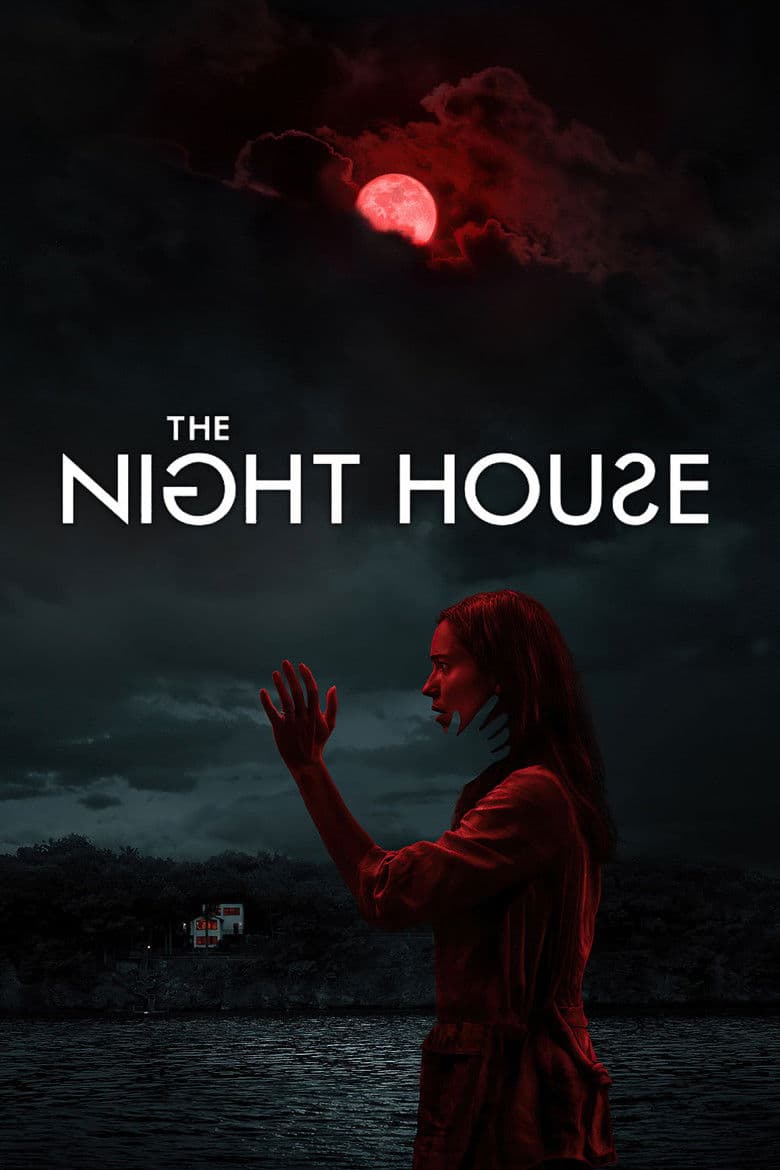
Movie · 2021
Reeling from the unexpected death of her husband, Beth is left alone in the lakeside home he built for her. Soon she begins to uncover her recently deceased husband's disturbing…
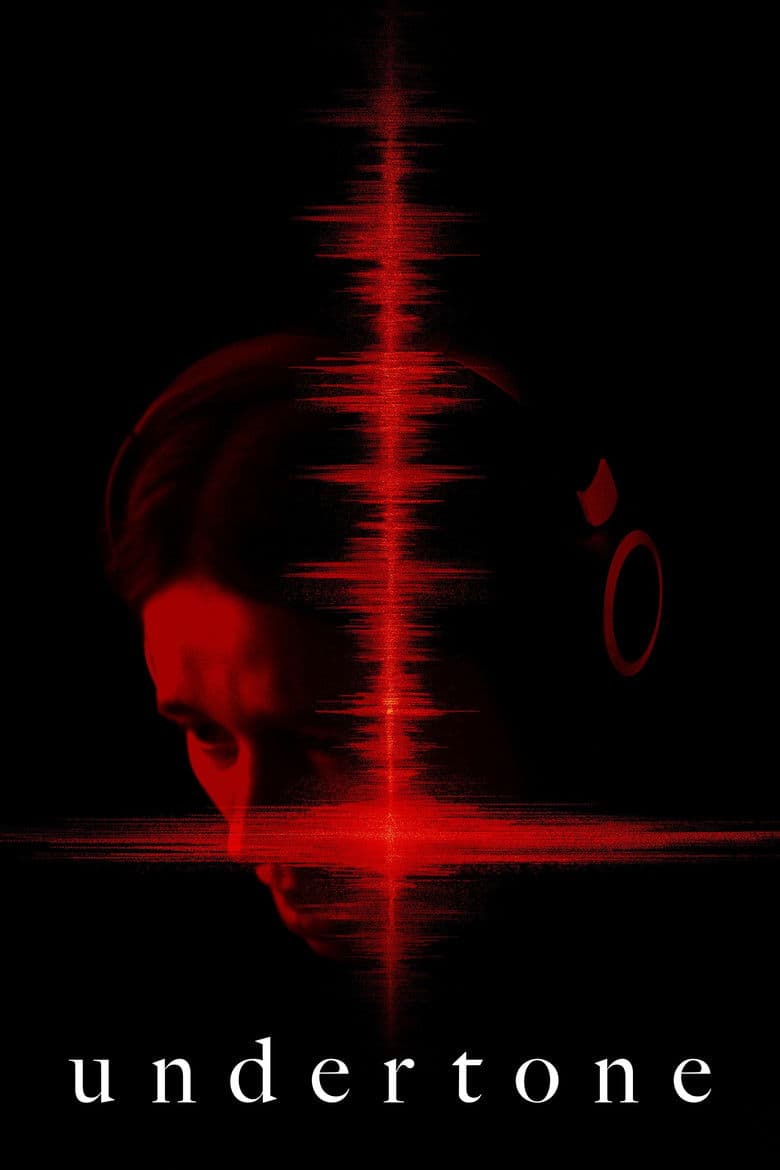
Movie · 2026
The host of a popular paranormal podcast becomes haunted by terrifying recordings mysteriously sent her way.
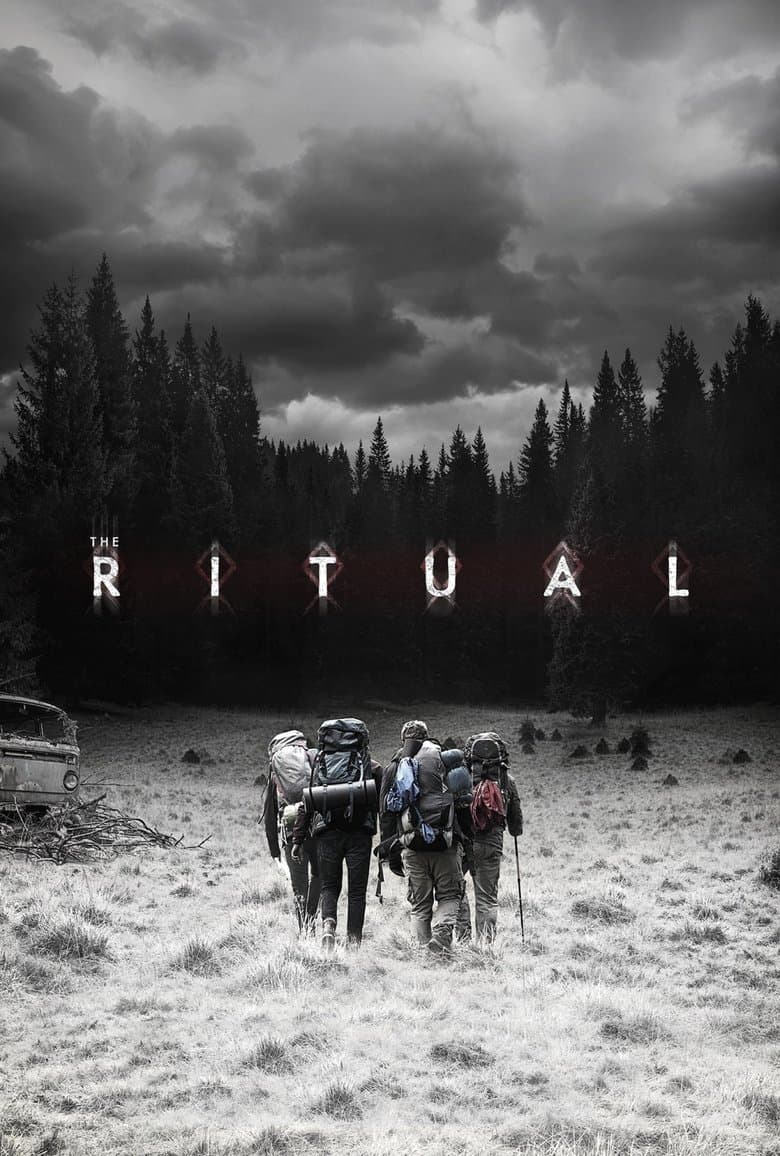
Movie · 2017
A group of college friends reunite for a trip to the forest, but encounter a menacing presence in the woods that's stalking them.

Movie · 2025
A woman's obsessive search for her missing sister leads her into a terrifying mystery at the hands of an unknown evil.
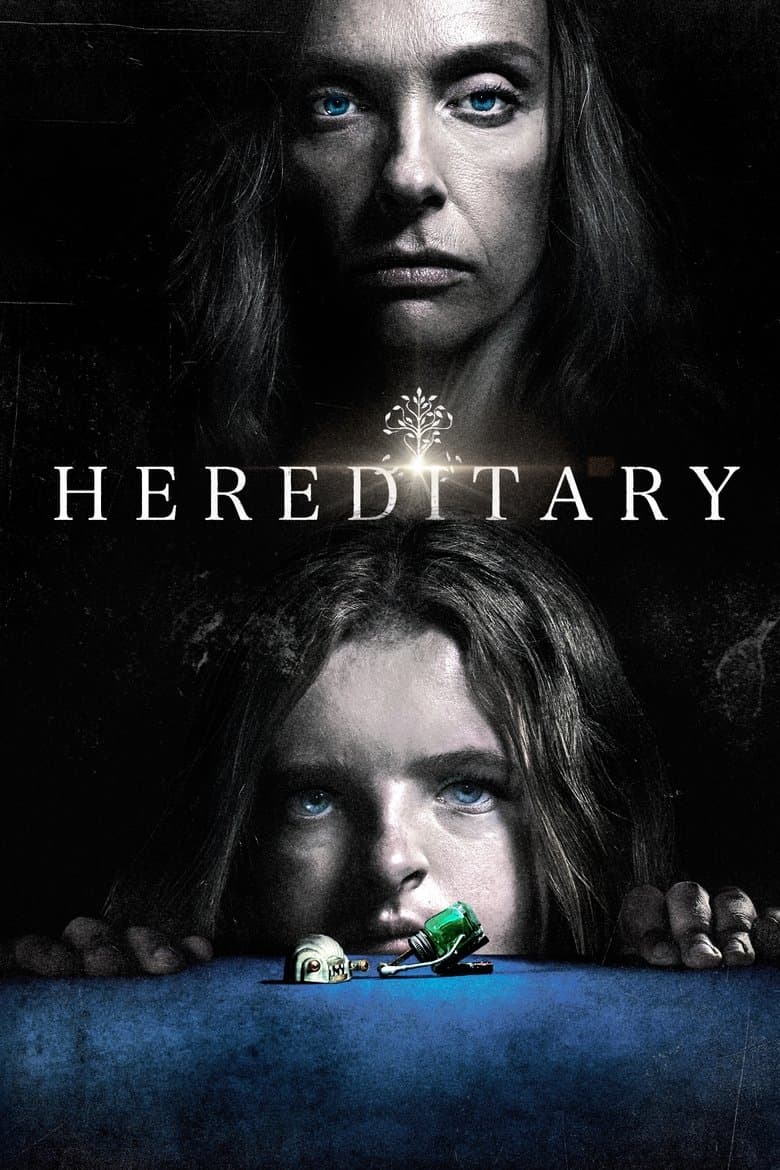
Movie · 2018
Following the death of the Leigh family matriarch, Annie and her children uncover disturbing secrets about their heritage.
