
In 1988, Abby Rivers and Gretchen Lang are high school students and best friends in a small Southern town. Gretchen is about to move away, so the girls try to enjoy one last summer with friends Margaret and Glee. After Gretchen disappears inside an old lakeside shack during a drugged night swim, she returns changed and cruel. Abby believes a demon has taken over her friend, and she searches for help at their strict Catholic school before trying an exorcism herself. The movie mixes gross horror, teenage jokes, and bright 1980s music.
The movie gives a supporting plot to Glee, a shy Asian girl who is secretly in love with Margaret and is forced to come out. The demon uses that secret, Margaret's fear of weight gain, and the girls' shame about sex and their bodies to hurt the group. The school and its adults care more about purity and reputation than listening to the girls, while a Christian bodybuilder offers strange but limited help. Still, the main message is that Abby's loyalty and shared memories can save Gretchen, so the identity material stays inside a supernatural friendship story rather than taking over the whole movie.
Community feedback
Was our 54% Woke rating accurate?
Breakdown
These are the editorial factors and ratings behind our score for My Best Friend's Exorcism.
Woke representation / casting
The four-girl group includes two white leads, a black friend, and an Asian friend. Both minority characters receive their own story lines, and Glee's role is openly framed in cast interviews as a gay Asian-American coming-out part. The movie does not make diversity its main marketing idea, so the identity pattern is clear but limited.
34%
Woke political dialogue
The movie gives Glee short lines about hiding her lesbian feelings and being forced to come out. The girls also joke about a magazine quiz built around boys. Homophobic insults appear as cruel behavior, but the movie does not turn them into a political speech.
18%
Identity-driven story themes
The movie makes Glee's hidden lesbian identity part of a continuing subplot. The demon exposes her feelings, uses the confession to shame her, and then poisons her. The story also shows dieting pressure, body shame, and strict rules about girls' sex lives. Abby's loyalty defeats the demon, but the main story remains friendship and horror rather than a broad activist message.
44%
Western institutional / cultural critique
The Catholic school treats virginity and reputation as more important than the girls' safety. The adults dismiss Abby when she says Gretchen may have been assaulted. The Christian bodybuilder looks foolish and cannot finish the exorcism, so Abby must save Gretchen herself. These choices criticize school and religious authority, but the movie does not attack every Western institution.
34%
Woke character or canon changes
The movie changes Glee's sexuality from a crush on the male chaplain in the novel to a closeted lesbian crush on Margaret. The change creates a coming-out scene, a homophobic rejection, and a poisoning attack. The identity change affects a meaningful supporting subplot, but it does not change Abby or Gretchen's central roles.
48%
Anti-woke backlash and complaints
The supplied X research reports zero anti-woke reactions and no boycott talk. One Reddit audience comment called the added LGBTQ plot line an unnecessary attempt to cram in an LGBTQ plot. Most other audience complaints focused on weak effects, rushed pacing, and poor adaptation. The identity complaint is isolated and low reach.
10%
Creator track record context
Damon Thomas and Jenna Lamia have low creator scores and no notable record of identity activism. Grady Hendrix has a moderate creator score because his horror books often center girls facing danger, social pressure, and old rules for girls. Most producers have little recorded activist work, while Mary Vernieu has a stronger representation-focused profile. Title interviews stress friendship and teenage fears, not a political campaign.
25%
Production
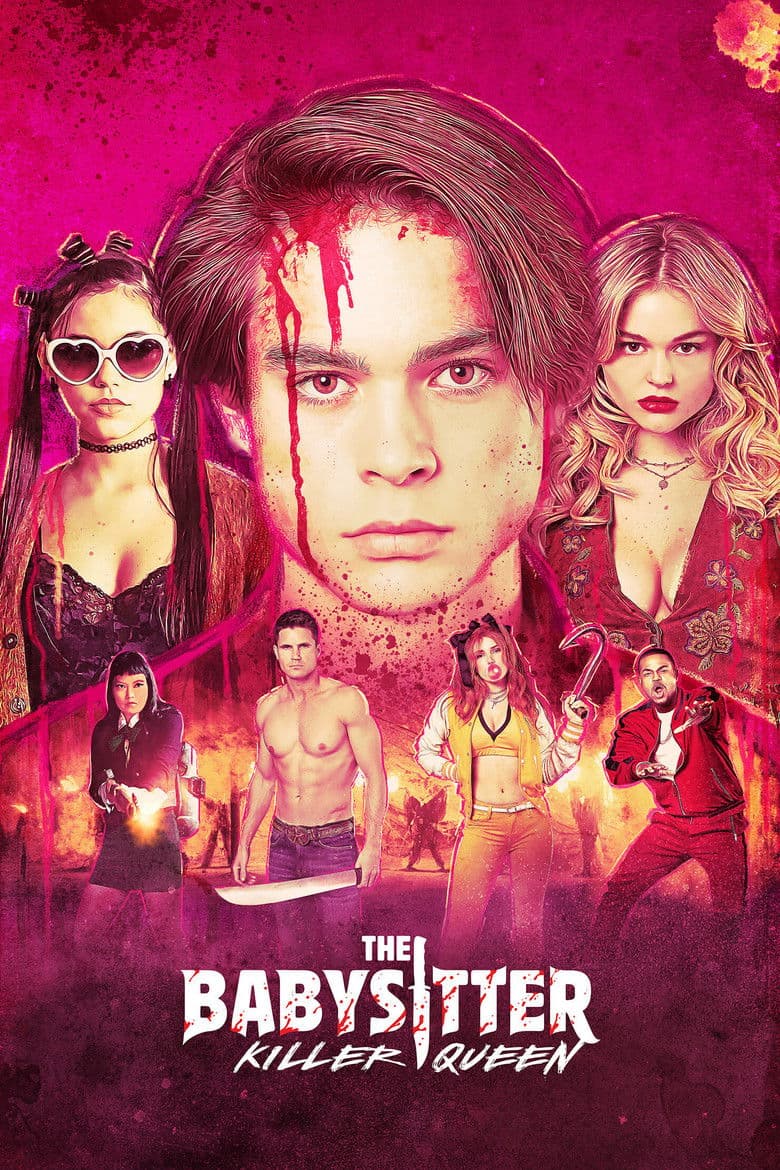
Movie · 2020
Two years after defeating a satanic cult led by his babysitter Bee, Cole's trying to forget his past and focus on surviving high school.

Movie · 2025
After escaping from a mental hospital, a violent sociopath named Paul begins a dangerous rampage targeting Sofia, a world-famous pop star.
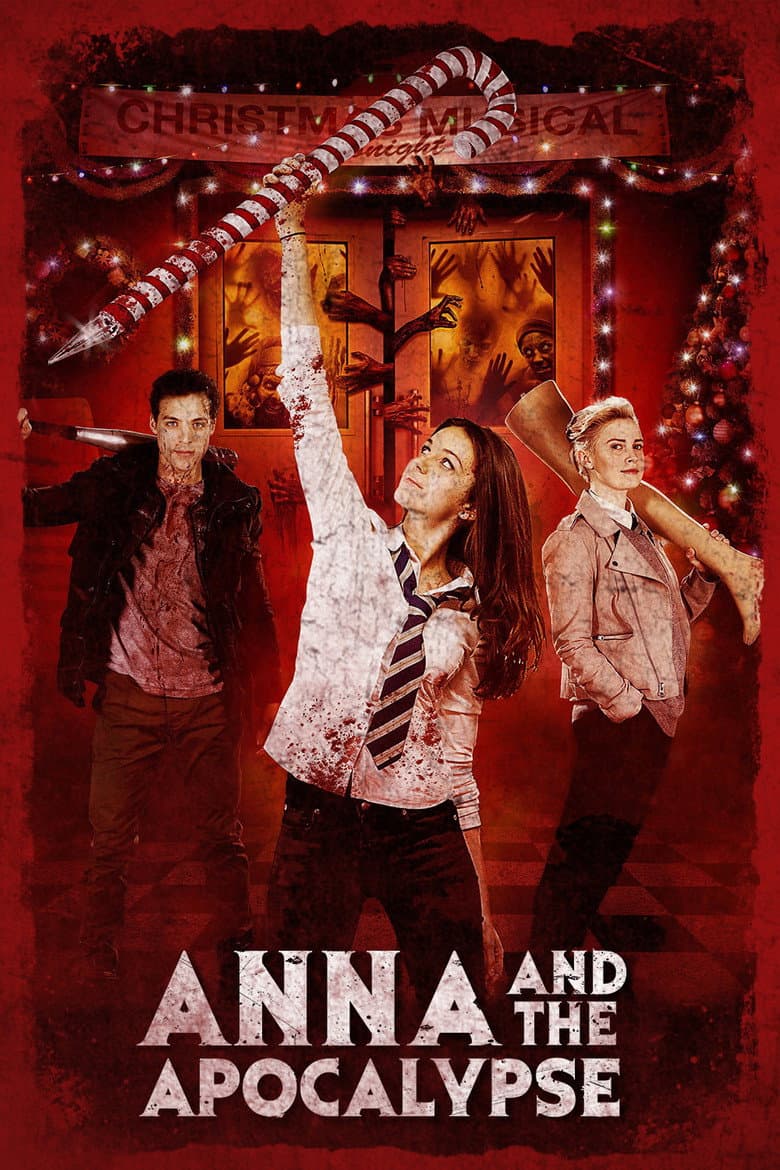
Movie · 2018
A zombie apocalypse threatens the sleepy town of Little Haven—at Christmas—forcing Anna and her friends to fight, slash, and sing their way to survival.
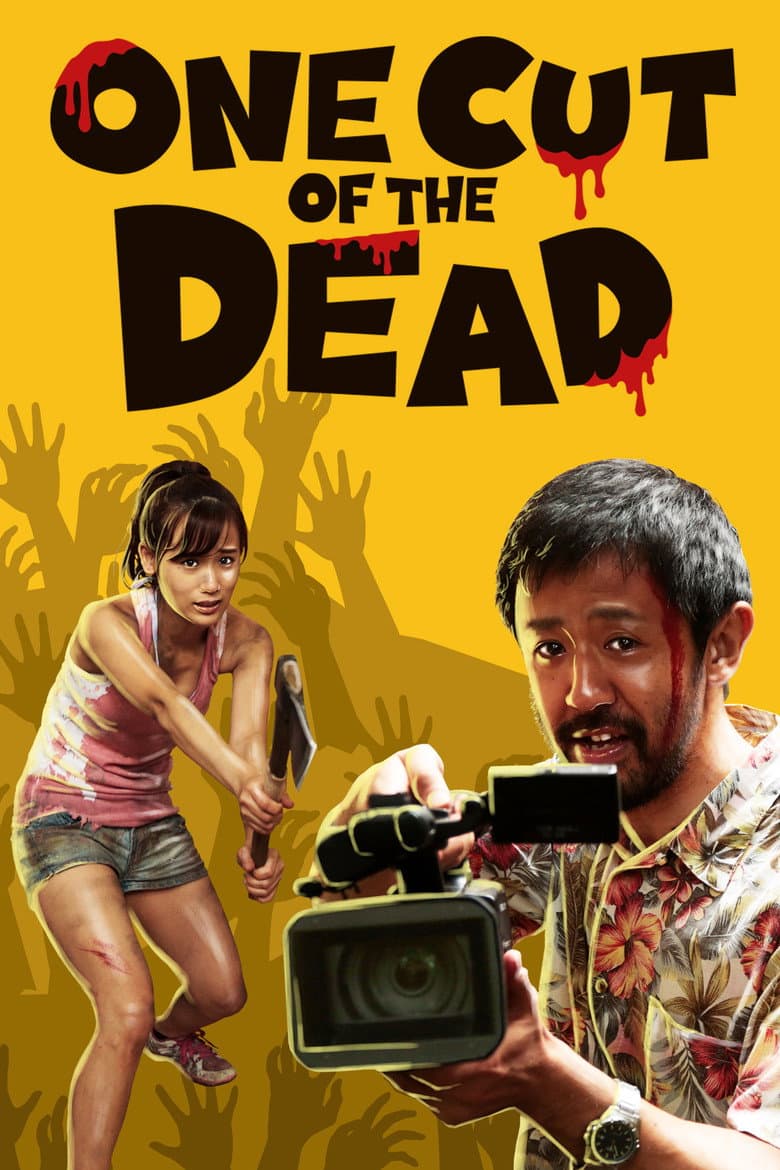
Movie · 2017
Real zombies arrive and terrorize the crew of a zombie film being shot in an abandoned warehouse, said to be the site of military experiments on humans.
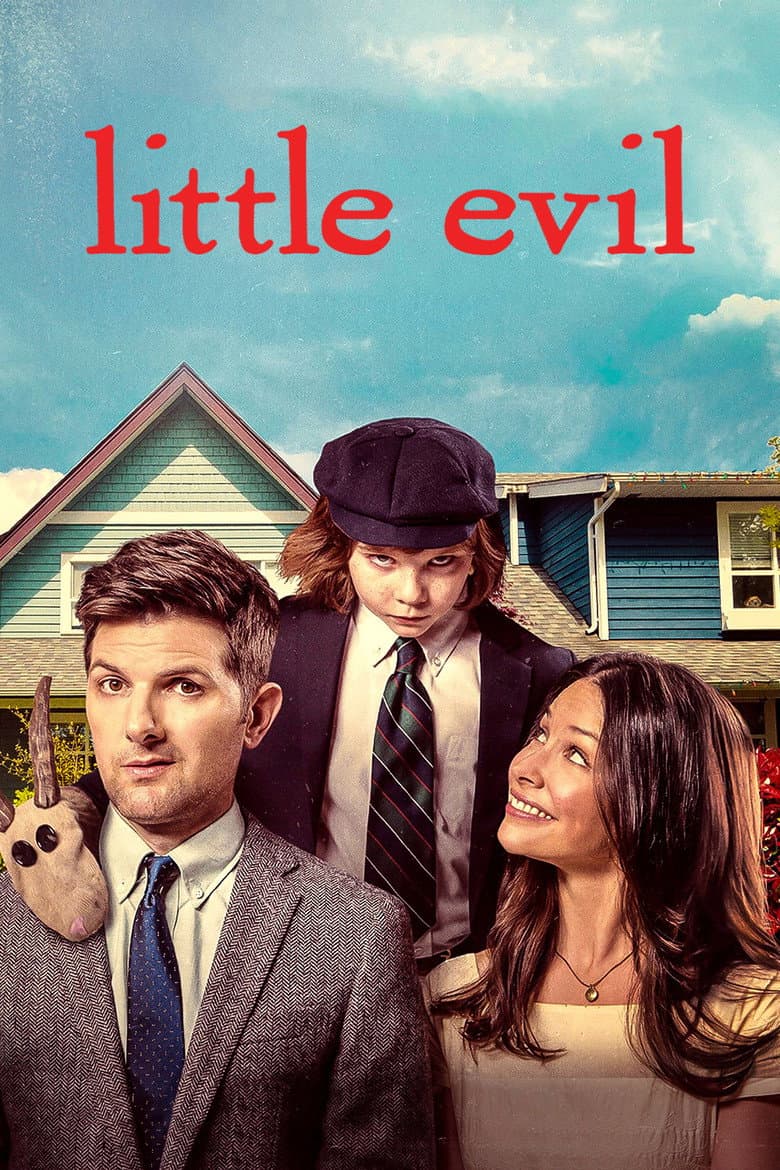
Movie · 2017
Gary, who has just married Samantha, the woman of his dreams, discovers that her six-year-old son may be the Antichrist.
Movie · 2026
After breaking the mysterious "One Wish Willow" to win his crush's heart, a hopeless romantic finds himself getting exactly what he asked for but soon discovers that some desires…
Movie · 2022
A Halloween-hating dad reluctantly teams up with his teenage daughter when an evil spirit wreaks havoc by making their town's decorations come to life.
Movie · 2019
When their car breaks down, a couple on the run headed southbound for a fresh start in the Sunshine State break into a nearby house looking for a new set of wheels.
