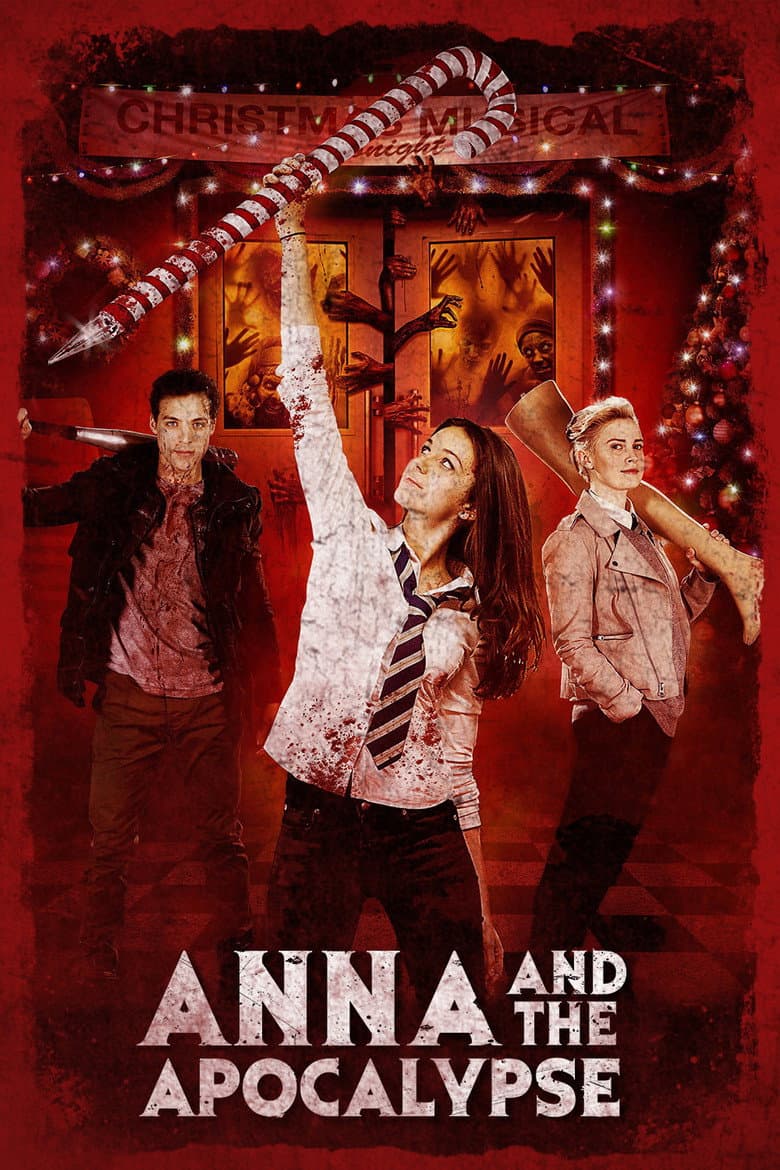
Anna is a Scottish high school student who wants to leave her small town and travel to Australia after graduation. Her father wants her to stay and go to university, while her best friend John hopes their friendship will become a romance. A zombie outbreak strikes Little Haven at Christmas, and Anna, John, and several classmates fight across town to reach the school and their loved ones. The movie mixes bloody horror, jokes, singing, teen romance, grief, and a serious ending.
The clearest woke elements come from Steph, an American student who has a girlfriend and wants to report on homelessness in town. The film presents her same-sex relationship as normal and does not make it the main problem, but Steph remains an important member of the group and one of the survivors. Anna is also shown as a strong young woman who takes charge in fights, although male friends fight beside her and the film does not make her unbeatable. These ideas add a light layer of representation and social concern, but the main story stays focused on zombies, friendship, family loss, and growing up.
Community feedback
Was our 29% Woke rating accurate?
Breakdown
These are the editorial factors and ratings behind our score for Anna and the Apocalypse.
Woke representation / casting
The main group includes a female lead, a lesbian supporting student, and Lisa, played by Scottish actor Marli Siu, who has Chinese heritage. These choices fit a modern Scottish school and show no clear mismatch with the setting. McPhail still described the film’s inclusion as important and said Anna should stand as her own woman. The result is a low but real representation signal.
18%
Woke political dialogue
Steph asks Chris to film a story about homelessness in Little Haven. Steph wants people to notice problems that other students ignore. The group also jokes about evacuation selfies and the loss of human contact through phones. These ideas give the film a brief social message, but no modern party politics or long political speech appears.
24%
Identity-driven story themes
Anna is repeatedly shown as the person who leads fights and keeps moving when others panic. Steph is a lesbian student whose girlfriend and concern about homelessness shape her early scenes. The film treats Steph’s sexuality as ordinary instead of making it a conflict. These themes matter in the teen group, but the central story is still survival, family loss, and friendship.
34%
Western institutional / cultural critique
Not present. The headmaster is cruel and controls the school, but the film uses him as a cartoon horror villain. The story does not attack Christianity, family life, traditional gender roles, capitalism, or Western institutions in a modern activist way.
0%
Woke character or canon changes
Not relevant. The film expands Ryan McHenry’s short Zombie Musical, but no identity change to an established character or real person is reported. The Christmas setting and added songs are normal story expansion.
0%
Anti-woke backlash and complaints
Not present. One small review used the word “woke” in passing but did not name a clear identity or political element as a problem. Other audience and news reactions focused on the movie’s musical style, pacing, and zombie story.
0%
Creator track record context
John McPhail, Tommy Reilly, and Ryan McHenry have no strong public record of identity activism. Alan McDonald has a mild focus on social issues, while Orion Lee, Naysun Alae-Carew, and Mark Thomas have modest representation or local talent signals. Casting director Sophie Holland openly supports diversity and strong roles for women and minority actors. The wider crew record is mostly neutral, so the context is mild rather than strong.
17%
Production
Movie · 2019
A driving instructor must use her other-worldly gifts to save a lonely man’s daughter from a rock star looking to use her for Satanic purposes.
Movie · 2024
A family's vacation to a remote getaway takes an unexpected turn when they discover the present-day implications of the island's cannibalistic past.
Movie · 2024
Likeable 6th grader Liam writes to Santa asking him to prove that he's real. But Liam is dyslexic and accidentally sends his letter to Satan instead, who shows up at Liam's house…
Movie · 2026
Moments after surviving an all-out attack from the Le Domas family, Grace discovers she’s reached the next level of the nightmarish game — and this time with her estranged sister…
Movie · 2024
In the misty forests of North America, a family of Sasquatches—possibly the last of their enigmatic kind—embark on an absurdist, epic, hilarious, and ultimately poignant journey…
Movie · 2025
In late 15th-century Eastern Europe, Prince Vlad II’s bride is brutally murdered. As a result, he renounces God and damns Heaven itself.
Movie · 2025
When twin brothers find a mysterious wind-up monkey, a series of outrageous deaths tear their family apart. Twenty-five years later, the monkey begins a new killing spree forcing…
Movie · 2023
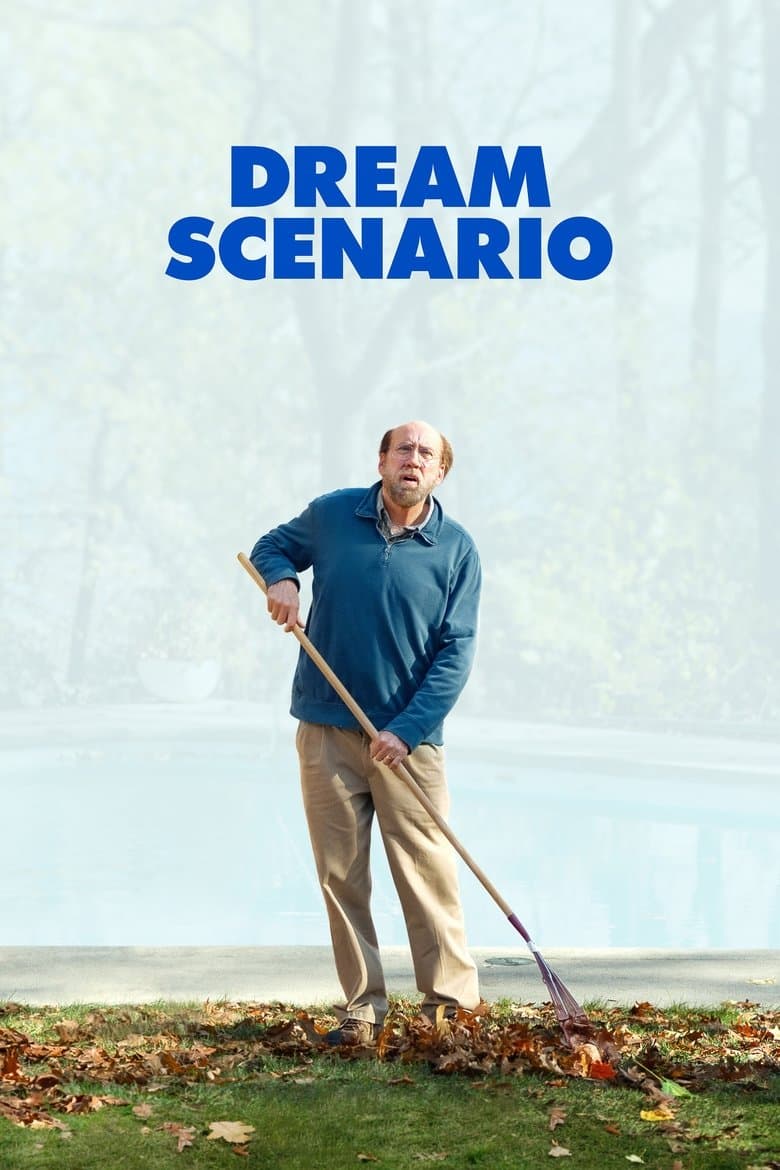
Hapless family man Paul Matthews finds his life turned upside down when millions of strangers suddenly start seeing him in their dreams.
