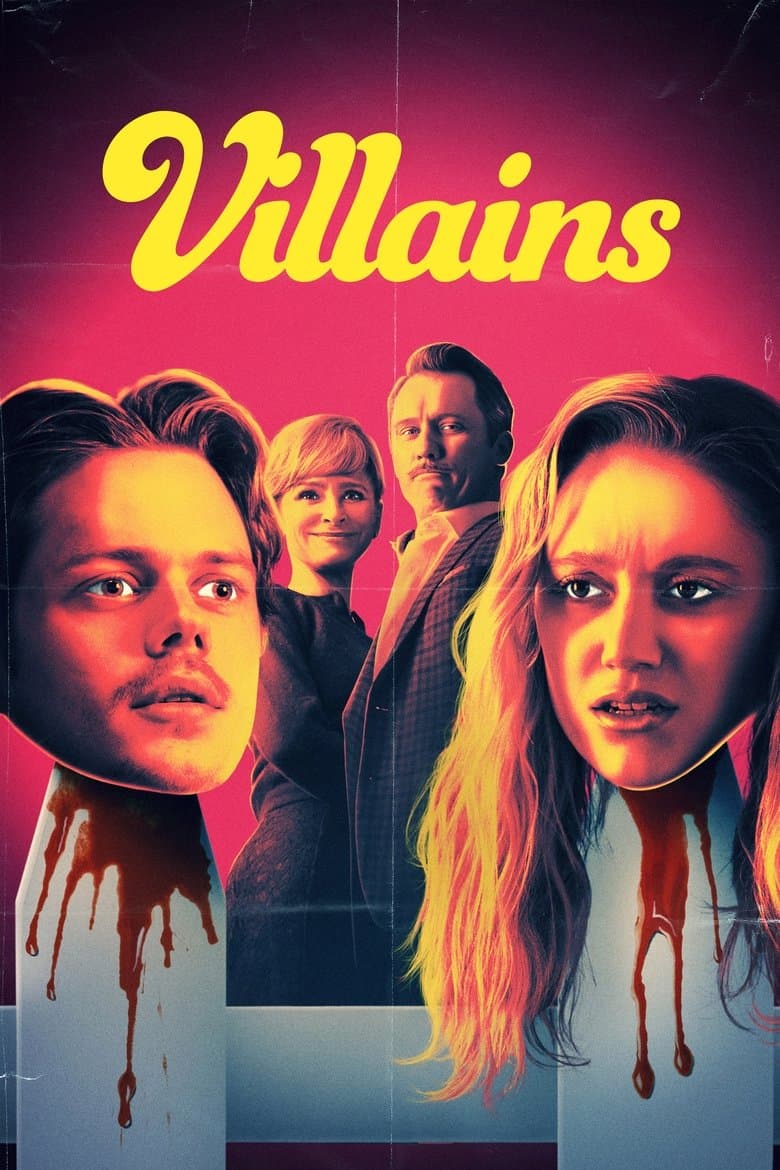
Villains follows Mickey and Jules, a young couple who rob a gas station and head toward Florida for a fresh start. When their car runs out of gas, they enter a quiet house to steal another car and find a girl chained in the basement. The owners, George and Gloria, look like a polite married couple, but they are cruel killers who trap the young thieves. The movie uses bright colors, strange jokes, drugs, violence, and sudden scares to make a dark comedy about two bad couples facing each other.
The main woke element is a small gender-role message built into Jules's choices. She refuses to leave the trapped girl, takes charge when Mickey hesitates, and shows that she is more than a helpless woman. The film also makes George and Gloria's old-fashioned home, churchgoing image, and wish for a nuclear family look twisted and ridiculous. These ideas are visible in the plot, but the movie mainly cares about love, crime, family abuse, and which villains deserve sympathy.
Community feedback
Was our 24% Woke rating accurate?
Breakdown
These are the editorial factors and ratings behind our score for Villains.
Woke representation / casting
Not present. The main cast is made up of white American characters in a present-day crime story. The film does not frame its casting as a diversity or identity statement.
0%
Woke political dialogue
Not present. The film has crime, family, and survival dialogue, but it does not use speeches, jokes, or repeated lines to promote modern identity politics, DEI, or activist ideas.
0%
Identity-driven story themes
The film gives Jules a clear gender-role reversal in a key scene. Jules refuses to leave the chained girl when Mickey wants to run, and her choice drives the rescue plot. The film makes Jules the more decisive partner at that point. The idea is real but limited because the movie does not build a wider message about women or identity.
30%
Western institutional / cultural critique
The film turns George and Gloria’s old-fashioned home into a dark joke. The couple wants a neat nuclear family, performs polite churchgoing respectability, and uses that image to hide abuse and murder. The story contrasts their trapped-in-the-past world with the younger couple’s rougher life. The critique stays inside a twisted family satire and does not become a broad attack on Western institutions.
25%
Woke character or canon changes
Not relevant. The film is an original screenplay and does not adapt established characters, canon, or real historical events.
0%
Anti-woke backlash and complaints
Not present. The X research pass found no anti-woke complaints about the film. Web and audience discussion found no clear claim that it pushed DEI, identity politics, or left-wing ideas.
0%
Creator track record context
Dan Berk and Robert Olsen have cached woke scores of 5 each and no known activist history. Aaron L. Gilbert has a cached score of 41 and a public record of stressing diversity and inclusion in film work. The other listed producers have low or modest cached scores, with no clear activist focus. This gives the movie a weak creator track record signal, but the film itself does not carry that producer’s diversity message.
15%
Production
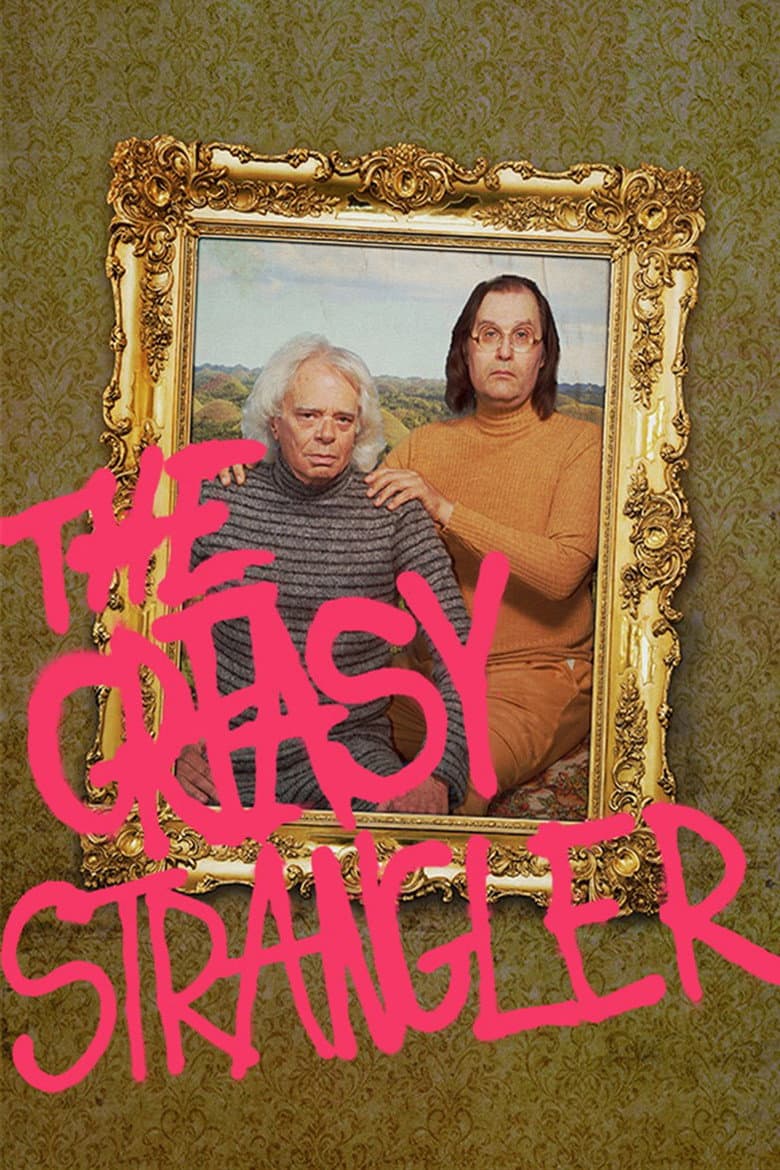
Movie · 2016
Ronnie runs a Disco walking tour with his son, Brayden. When a sexy woman takes the tour, it begins a competition between father and son for her love.

Movie · 2025
After escaping from a mental hospital, a violent sociopath named Paul begins a dangerous rampage targeting Sofia, a world-famous pop star.
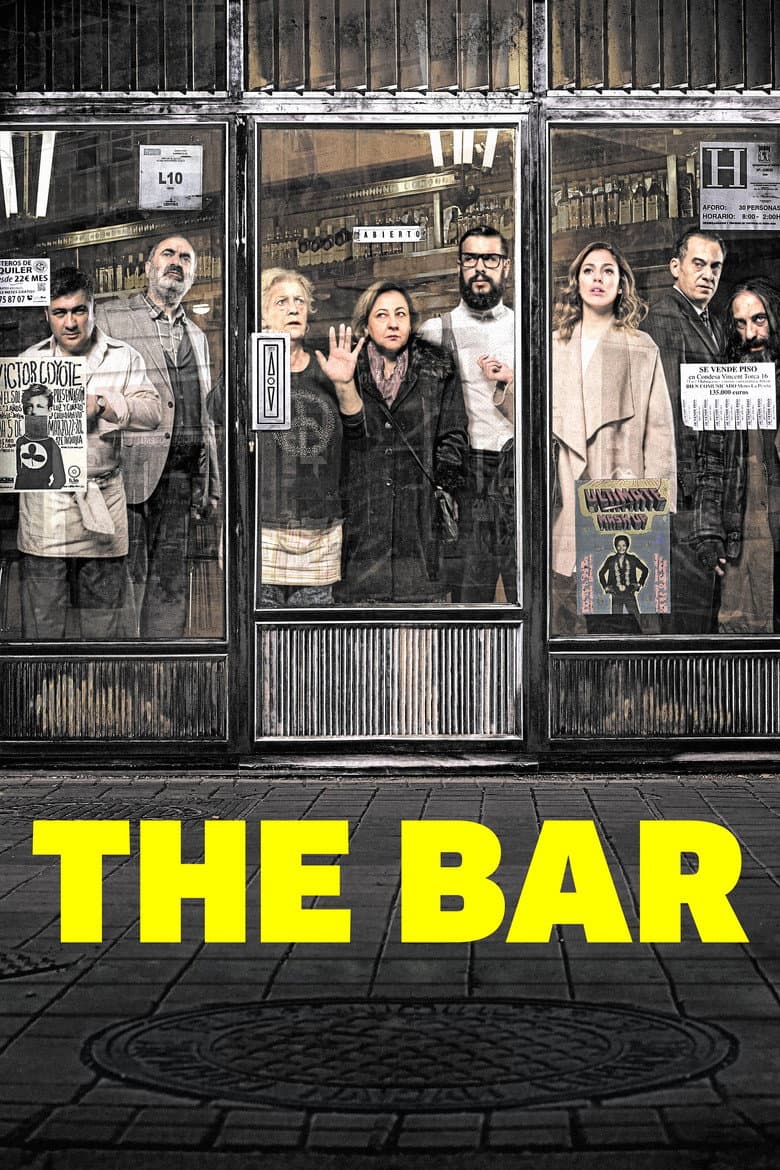
Movie · 2017
In downtown Madrid, a series of mysterious gunshots trap a motley assortment of people in a decrepit bar.

Movie · 2019
Columbus, Tallahassee, Wichita, and Little Rock move to the American heartland as they face off against evolved zombies, fellow survivors, and the growing pains of the snarky…

Movie · 2022
Finney Blake, a shy but clever 13-year-old boy, is abducted by a sadistic killer and trapped in a soundproof basement where screaming is of little use.

Movie · 2019
When a huge hurricane hits her hometown in Florida, Haley ignores evacuation orders to look for her father. After finding him badly wounded, both are trapped by the flood.
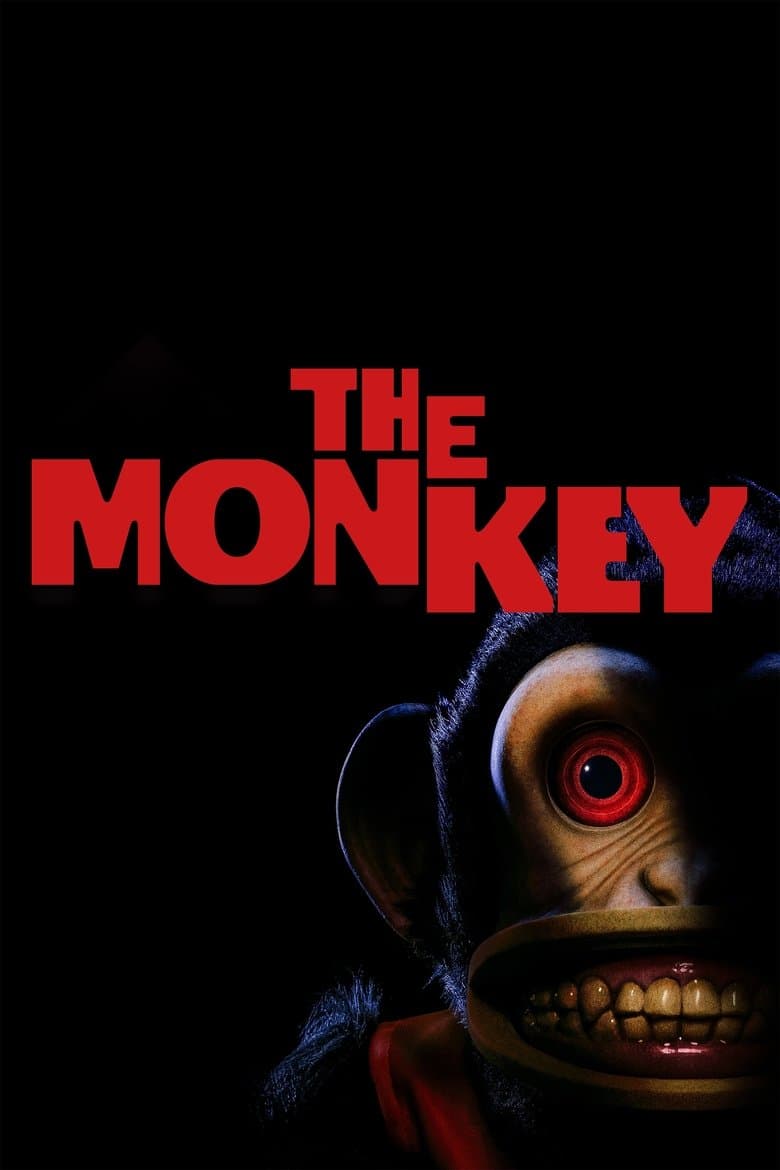
Movie · 2025
When twin brothers find a mysterious wind-up monkey, a series of outrageous deaths tear their family apart. Twenty-five years later, the monkey begins a new killing spree forcing…

Movie · 2024
Nothing is what it seems when a twisted one-night stand spirals into a serial killer’s vicious murder spree.
