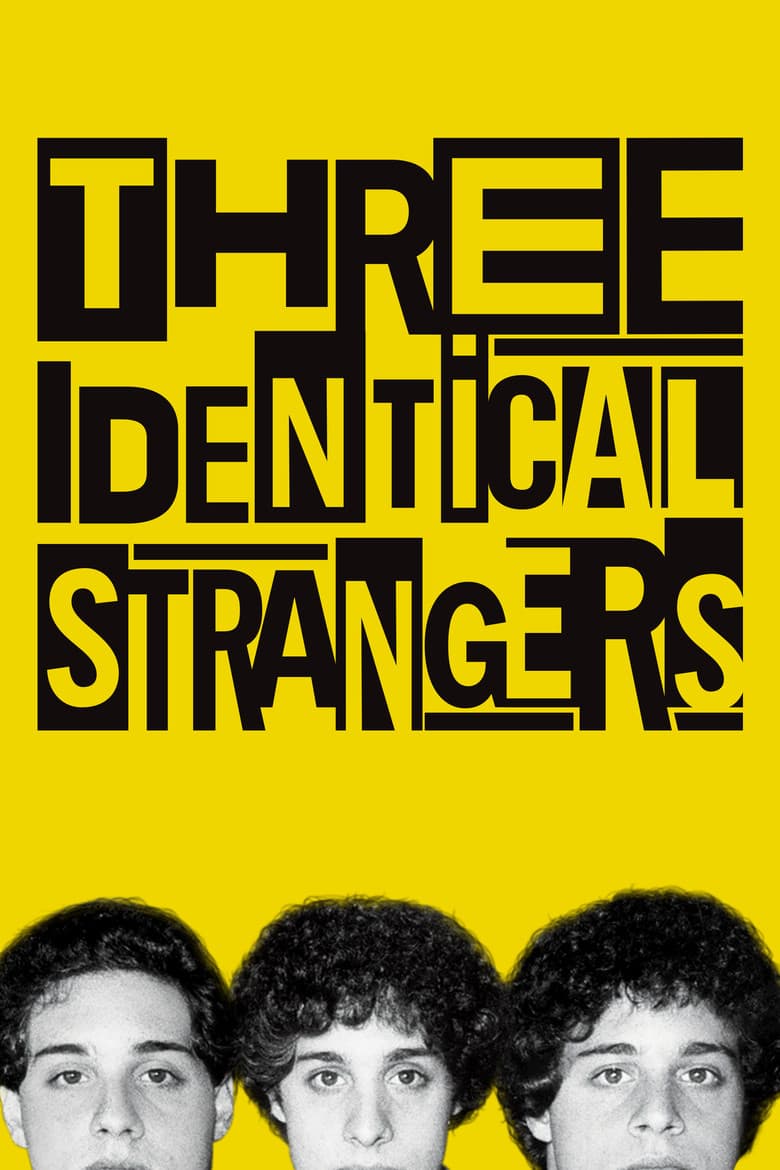
Three Identical Strangers follows Robert Shafran, Eddy Galland, and David Kellman, three young men who learn that they are identical triplets after Robert starts college in New York in 1980. The brothers were adopted by different families and grew up without knowing about one another. Their reunion brings sudden fame, joy, and a new family bond. The film then turns dark as they search for the reason they were separated and why adults kept the truth from them.
The story asks how genes, family life, money, and parenting shape a person. The brothers share many habits, but their different homes give them different lives and problems. A secret study used their childhoods to compare nature and nurture without telling the families what was happening. The film treats that secrecy as a deep wrong and follows the brothers as they face loss, anger, mental illness, and unanswered questions. Its tone moves from warm and funny to tense, sad, and unsettling.
Community feedback
Was our 3% Woke rating accurate?
Breakdown
These are the editorial factors and ratings behind our score for Three Identical Strangers.
Woke representation / casting
Not present. The film uses the real brothers and people connected to their story. It does not create a diversity-focused cast or present casting as a social message.
0%
Woke political dialogue
Not present. The interviews discuss adoption, research ethics, genetics, mental health, and secrecy. No repeated lines push modern identity politics, DEI, or activist causes.
0%
Identity-driven story themes
Not present. The film examines personal identity, family, and nature versus nurture. It does not center race, sex, gender, sexuality, or a modern identity movement.
0%
Western institutional / cultural critique
Not present. The film criticizes secrecy and unethical research by specific people and institutions. It does not use modern activist criticism of Western culture, family life, religion, or social norms.
0%
Woke character or canon changes
Not relevant. The documentary tells a real family story with its actual people. It does not change their race, sex, sexuality, or roles.
0%
Anti-woke backlash and complaints
Not present. The X pass found no anti-woke reaction. A small Google Play sample has one vague complaint about a “secret agenda,” but it does not say the film pushes woke, DEI, identity, or left-wing politics.
0%
Creator track record context
The supplied creator records place Tim Wardle and most producers in the low or modest range. Grace Hughes-Hallett has a stronger identity-focused record through her later intersex documentary. Courtney Sexton and Sara Ramsden have some socially engaged work, but the notes do not show a strong activist persona for this film.
17%
Production
Movie · 2025
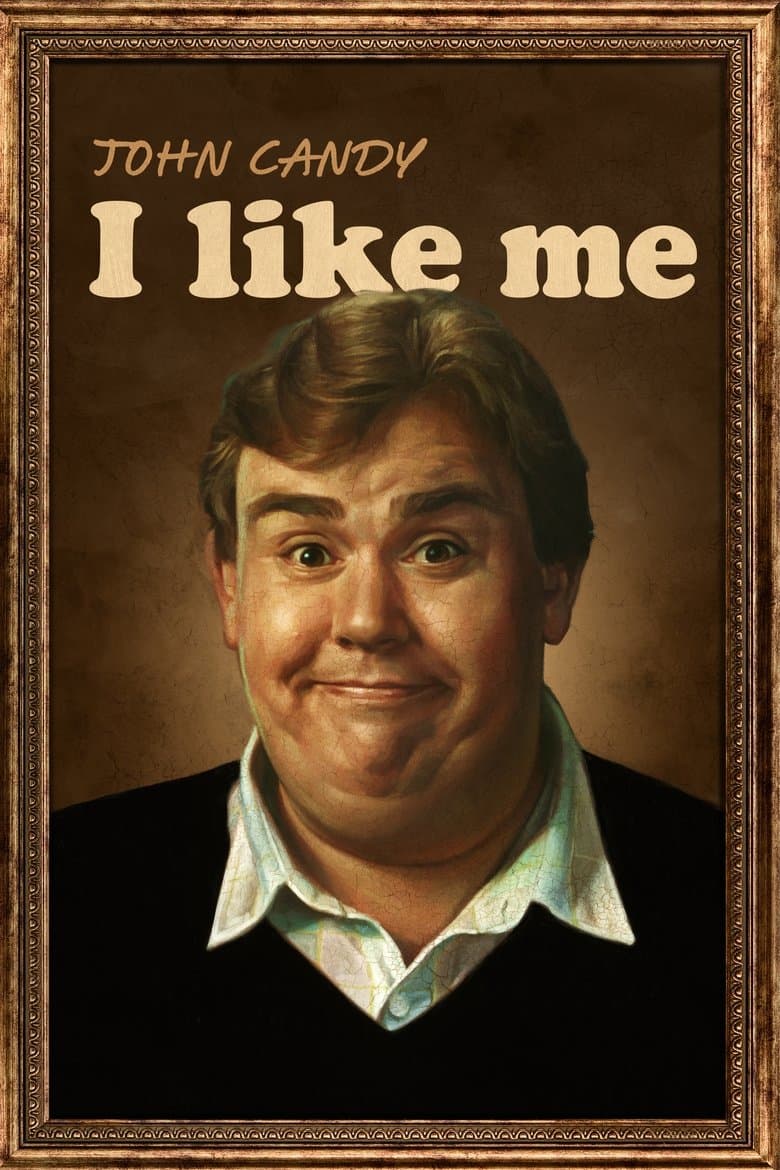
Those who knew iconic funnyman John Candy best share his story, in their own words, through never-before-seen archival footage, imagery, and interviews.
Movie · 2025
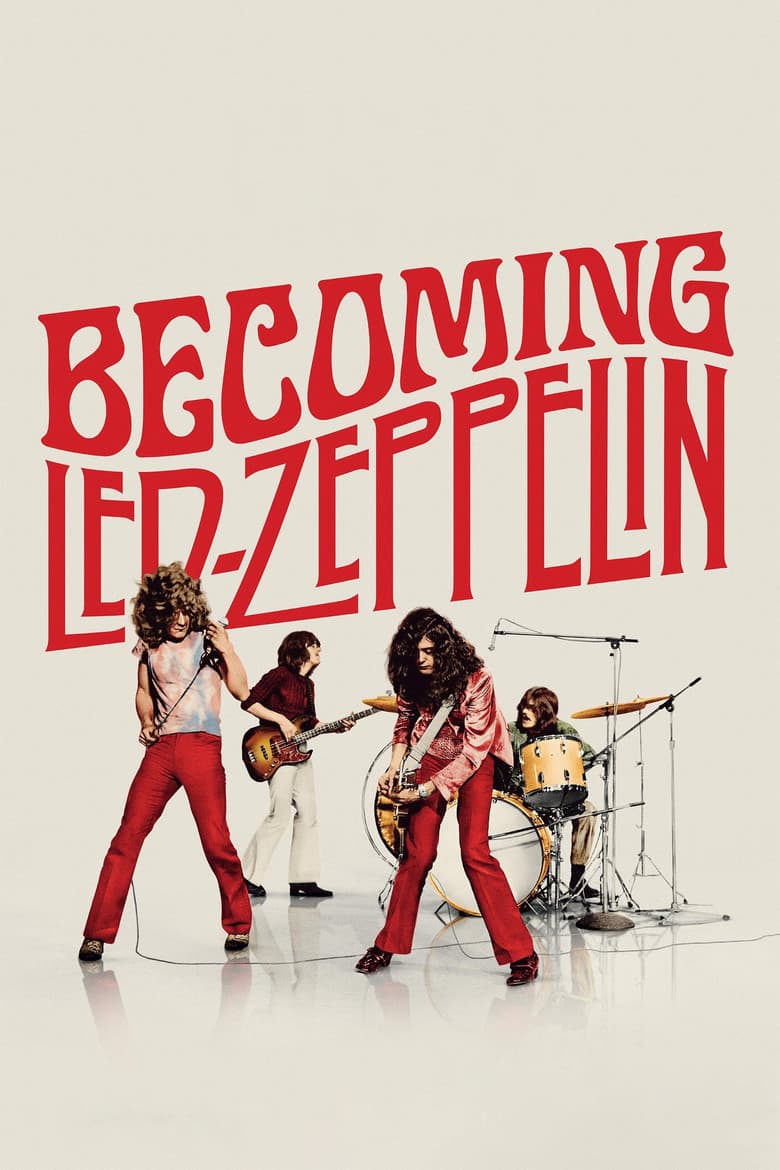
The individual journeys of the four members of the band, as they move through the music scene of the 1960s, playing small clubs throughout Britain and performing some of the…
Movie · 2019
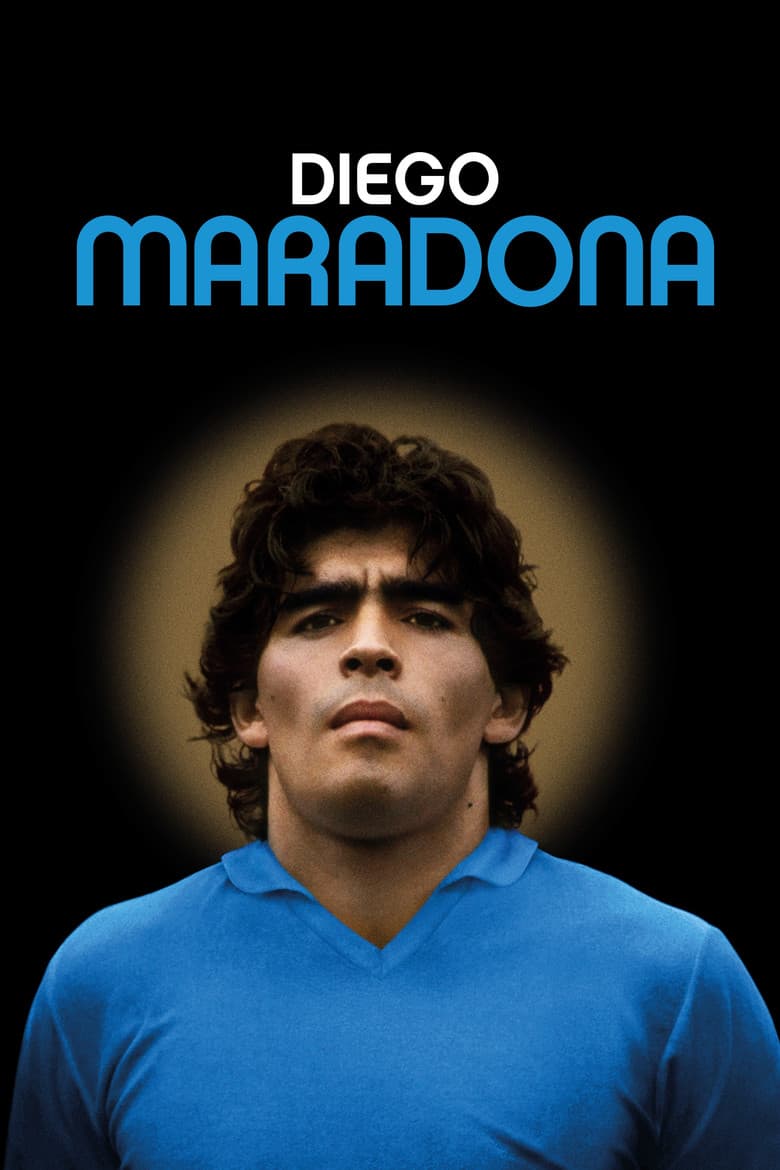
Constructed from over 500 hours of never-before-seen footage, this documentary centers on the personal life and career of the controversial football player Diego Maradona who…
Movie · 2022
An enchanting making-of story told through all-new in-depth interviews and cast conversations, inviting fans on a magical first-person journey through one of the most beloved film…
Movie · 2021
Through exclusive interviews and archival footage, this documentary traces an intimate portrait of seven-time Formula 1 champion Michael Schumacher.
Movie · 2020
A real-life undercover thriller about two ordinary men who embark on an outrageously dangerous ten-year mission to penetrate the world's most secretive and brutal dictatorship…
Movie · 2020
This documentary examines unidentified aerial phenomenon. With testimony from high-ranking government officials and NASA Astronauts, Senator Harry Reid says it "makes the…
Movie · 2016
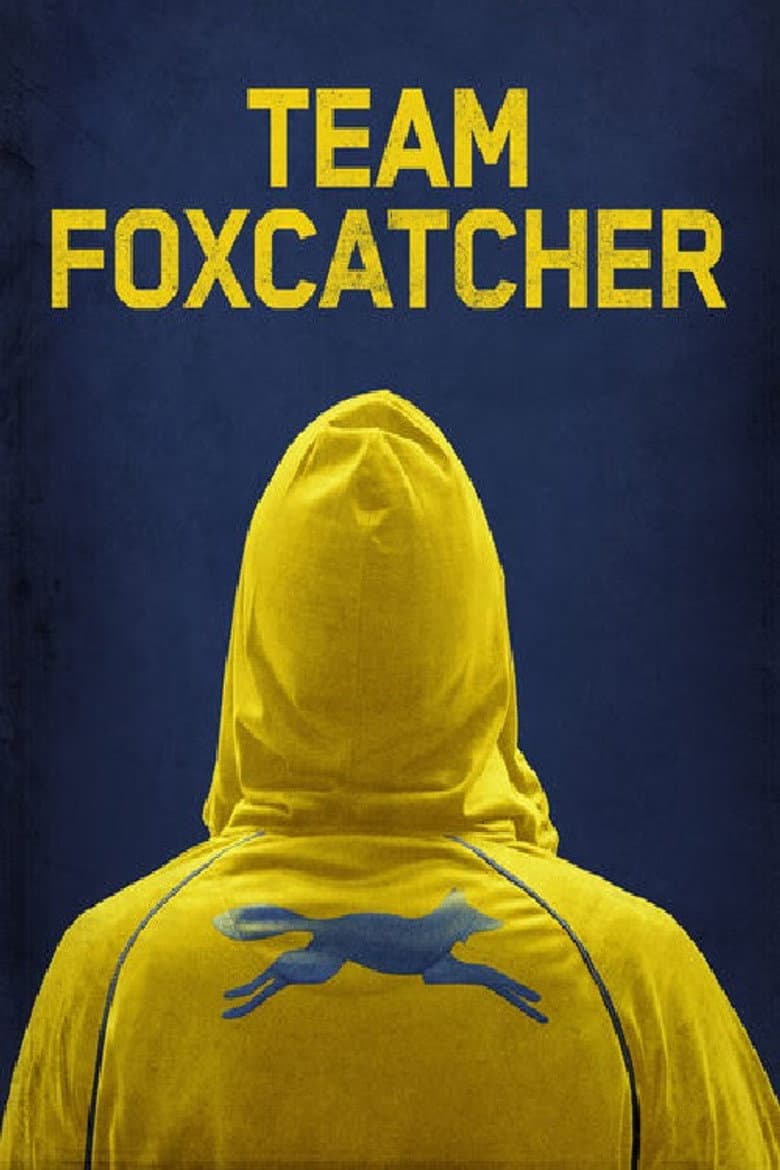
With never-before seen home video, this film recounts the paranoid downward spiral of John E. du Pont and the murder of Olympic wrestler Dave Schultz.
