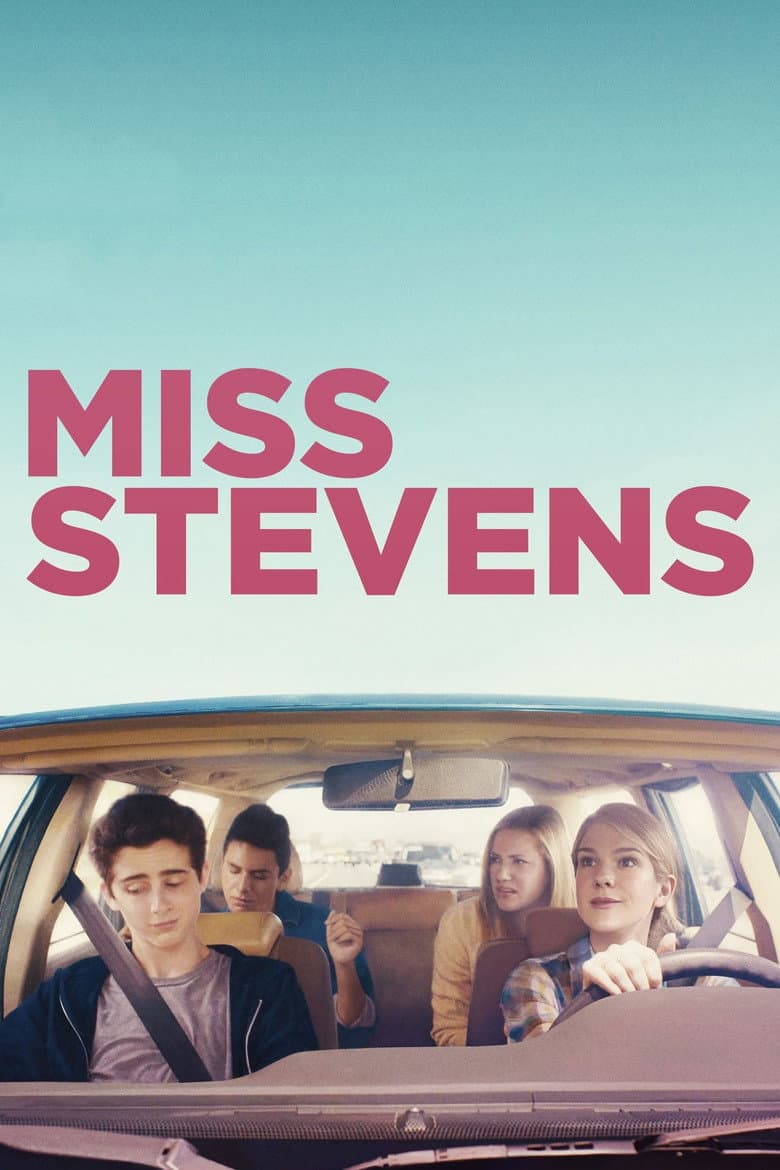
Rachel Stevens is a 29-year-old English teacher who feels lost after her mother’s death. She drives three students to a weekend drama contest in California while trying to act like the adult in charge. Billy is talented and troubled, Margot is strict and driven, and Sam is open about being gay. The quiet comedy-drama follows their road trip, hotel stay, rehearsals, and performances with a sad but warm tone.
The film puts a flawed woman at the center and gives her private fears, desires, and choices instead of making her a perfect teacher. Rachel rejects Billy’s crush, so the story turns an expected teacher-student romance into a lesson about limits and care. Sam’s gay identity is clear, but it is a small part of his character and does not drive the plot. The film also shows a married male teacher using charm to get sex, yet it treats this as one bad choice inside a wider story about loneliness, grief, growing up, and learning to help others.
Community feedback
Was our 37% Woke rating accurate?
Breakdown
These are the editorial factors and ratings behind our score for Miss Stevens.
Woke representation / casting
Sam is openly gay, and he is one of the three students in the main group. The film gives him several scenes and a dating problem. The story does not make his identity the main conflict. This makes the identity element noticeable but limited.
16%
Woke political dialogue
Rachel says that being a lesbian would not be wrong when Billy asks about her. The students treat Sam’s coming out as normal and say it is cool. These lines make acceptance of gay identity visible in the film. The dialogue stays personal and does not become a political speech.
16%
Identity-driven story themes
The film makes an adult woman’s emotional life its main story and treats her sexual choices as important. Rachel controls the boundary with Billy and refuses to become the fantasy expected by the setup. Sam’s gay identity appears throughout the trip, but it remains a side part of his character. These choices create a clear but moderate identity-driven theme beside the film’s larger focus on grief and growing up.
34%
Western institutional / cultural critique
Rachel says school can feel like an institution that keeps people from being themselves. The film shows Walter, a married teacher, using attraction to get sex and then dismissing Rachel’s feelings. Rachel refuses the expected teacher-student sexual path. These points are brief and personal, not a broad attack on family, religion, or Western culture.
18%
Woke character or canon changes
Not relevant. The film is an original story and does not change an established character, canon, or historical figure.
0%
Anti-woke backlash and complaints
Not present. No reliable anti-woke complaints were found in news, audience discussion, or other public reaction. The supplied X pass also found no anti-woke reaction.
0%
Creator track record context
Julia Hart’s cached record repeatedly centers women, female agency, and underrepresented viewpoints. Her interview for this film says she wanted to tell a female story and show the older woman as the powerful figure who says no. Jordan Horowitz and the listed producers have credits tied to queer and identity-focused films. This gives the project a clear creator-context signal, even though the movie itself stays personal and small.
56%
Production
Movie · 2017
Brigsby Bear Adventures is a children's TV show produced for an audience of one: James. When the show abruptly ends, James's life changes forever, and he sets out to finish the…

Movie · 2018
An American hypochondriac who is working as a baggage handler is forced to confront his fears when a British teenager with a terminal illness enlists him to help her carry out her…

Movie · 2021
Veteran comedy writer Charlie Berns, who is slowly but surely losing his grip on reality, befriends a talented young New York street singer Emma Payge.

Movie · 2018
Tony Lip, a bouncer in 1962, is hired to drive pianist Don Shirley on a tour through the Deep South in the days when African Americans, forced to find alternate accommodations and…
Movie · 2017
When dictator Joseph Stalin dies, his parasitic cronies square off in a frantic power struggle to become the next Soviet leader.
Movie · 2016
From Jane Austen’s novella, the beautiful and cunning Lady Susan Vernon visits the estate of her in-laws to wait out colorful rumors of her dalliances and to find husbands for…
Movie · 2016
The story of Florence Foster Jenkins, a New York heiress, who dreamed of becoming an opera singer, despite having a terrible singing voice.
Movie · 2018
Vignettes weaving together the stories of six individuals in the old West at the end of the Civil War. Following the tales of a sharp-shooting songster, a wannabe bank robber, two…
