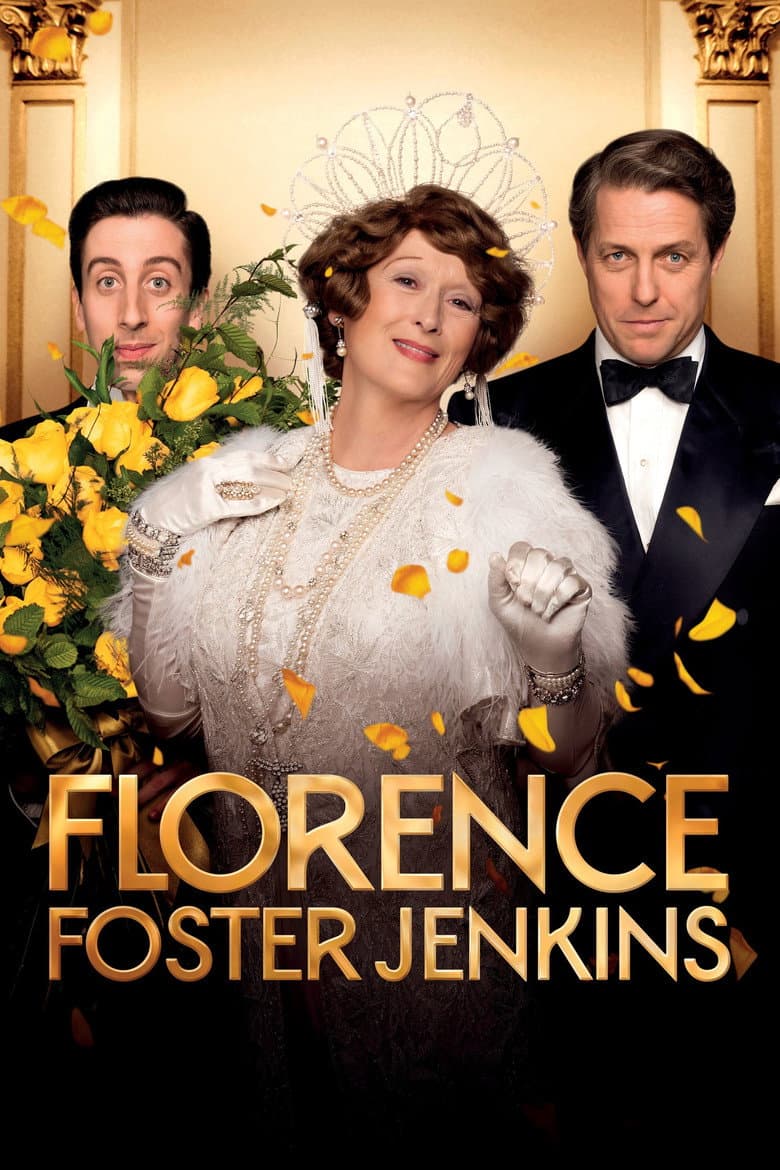
Stephen Frears made a biographical comedy-drama about New York heiress Florence Foster Jenkins. Meryl Streep plays Florence as she pursues opera performance in 1944 even though her singing is disastrous. Hugh Grant plays her companion and manager St. Clair Bayfield, who protects her fantasy from the outside world. Simon Helberg plays her accompanist Cosmé McMoon. The story centers on delusion, loyalty, patronage, and the cost of public ridicule rather than on modern politics.
The film keeps almost no modern activist messaging. The main cast fits 1940s elite New York and the real historical principals, with no engineered multi-identity lead group. The clear identity note is McMoon, played as a shyly flamboyant gay accompanist in a major supporting role through manner, subtext, and soft period coding. A Black soldier appears only among background concertgoers at a wartime event. Dialogue stays on music, manners, reputation, marriage arrangements, and shielding Florence from harsh truth. McMoon’s muted gay thread is real but secondary, and Florence’s ambition reads as eccentric human comedy and pathos rather than a feminist manifesto.
Community feedback
Was our 21% Woke rating accurate?
Breakdown
These are the editorial factors and ratings behind our score for Florence Foster Jenkins.
Woke representation / casting
The main cast fits 1940s elite New York and the real principals. McMoon is the clear identity note as a shyly flamboyant gay accompanist in a major supporting role. A Black soldier appears only in the background. Progressive outlets even faulted the film for not reflecting McMoon’s Mexican-Irish background.
18%
Woke political dialogue
Not present. Dialogue centers on music, manners, reputation, marriage arrangements, and protecting Florence’s fantasy, with no activist lines about systemic oppression, representation, or contemporary identity politics.
0%
Identity-driven story themes
The core arc is talent versus self-belief, protective love, and public humiliation, not race, gender ideology, or DEI messaging. McMoon’s muted gay awakening is a real but secondary thread. Florence’s ambition reads as eccentric human comedy and pathos rather than a feminist or identity manifesto.
22%
Western institutional / cultural critique
Not present. Light period satire of high society, sycophants, and a cruel newspaper columnist, with no modern framing of toxic masculinity, patriarchy, colonial guilt, or anti-Western cultural politics.
0%
Woke character or canon changes
Not relevant. Ordinary biopic compression applies. McMoon’s sexuality is a soft historical inference rather than a reverse of a firmly established straight canon figure, and ethnicity was simplified toward white casting rather than diversified for ideology.
0%
Anti-woke backlash and complaints
Not present. No meaningful right-leaning or anti-woke campaign treated the film as DEI propaganda. Reception was broadly warm, and found criticism tends to be aesthetic or from the left.
0%
Creator track record context
Frears is classic social-realist or left-leaning rather than a modern DEI activist brand and has downplayed feminist readings of his work. Danny Cohen has institutional gender-representation history from BBC years. Writers and producers are mostly low, while casting directors include higher diversity-advocacy profiles balanced by others near zero.
24%
Production
Movie · 2022
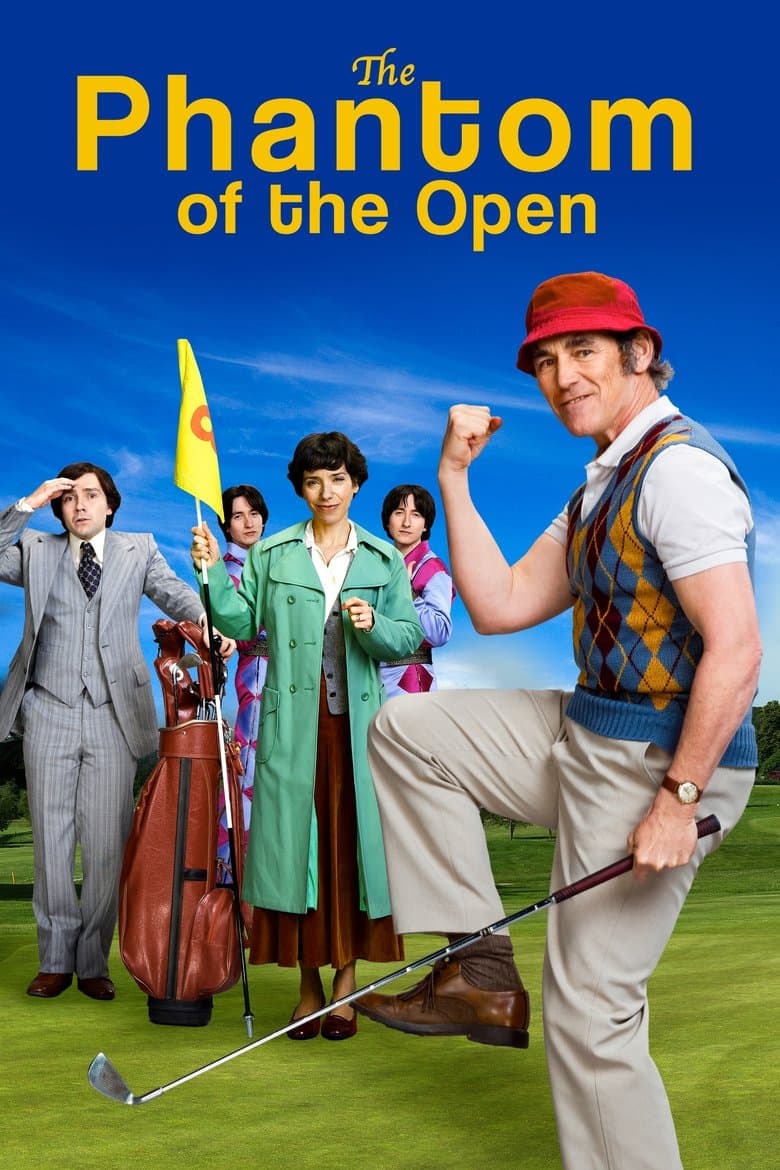
Maurice Flitcroft, a dreamer and unrelenting optimist, managed to gain entry to The British Open Golf Championship qualifying in 1976 and subsequently shot the worst round in Open…
Movie · 2016
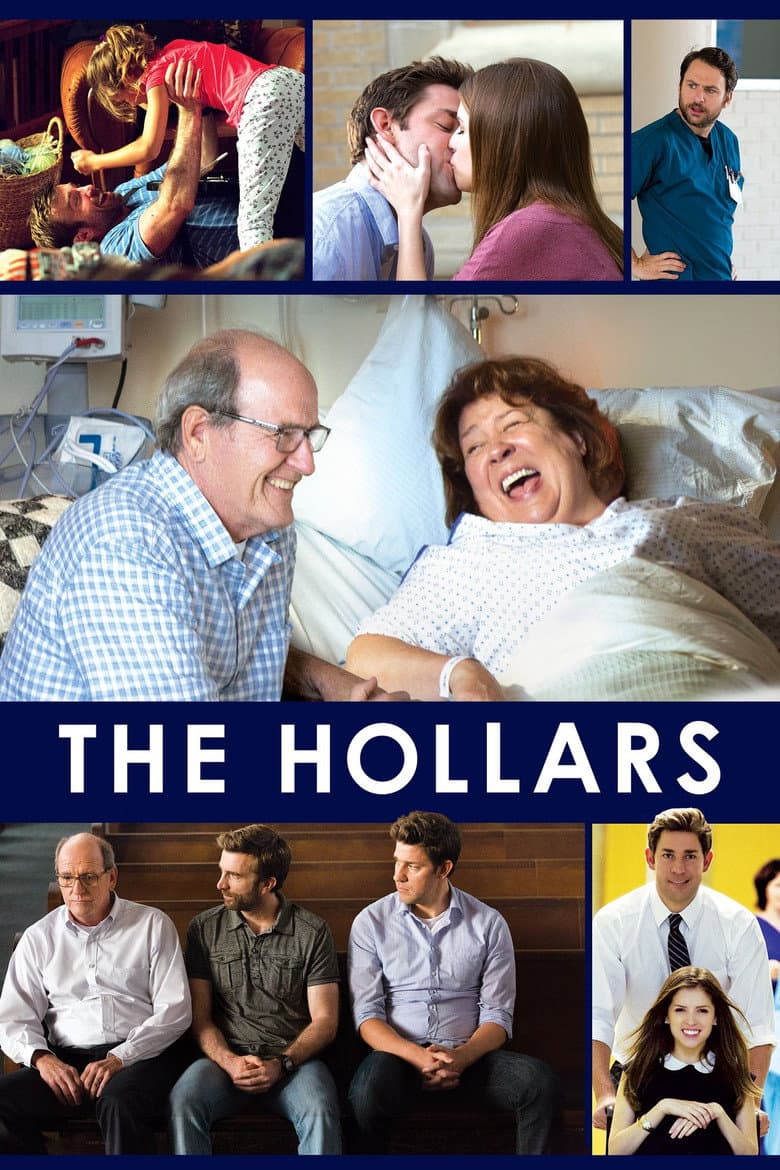
Aspiring New York City artist John Hollar returns to his Middle America hometown on the eve of his mother’s brain surgery.
Movie · 2016
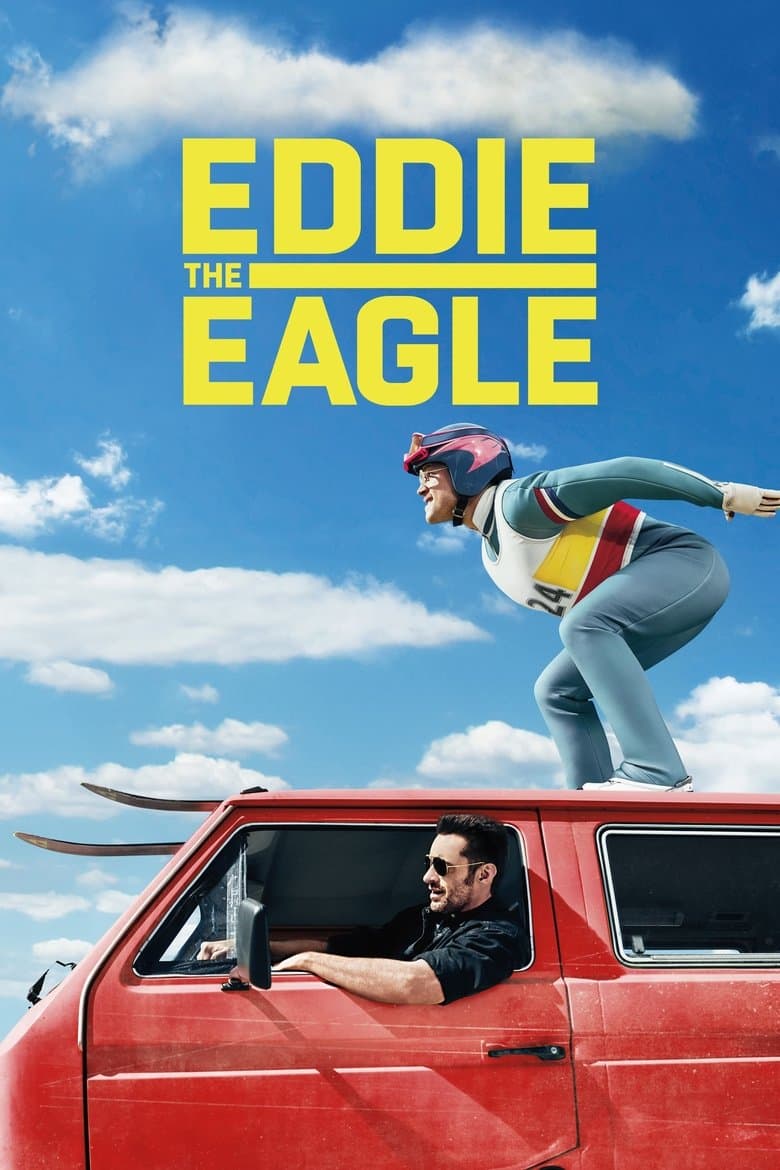
The feel-good story of Michael 'Eddie' Edwards, an unlikely but courageous British ski-jumper who never stopped believing in himself—even as an entire nation was counting him out.
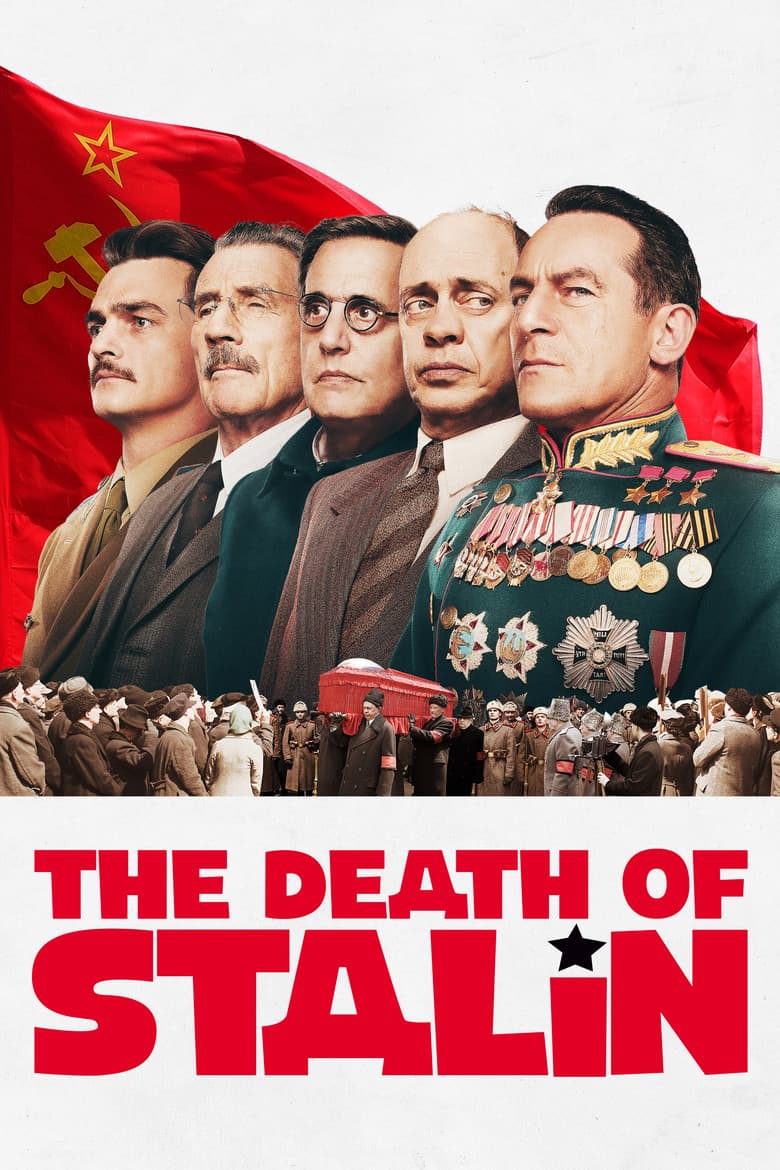
Movie · 2017
When dictator Joseph Stalin dies, his parasitic cronies square off in a frantic power struggle to become the next Soviet leader.
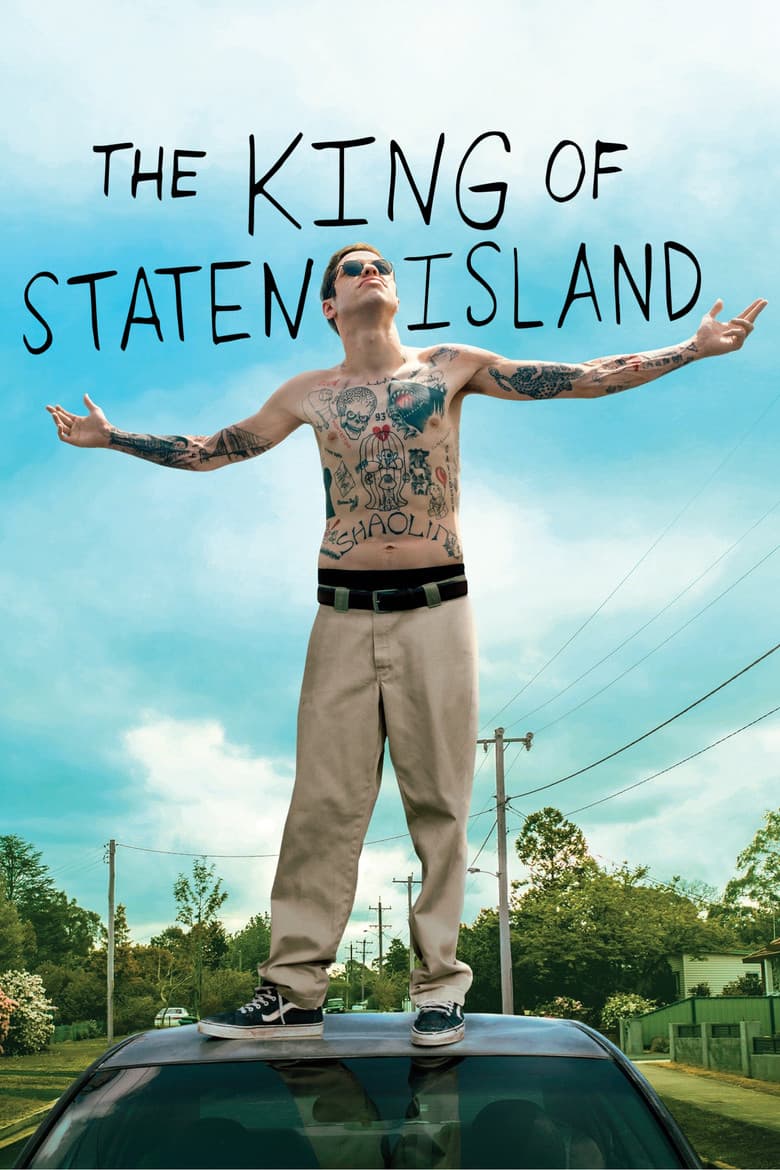
Movie · 2020
Scott has been a case of arrested development ever since his firefighter father died when he was seven. He's now reached his mid-20s having achieved little, chasing a dream of…
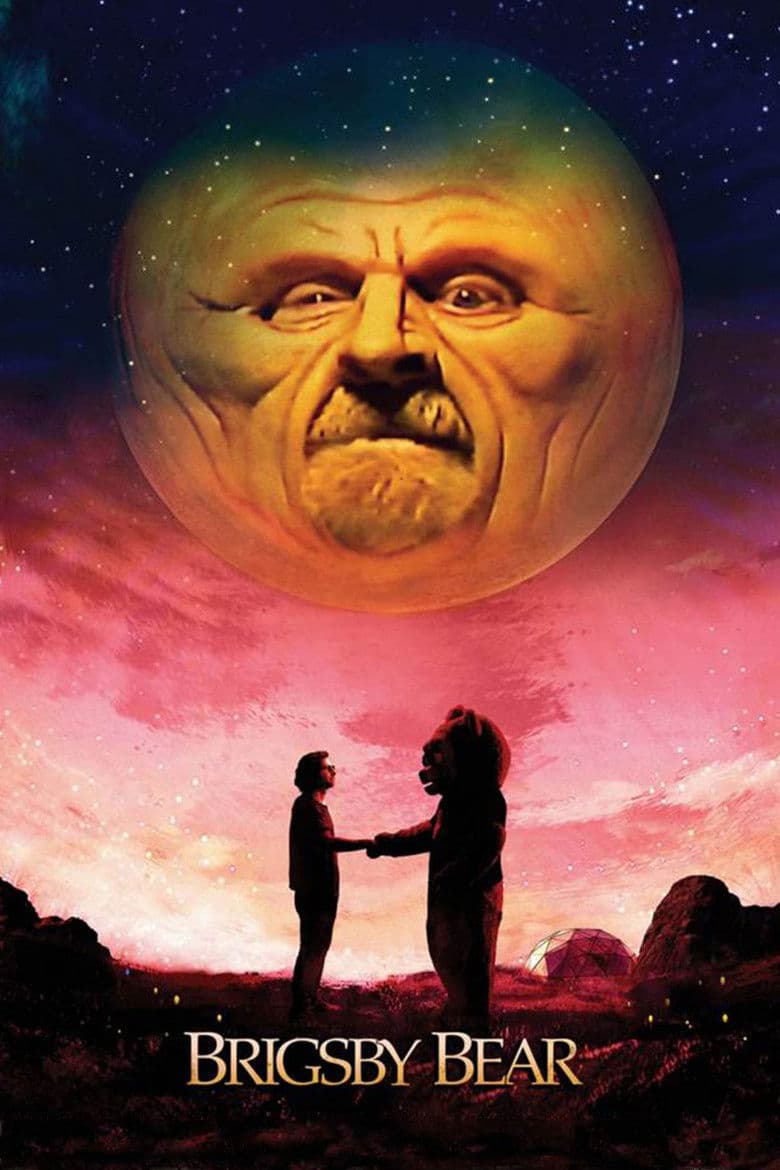
Movie · 2017
Brigsby Bear Adventures is a children's TV show produced for an audience of one: James. When the show abruptly ends, James's life changes forever, and he sets out to finish the…
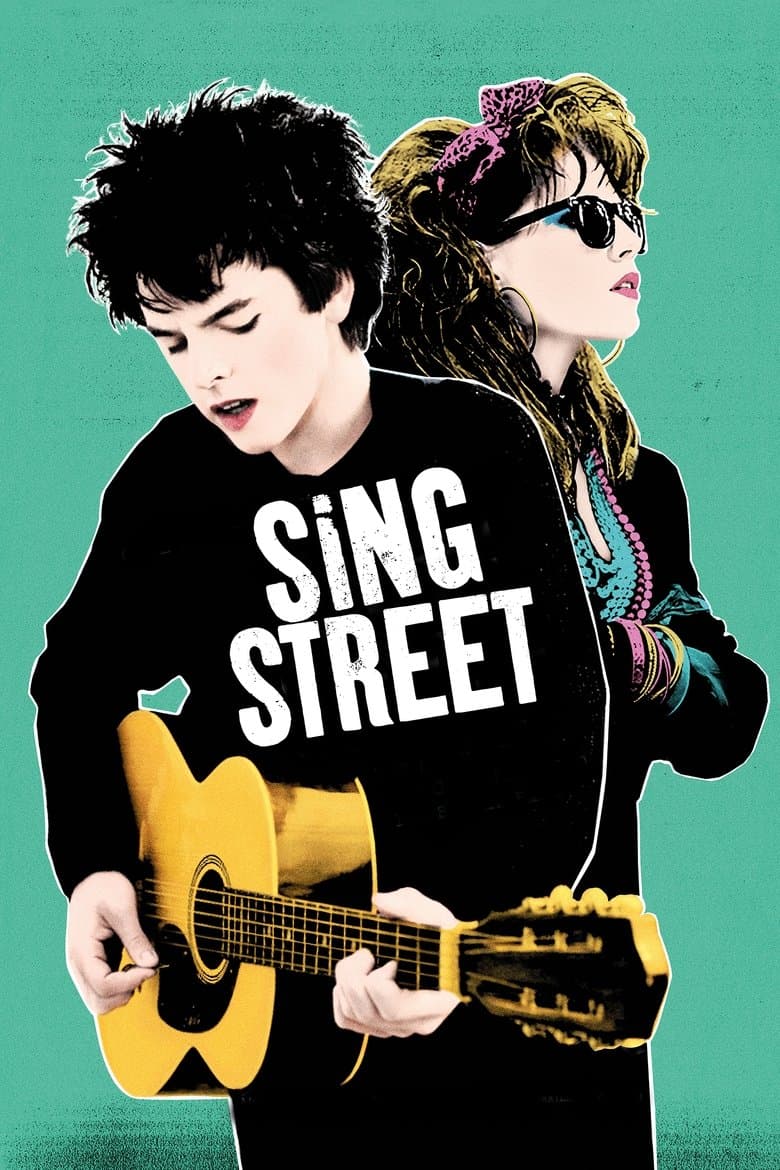
Movie · 2016
A boy growing up in Dublin during the 1980s escapes his strained family life by starting a band to impress the mysterious girl he likes.
Movie · 2019
Ten fishermen from Cornwall are signed by Universal Records and achieve a top ten hit with their debut album of Sea Shanties.
