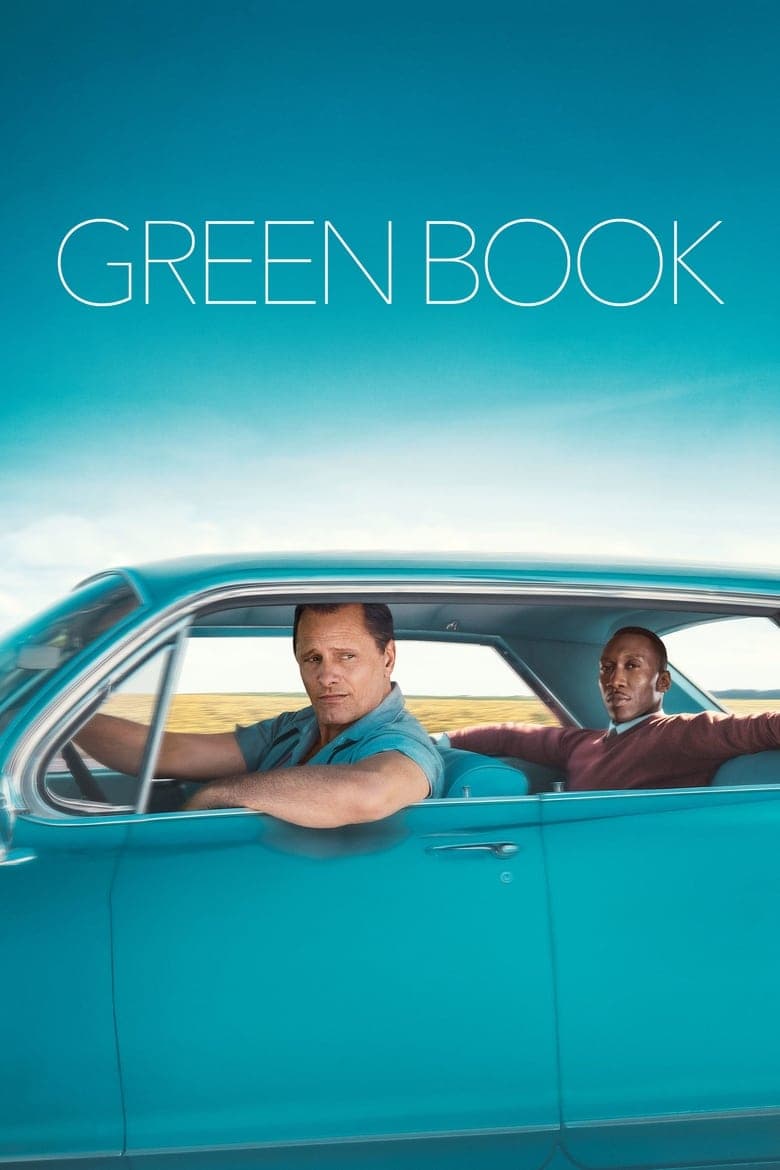
Green Book is a 2018 comedy-drama inspired by the true story of Italian-American bouncer Tony Lip, who drives black classical pianist Don Shirley on an eight-week concert tour through the segregated Deep South in 1962 using the Negro Motorist Green Book guide for safe lodging and services. The film shows their unlikely friendship forming as Tony confronts his casual prejudices through daily encounters with racism and Don shares his refined perspective. Racism appears as period-specific personal slights and legal barriers rather than modern activist framing, identity politics, or institutional critiques, with the story staying focused on individual growth and mutual respect.
Community feedback
Was our 20% Woke rating accurate?
Breakdown
These are the editorial factors and ratings behind our score for Green Book.
Woke representation / casting
Casting aligns exactly with the real 1962 historical figures and setting; no audience-visible diversity quotas, gender swaps, or identity signaling.
5%
Woke political dialogue
Conversations about race and segregation use straightforward 1960s language tied to specific incidents; no modern activist terms or lectures appear.
8%
Identity-driven story themes
The core focuses on personal friendship and one man's attitude shift across racial lines in historical context; a single minor scene hints at private life details but stays incidental and does not drive the narrative.
18%
Western institutional / cultural critique
Jim Crow segregation and Southern racism appear as era-specific obstacles through everyday events; the story avoids reframing into present-day systemic, patriarchal, or anti-Western messaging.
8%
Woke character or canon changes
Events and details of real people Don Shirley and Tony Lip were dramatized for the screen, with some elements disputed by Shirley's family regarding community ties and personal life.
20%
Anti-woke backlash and complaints
Public pushback stayed limited and mostly came from progressive voices calling the film too traditional or white-centered; few organized anti-woke complaints labeled it overly activist.
5%
Creator track record context
Writer Nick Vallelonga apologized for one past tweet supporting a contested political claim; director Peter Farrelly and most other key creatives lack patterns of activist or identity-driven projects.
12%
Production
Movie · 2018
An American hypochondriac who is working as a baggage handler is forced to confront his fears when a British teenager with a terminal illness enlists him to help her carry out her…
Movie · 2025
An eccentric lottery winner who lives alone on a remote island tries to make his fantasies come true by getting his favourite musicians to perform at his home.
Movie · 2022
Maurice Flitcroft, a dreamer and unrelenting optimist, managed to gain entry to The British Open Golf Championship qualifying in 1976 and subsequently shot the worst round in Open…
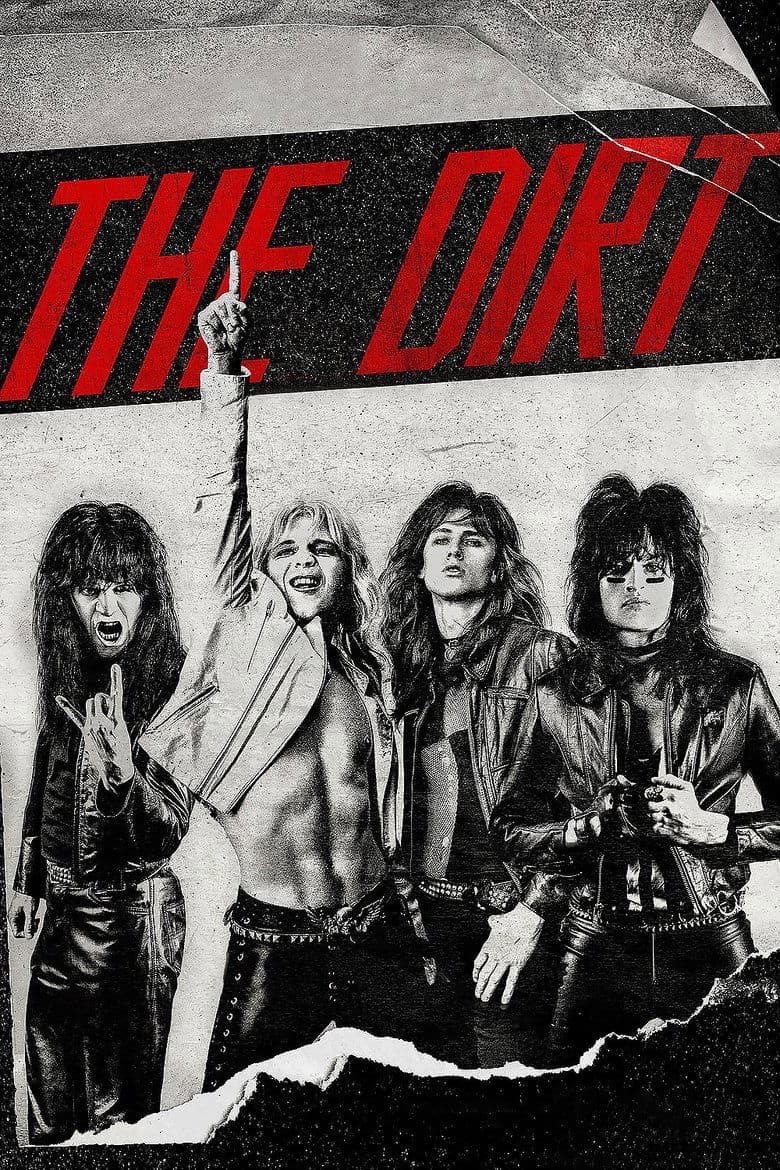
Movie · 2019
The story of Mötley Crüe and their rise from the Sunset Strip club scene of the early 1980s to superstardom.
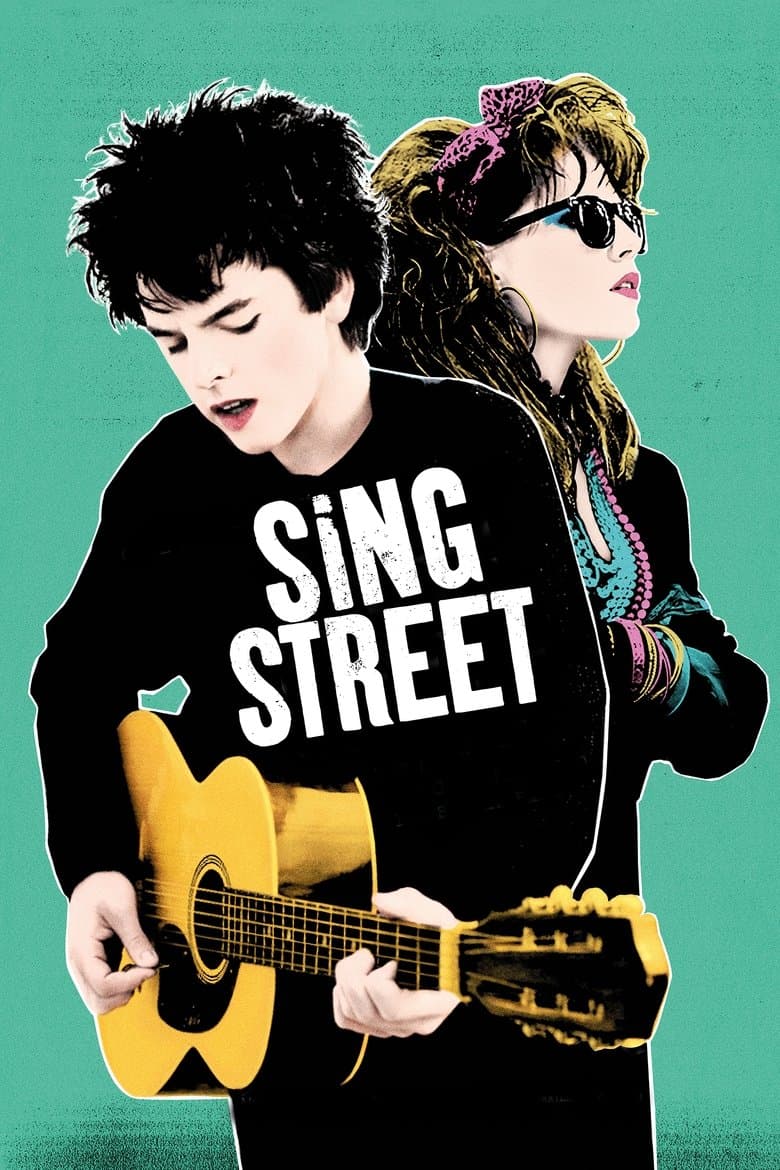
Movie · 2016
A boy growing up in Dublin during the 1980s escapes his strained family life by starting a band to impress the mysterious girl he likes.
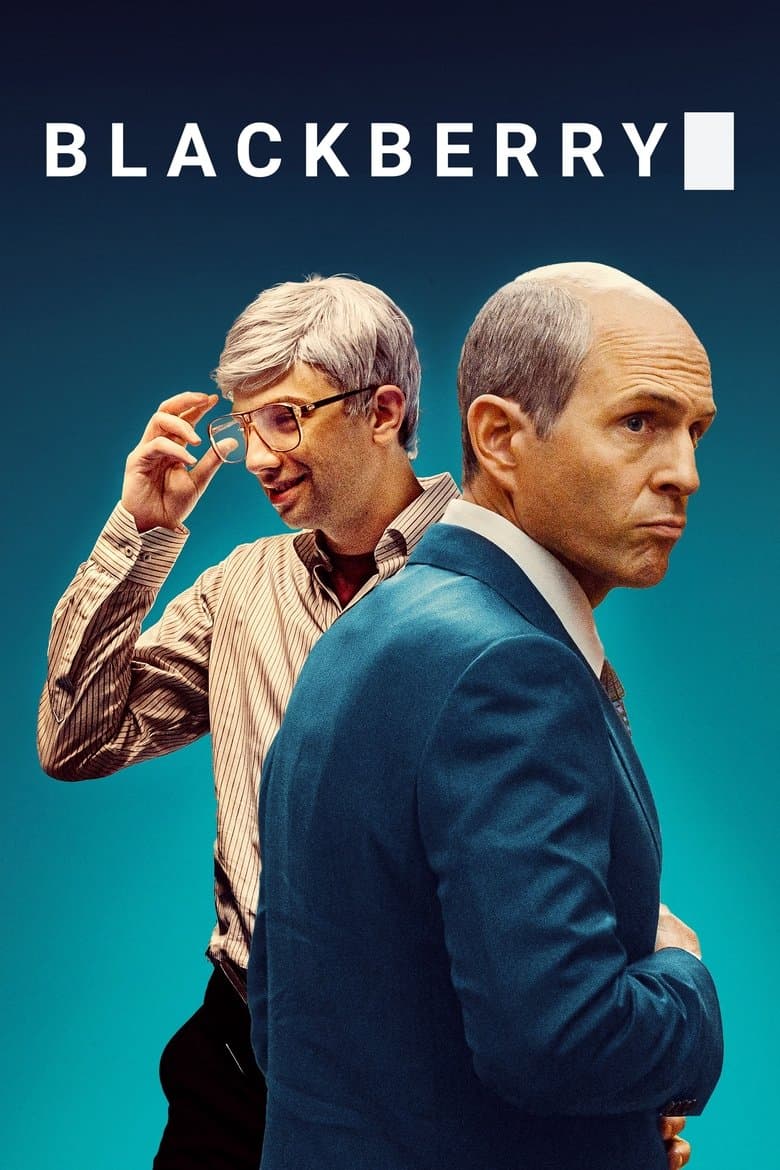
Movie · 2023
Two mismatched entrepreneurs – egghead innovator Mike Lazaridis and cut-throat businessman Jim Balsillie – joined forces in an endeavour that was to become a worldwide hit in…
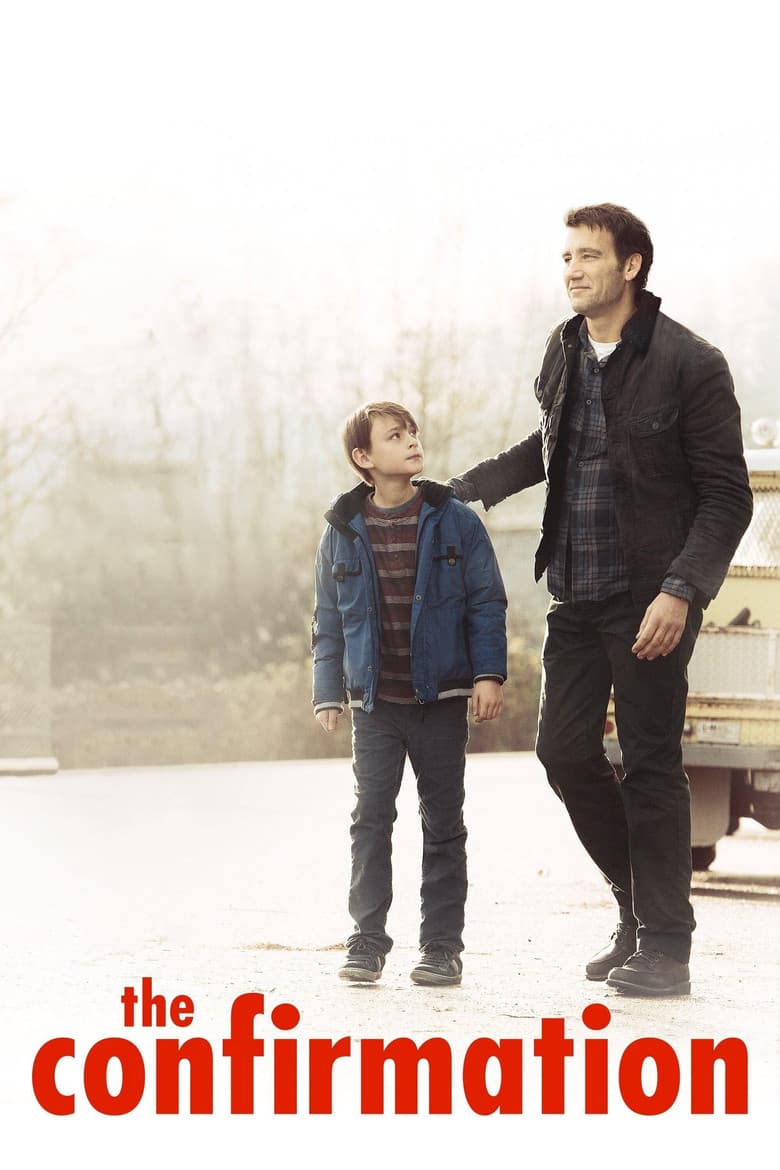
Movie · 2016
A divorced father reconnects with his son when they track down a stolen toolbox over the course of a weekend.
Movie · 2023
Mira Ray, dealing with the loss of her fiancé, John, sends a series of romantic texts to his old cell phone number… not realizing the number was reassigned to Rob Burns' new work…
