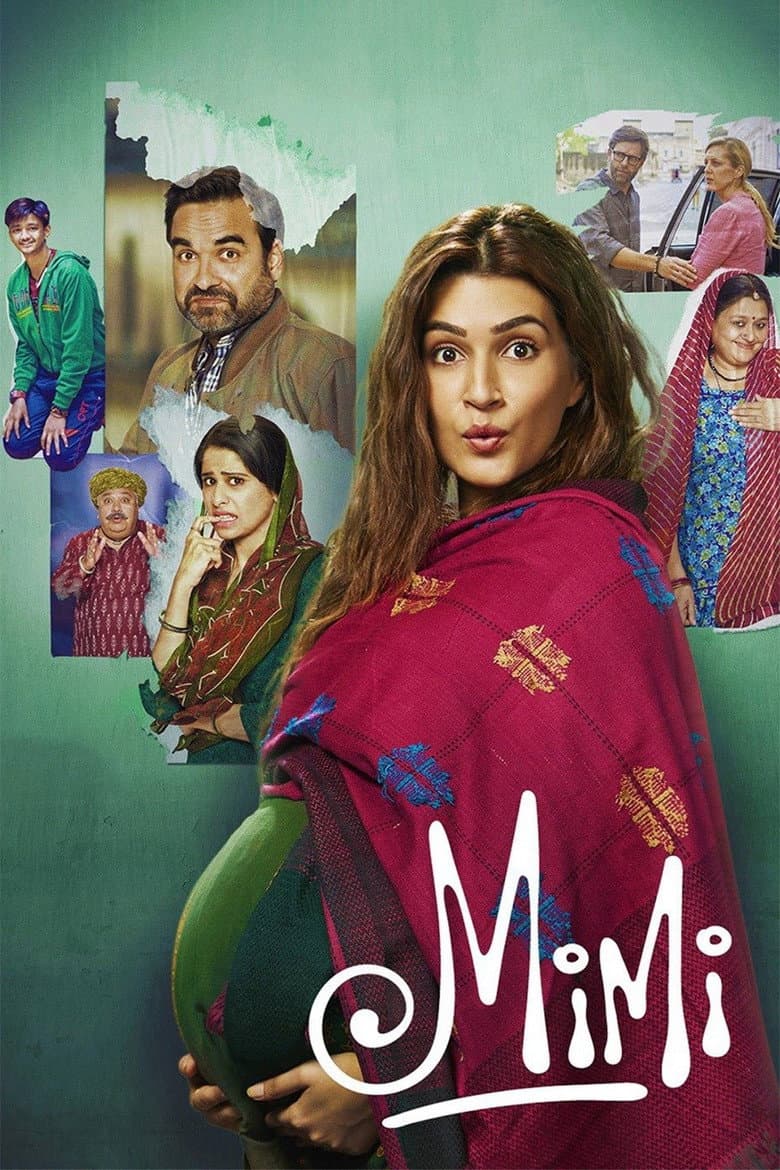
Mimi Rathore is a young dancer in a small Rajasthan town who dreams of becoming a Bollywood star. She accepts money to become a surrogate for an American couple, and she hides the pregnancy from her parents by pretending to leave for a film job. When doctors warn that the baby may have Down syndrome, the couple asks her to end the pregnancy and leaves India. Mimi refuses, gives birth, and slowly chooses to raise the child with help from her friend Shama, the driver Bhanu, and her family. The film starts as a bright comedy and turns into a tearful family drama.
The film makes surrogacy, pregnancy, motherhood, and adoption the heart of its message. Mimi tells her doctor that abortion is like killing a child and treats the unborn baby as a living person, so the story takes a clear anti-abortion position. The American couple's rejection of a baby who may have Down syndrome also brings disability and the value of human life into the conflict. Mimi gives up her acting dream for Raj, while the ending says that love and care can matter more than blood ties. A Muslim friend and jokes about fear of a marriage between different religions add a small religion and identity angle.
Community feedback
Was our 38% Woke rating accurate?
Breakdown
These are the editorial factors and ratings behind our score for Mimi.
Woke representation / casting
Not present. The Indian roles fit the Rajasthan setting, and the American couple is needed for the story. The film does not present casting as a diversity or identity statement.
0%
Woke political dialogue
Not present. The film has strong abortion and motherhood dialogue, but it does not use speeches or repeated lines to push modern identity, DEI, or activist politics. Most other dialogue is family talk, comedy, or religion-based humor.
0%
Identity-driven story themes
The story centers on a woman who makes a choice about pregnancy and motherhood after the people who paid her abandon her. It shows shame around pregnancy outside marriage, pressure on women to become mothers, and the treatment of children with possible disabilities. It presents Mimi as brave for keeping the baby, but then makes motherhood replace her acting dream. The ending also praises adoption and care over genetic parenthood. These themes are central, but their message is traditional in its view of abortion and motherhood.
44%
Western institutional / cultural critique
The film shows traditional family shame toward an unmarried pregnancy and briefly uses fear of a Muslim husband as a joke. It also contrasts the foreign couple’s money and abandonment with the poorer Indian family’s loyalty. These moments question family prejudice and cultural indifference, but the ending does not attack the family, religion, or Western institutions.
15%
Woke character or canon changes
Not relevant. Mimi is a remake of the Marathi film Mala Aai Vhhaychy. Its changes mainly move the story to Rajasthan and add a lighter comic tone, with no clear identity-based recasting or canon change.
0%
Anti-woke backlash and complaints
One large right-leaning Bollywood account called the film “Urduwood” propaganda and said it shamed people who fear love jihad. A few smaller accounts in the same discussion said the religion material was progressive Bollywood messaging. The post drew about 2,000 likes and 900 reposts, but the complaint did not lead to a boycott, review-bombing, or a major news cycle. The wider reaction was mostly praise, audience discussion, and complaints about medical errors or the anti-abortion message.
18%
Creator track record context
Utekar has made several films about social problems, including family pressure, disability, and surrogacy, but he also makes mainstream comedies and period films. Porey has the strongest social focus because her work centers on surrogacy, women, and people facing hardship. Vijan often backs films about class, gender, colorism, and other social issues, while Shankar and Bajaj have wider mainstream records. The group gives Mimi clear social-story context, but it does not show a strong political or activist brand.
42%
Production

Movie · 2023
The true story of how Dave Fishwick, a working class man and self-made millionaire, fought to set up a community bank so that he could help the local businesses of Burnley not…
Movie · 2017
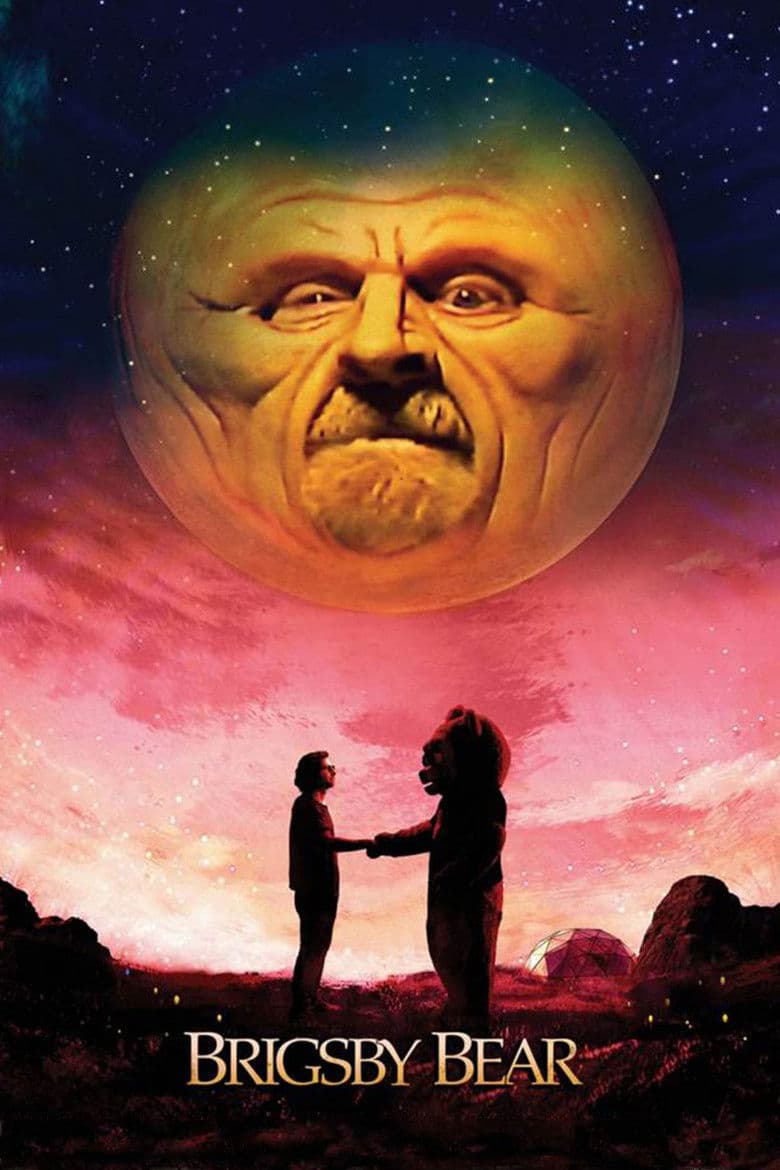
Brigsby Bear Adventures is a children's TV show produced for an audience of one: James. When the show abruptly ends, James's life changes forever, and he sets out to finish the…
Movie · 2025
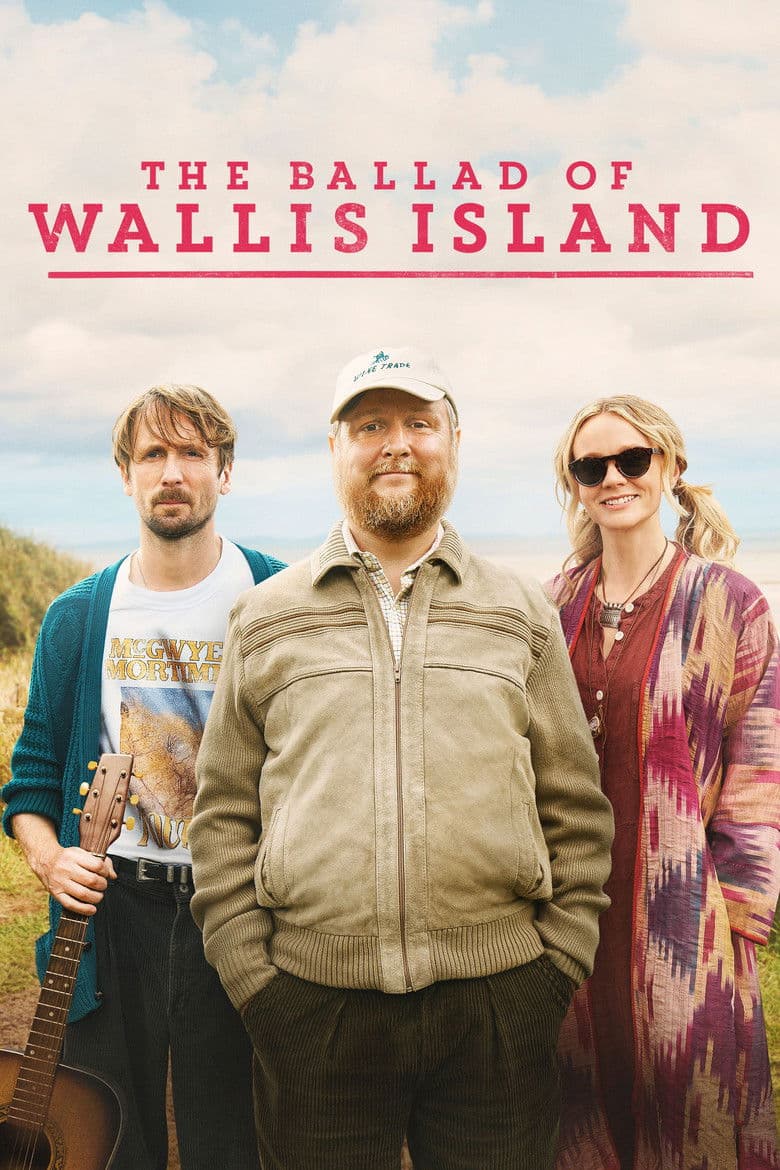
An eccentric lottery winner who lives alone on a remote island tries to make his fantasies come true by getting his favourite musicians to perform at his home.
Movie · 2019
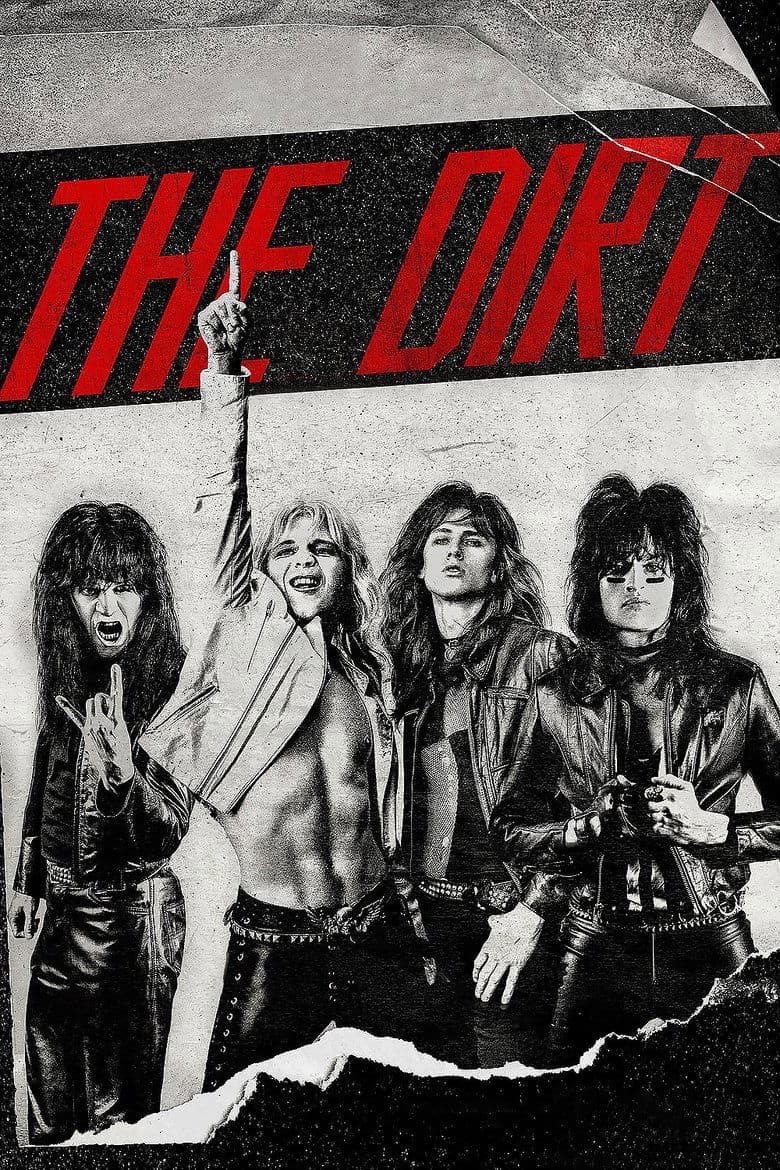
The story of Mötley Crüe and their rise from the Sunset Strip club scene of the early 1980s to superstardom.
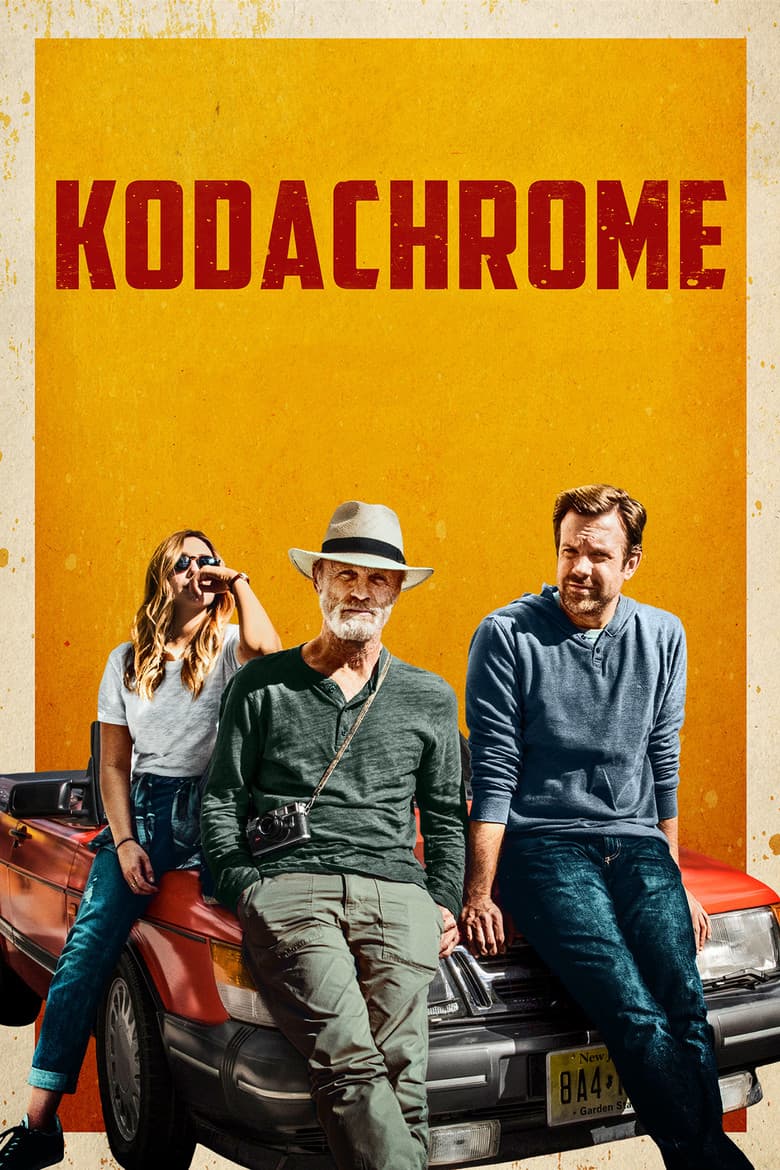
Movie · 2017
Matt Ryder is convinced to drive his estranged and dying father Benjamin Ryder cross country to deliver four old rolls of Kodachrome film to the last lab in the world that can…
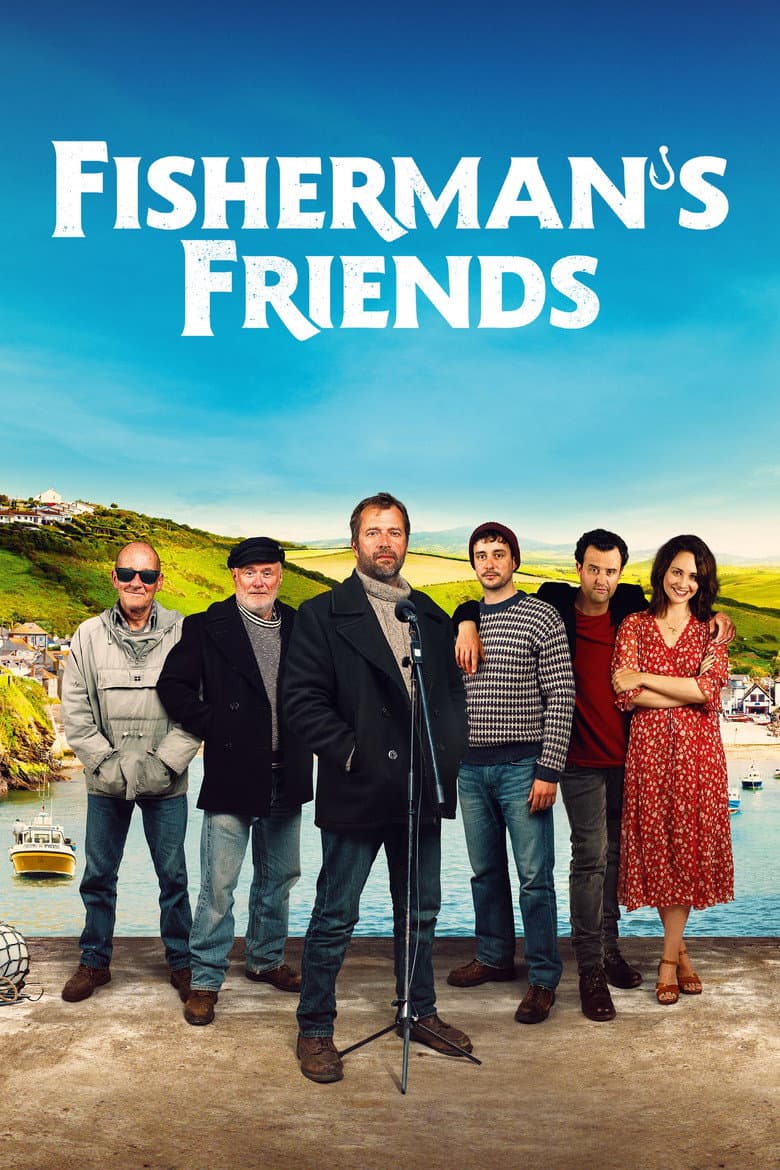
Movie · 2019
Ten fishermen from Cornwall are signed by Universal Records and achieve a top ten hit with their debut album of Sea Shanties.
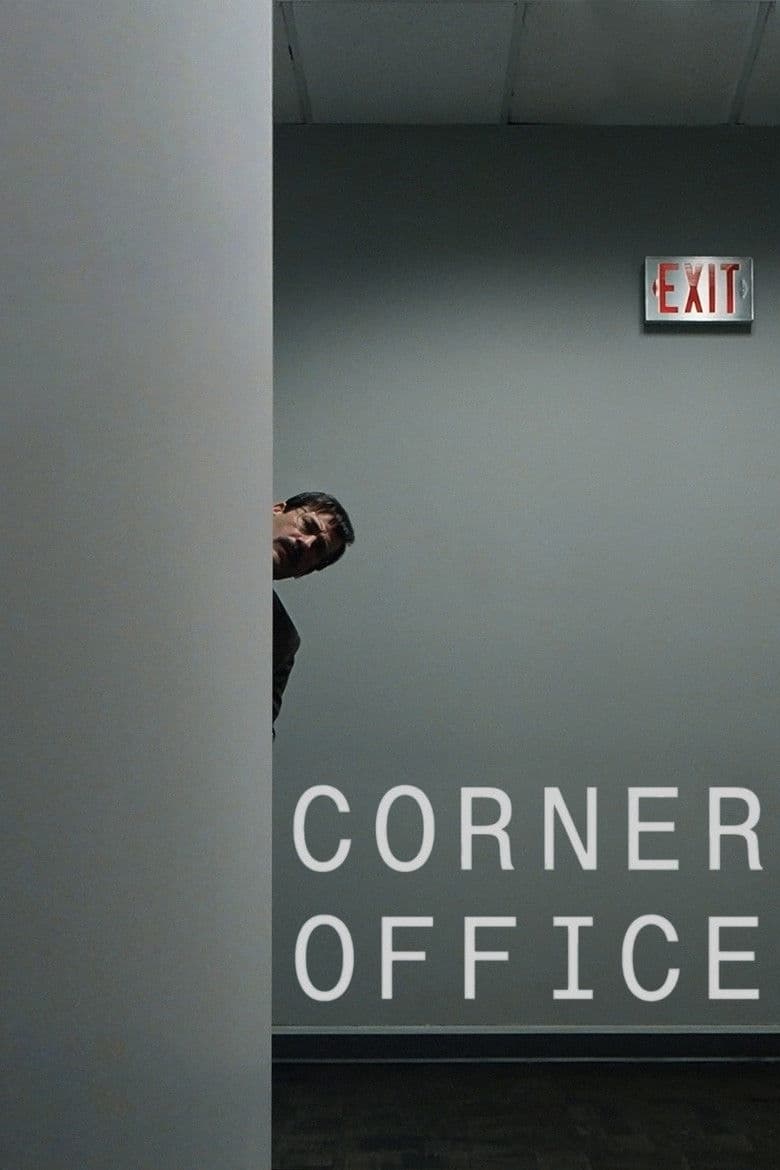
Movie · 2023
In this office satire, Orson, a straight-laced employee, retreats to a blissfully empty corner office to get away from his lackluster colleagues.
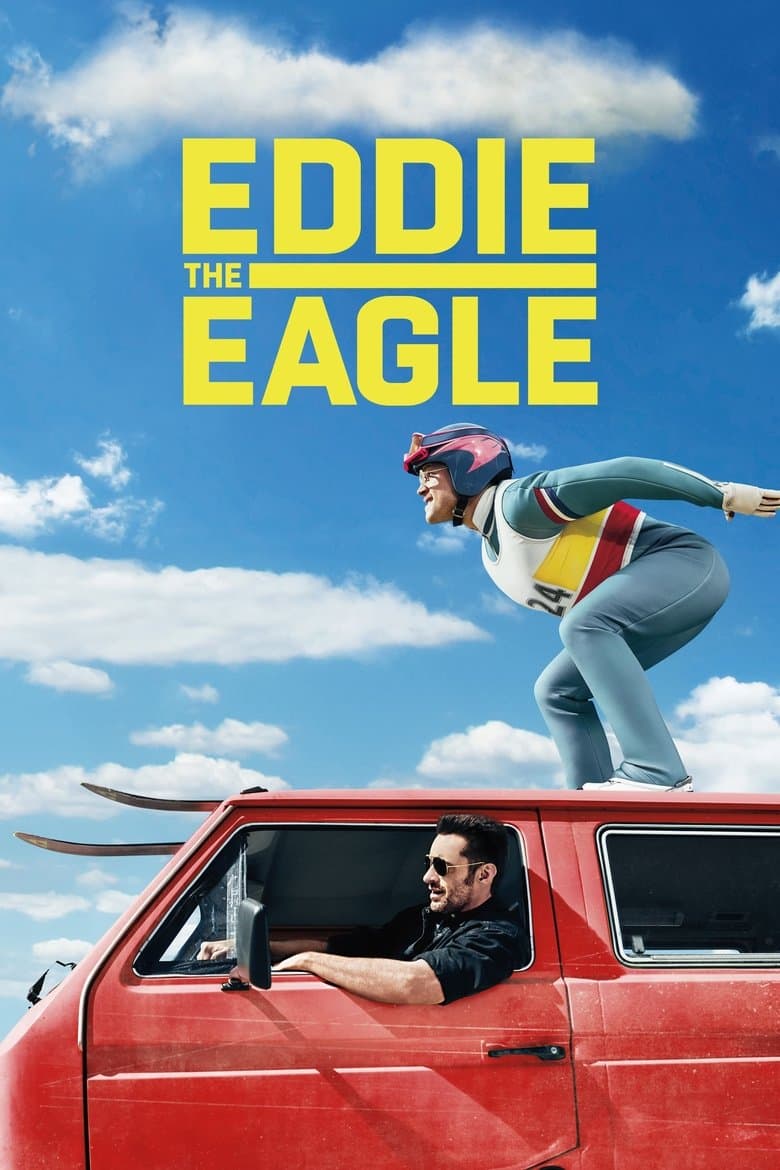
Movie · 2016
The feel-good story of Michael 'Eddie' Edwards, an unlikely but courageous British ski-jumper who never stopped believing in himself—even as an entire nation was counting him out.
