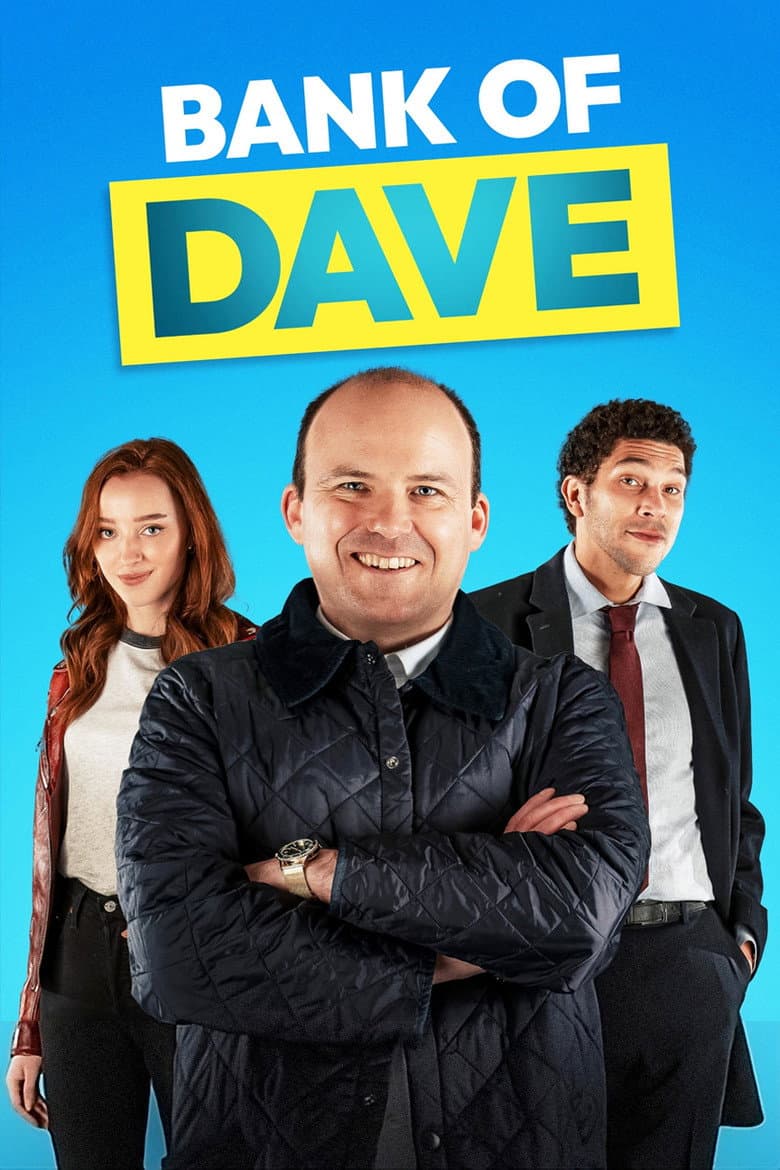
Dave Fishwick is a hard-working van seller from Burnley who made a lot of money but still cares about his town. After the big money crash, local shops and people cannot get fair loans from the big banks. Dave starts lending his own money and then tries to open a real community bank. London money bosses and rules stand in his way. The movie is warm, funny, and feels like a classic underdog story.
The story is about class, home-town pride, and taking on greedy banks, not about race, gender, or identity fights. Viewers mainly see Dave, a city lawyer named Hugh, and Hugh’s romance with a local doctor while they push for a bank licence. Side characters include local people from different backgrounds, but that is everyday modern Britain, not a big message push. The clear theme is “help your neighbours and do not trust fat-cat banks.” That is old-style underdog politics, not modern woke identity politics.
Community feedback
Was our 13% Woke rating accurate?
Breakdown
These are the editorial factors and ratings behind our score for Bank of Dave.
Woke representation / casting
Lead is Rory Kinnear as real white Burnley businessman Dave; main plot partners are a male lawyer and a female doctor. Supporting roles include black British actors such as Cathy Tyson in ordinary local parts. Modern UK mix is visible but not sold as quota casting or identity-first starring choices. Average viewers see a northern community cast, not a representation campaign.
10%
Woke political dialogue
Talk centers on fair loans, community profit going to charity, and posh London bankers blocking a working-class outsider. That is anti-greed and class talk. It is not race, gender, sexuality, or DEI lecture dialogue. Noticeable as populist banking talk, not identity politics speech.
12%
Identity-driven story themes
Story engine is town pride, small business survival, and fighting bank red tape. Romance is a standard straight subplot. Identity categories are not the main plot fuel. A normal viewer walks away thinking about community banking, not social identity.
0%
Western institutional / cultural critique
Big banks and snooty London elites are the villains in broad rich-vs-ordinary terms after the financial crash. Rules treat generic “rich people are corrupt” satire as mild unless it becomes modern activist identity framing. Here the target is banking greed and class snobbery, not patriarchy, whiteness, colonial guilt, or attacks on faith and family.
15%
Woke character or canon changes
Not relevant. Changes from real life (invented lawyer, romance, concert, villain banker, smoother licence win) are ordinary feel-good movie inventions, not race, gender, or DEI rewrites of known people.
0%
Anti-woke backlash and complaints
No major right-leaning campaign calling the movie woke, DEI propaganda, or identity-driven. Coverage is mostly warm underdog praise. Only thin, personal social posts treat UK casting trends with suspicion; they do not show a clear title-level backlash.
2%
Creator track record context
Cached producer scores are near zero (0–3). Public profiles are commercial film finance, craft, and mainstream British production, not a pattern of identity-activist work tied to this title.
3%
Production
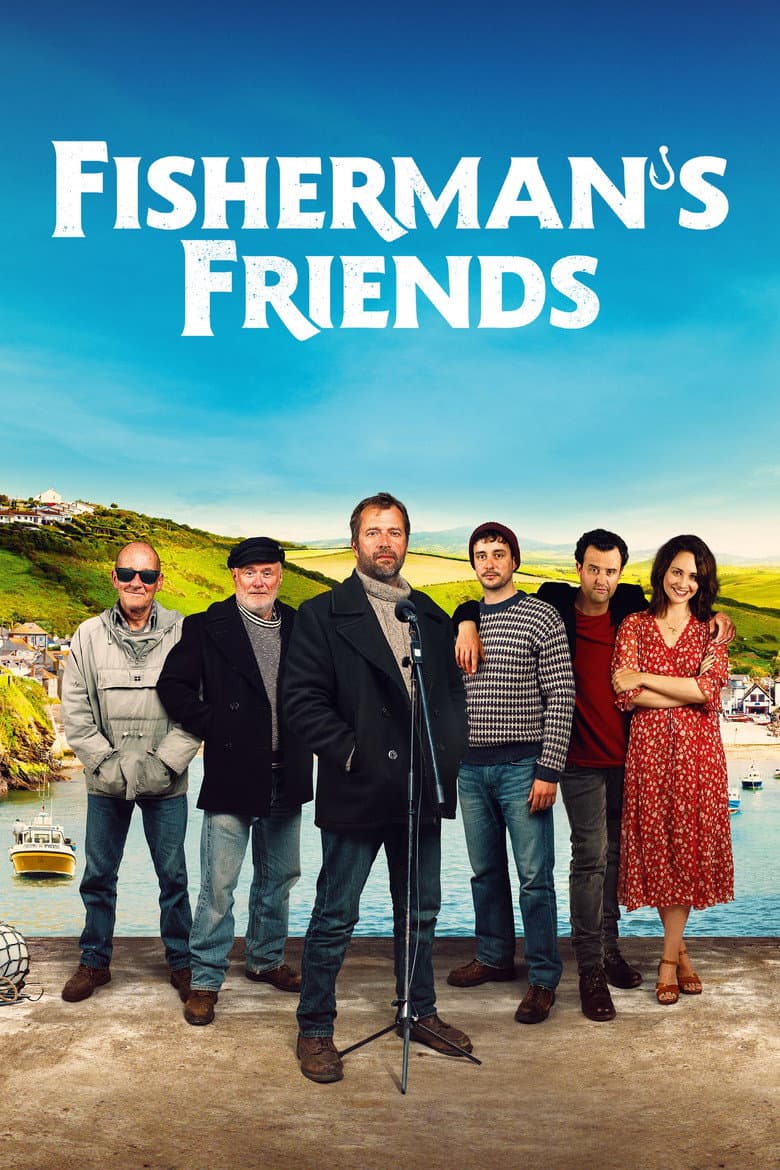
Movie · 2019
Ten fishermen from Cornwall are signed by Universal Records and achieve a top ten hit with their debut album of Sea Shanties.

Movie · 2016
Aspiring New York City artist John Hollar returns to his Middle America hometown on the eve of his mother’s brain surgery.

Movie · 2025
An eccentric lottery winner who lives alone on a remote island tries to make his fantasies come true by getting his favourite musicians to perform at his home.
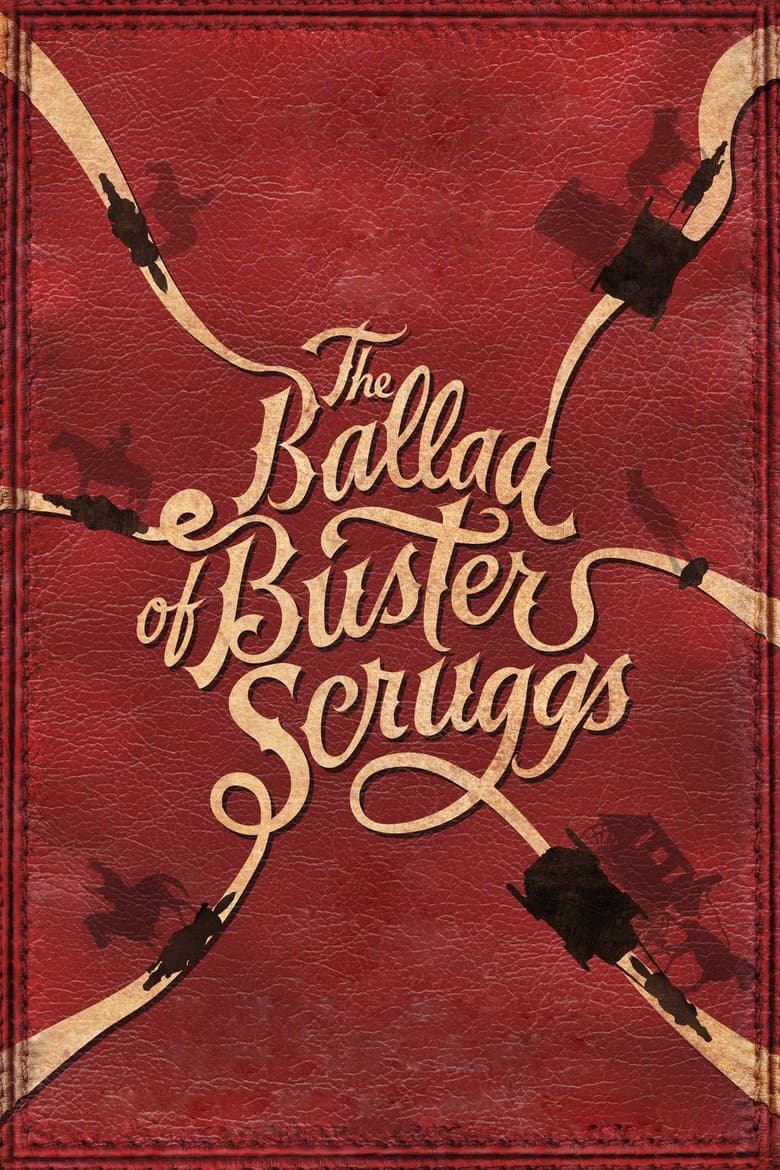
Movie · 2018
Vignettes weaving together the stories of six individuals in the old West at the end of the Civil War. Following the tales of a sharp-shooting songster, a wannabe bank robber, two…
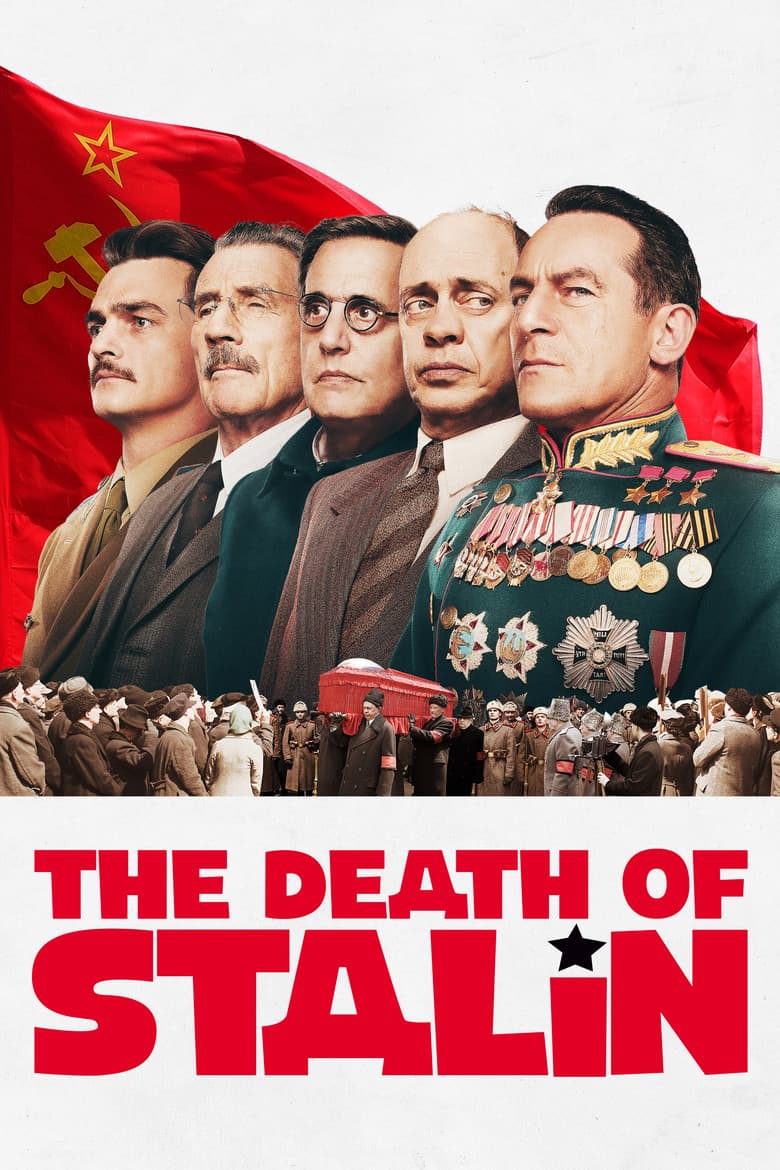
Movie · 2017
When dictator Joseph Stalin dies, his parasitic cronies square off in a frantic power struggle to become the next Soviet leader.

Movie · 2016
Having suffered a tragedy, Ben becomes a caregiver to earn money. His first client, Trevor, is a hilarious 18-year-old with muscular dystrophy.

Movie · 2018
An American hypochondriac who is working as a baggage handler is forced to confront his fears when a British teenager with a terminal illness enlists him to help her carry out her…
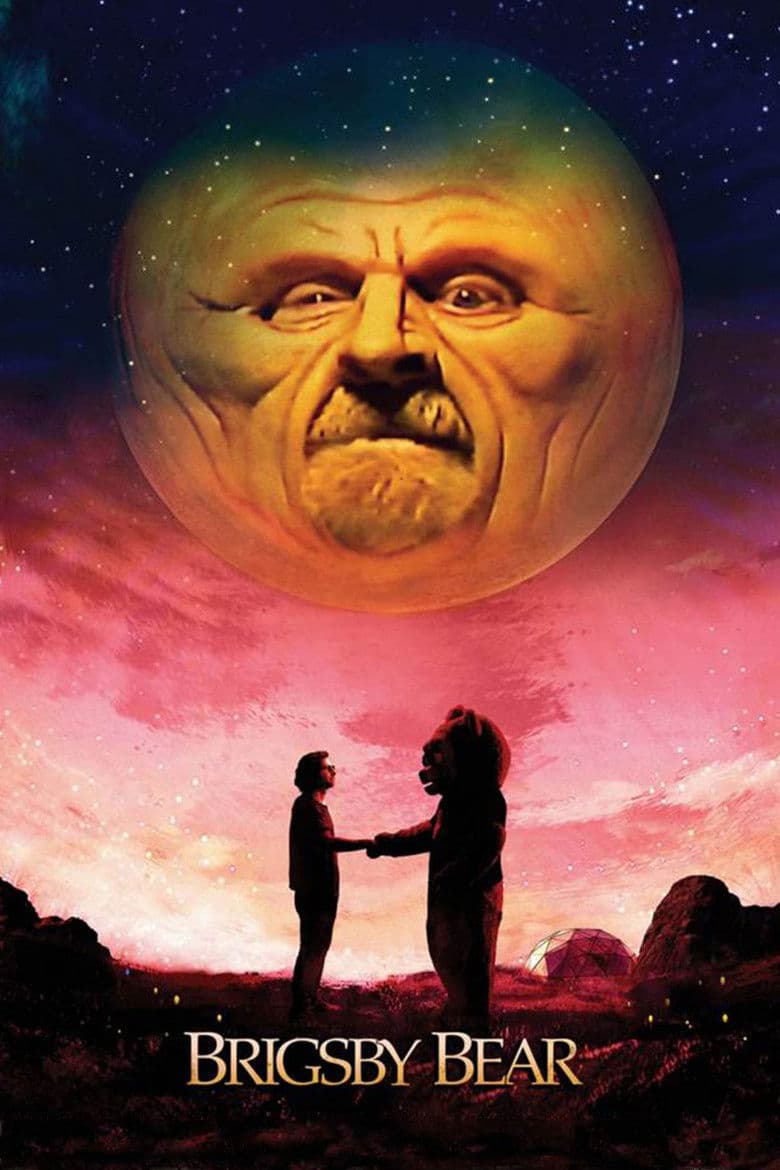
Movie · 2017
Brigsby Bear Adventures is a children's TV show produced for an audience of one: James. When the show abruptly ends, James's life changes forever, and he sets out to finish the…
