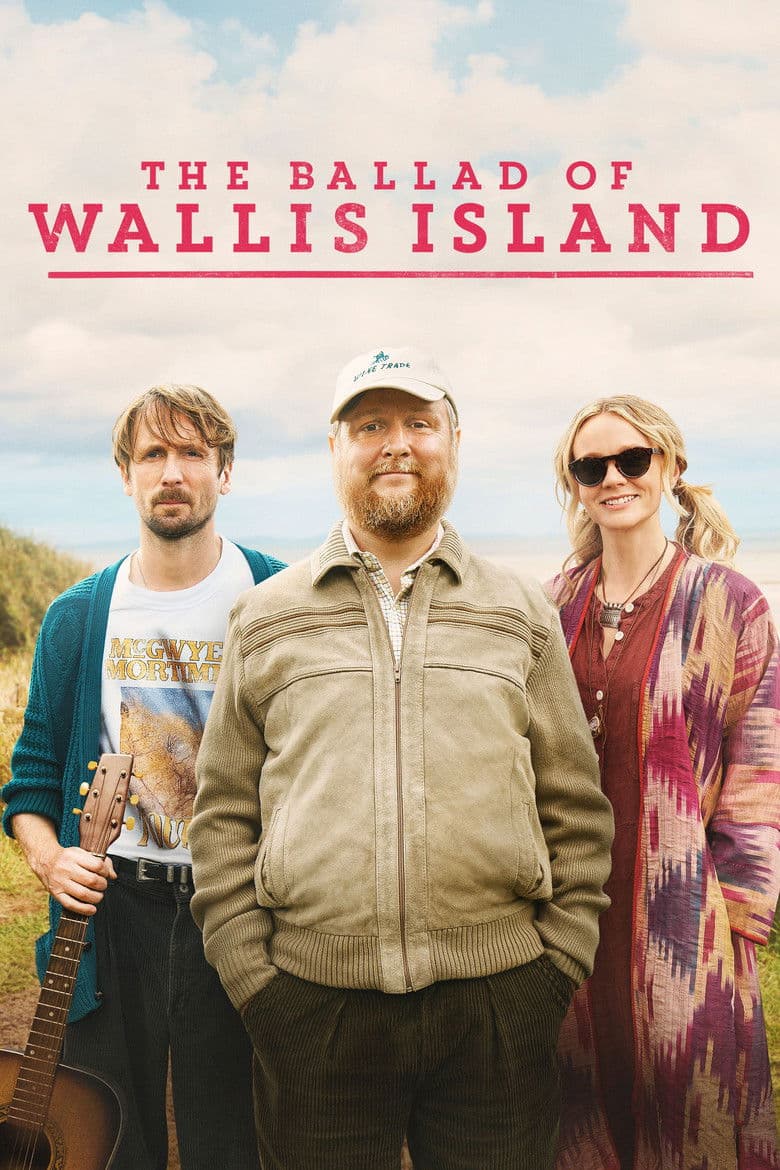
Charles Heath is a lonely, cheerful lottery winner who lives on a remote island off the Welsh coast. He pays a large sum to bring Herb McGwyer, a once-famous folk singer, to his home for a private concert. Herb then learns that Charles has also invited Nell Mortimer, Herb’s former bandmate and former girlfriend, who arrives with her husband, Michael. The visit becomes a small, awkward reunion about old love, grief, fame, and the trouble of staying stuck in the past.
The film treats music as a way to remember good times and face painful ones. Herb must choose between chasing old fame and living honestly, while Nell has already built a new life with a husband. Charles uses his money to recreate a memory linked to his late wife, but the concert becomes more meaningful when the guests stop pretending. The tone stays gentle and funny, with sad moments about loss, regret, friendship, and learning to move on.
Community feedback
Was our 3% Woke rating accurate?
Breakdown
These are the editorial factors and ratings behind our score for The Ballad of Wallis Island.
Woke representation / casting
Not present. The main roles are white British musicians and a lottery winner, with Michael as Nell’s Black husband. The film does not make race, gender, or diversity a subject or public identity statement.
0%
Woke political dialogue
Not present. The dialogue stays on music, money, grief, fame, and old relationships. The characters do not deliver activist speeches or argue about identity politics.
0%
Identity-driven story themes
Not present. The main themes are grief, regret, friendship, music, and moving on. Race, sex, and sexuality do not drive the story or its message.
0%
Western institutional / cultural critique
Not present. The film questions Herb’s choice to chase pop success and money, but it does not attack capitalism, religion, family life, or Western institutions with activist messaging. The conflict comes from private grief and artistic regret.
0%
Woke character or canon changes
Not relevant. The feature expands the filmmakers’ own 2007 short by adding Nell and Charles’s late wife. Those additions deepen the personal story without making an identity or political change to an established character.
0%
Anti-woke backlash and complaints
Not present. Reviewed news, audience posts, and social reactions do not show a serious complaint that the film pushes woke, DEI, or identity politics. The few negative reviews focus on slow pacing, repeated jokes, or sentimentality.
0%
Creator track record context
The supplied creator notes give James Griffiths a low 19/100 score and Tom Basden and Tim Key scores of 8 and 0. Carey Mulligan has spoken about feminism and gender equality, and Stephen Kelliher produced A Kid Like Jake, which centers on a child’s gender expression. The other listed crew members have little or no high-confidence record of activist or identity-driven work. This gives a mild context signal, while the film itself stays focused on music, grief, and friendship.
14%
Production

Movie · 2016
Aspiring New York City artist John Hollar returns to his Middle America hometown on the eve of his mother’s brain surgery.

Movie · 2022
The remarkable true story of how retiree Jerry Selbee discovers a mathematical loophole in the Massachusetts lottery and, with the help of his wife, Marge, wins $27 million…
Movie · 2018
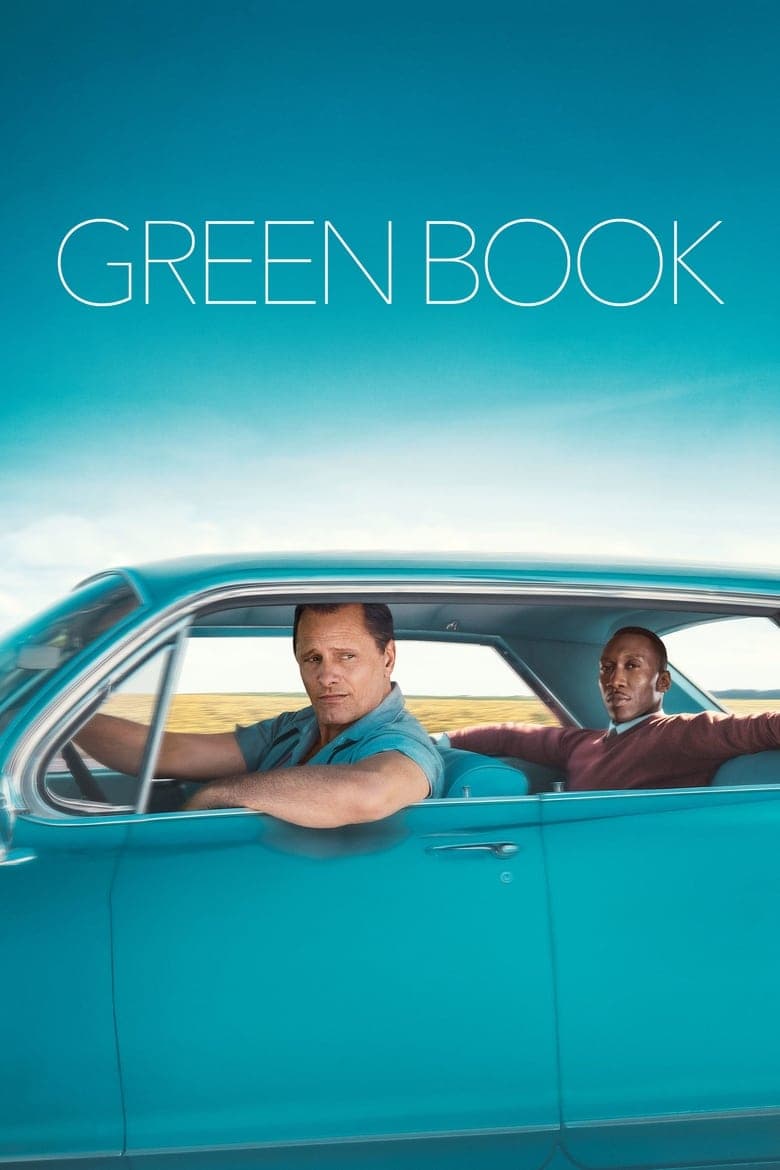
Tony Lip, a bouncer in 1962, is hired to drive pianist Don Shirley on a tour through the Deep South in the days when African Americans, forced to find alternate accommodations and…
Movie · 2022
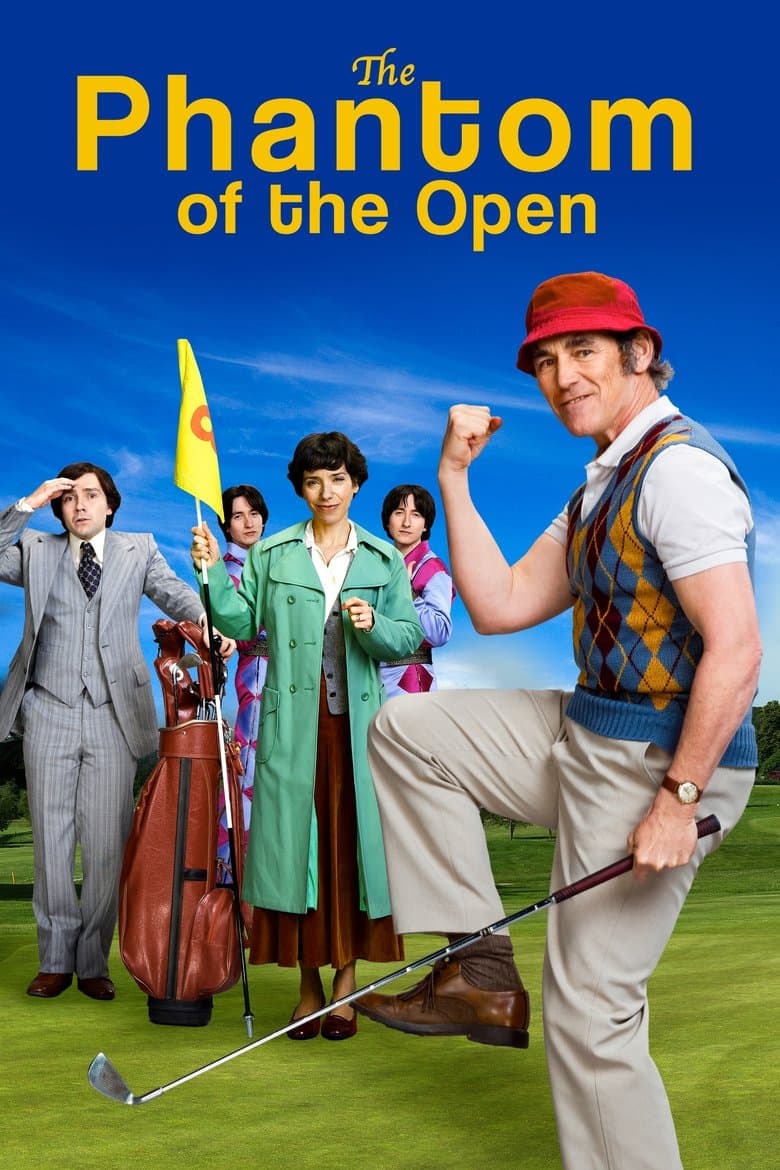
Maurice Flitcroft, a dreamer and unrelenting optimist, managed to gain entry to The British Open Golf Championship qualifying in 1976 and subsequently shot the worst round in Open…
Movie · 2019
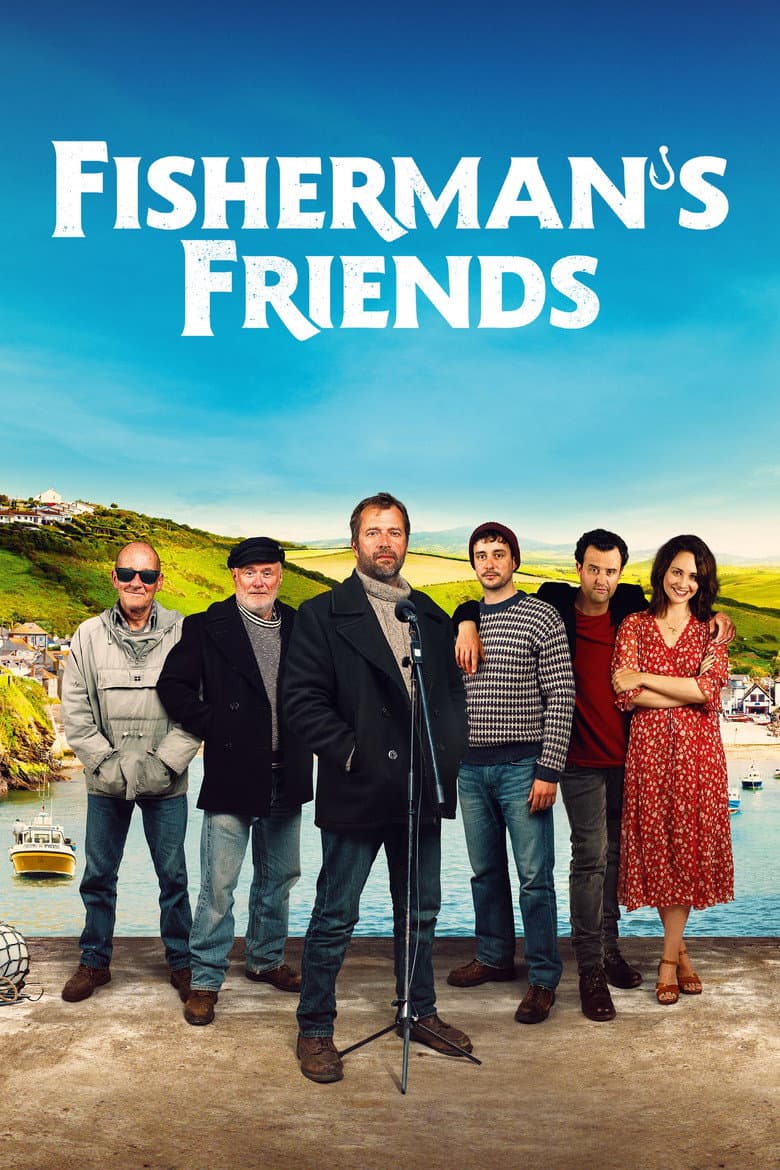
Ten fishermen from Cornwall are signed by Universal Records and achieve a top ten hit with their debut album of Sea Shanties.
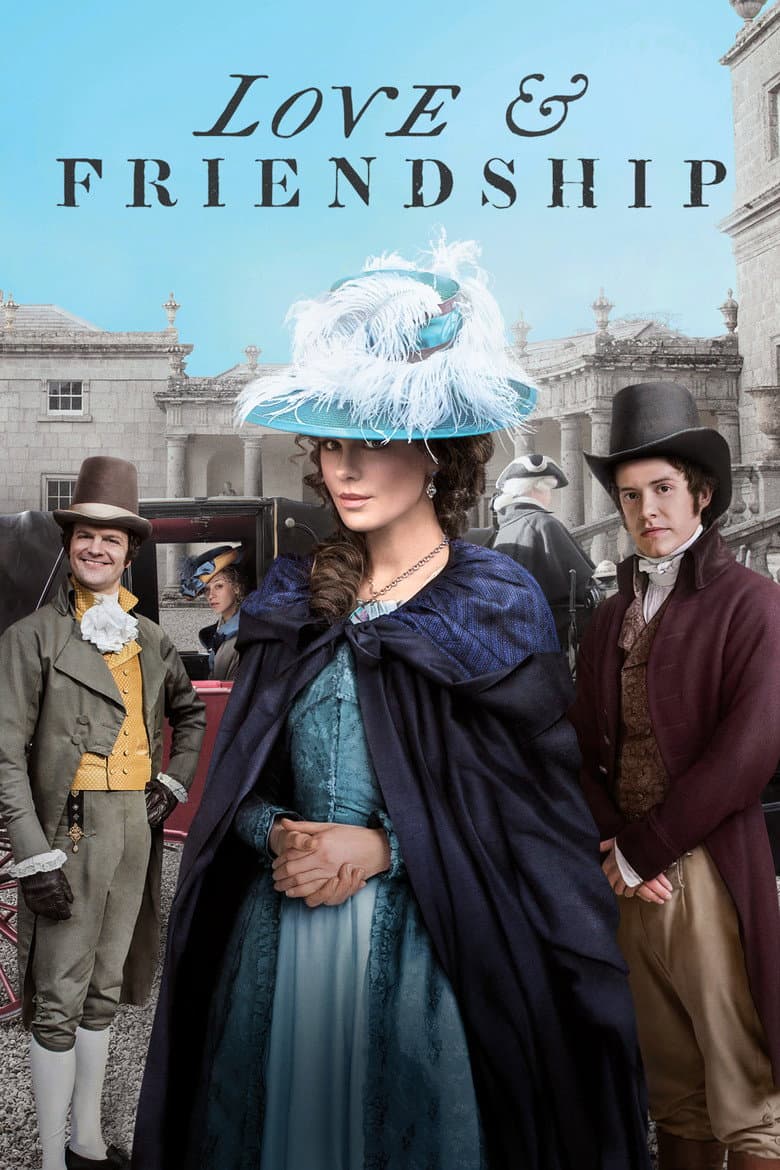
Movie · 2016
From Jane Austen’s novella, the beautiful and cunning Lady Susan Vernon visits the estate of her in-laws to wait out colorful rumors of her dalliances and to find husbands for…

Movie · 2016
A boy growing up in Dublin during the 1980s escapes his strained family life by starting a band to impress the mysterious girl he likes.
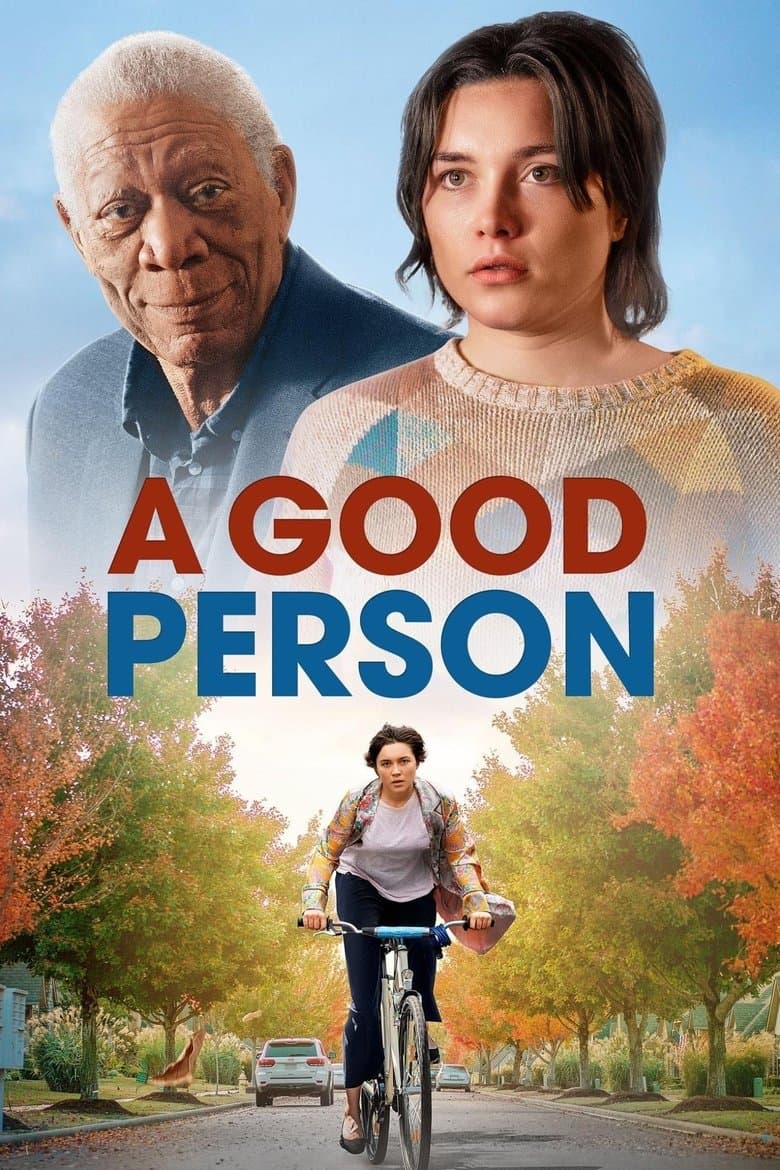
Movie · 2023
Allison's life falls apart following her involvement in a fatal accident. The unlikely relationship she forms with her would-be father-in-law helps her live a life worth living.
