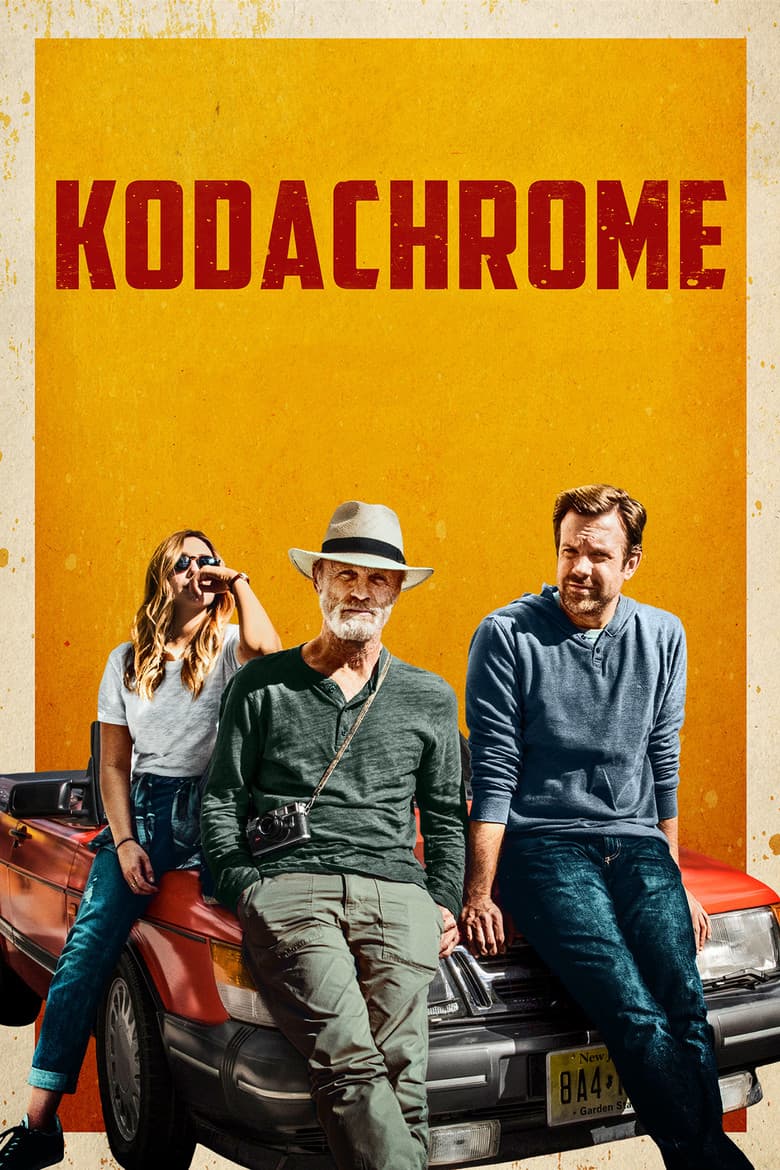
Kodachrome follows Matt Ryder, a New York music executive whose career is falling apart. His estranged father, Benjamin, is a famous photographer with terminal cancer. Benjamin asks Matt to drive him and nurse Zooey to Kansas, where the last lab can develop four old rolls before it closes. The road trip forces the three travelers to face lost time, old anger, and the end of the film era. The tone mixes sharp jokes, family pain, romance, and a sad sense of farewell.
The film centers on a broken father and son who slowly face the damage they caused each other. Benjamin defends his selfish life by saying great artists are not always good people, while Matt must decide whether to forgive him. Zooey becomes Matt’s love interest, but her own story stays smaller than the father-son conflict. The film also contrasts careful film photography with digital media and social media. Its main message is about forgiveness, memory, family, and accepting that time moves on.
Community feedback
Was our 3% Woke rating accurate?
Breakdown
These are the editorial factors and ratings behind our score for Kodachrome.
Woke representation / casting
Not present. The central cast is mostly white, with a black supporting manager and mixed supporting players. The film does not present these choices as a diversity message.
0%
Woke political dialogue
Not present. The dialogue centers on family anger, work, art, divorce, and death. It does not push modern identity or activist ideas.
0%
Identity-driven story themes
Not present. The story is about a father and son repairing a damaged bond. Romance, divorce, memory, and the move from film to digital media are personal themes, not identity-driven themes.
0%
Western institutional / cultural critique
Not present. The film is skeptical of digital change, social media, and selfish artists. It does not attack Western institutions, traditional family life, religion, or gender roles through activist messaging.
0%
Woke character or canon changes
Not relevant. The main characters are original fictional people. The film does not change the identity of a known character or real historical figure.
0%
Anti-woke backlash and complaints
Not present. The supplied X pass found no anti-woke complaints, boycotts, or review-bombing. Wider coverage shows ordinary emotional or mixed reviews, not claims that the film pushes DEI or identity politics.
0%
Creator track record context
The director and main writer have no clear activist or DEI pattern in the stored context. A.G. Sulzberger has supported newsroom diversity and identity-related coverage, and his 2010 article inspired the film. Producer Ellen Goldsmith-Vein has mainstream Democratic and gun-safety work, while most other listed creators have low scores. This adds a small context signal, but the film does not turn it into an identity message.
14%
Production
Movie · 2017
Ingrid becomes obsessed with a social network star named Taylor Sloane who seemingly has a perfect life. But when Ingrid decides to drop everything and move west to be Taylor's…
Movie · 2018
Vignettes weaving together the stories of six individuals in the old West at the end of the Civil War. Following the tales of a sharp-shooting songster, a wannabe bank robber, two…
Movie · 2016
Having suffered a tragedy, Ben becomes a caregiver to earn money. His first client, Trevor, is a hilarious 18-year-old with muscular dystrophy.
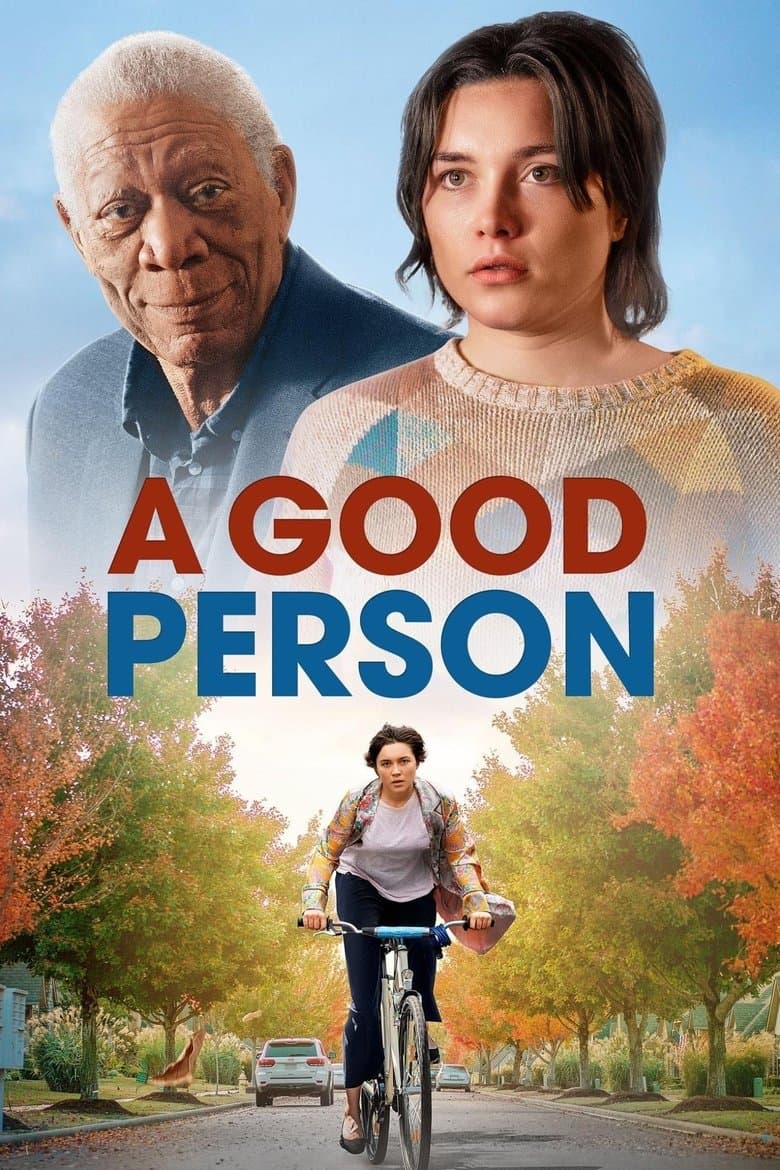
Movie · 2023
Allison's life falls apart following her involvement in a fatal accident. The unlikely relationship she forms with her would-be father-in-law helps her live a life worth living.
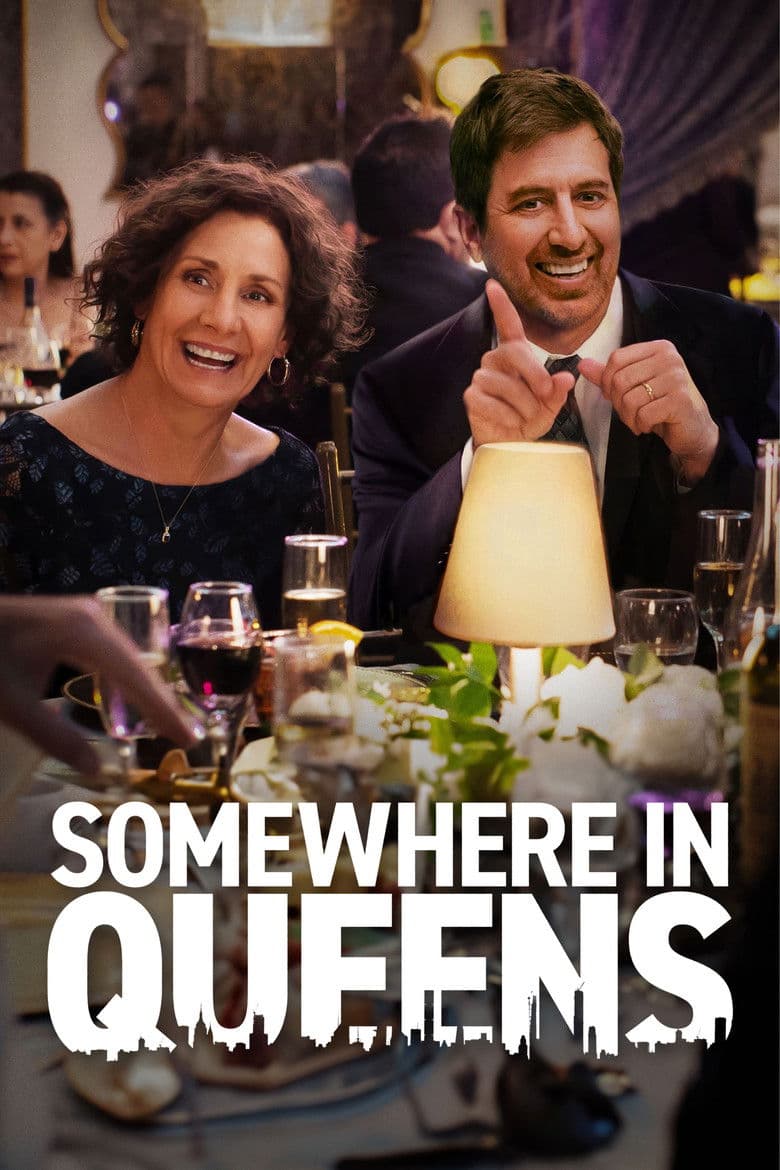
Movie · 2023
Leo and Angela Russo live a simple life in Queens, surrounded by their overbearing Italian-American family. When their son finds success on his high school basketball team, Leo…
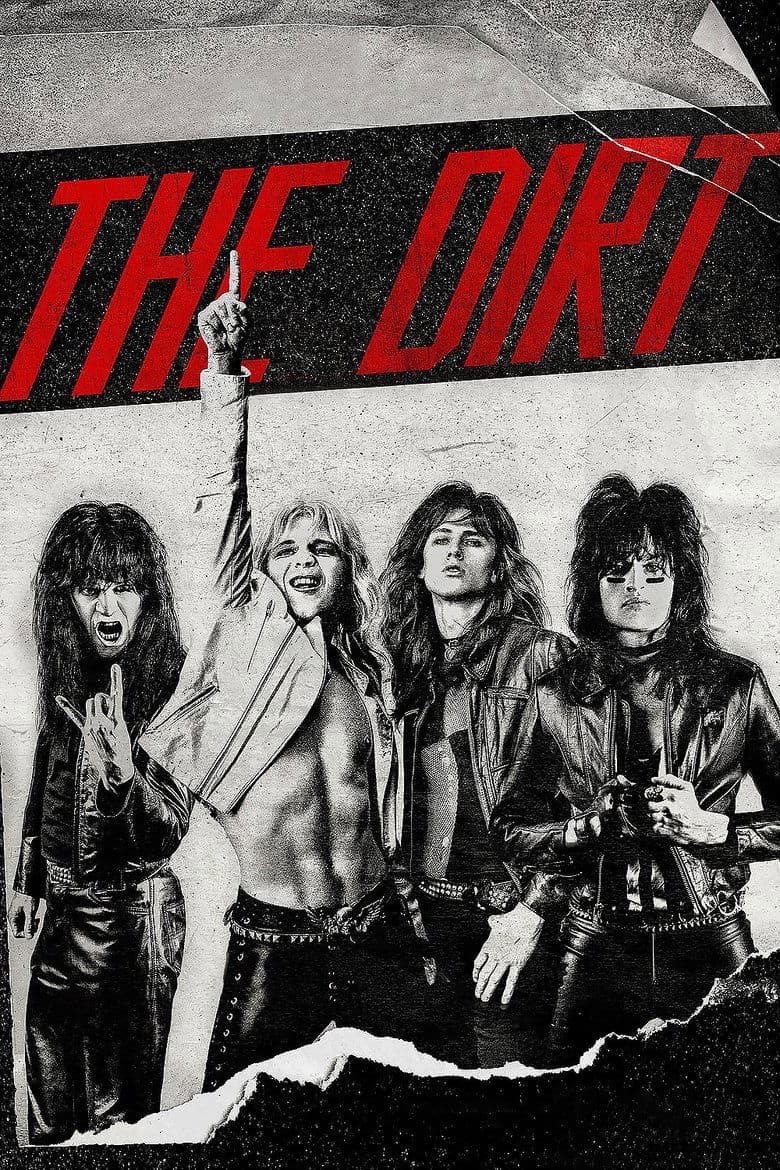
Movie · 2019
The story of Mötley Crüe and their rise from the Sunset Strip club scene of the early 1980s to superstardom.
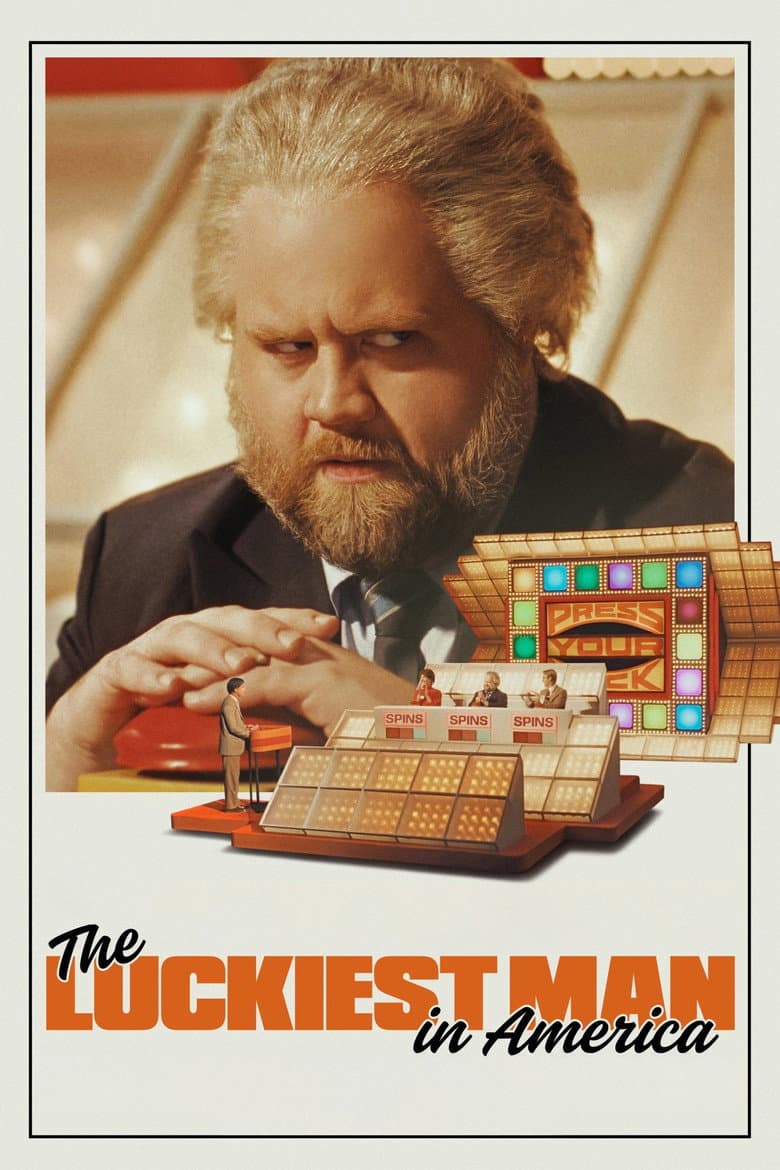
Movie · 2025
1984; Michael Larson, an unemployed ice-cream truck driver from Ohio, steps onto the game show "Press Your Luck" harboring a secret: the key to endless amounts of money.
Movie · 2016
An improv group deals with several crises, including the loss of their lease and one member hitting the big time.
